How Culinary Guides Reframing Modern Jewish Identity Through the Prism of the Diaspora and the Cookbook

The intersection of food, cultural heritage, and modern identity has increasingly found a voice in the contemporary literary marketplace through a wave of newly published Jewish cookbooks. To explore how these culinary guides reflect and reshape ideas about Jewishness in the twenty-first century, New York City-based food journalists and authors Charlotte Druckman and Rebecca Flint Marx convened to evaluate five notable titles published over the past decade. Through their shared lenses as secular Jewish women exploring their own relationships to heritage, the critics examined how these books navigate the complex layers of cultural, ethnic, religious, and national identities that define the Jewish diaspora.
The conversation highlights a broader cultural phenomenon: as interest in Jewish and Middle Eastern culinary traditions has surged, cookbook authors have increasingly utilized recipes not merely as instructional guides, but as cultural artifacts. These publications reveal how modern writers grapple with the fragmentation of tradition, the impact of assimilation, and the ongoing quest to define a diasporic cuisine that resists simple categorization.
The Evolution of Modern Jewish Cooking
The retrospective analysis began with Leah Koenig’s 2015 release, Modern Jewish Cooking. Published during a period that marked a significant renaissance in traditional Jewish foodways, the book captured a moment when the broader artisanal food movement began to intersect with Old World heritage recipes. Writers of this era sought to modernize and elevate Jewish cuisine, aligning it with contemporary culinary aesthetics.
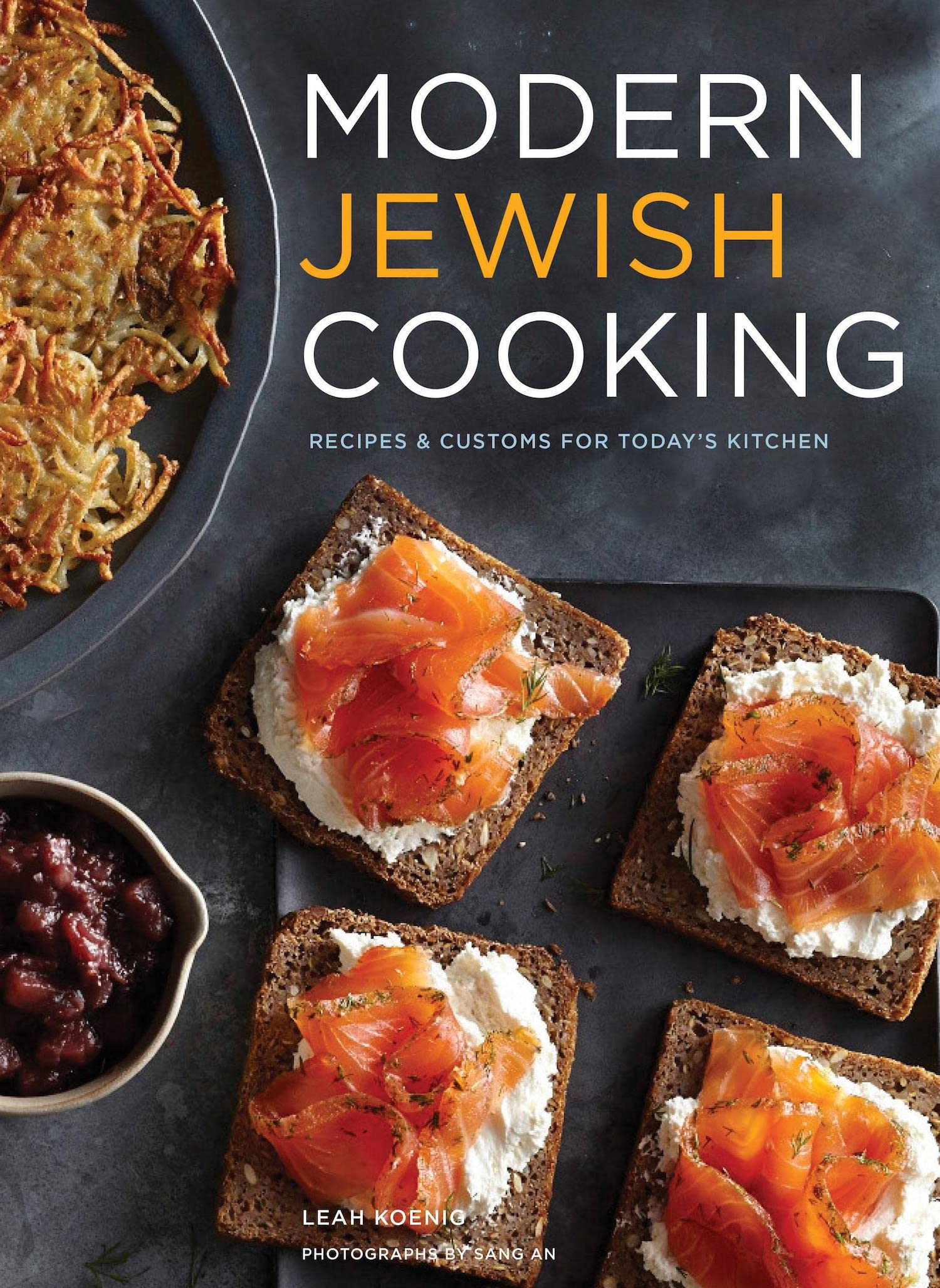
Flint Marx noted that the term "modern" in this context frequently serves as a euphemism for assimilation into mainstream American food culture. While Koenig’s work earned praise for its restraint, elegance, and reliable recipes, Druckman observed a recurring gap in such literature: the absence of explicit framing regarding what precisely makes a given dish, such as a fennel gratin or pan-roasted turnips, uniquely Jewish. Rather than grounding the recipes in specific geographic or theological contexts, the book presumes an audience of Jewish readers familiar with traditional touchstones, yet often leaves the historical and cultural connections implicit.
Philosophy, Debate, and the Boundaries of Culinary Identity
Shifting from traditional recipe collections to philosophical inquiry, the discussion turned to The 100 Most Jewish Foods, edited by Alana Newhouse. Functioning less as a traditional cookbook and more as a compilation of essays, the volume invites readers to debate the intangible qualities that imbue a food with cultural significance—featuring contributions that range from deeply historical analyses to whimsical examinations of cultural tropes.
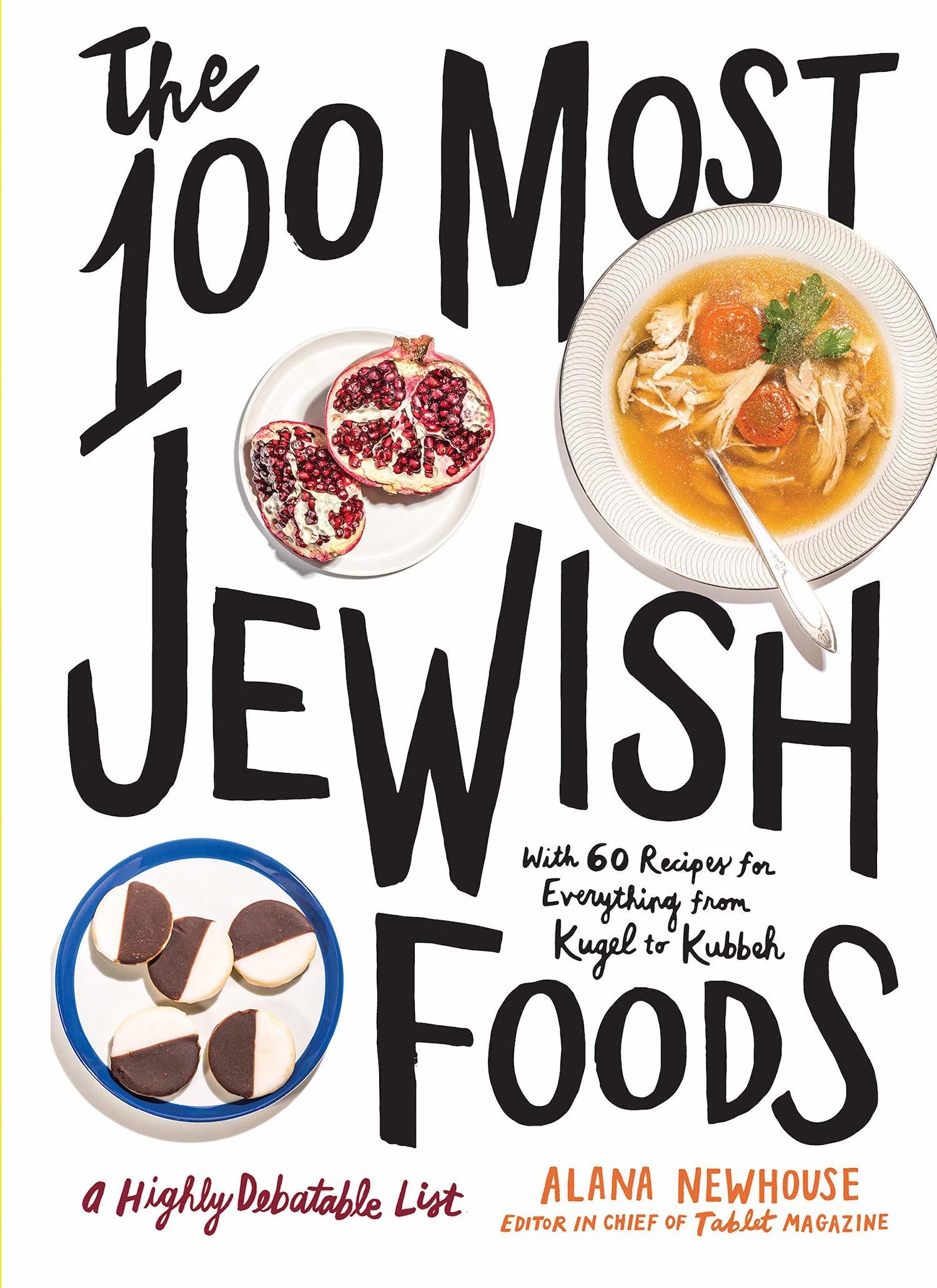
Both journalists noted that the book leans heavily into an Eastern European, New York-centric sensibility, characterized by intellectual debate and internal neurosis. While praising the work for its engaging prose and philosophical depth, Druckman critiqued its reliance on a narrow demographic of contributors, arguing that it reinforces a monochromatic representation of Jewishness that often overlooks Sephardic, Mizrahi, and Black Jewish perspectives.
Nostalgia, Suburbia, and Generational Disconnect
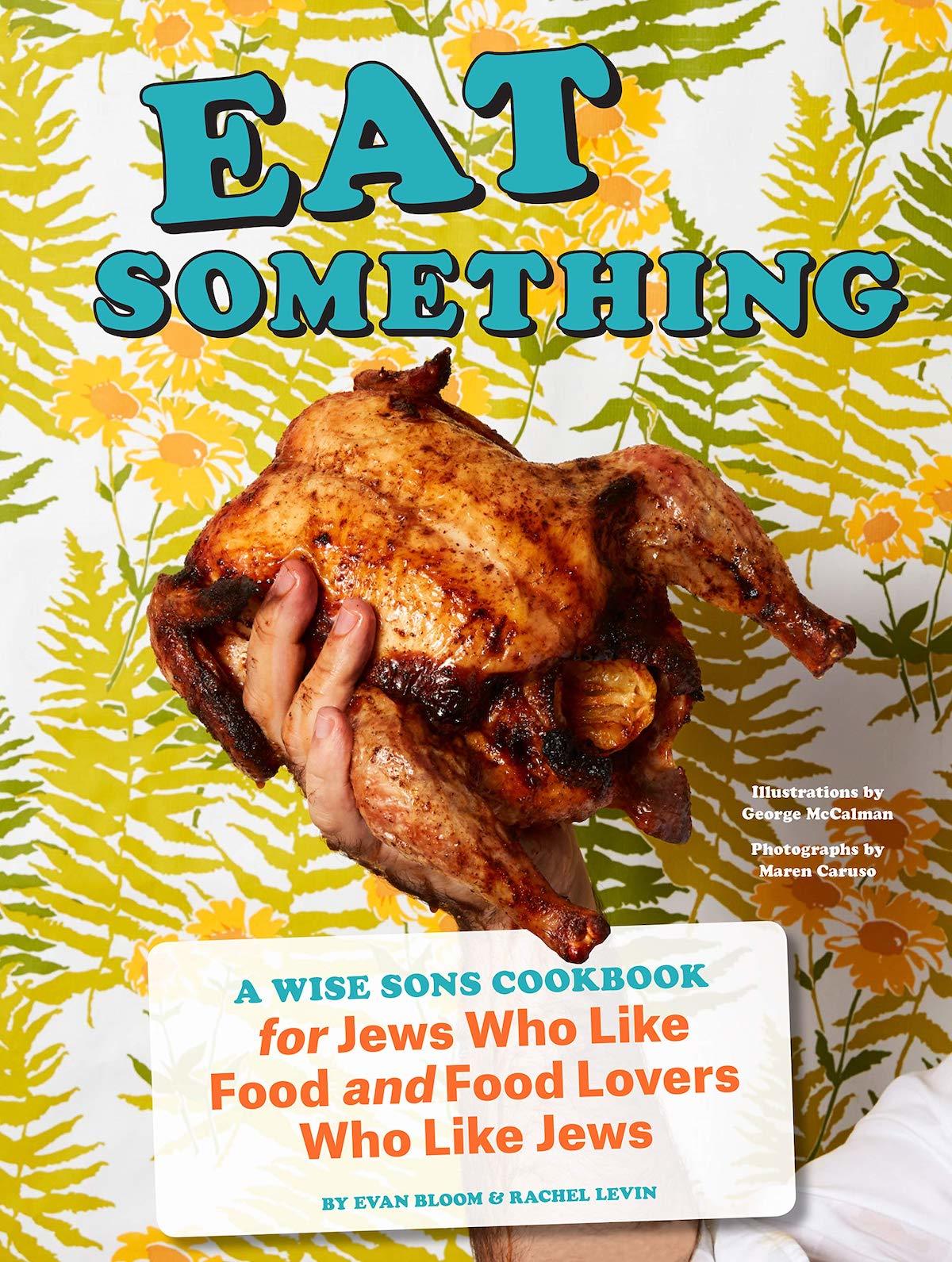
The tension between authentic heritage and manufactured nostalgia was further examined through Evan Bloom and Rachel Levin’s Eat Something: A Wise Sons Cookbook for Jews Who Like Food and People Who Like Jews. Rooted in a distinctly American suburban experience reminiscent of late-twentieth-century childhoods, the book embraces a campy, borscht-belt humor.
Druckman and Flint Marx observed that such cookbooks often speak to a generational gap, reflecting a modern disconnect from immigrant roots and religious practice. By operating on a "nostalgia for nostalgia," these texts risk reducing complex religious rituals and cultural traditions to lifestyle branding or sitcom-esque caricatures. Nevertheless, Flint Marx acknowledged that for readers raised in regions with sparse Jewish populations, these works provide a comforting sense of communal longing and cultural familiarity.
The Controversy of Aspirational Lifestyle Branding
Among the titles reviewed, Jake Cohen’s Jew-Ish elicited the sharpest critique from both journalists. Marketed around the concept of reinvented recipes for the "modern mensch," the book anchors its premise in the regular hosting of Friday night Shabbat dinners as a primary vehicle for cultural connection.

Druckman and Flint Marx raised concerns over the book’s reductive framing, which suggested that individuals who do not engage in traditional religious practices occupy a lesser tier of Jewish identity, categorized playfully or dismissively as "Jew-Ish." Furthermore, the integration of unorthodox ingredient pairings—such as pumpkin spice babka or everything-bagel-seasoned tomato galettes—was criticized not for a lack of culinary innovation, but for packaging Judaism as a decontextualized, trend-driven lifestyle brand. The critics emphasized that while personal paths to cultural reclamation are valid, attempting to codify and brand Jewishness through superficial aesthetic choices ultimately undermines the depth of the heritage.
Context, Geography, and the Global Diaspora
In contrast to the lifestyle-oriented approach, Faith Kramer’s 52 Shabbats, published in December, was lauded for its journalistic rigor and global perspective. The book structures its culinary exploration around the weekly observance of Shabbat, using it as a framework to examine the vast geographic dispersion of Jewish communities across the globe.
By presenting comparative recipes—such as differing regional preparations for lentils or salmon—Kramer illustrates how migration, geopolitics, and cross-cultural exchange have shaped a inherently diasporic and fusion-driven cuisine. The text balances historical depth, demographic data on dwindling international communities, and practical kitchen utility. Druckman and Flint Marx concluded that 52 Shabbats successfully bridges the gap between religious ritual and culinary instruction, offering a respectful, well-researched acknowledgment of the diversity inherent in global Jewish food cultures.
Broader Implications for Culinary Publishing
The conversation between Druckman and Flint Marx underscores a critical turning point in how diaspora cuisines are documented and consumed in the modern literary landscape. As cookbook publishing increasingly caters to niche identities and lifestyle branding, the burden of representation weighs heavily on authors who choose to write about deeply personal cultural traditions.

The critical reception of these five titles reveals a growing demand among readers for authenticity, historical context, and intersectional representation. When culinary guides reduce centuries of complex migration, survival, and adaptation to mere aesthetic trends or generational caricatures, they risk alienating the very communities they aim to celebrate. Conversely, when authors approach diasporic cooking with journalistic integrity and global awareness, cookbooks transform from transient lifestyle accessories into enduring archives of cultural resilience and shared human experience.