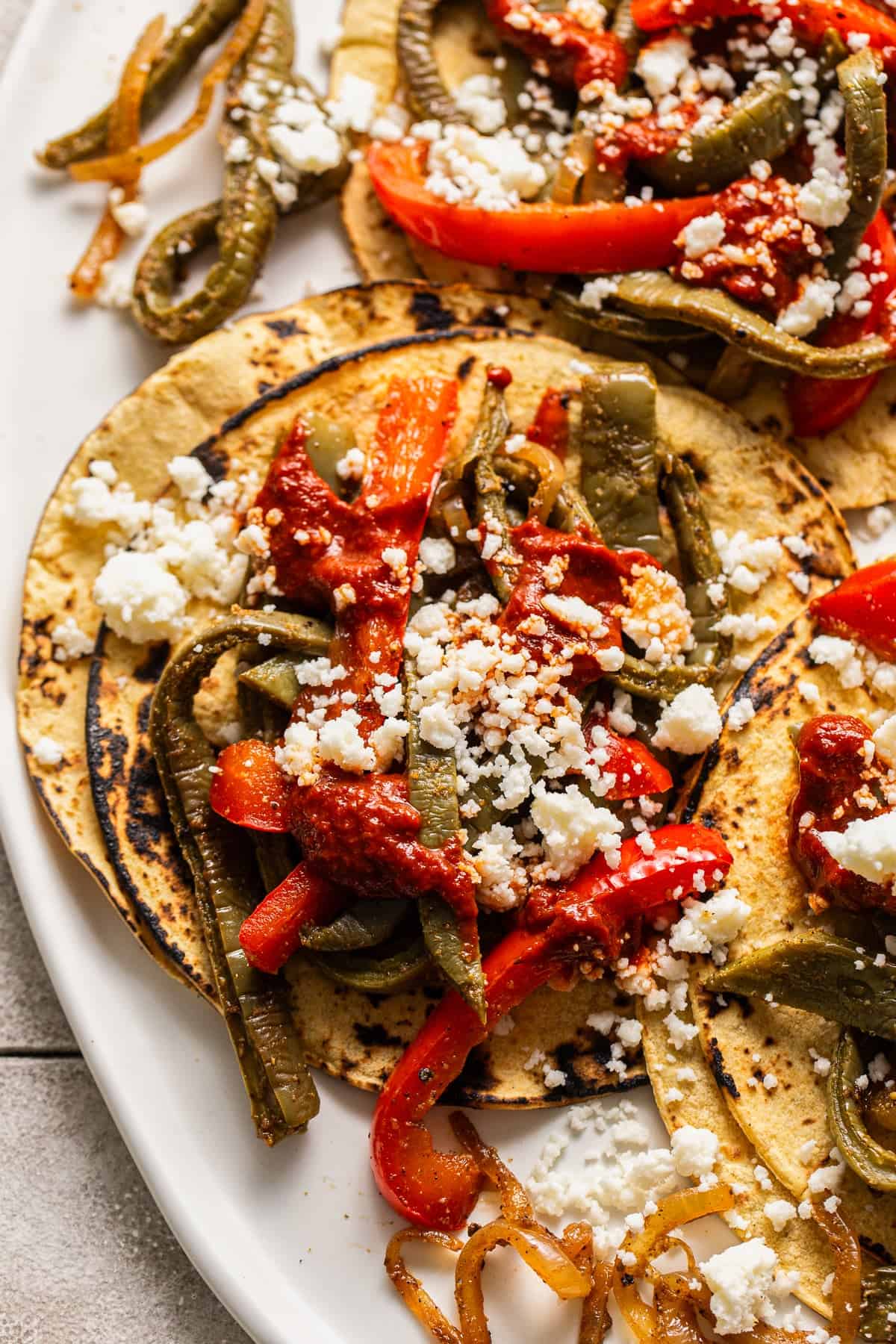
The consumption of nopales, or the edible pads of the Opuntia cactus, represents a cornerstone of Mexican gastronomy that spans thousands of years. While once considered a strictly regional sustenance, these cactus paddles have transitioned into the global culinary spotlight, prized for their unique nutritional profile and versatility. Among the most popular ways to serve this ingredient is the nopales taco, a dish that balances the vegetable’s inherent tartness with the deep, smoky heat of traditional guajillo chile salsas.
The Historical and Cultural Context of Nopales
Nopales are deeply ingrained in the cultural identity of Mexico. According to historical records, the Aztecs and other pre-Hispanic civilizations utilized the cactus for both nutritional purposes and as a central element in their religious symbolism—most notably in the legend surrounding the founding of Tenochtitlan, where an eagle was spotted perched upon a prickly pear cactus.
For centuries, the plant served as a resilient food source that could thrive in arid climates where other crops failed. Today, Mexico remains the world’s leading producer of nopales, with extensive cultivation occurring in states such as Morelos and the State of Mexico. The culinary tradition of incorporating them into tacos, scrambled eggs, or salads is a testament to the preservation of indigenous agricultural heritage.
Botanical Profile and Nutritional Significance
From a biological perspective, nopales are the flattened, fleshy stems of the prickly pear cactus. They are botanically distinct, possessing a texture that some compare to okra or green beans, depending on the preparation method.
Nutritionally, nopales are considered a functional food. Data from the United States Department of Agriculture (USDA) indicates that these cactus pads are low in calories and fat, yet high in dietary fiber, vitamin C, and magnesium. Recent agricultural research suggests that the mucilage—the slippery, gel-like substance often referred to in culinary circles as babas—contains pectin and other polysaccharides that may assist in the regulation of blood glucose levels. This makes the nopales taco an increasingly popular choice for health-conscious consumers and those managing metabolic conditions.

Culinary Methodology: Balancing Texture and Flavor
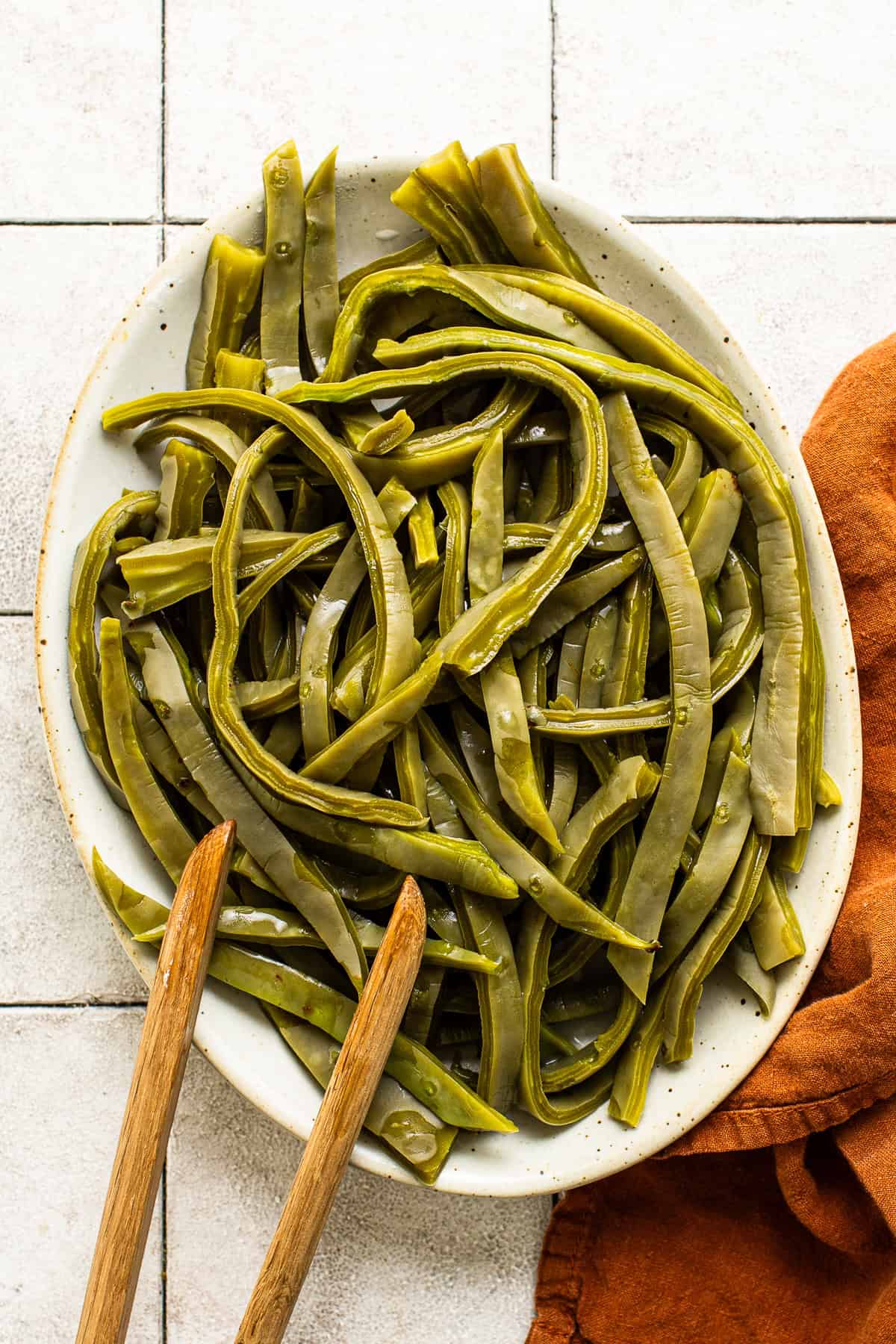
The preparation of nopales requires specific techniques to ensure a desirable texture. The "sliminess" that often deters novice home cooks is a natural secretion of the plant, which can be mitigated through proper boiling in salted water or dry-grilling.
Standard culinary practices for preparing a high-quality nopales taco involve a three-stage process:
- Cleaning: The removal of spines and thorns, which is now simplified by the availability of pre-cleaned paddles in most major supermarkets.
- Thermal Treatment: Boiling or grilling, which effectively neutralizes the mucilage.
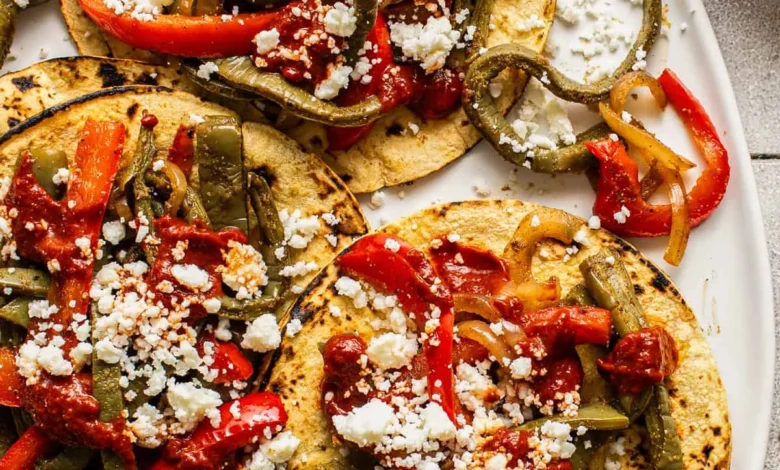
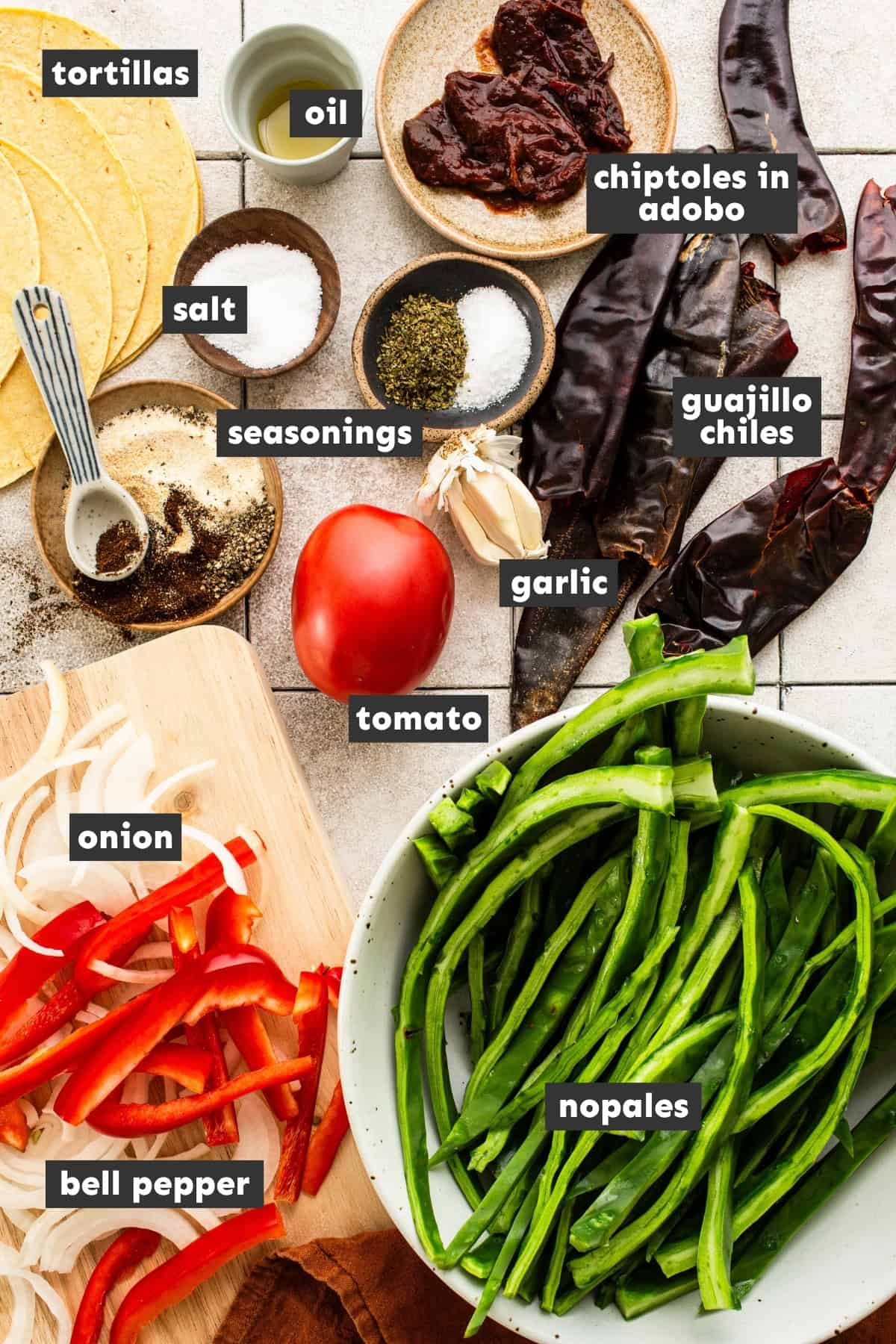
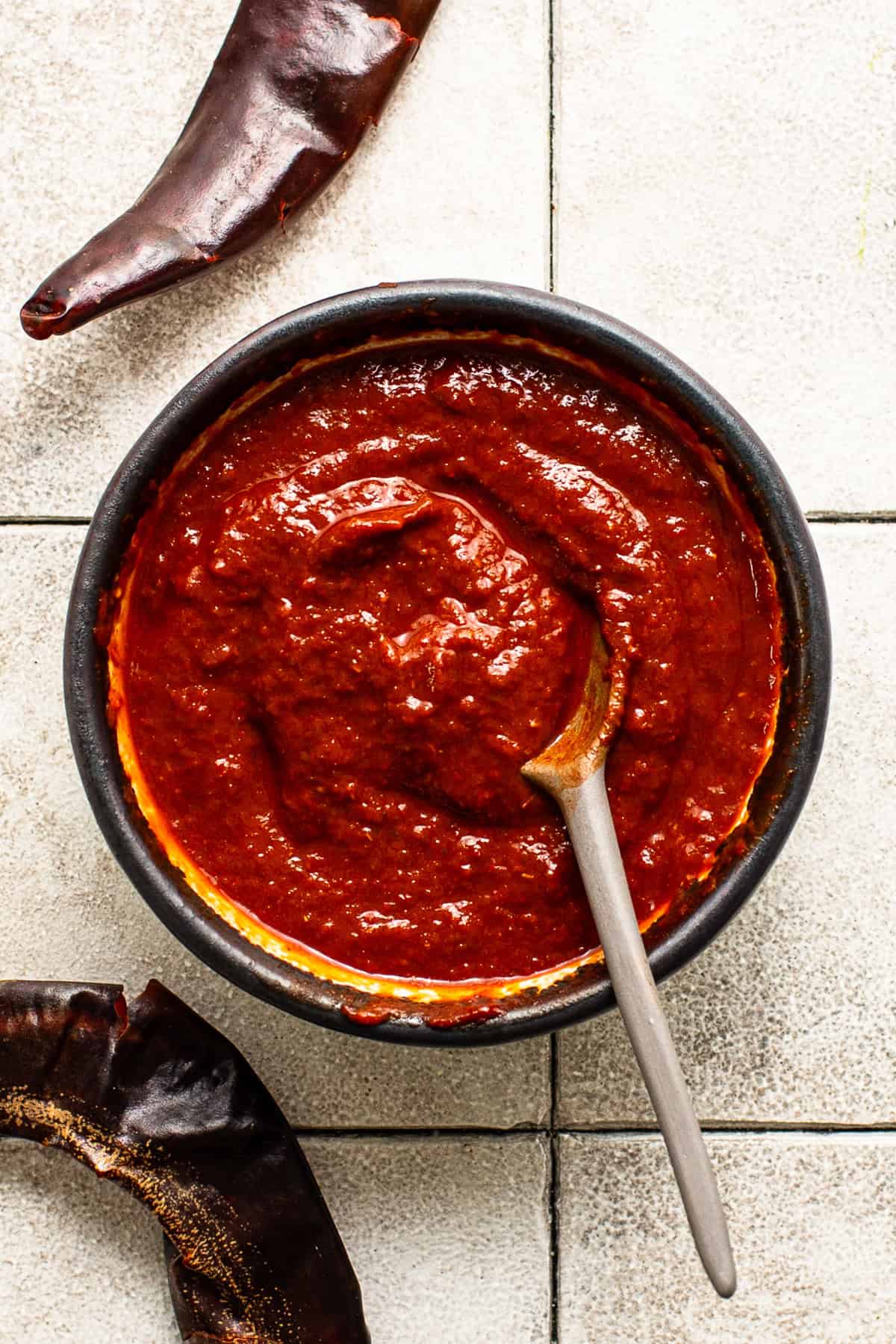
- Flavor Integration: The pairing of the nopales with robust, acidic, or smoky flavor profiles. The use of a guajillo-based salsa—a sauce crafted from dried, mild guajillo chiles, chipotles, garlic, and tomatoes—is a common practice that provides the necessary depth to balance the vegetal, slightly acidic notes of the cactus.
The Evolution of the Nopales Taco
In contemporary culinary circles, the nopales taco is no longer relegated to rural kitchens. Major culinary institutions and food historians note that the dish has seen a resurgence in metropolitan areas as part of the "farm-to-table" movement. By sourcing fresh, seasonal produce and utilizing traditional heirloom corn tortillas, chefs are elevating the simple cactus paddle to a gourmet status.
Industry analysts observe that the rising interest in plant-based, sustainable protein alternatives has further bolstered the demand for nopal-based dishes. As a crop, the prickly pear cactus requires significantly less water than many other vegetable staples, making it an environmentally sustainable choice in an era of increasing water scarcity.
Preparing the Dish: A Standardized Approach
While recipes vary, the standardized professional approach to creating a balanced taco involves the following components:
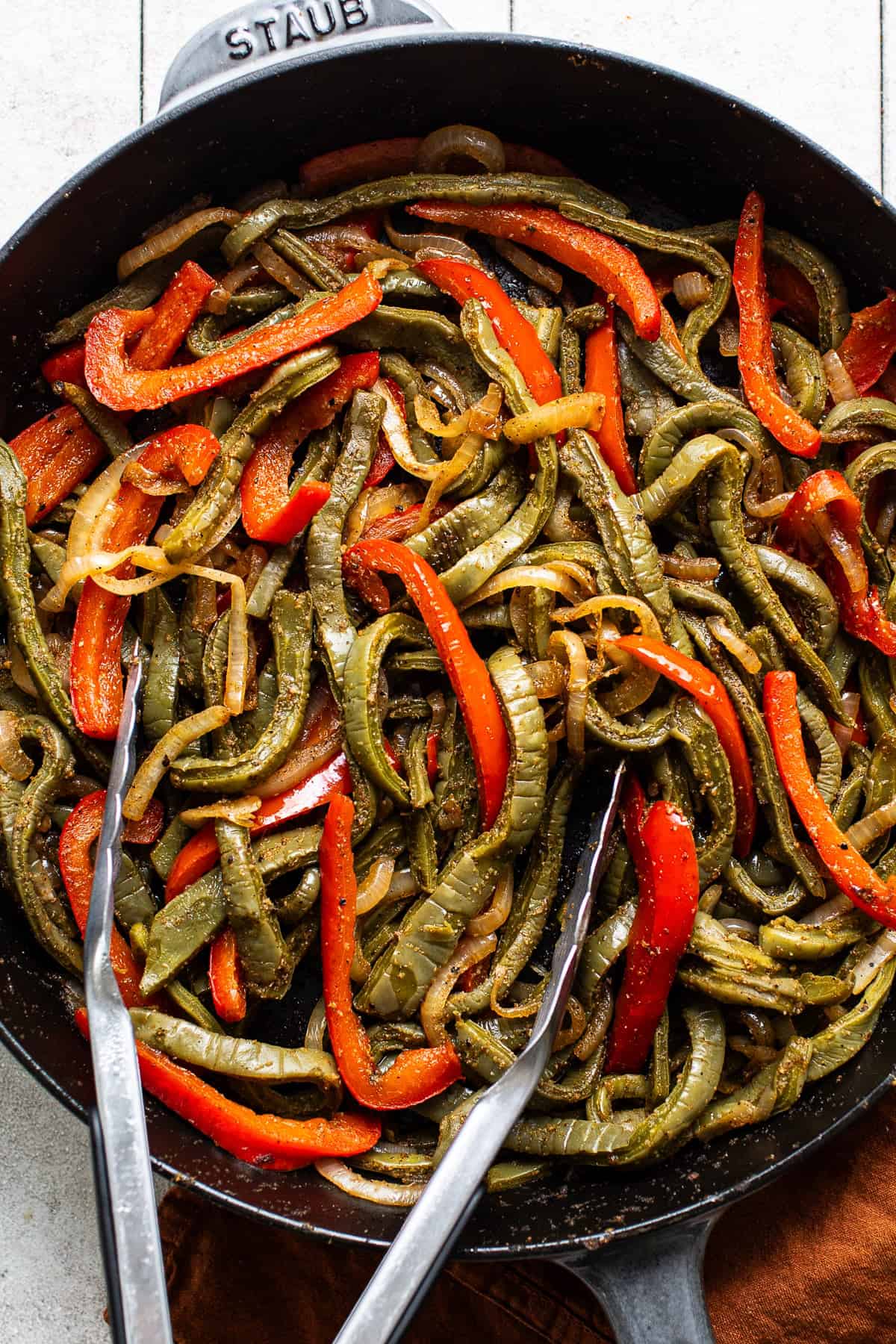
- The Filling: A sautéed mixture of diced nopales, white onion, and bell peppers. The onions and peppers introduce a natural sweetness that counters the astringency of the cactus.
- The Salsa: A sauce derived from rehydrated guajillo chiles, blended with aromatics. The acidity of the tomato and the smokiness of the chipotle create a complex flavor profile that defines the dish’s character.
- The Base: A warm, nixtamalized corn tortilla, which provides an earthy foundation that supports the weight of the sautéed vegetables.
- The Finish: A dusting of queso fresco or cotija cheese, which adds a creamy, salty contrast to the tartness of the nopales.
Socio-Economic Impact and Market Trends
The nopales industry has seen a steady increase in international exports over the last decade. As the Mexican diaspora grows and the appreciation for authentic Mexican cuisine expands in the United States and Europe, the demand for cactus-based products has transformed from a domestic necessity into a viable export commodity.
Economic reports suggest that the production of nopales is a vital source of income for small-scale farmers in central Mexico. Investments in cleaner, more efficient processing technologies—such as automated spine removal and vacuum-sealed packaging—have enabled these products to reach a broader, more diverse consumer base.
Addressing Common Culinary Misconceptions
One of the most persistent misconceptions regarding nopales is that they are inherently difficult to prepare. Culinary educators emphasize that once the user understands the biology of the plant—specifically the function of the babas—the preparation becomes straightforward.
- Rinsing Technique: The use of warm water rather than cold water during the post-boiling rinse is a critical tip, as it prevents the cactus from shock-cooling, which can trap the mucilage.
- Grilling vs. Boiling: Grilling is frequently recommended as an alternative to boiling, as it eliminates the need to manage the slippery secretions entirely, instead caramelizing them into the paddle.
Broader Implications for Future Gastronomy
The rise of the nopales taco is symbolic of a larger trend in global food culture: the rediscovery of indigenous crops that offer both nutritional density and environmental resilience. As the food industry faces the dual pressures of a growing population and climate change, ingredients like the nopales cactus are likely to become increasingly significant.
By integrating traditional knowledge with modern culinary techniques, the nopales taco serves as a blueprint for how historical staples can be adapted for the modern palate. Whether consumed for its health benefits, its deep cultural roots, or simply its complex, satisfying flavor, the nopales taco remains a compelling study in the endurance and evolution of Mexican cuisine. As producers continue to scale and distribution channels improve, this once-humble cactus paddle is poised to become an even more prominent feature of the global culinary landscape.
Related posts: