Marry Me Butter Beans: The Plant-Based Culinary Trend Taking Home Kitchens by Storm


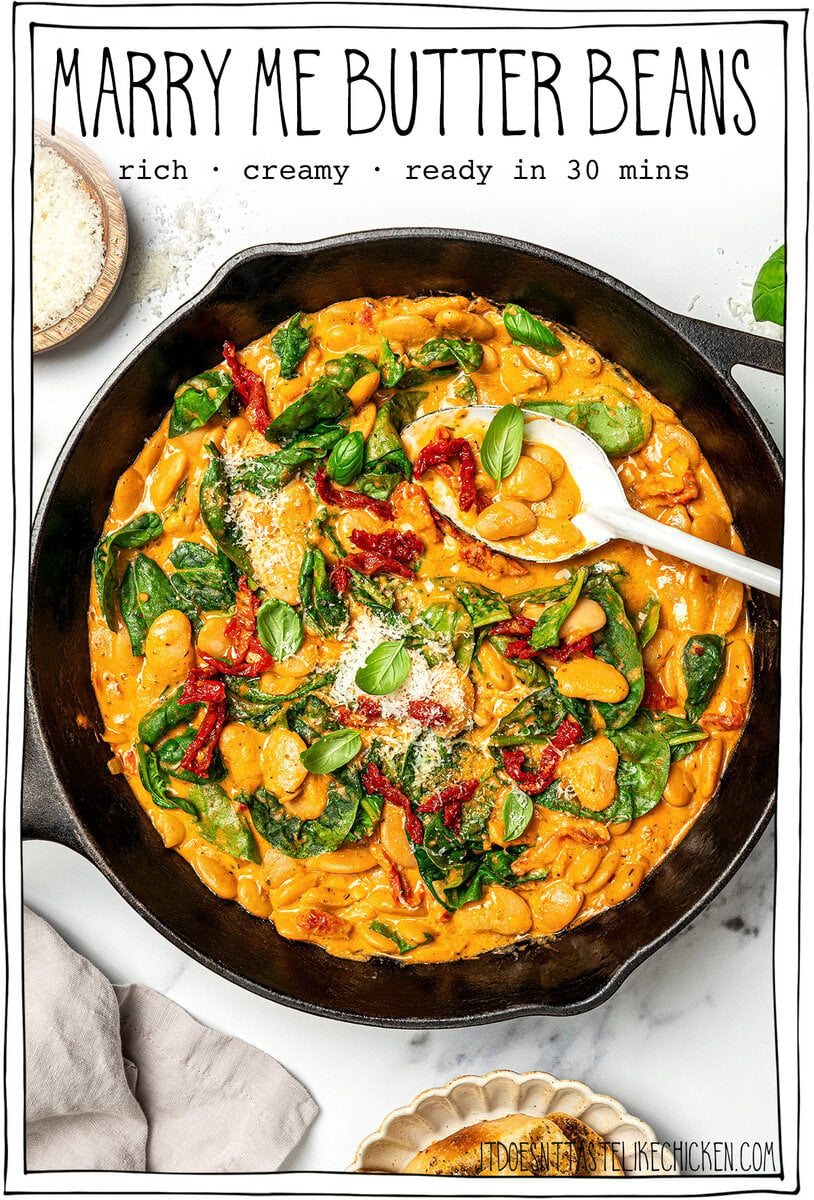
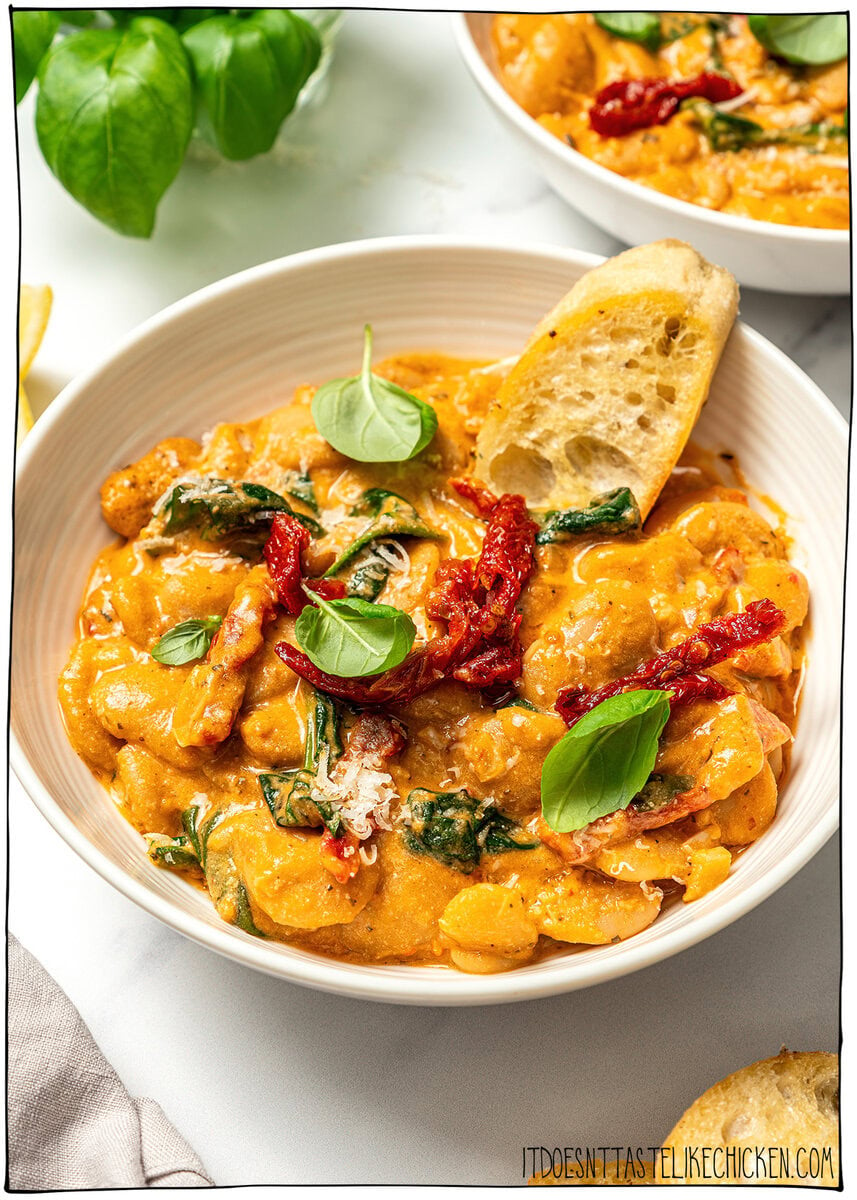
The global culinary landscape has experienced a profound shift toward accessible, plant-based comfort food, culminating in the rapid rise of a viral sensation known colloquially as "Marry Me" recipes. Originating as a chicken dish characterized by a rich sun-dried tomato and garlic cream sauce, the flavor profile has recently been adapted into a vegan format that is capturing the attention of home cooks and professional chefs alike. The latest iteration, Marry Me Butter Beans, transforms humble legumes into a luxurious, restaurant-quality main course that can be prepared in a single pan within thirty minutes.
This adaptation arrives at a time when consumer demand for sustainable, budget-friendly, and nutrient-dense meals is at an all-time high. Driven by inflation and a growing cultural preference for plant-forward dining, home cooks increasingly seek out recipes that utilize pantry staples without sacrificing sophistication or flavor. Butter beans—scientifically known as large lima beans—serve as the ideal vehicle for this culinary trend due to their robust size, velvety interior texture, and exceptional capacity to absorb complex flavor profiles.
The Evolution of the "Marry Me" Flavor Profile
The genesis of the "Marry Me" moniker traces back several years within digital food media, where creators popularized cream-based skillet meals infused with sun-dried tomatoes, garlic, Italian herbs, and parmesan. Anecdotal lore within the food blogging community suggested that the flavor of the dish was so universally appealing that it elicited marriage proposals from fortunate partners.
As dietary preferences evolved to embrace more plant-based and dairy-free options, food developers began experimenting with traditional cream sauces by substituting heavy dairy with vegan alternatives derived from oats, cashews, or coconut. Recipes such as Marry Me Tofu and Marry Me Pasta laid the groundwork for the vegetable-centric movement. The introduction of Marry Me Butter Beans marks the maturation of this trend, moving away from processed meat alternatives and focusing instead on whole foods like legumes and leafy greens.
According to culinary historians and market analysts, the success of such dishes relies on the strategic layering of umami-rich ingredients. Sun-dried tomatoes provide a concentrated sweetness and acidity that cuts through the richness of plant-based cream, while garlic and Italian herbs establish a savory foundation. The incorporation of fresh spinach adds both nutritional value and visual contrast, transforming a simple bean stew into a vibrant, aesthetically pleasing dining experience.
Nutritional Profile and Dietary Implications
From a nutritional standpoint, Marry Me Butter Beans offer a compelling balance of macronutrients and micronutrients that appeal to health-conscious consumers. A standard serving of the dish contains approximately 335 kilocalories, 37 grams of carbohydrates, 14 grams of protein, and 16 grams of fat, predominantly from plant-based sources.
Dietitians frequently highlight legumes as a cornerstone of a healthy diet due to their high fiber content. This specific recipe delivers an impressive 11 grams of dietary fiber per serving, supporting digestive health and promoting prolonged satiety. Furthermore, the inclusion of butter beans contributes significant levels of potassium, iron, and plant-based protein, addressing common nutritional deficiencies often associated with purely plant-based diets.
The versatility of the recipe also accommodates various dietary restrictions. By utilizing unsweetened, unflavored plant-based heavy creams—such as those produced from oat or cashew bases—the dish remains entirely vegan, dairy-free, and cholesterol-free. For consumers managing specific dietary needs, the recipe is naturally gluten-free, provided it is served independently of traditional wheat-based accompaniments like crusty bread or standard pasta.
Chronology of Preparation and Culinary Technique
The preparation of Marry Me Butter Beans is designed for efficiency, aligning with the modern consumer’s demand for weeknight-friendly meals that minimize cleanup. The chronological breakdown of the cooking process demonstrates its accessibility:

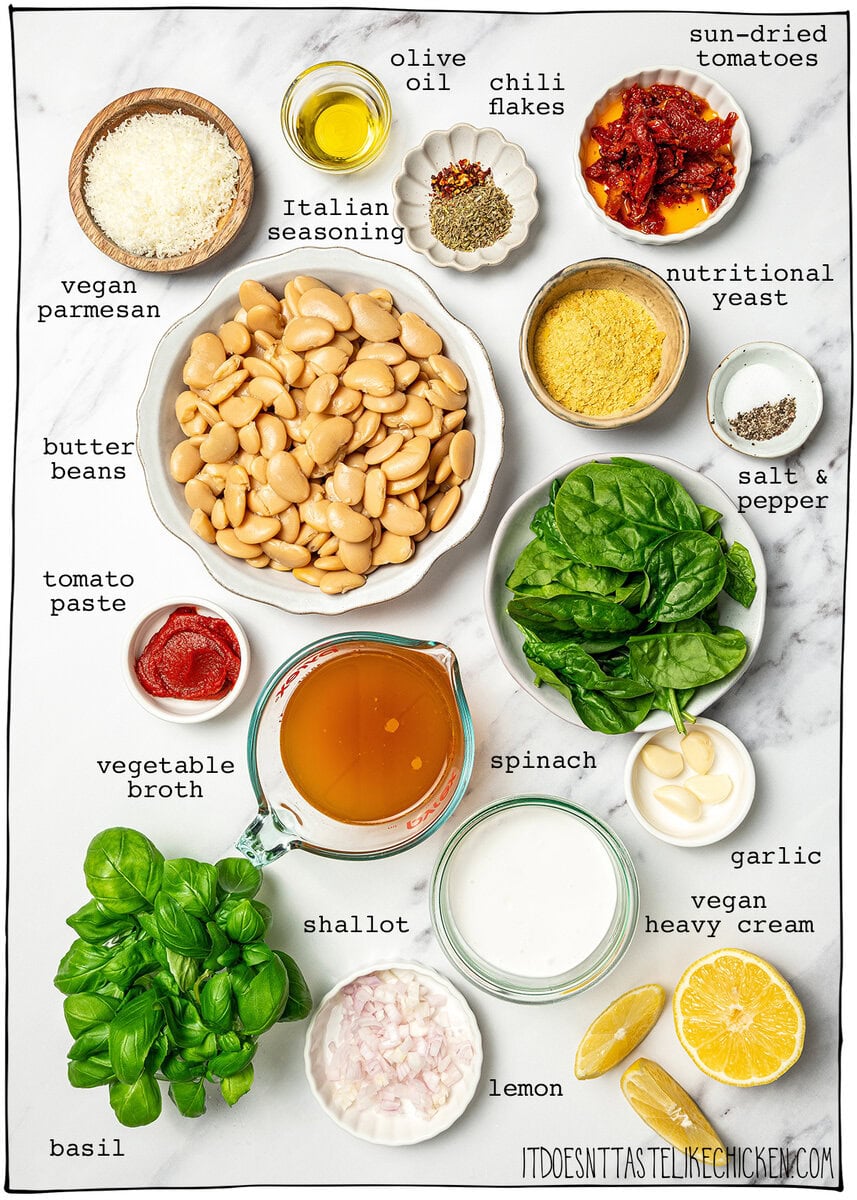
- Preparation Phase (10 minutes): Home cooks gather the core components, which include canned butter beans, shallots, garlic, sun-dried tomatoes, Italian herbs, fresh baby spinach, vegetable broth, and a plant-based heavy cream substitute. Shallots and garlic are finely minced, while sun-dried tomatoes are sliced into manageable strips.
- Sautéing and Aromatics (5 minutes): In a single skillet, shallots and garlic are gently sautéed in olive oil—or vegetable broth for an oil-free variation—until translucent and fragrant. This step is critical for releasing the allium compounds that build the flavor foundation of the sauce.
- Simmering the Sauce (10 minutes): Vegetable broth and the plant-based cream are poured into the skillet alongside the Italian herbs and sun-dried tomatoes. The mixture is brought to a gentle simmer, allowing the liquid to reduce and thicken into a velvety, cohesive sauce.
- Integration and Finishing (5 minutes): Drained and rinsed butter beans are folded directly into the bubbling cream sauce, followed by fresh baby spinach. The ingredients are cooked just long enough for the beans to thoroughly heat through and the spinach to wilt into the vibrant red and white sauce.
This streamlined workflow eliminates the need for multiple pots and pans, significantly reducing post-meal cleanup time while ensuring that the delicate texture of the butter beans remains intact.
Broader Economic and Cultural Impact
The viral spread of Marry Me Butter Beans reflects broader economic and cultural trends shaping contemporary home cooking. With global food prices remaining elevated, consumers are actively seeking economical protein sources that do not compromise on indulgence. Canned legumes represent one of the most cost-effective grocery items available, making gourmet-style dining accessible to a wider demographic.
Furthermore, the popularity of one-pan meals highlights a societal shift toward minimizing food waste and conserving kitchen energy. Culinary experts note that recipes utilizing long-shelf-life pantry staples—such as canned beans and sun-dried tomatoes—empower home cooks to improvise with ingredients they already have on hand, reducing the frequency of grocery trips and curbing household food waste.
Industry observers suggest that the success of plant-based comfort food trends points toward a permanent diversification of mainstream cuisine. Rather than being relegated to niche health-food sectors, plant-based adaptations of classic comfort dishes are increasingly viewed as standard culinary offerings for all consumers, regardless of their dietary philosophy.

Storage, Preservation, and Culinary Adaptability
To maximize convenience, Marry Me Butter Beans are engineered for efficient storage and meal-prep applications. Leftovers can be safely stored in an airtight container within a refrigerator for up to four days. Because plant-based cream sauces can occasionally tighten or separate during refrigeration, reheating requires a gentle touch. Culinary professionals recommend warming the dish slowly on the stovetop or in a microwave, incorporating a minor splash of vegetable broth or unflavored plant-based milk to restore the sauce’s original velvety consistency.
For long-term preservation, the recipe can be frozen for up to two months. While the dairy-free cream sauce may undergo minor textural changes during the thawing process, vigorous stirring during the reheating phase successfully reintegrates the emulsion.
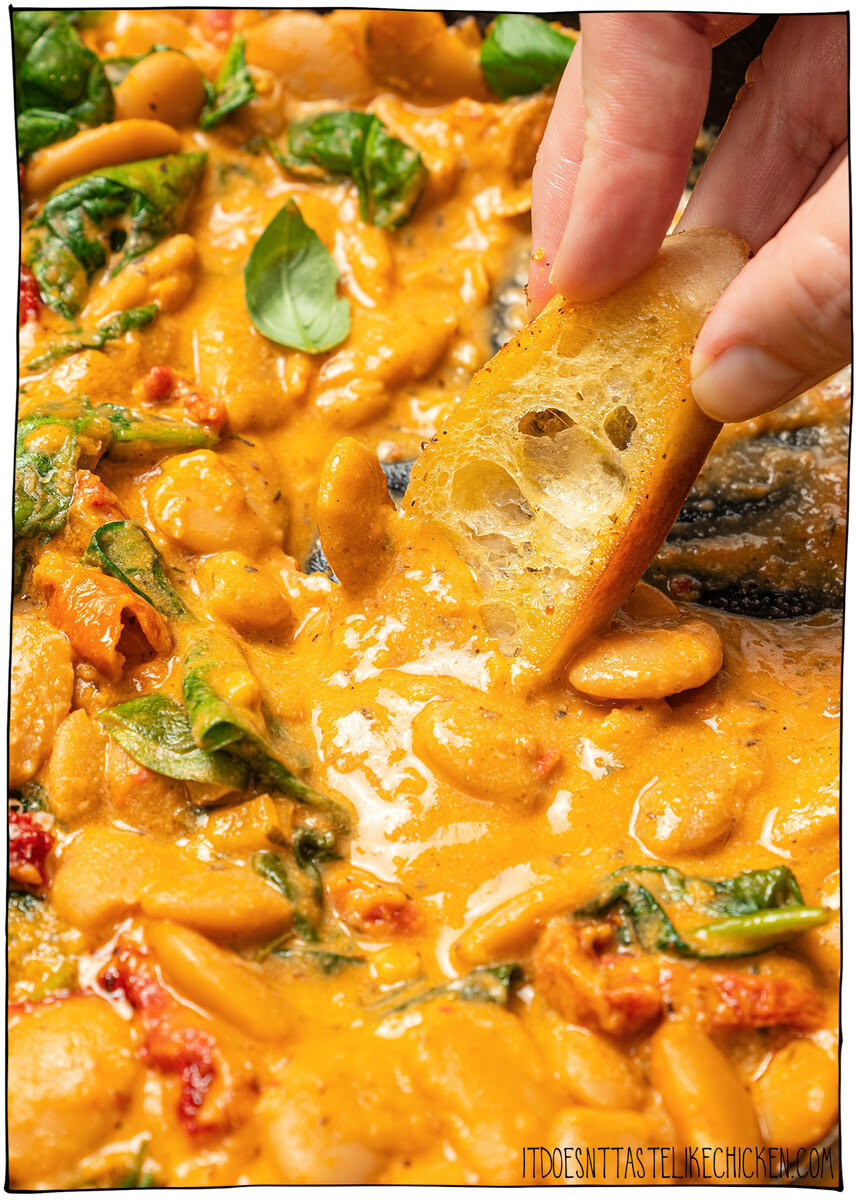
Culinary adaptability remains one of the recipe’s strongest attributes. While traditionally served alongside artisanal crusty bread for dipping, the dish pairs equally well with long-grain rice, roasted root vegetables, or gluten-free pasta varieties. This flexibility ensures that home cooks can easily tailor the meal to suit their specific pantry inventory and personal preferences, solidifying its place as a staple of modern home gastronomy.