An In-Depth Culinary Exploration of Nasi Ulam and Kelantanese Gastronomy at D’Umi Nasi Ulam

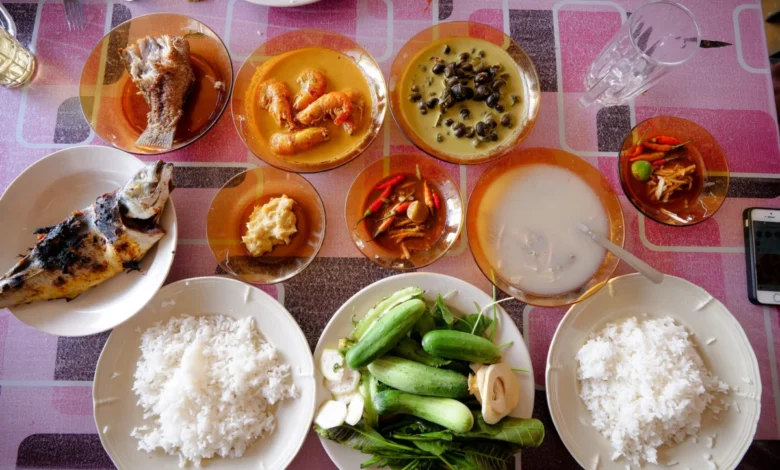
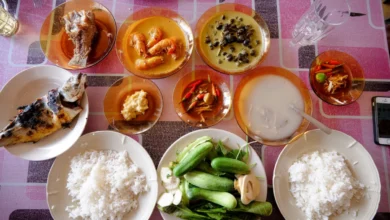
The culinary landscape of Malaysia’s northernmost state of Kelantan offers a distinct gastronomic identity shaped by its geographical proximity to Thailand, coastal access to the South China Sea, and deep-rooted agricultural traditions. Among the region’s diverse culinary offerings, Nasi Ulam—commonly translated as "herb rice"—stands as a foundational dish of Kelantanese cuisine. A comprehensive examination of this regional specialty is best conducted at D’Umi Nasi Ulam, a prominent dining establishment situated near the Malaysian-Thai border. The restaurant provides an authentic showcase of traditional Kelantanese meal structures, characterized by an abundance of fresh raw vegetation, locally sourced seafood, and complex, fermented condiments such as budu and tempoyak.
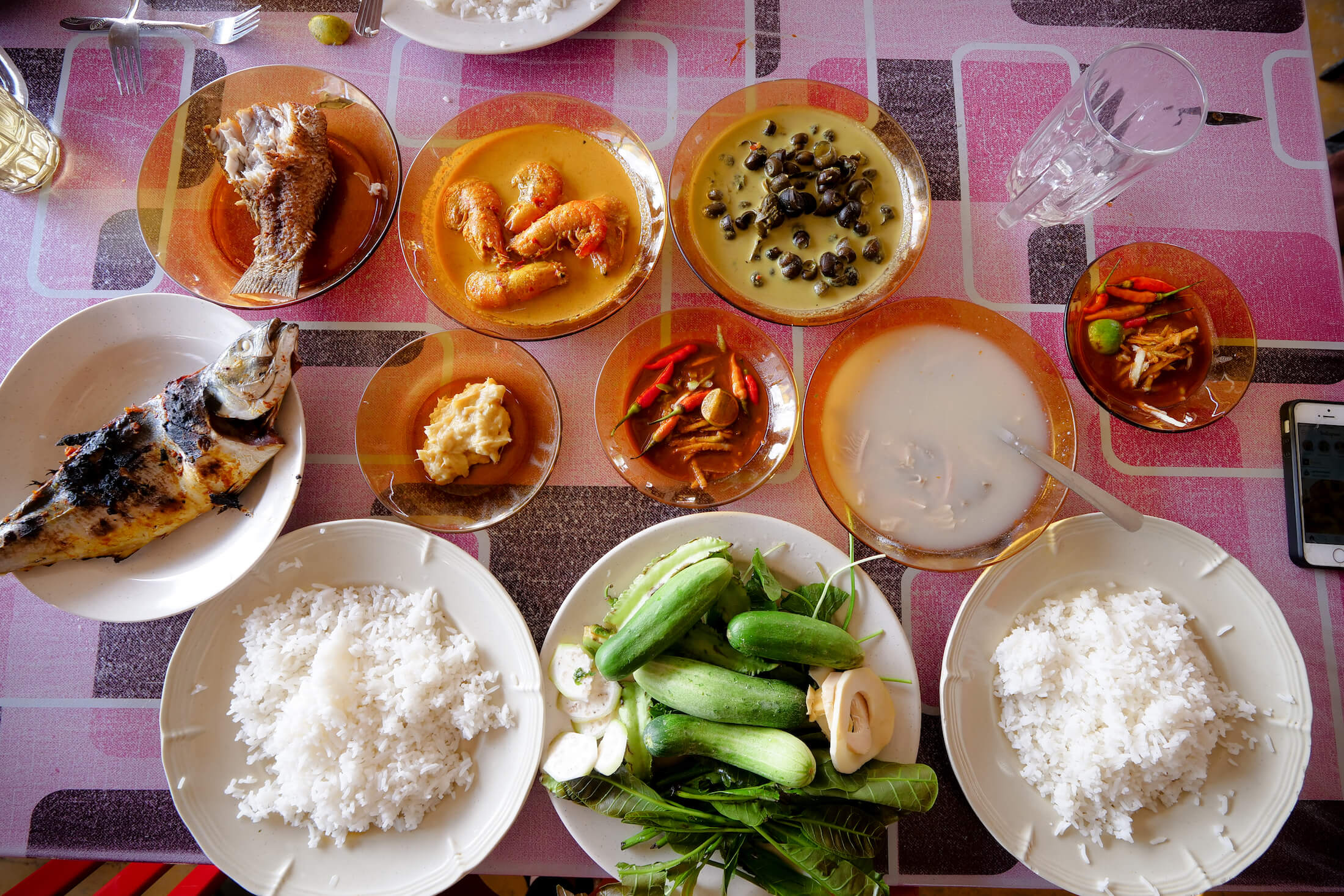
Defining Nasi Ulam: Ingredients and Regional Variations
Nasi Ulam is fundamentally a composite dish consisting of steamed white rice served alongside an assortment of raw herbs, green vegetables, curries, and grilled freshwater or marine fish. While the literal translation suggests a simple mixture of herbs and rice, the reality of a traditional Kelantanese serving involves an extensive array of edible flora harvested from local jungles and gardens.

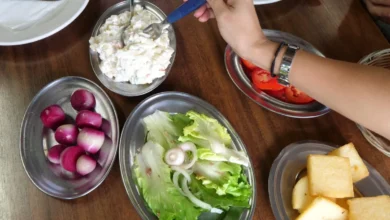
Common botanical accompaniments at establishments like D’Umi Nasi Ulam include jungle pepper (wild pepper leaves), cashew tree leaves, mango tree leaves, Indian pennywort, Vietnamese mint, and betel nut leaves. These ingredients are not merely garnishes; they are consumed in substantial quantities alongside the primary proteins and carbohydrates. The integration of such a diverse pharmacopeia of local greens reflects historical foraging practices and the traditional Malay emphasis on medicinal, functional diets.
Furthermore, Nasi Ulam belongs to a broader lexicon of Malaysian culinary nomenclature characterized by concise, descriptive titles. Similar to dishes such as Nasi Lemak ("fat rice"), Nasi Dagang ("travel rice"), and Nasi Kerabu ("rice salad"), the simplicity of the name belies the intricate preparation and multi-layered flavor profiles required to produce the final meal.

Primary Proteins: Ocean Shrimp, Sea Shells, and Ikan Bakar
The culinary offerings at D’Umi Nasi Ulam extend far beyond herbaceous vegetation, heavily featuring proteins sourced from both local waters and regional recipes.

Ocean shrimp served at the establishment are noted for their considerable size and affordability, attributes made possible by the region’s direct access to maritime trade and coastal fishing fleets. These shrimp are typically prepared in a creamy, orange coconut-based curry that balances natural sweetness with rich, nutty undertones. Culinary tradition dictates pairing these richer crustacean dishes with bitter herbs from the Nasi Ulam selection to counteract the heavy fats of the coconut milk.
Another notable seafood offering is sea shells cooked in a spiced coconut broth. Prepared with the sharp ends of the shells pre-removed to facilitate consumption, this dish highlights the tactile nature of traditional coastal dining. The broth imparts a sustained, warming spice that lingers longer than comparable preparations found in neighboring Indonesian archipelago cuisines.

Grilled fish, locally known as Ikan Bakar, represents a distinct regional variation in Kelantan. Unlike preparations in urban centers like Kuala Lumpur or historical ports like Melaka, chefs at D’Umi Nasi Ulam employ a specific technique where spicy chili sambal is inserted directly inside the cavity of a mature mackerel before grilling. The fish is then resealed and subjected to a secondary round on the grill, a process that infuses the interior flesh with smoke and intensifies the flavor of the chili paste.
The Chemistry and Cultural Significance of Budu and Tempoyak

The defining sensory elements of a Kelantanese meal are its signature condiments: budu and tempoyak. These preparations elevate the meal through intense infusions of salt, umami, and fermentation.
Budu is a traditional liquid condiment produced through the natural fermentation of anchovies and salt, occasionally balanced with palm sugar or tamarind. Nutritionally and culturally analogous to fish sauces found across Southeast Asia, Kelantanese budu possesses a distinct profile that heavily emphasizes salinity and potent marine umami. From a nutritional perspective, budu contains halophilic bacterial cultures resulting from traditional fermentation parameters. These microbial elements align with contemporary global interest in probiotic-rich foods, though the production methods have been practiced in the region for centuries.

Tempoyak, on the other hand, is a fermented durian paste created by preserving the edible flesh of the fruit with salt over a specific period. While consumed independently across parts of Malaysia and Indonesia, the culinary practice in Kelantan frequently involves homogenizing tempoyak directly with liquid budu, whole bird’s eye chilies, and citrus juice. This mixture creates a complex condiment characterized by simultaneous notes of sourness, saltiness, pungent fruit funk, and high-intensity spice.
Operational Dynamics and Accessibility at D’Umi Nasi Ulam

D’Umi Nasi Ulam operates under unique logistical conditions due to its strategic geographical location. Situated near the border crossing between Thailand and peninsular Malaysia, the establishment functions not only as a daytime dining destination for locals and domestic tourists but also as an overnight hub. Because it serves as one of the primary food establishments encountered by long-distance transport drivers and cross-border travelers during night transit, the restaurant maintains extended operating hours, remaining open from 10:00 AM until 5:00 AM daily, with closures observed on Fridays.
Priced accessibly—typically ranging between 15 and 20 Malaysian Ringgit (RM) per person for a comprehensive meal—the restaurant exemplifies the socioeconomic accessibility of traditional regional dining in northern Malaysia. Patrons engage in a self-service selection model, choosing main protein dishes from a central counter before curating their individual plates with raw greens, herbs, and customized portions of budu and tempoyak.

Broader Culinary Implications and Regional Identity
The culinary traditions preserved at D’Umi Nasi Ulam illustrate the broader synthesis of Malay, Siamese, and coastal influences that define Kelantanese culture. While major urban centers in western peninsular Malaysia have seen rapid modernization and culinary fusion, Kelantan maintains a steadfast adherence to ancestral recipes that heavily prioritize fresh foraged ingredients, marine resources, and complex fermentation techniques.

The reliance on indigenous flora, combined with high-protein marine sources and probiotic condiments, highlights a dietary model deeply integrated with the local ecosystem. As domestic and international culinary tourism continues to develop in northern Malaysia, establishments preserving these historical methodologies offer crucial insights into the regional heritage and biodiversity of the Malay Peninsula. Through dishes like Nasi Ulam, accompanied by the sensory intensity of budu and tempoyak, Kelantan maintains a distinct and influential position within the broader tapestry of Southeast Asian gastronomy.