The Cultural and Culinary Significance of Nasi Lemak Tanglin: A Landmark Institution in Kuala Lumpur

Nasi Lemak holds an undisputed status as Malaysia’s national dish, occupying a central role in the culinary heritage of the Malay Archipelago. Spanning from Southern Thailand through the Malaysian peninsula to Singapore, this deceptively simple composition of rice cooked in rich coconut milk and pandan leaf is consumed by tens of millions daily. Among the myriad establishments preparing this iconic meal, Nasi Lemak Tanglin in Kuala Lumpur stands out as a historic culinary institution. Operating since 1948, the stall has weathered decades of urban development and shifting culinary trends, maintaining its reputation as a premier destination for traditional Malaysian breakfast and lunch fare.
Historical Background and Evolution of Nasi Lemak Tanglin
Established in the post-World War II era, Nasi Lemak Tanglin began operations during a period of significant social and economic rebuilding in British Malaya. Founded within the Kompleks Makan Tanglin food complex, the stall was established by Lohana binti Ishak—affectionately known as Mak Tanglin—who began selling the dish from a humble roadside stall before moving into the designated municipal food complex. Over the span of more than seven decades, the business has remained a family-run enterprise, passing down traditional recipes and preparation techniques through generations.
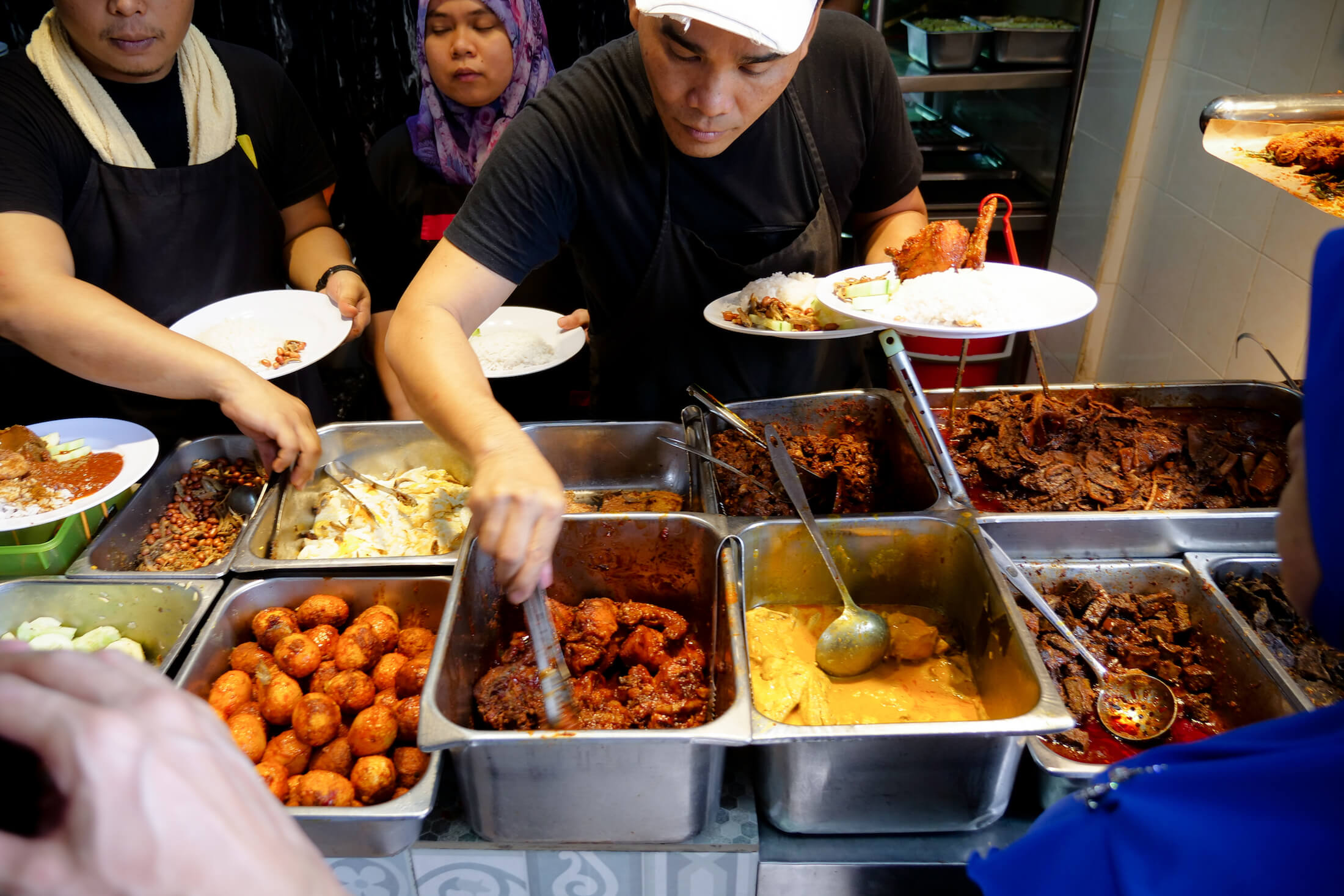
The longevity of Nasi Lemak Tanglin reflects the broader evolution of Kuala Lumpur’s hawker culture. While many early street food vendors faced displacement during the city’s rapid modernization in the late 20th century, established stalls within complexes like Kompleks Makan Tanglin were integrated into municipal planning. This transition allowed historic vendors to preserve their authentic culinary methods while complying with modern health, safety, and sanitation standards established by Kuala Lumpur City Hall (DBKL).
Culinary Anatomy of the Dish
At its core, Nasi Lemak—literally translating to "fat rice"—relies on precise culinary chemistry. The foundation of the dish is white rice simmered in fresh coconut milk, which imparts a creamy texture, and infused with knotted pandan leaves (screwpine leaves) to provide a distinct, floral aroma.
Accompanying the rice are traditional, non-negotiable components designed to balance richness and texture: crunchy roasted peanuts, crisp slices of cucumber, and salted or fried anchovies (ikan bilis) providing a saline crunch. However, the defining element of any Nasi Lemak is the sambal—a chili-based paste whose preparation is notoriously labor-intensive. Authentic sambal requires hours of slow-cooking shallots, garlic, chili paste, and tamarind or belacan (fermented shrimp paste), resulting in a complex flavor profile that is simultaneously spicy, sweet, and tangy. This condiment serves to unify the various components on the plate.

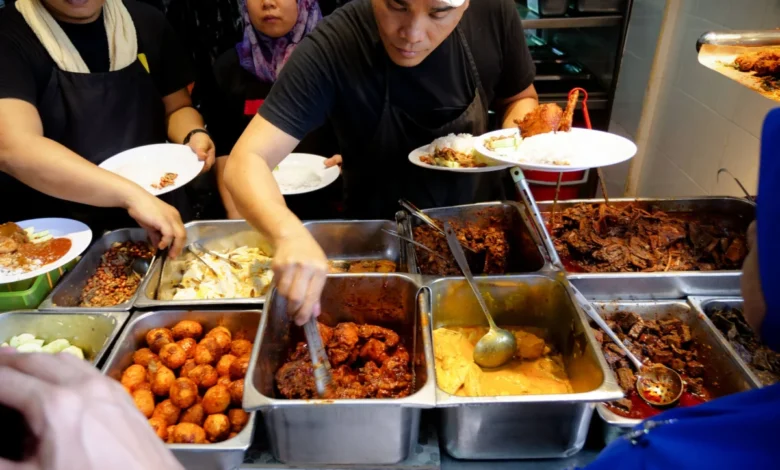
At Nasi Lemak Tanglin, patrons customize their plates by selecting from an extensive array of proteins and curries. Traditional accompaniments include beef rendang (slow-cooked beef in coconut milk and spices), hard-boiled or fried eggs, cockles (kerang), and specialty items such as beef lung (paru) and spleen (kolong) simmered in thick, dark curry sauces.
Operational Dynamics and Daily Demand
Nasi Lemak Tanglin operates daily from 7:00 AM to 1:00 PM, though high demand routinely results in sold-out inventories well before closing time, often by 11:30 AM. The establishment attracts a diverse demographic of local residents, civil servants, and international culinary tourists, particularly during weekday peak hours.
The operational model relies on an assembly-line service counter where patrons queue to receive a standard base of coconut rice before selecting from heated trays of curries and meats. Staff members ladle accompaniments directly onto the plate, and transactions are handled efficiently at the end of the line. This high-volume turnover is supported by the open-air communal seating of Kompleks Makan Tanglin, which accommodates hundreds of diners simultaneously under protective awnings designed to withstand Malaysia’s tropical monsoon rains.

Environmental and Economic Sustainability
In recent years, the management of Nasi Lemak Tanglin has adapted to broader environmental policies enacted by the Malaysian government. While traditional service methods across Southeast Asia frequently utilize folded banana leaves for packaging and serving Nasi Lemak, Tanglin utilizes reusable ceramic and melamine plates.
This operational choice aligns with national initiatives to reduce single-use plastic consumption and curb environmental degradation. Furthermore, relying on durable dishware mitigates the commercial harvesting of banana leaves from protected jungle ecosystems, supporting federal conservation policies aimed at preserving Malaysia’s rainforest biodiversity.
From an economic perspective, Nasi Lemak remains an accessible and egalitarian food option. Base pricing for a standard plate of rice, peanuts, anchovies, cucumber, and sambal starts at approximately 2 Malaysian Ringgit (MYR), with protein additions ranging from 1 to 5 MYR. A comprehensive meal for multiple diners typically averages under 10 MYR per person, making the dish a cornerstone of affordable urban dining in the capital.

Cultural Context and Gastronomic Tourism
Beyond its nutritional and economic functions, Nasi Lemak Tanglin contributes to the cultural fabric of Kuala Lumpur through its integration of local arts and community engagement. The dining complex frequently features live musical performances, including traditional Malay pop genres such as "Pop Yeh Yeh"—a fusion of Western rock and roll and Malay folk music popular during the 1960s. This cultural backdrop enhances the dining experience, transforming a routine midday meal into a celebration of local heritage.
Culinary tourism analysts note that establishments like Nasi Lemak Tanglin play a vital role in Malaysia’s tourism economy. Kuala Lumpur consistently ranks among the top global destinations for street food and localized gastronomy. By maintaining traditional recipes, such as the rich, creamy beef spleen and aromatic rendang curries, historical vendors validate the city’s reputation for culinary authenticity.
Conclusion and Visitor Information

Nasi Lemak Tanglin continues to operate as a vital culinary landmark at Kompleks Makan Tanglin in Kuala Lumpur. Through consistent adherence to traditional preparation methods, efficient daily operations, and adaptation to modern environmental standards, the establishment preserves a foundational aspect of Malaysian culinary history.
Location: Kompleks Makan Tanglin, Jalan Cenderasari, Tasik Perdana, 50480 Kuala Lumpur, Malaysia.
Operating Hours: Open daily from 7:00 AM to 1:00 PM.
Pricing: Base plates start at 2 MYR, with supplementary proteins ranging from 1 to 5 MYR per item.