The Arepa de Choclo stands as a cornerstone of Colombian culinary heritage, representing a centuries-old tradition that bridges the gap between indigenous agricultural practices and modern gastronomic refinement. Originating from the fertile Andean regions of Colombia, this sweet corn cake has evolved from a humble staple of the rural Colombian countryside into a globally recognized symbol of the nation’s diverse food culture. Unlike the more common savory white or yellow corn arepas made from pre-cooked cornmeal, the Arepa de Choclo is distinguished by its use of fresh, tender corn kernels, which impart a natural sweetness and a distinct, soft texture that is highly prized by locals and international visitors alike.
Historical and Cultural Significance
The history of the arepa dates back to the pre-Columbian era, when indigenous groups in the territories now known as Colombia and Venezuela cultivated maize as their primary food source. For these civilizations, corn was more than a commodity; it was a sacred element central to their creation myths and daily survival. As the preparation of corn evolved over the centuries, regional variations emerged, dictated by the available corn varieties and local flavor profiles.
In the Andean regions of Colombia, the abundance of high-quality, sweet corn led to the development of the Choclo variation. The term "choclo" is derived from the Quechua word for tender, young corn. Historically, these cakes were prepared in home kitchens, often passed down through generations as a traditional breakfast item or a hearty afternoon snack. In recent decades, the dish has transitioned into the urban mainstream, appearing on the menus of high-end restaurants in Bogota, Medellin, and Cali, while maintaining a firm hold on its roots as a popular street food sold by vendors in bustling plazas and transit hubs.
The Anatomy of an Arepa de Choclo
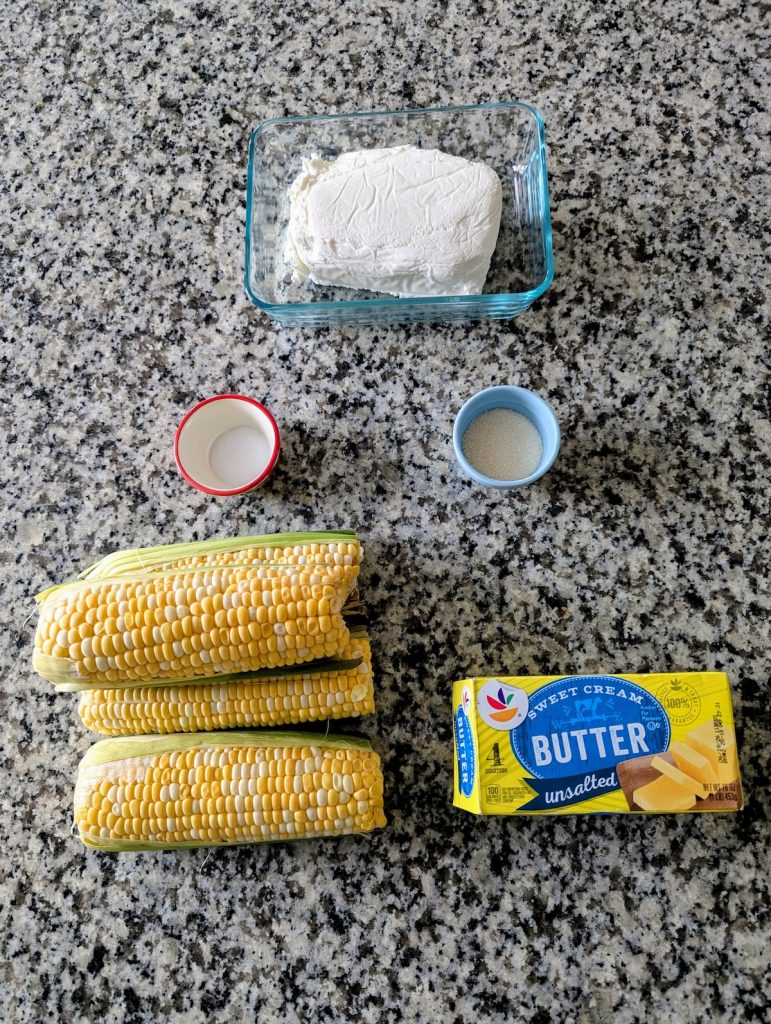
The preparation of a traditional Arepa de Choclo relies on the quality of its primary ingredient: fresh, young corn. Unlike standard arepas that utilize "masarepa" (a processed, pre-cooked corn flour), the Choclo version requires a blend of fresh kernels, a small amount of cornmeal or flour for binding, sugar, butter, and a pinch of salt to create a balance between sweetness and savory richness.
The nutritional profile of the dish reflects its agricultural origins. A standard serving of approximately 243 kilocalories contains a balanced mix of complex carbohydrates and modest protein content. Because the dish is prepared with fresh produce, it provides essential vitamins, including Vitamin A and C, and contributes to dietary fiber intake. While the addition of butter and cheese—typically a mild, fresh variety known as "quesito"—adds to the fat and sodium content, the dish is frequently praised by nutritionists for its reliance on whole-food ingredients rather than heavily processed additives.
Culinary Challenges and Technical Refinement
For professional and amateur chefs alike, the Arepa de Choclo presents a unique technical challenge. Because the batter is composed of fresh, high-moisture corn rather than dry meal, it is inherently delicate. The primary difficulty lies in the structural integrity of the cake during the cooking process.
Industry experts and traditional cooks often suggest a two-stage cooking method to ensure a perfect result. By initiating the cooking process on a pre-heated stovetop skillet and finishing the cakes in an oven, the exterior achieves the desired golden-brown caramelization while the center maintains a soft, moist consistency without the risk of structural collapse. Maintaining the proper heat is critical; if the pan is not sufficiently hot, the delicate batter will stick, whereas excessive heat may burn the natural sugars in the corn before the interior is fully set.
Economic and Social Impact
The proliferation of the Arepa de Choclo has had a measurable impact on the agricultural economy of Colombia. The demand for specific varieties of fresh, tender corn encourages small-scale farming in the Andean departments, supporting rural livelihoods and preserving traditional agricultural techniques. As Colombian cuisine gains momentum on the international stage, the export of related ingredients and the establishment of "areperias" abroad have further solidified the economic footprint of this traditional dish.
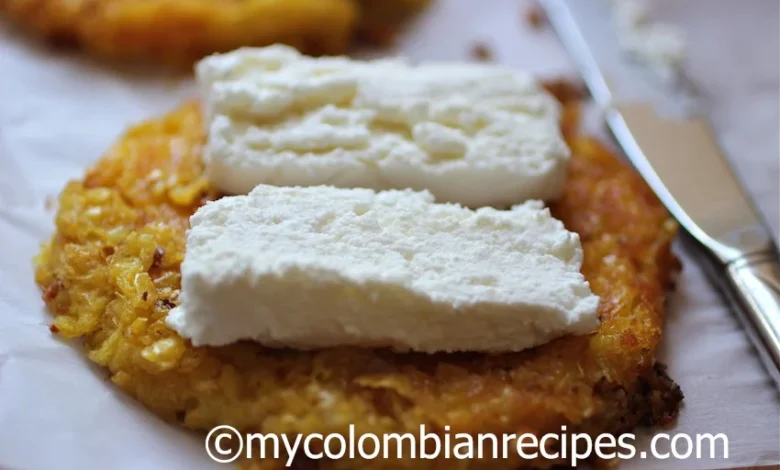
In the United States, the adaptation of the recipe has seen the inclusion of alternatives such as "queso fresco" or mild white cheeses, which replicate the texture and flavor profile of the Colombian quesito. This adaptation reflects a broader trend of "culinary diplomacy," where traditional dishes serve as ambassadors for their country of origin, fostering cultural exchange and tourism.
Regional Variations and Modern Interpretations
While the foundational recipe remains consistent, regional variations continue to influence the preparation of the dish. In some regions, the batter is enhanced with a hint of cream or milk to increase the tenderness, while in others, the thickness of the cake is adjusted to favor a more pancake-like experience.
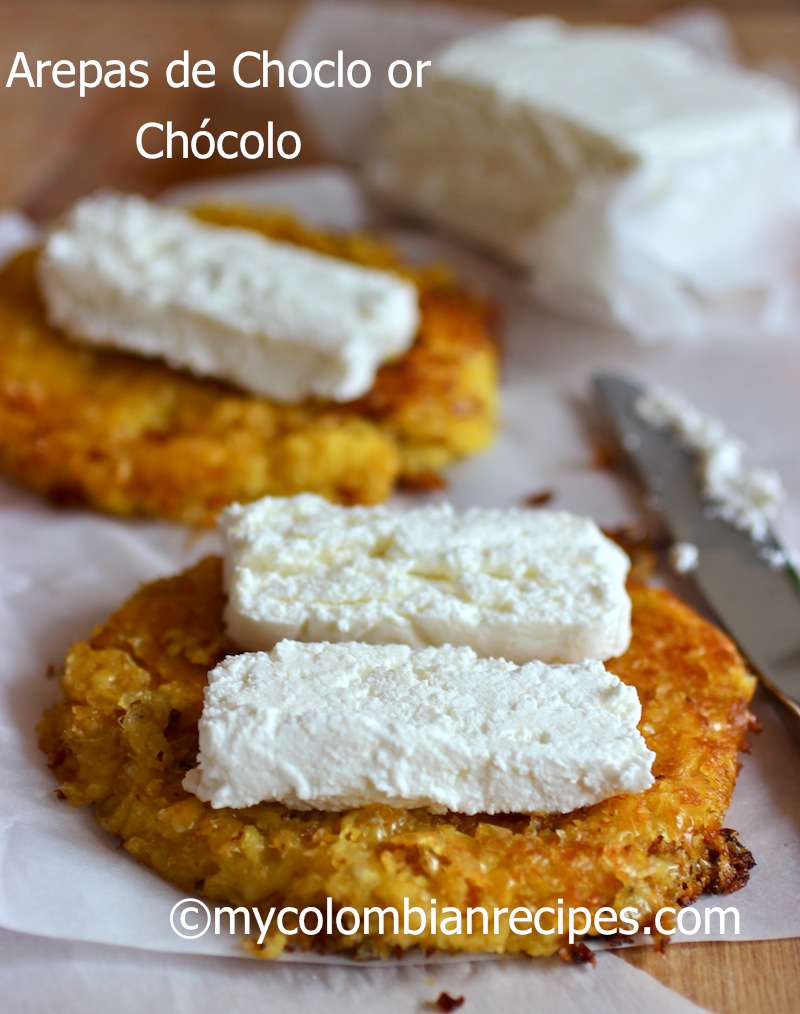
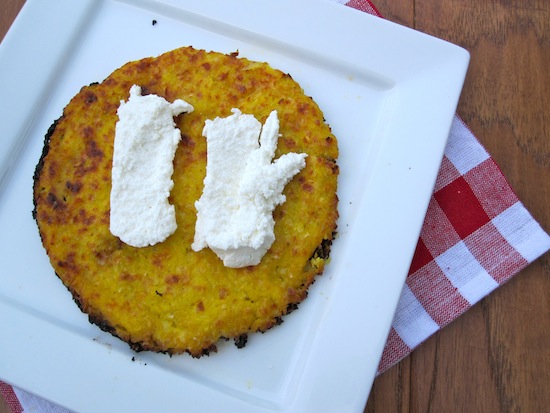
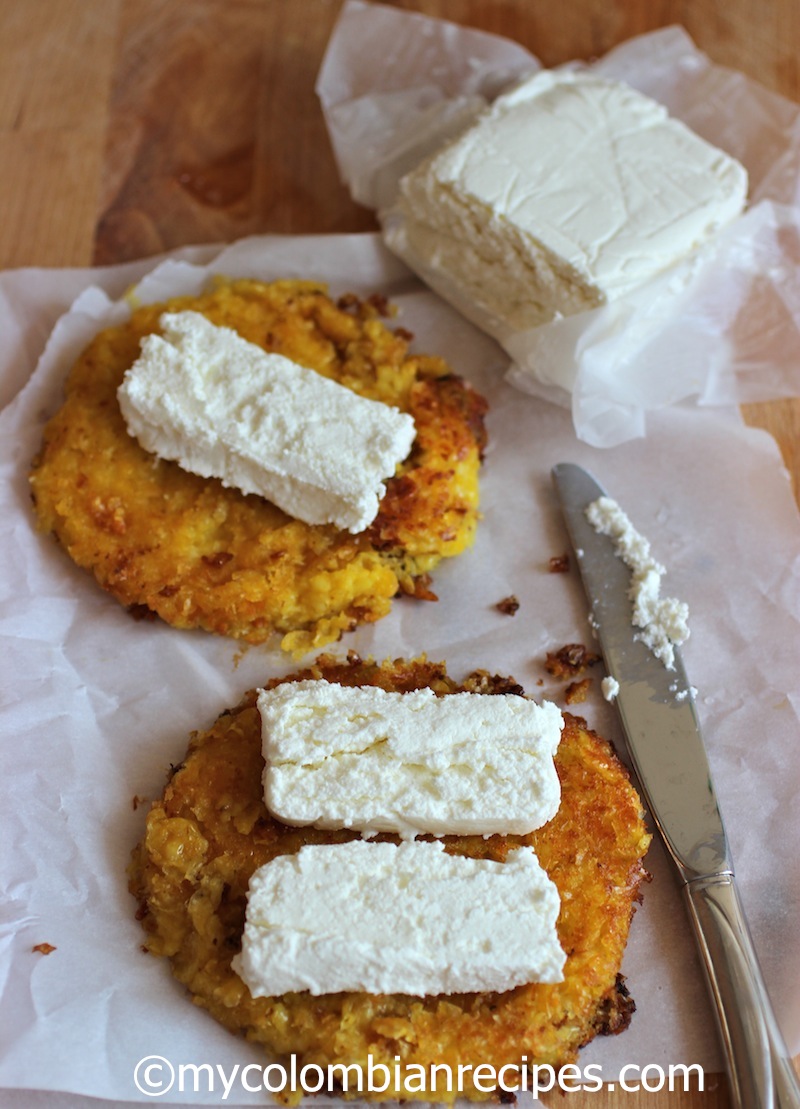
Furthermore, the versatility of the Arepa de Choclo allows it to serve as a canvas for contemporary fusion cuisine. Chefs in international culinary hubs have begun experimenting with savory toppings, including slow-cooked meats, avocado spreads, and even fruit-based salsas, effectively repositioning the breakfast staple as an all-day menu item. Despite these modern interpretations, the core identity of the dish remains tethered to its original, simple preparation: a hot, buttery corn cake topped with fresh, mild cheese, typically accompanied by a steaming cup of Colombian coffee or hot chocolate.
Standardized Preparation Procedures
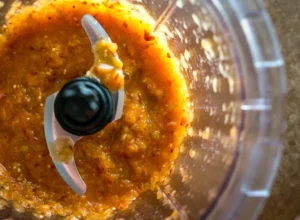
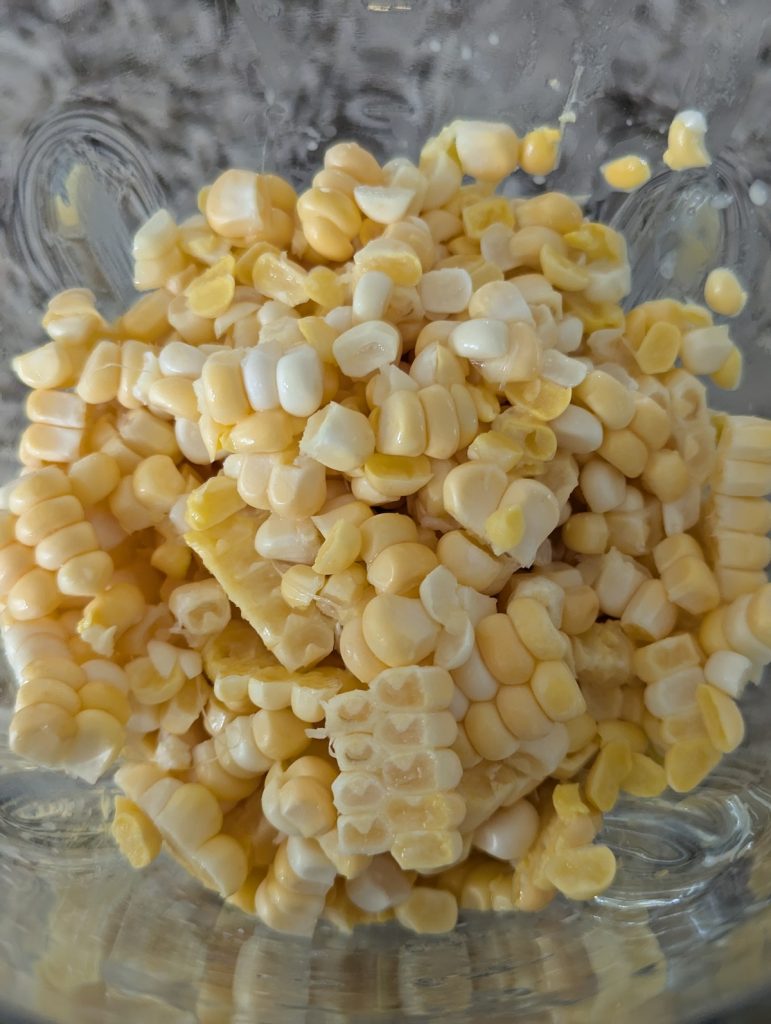
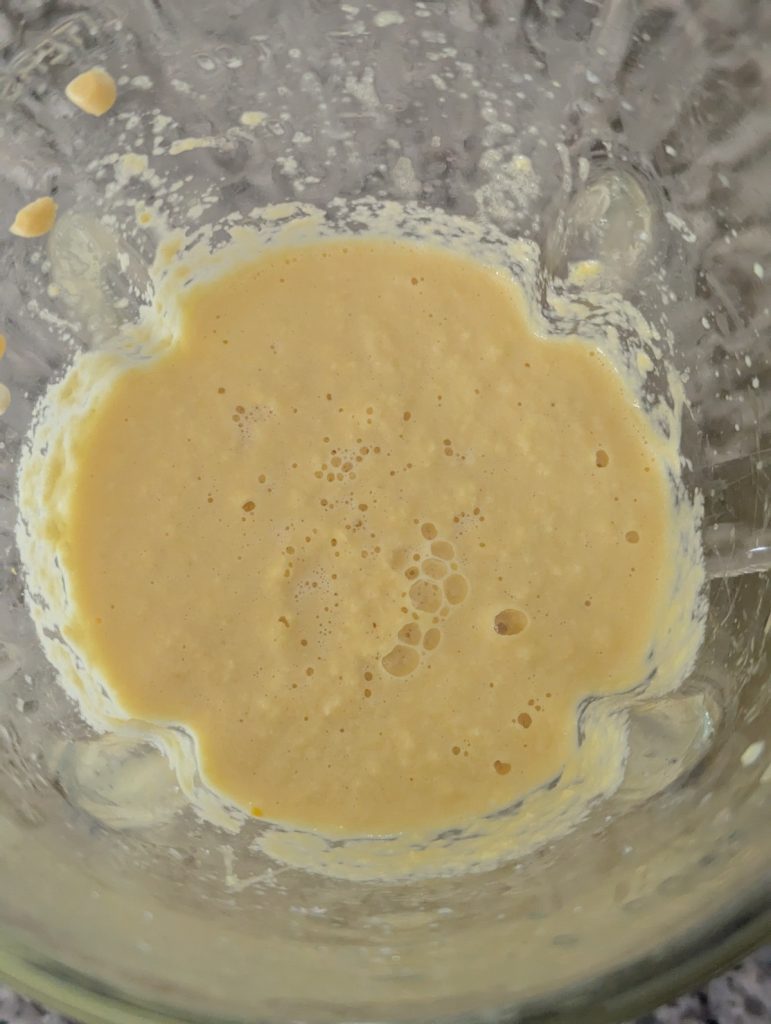
To ensure consistency, professional kitchens adhere to strict protocols when preparing the batter. The corn must be stripped from the cob and blended to a precise consistency—thick enough to hold its shape on a griddle but fluid enough to spread evenly.
- Ingredient Selection: Fresh, firm corn is essential; frozen or canned corn often contains excess moisture or preservatives that alter the flavor profile.
- Batter Consistency: If the batter is too thin, culinary technicians recommend adding a small amount of cornmeal or masarepa to adjust the viscosity without compromising the flavor.
- Heat Management: A consistent temperature of approximately 350°F (175°C) is ideal for the initial sear, followed by a lower temperature finish to ensure the corn is cooked through.
- Service Protocols: The final product is best served immediately. Resting the cakes for a brief period allows the steam to redistribute, preventing the crust from becoming overly soft.
Future Outlook
As global food trends continue to favor "authentic" and "heritage" cooking, the Arepa de Choclo is poised to see increased interest from food historians and consumers alike. The move toward sustainable, farm-to-table dining aligns perfectly with the inherent nature of this dish, which relies on seasonal, fresh ingredients. Organizations focusing on the preservation of Colombian culinary arts are increasingly documenting the specific techniques used by rural families to ensure that, even as the dish evolves in global kitchens, its traditional, artisanal roots remain intact.
The enduring popularity of the Arepa de Choclo is a testament to the resilience of Colombian culinary traditions. By balancing the simplicity of its ingredients with the complexity of its preparation, it remains a beloved icon of a nation that views its food not just as sustenance, but as a central pillar of its social and cultural identity. Whether enjoyed in a high-end restaurant in the heart of Bogota or prepared in a home kitchen abroad, the Arepa de Choclo serves as a reminder of the deep, historic connection between the land and the table.