Culinary Heritage and Practical Gastronomy: How the Javanese-Style Ati Ampela Fried Rice Became a Staple Morning Choice for Indonesian Households

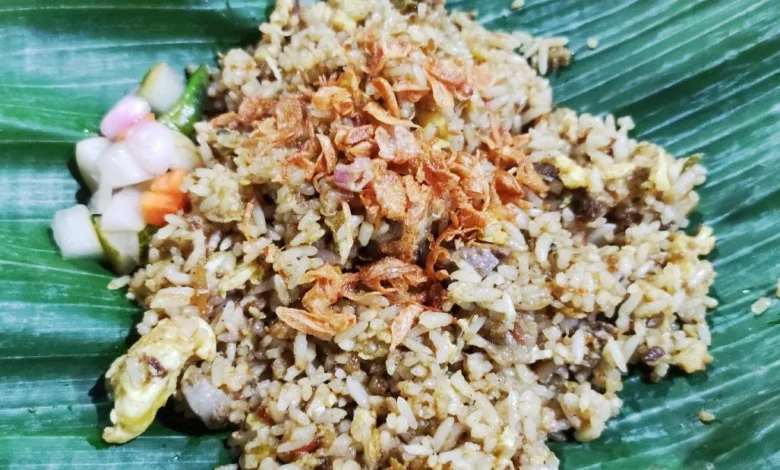
The aroma of freshly ground shallots, garlic, and fermented shrimp paste hitting a smoking-hot wok is a sensory experience deeply embedded in the cultural fabric of Indonesia. Among the countless variations of fried rice that grace dining tables across the archipelago, the Javanese-style fried rice, known locally as nasi goreng Jawa, holds a distinct position. Distinguished by its robust, savory-sweet profile—often described locally as medok—this regional delicacy has transcended its humble origins to become a preferred practical breakfast option for modern households seeking both comfort and nutritional substance.
Recent culinary insights highlight the rising popularity of incorporating protein-rich offal, specifically chicken livers and gizzards (ati ampela), into the traditional morning meal. This combination not only elevates the flavor profile of the dish but also provides a substantial energy boost to start the day. As urban lifestyles demand quicker yet satisfying meal preparation, the Javanese-style fried rice with ati ampela offers a bridge between traditional culinary heritage and modern morning efficiency.
Main Facts and Culinary Profile of Javanese-Style Fried Rice
Nasi goreng is universally recognized as one of Indonesia’s national dishes, yet its regional adaptations vary widely in preparation, spice composition, and visual presentation. While Chinese-style fried rice leans toward a lighter, savory flavor achieved through soy sauce and scallions, and Acehnese variants utilize a heavy curry-like spice paste, the Javanese iteration is characterized by its earthy, deep-red spice paste and generous application of sweet soy sauce (kecap manis).
The core of the Javanese-style fried rice lies in its bumbu halus, or fine spice paste. Traditionally ground using a stone mortar and pestle—a method culinary experts argue releases essential oils more effectively than mechanical blenders—the paste consists of red curly chilies, bird’s eye chilies for an optional kick, shallots, garlic, candlenut, and fried shrimp paste (terasi). The inclusion of candlenut provides a natural thickness and creaminess to the paste, while the terasi delivers the unmistakable umami depth that defines Javanese cooking.
When combined with pre-cooked white rice—ideally day-old rice that has been chilled to reduce moisture content—the spices caramelize upon contact with the hot oil and the high heat of the wok. The addition of sliced cabbage, mustard greens (sawi manis), and a beaten egg creates a balanced meal containing carbohydrates, proteins, and essential micronutrients. The inclusion of pre-fried ati ampela introduces a contrasting texture: a slightly crispy exterior yielding to a tender interior, perfectly complementing the soft grains of rice.
Chronology and Evolution of Indonesian Breakfast Culture
The evolution of breakfast culture in Indonesia has shifted significantly over the past several decades. Historically, morning meals in agrarian Javanese societies consisted of leftover rice from the previous evening’s dinner, quickly repurposed with basic aromatics and whatever protein or vegetables were readily available. This practice of zero-waste cooking laid the foundation for what would eventually be commercialized by street vendors (pedagang kaki lima) across urban centers.
During the mid-to-late 20th century, street vendors popularized the nocturnal consumption of nasi goreng, often pushed in wooden carts through residential neighborhoods late into the evening. However, as urbanization accelerated and work schedules transformed, families began adapting these flavor profiles for the morning meal. The transition of nasi goreng from a late-night street food to a morning breakfast staple was driven by the need for speed and nutritional density.
By the early 2000s, home-cooking television segments and culinary print media began standardizing regional recipes, allowing home cooks to replicate the distinct medok flavor of street-side vendors in their own domestic kitchens. The specific integration of protein variants like ati ampela into morning preparations gained traction as households sought affordable, high-protein alternatives to beef and poultry breast, capitalizing on the rich iron and vitamin content found in organ meats.
Nutritional Analysis and Economic Implications
From a nutritional standpoint, the integration of ati ampela into a carbohydrate-dense dish like fried rice offers specific dietary advantages, albeit with considerations regarding moderation. Chicken liver is exceptionally rich in vitamin A, vitamin B12, iron, and high-quality protein. These nutrients are vital for maintaining optimal immune function, red blood cell production, and cognitive health, making the meal particularly beneficial for growing children and physically active adults.
However, health professionals and nutritionists emphasize the importance of balance, noting that organ meats are also high in dietary cholesterol. Consequently, standard home-cooking recipes typically balance the inclusion of rich proteins with generous portions of fibrous vegetables, such as white cabbage and mustard greens, alongside fresh accompaniments like cucumber slices, tomatoes, and pickled vegetables (acar).
Economically, the preparation of Javanese-style fried rice with ati ampela remains highly accessible. The ingredients required for the spice paste—shallots, garlic, chilies, and basic condiments—are pantry staples in Indonesian households. Furthermore, utilization of leftover rice minimizes household food waste, aligning with broader national sustainability initiatives aimed at reducing food loss at the consumer level. The affordability of chicken offal compared to prime cuts of meat ensures that lower- and middle-income families can maintain a protein-rich diet without financial strain.
Comprehensive Recipe and Step-by-Step Preparation Guide
For culinary enthusiasts and home cooks aiming to recreate the authentic Javanese-style fried rice with ati ampela, precision in ingredient preparation and heat management is paramount. The following standardized recipe yields a flavorful, balanced breakfast for a standard household.
Ingredients List:
- 5 tablespoons cooking oil
- 1 stalk scallion (daun bawang), roughly sliced
- 2 pieces chicken liver and gizzard (ati ampela), boiled, pre-fried, and roughly sliced
- 400 grams cold white rice (preferably day-old and refrigerated)
- 1 chicken egg, beaten
- 2 leaves white cabbage (kol), roughly sliced
- 3 stalks mustard greens (sawi manis), roughly sliced
- 4 tablespoons sweet soy sauce (kecap manis)
- 1 tablespoon powdered chicken stock
- 1/2 teaspoon ground white pepper
Fine Spice Paste (Bumbu Halus):
- 7 red curly chilies (cabe merah keriting)
- 5 bird’s eye red chilies (cabe rawit merah), adjustable to taste
- 5 shallots
- 3 cloves garlic
- 1 candlenut (kemiri), toasted or fried
- 1 teaspoon fried shrimp paste (terasi)
- 2 teaspoons salt
Complementary Accompaniments:
- Pickles (acar)
- Traditional crackers (kerupuk)
- Sliced tomatoes and cucumbers
- Crispy fried shallots (bawang goreng)
Methodology and Cooking Instructions:
-
Preparation of Aromatics: Ensure all ingredients for the fine spice paste are thoroughly washed and prepped. Using a traditional stone mortar or a food processor, grind the red curly chilies, bird’s eye chilies, shallots, garlic, candlenut, shrimp paste, and salt until a smooth, homogenous paste is achieved.
-
Initial Searing and Wok Management: Heat the cooking oil in a seasoned wok or deep skillet over medium-high heat. Introduce the fine spice paste, stirring continuously to prevent burning, until the mixture darkens slightly, releases its natural oils, and emits a rich, aromatic fragrance.
-
Integration of Proteins and Greens: Add the sliced scallions and the pre-fried, roughly chopped ati ampela directly into the bubbling spice mixture. Toss thoroughly to ensure the protein absorbs the foundational flavors of the aromatics. Immediately follow with the sliced mustard greens and cabbage, stirring briskly for approximately one to two minutes until the vegetables soften and retain a vibrant color.
-
Incorporation of Carbohydrates and Seasoning: Lower the heat slightly before introducing the cold white rice, breaking up any clumps with a spatula. Pour the beaten egg directly over the rice mixture, allowing it to set briefly before mixing it evenly throughout the grains. Drizzle the sweet soy sauce, powdered chicken stock, and ground white pepper evenly across the surface.
-
High-Heat Finishing: Increase the heat to maximum, tossing the contents of the wok vigorously. This step, known in professional kitchens as imparting the wok hei (breath of the wok), ensures that the moisture evaporates, the sweet soy sauce caramelizes correctly, and all components are thoroughly integrated.
-
Final Presentation: Once the rice is evenly coated, steaming hot, and displaying a deep golden-brown hue, remove from heat. Serve immediately on a flat plate, garnished generously with crispy fried shallots, accompanied by fresh cucumber and tomato slices, traditional crackers, and a side of sharp pickled vegetables.
Broader Industry Perspective and Future Trends
The enduring appeal of dishes like Javanese-style fried rice reflects broader trends in contemporary Indonesian gastronomy. Despite the proliferation of international fast-food chains and modern culinary concepts, traditional comfort foods continue to anchor the nation’s culinary identity. Food researchers note that traditional breakfast preparations are increasingly being embraced not only in domestic settings but also within the hospitality sector, including boutique hotels and local cafes aiming to offer authentic cultural experiences to travelers.
Furthermore, culinary preservation efforts are gaining momentum across digital platforms. Food bloggers, culinary historians, and government bodies actively promote traditional recipes to younger generations, ensuring that foundational techniques—such as manual spice grinding and wok manipulation—are not lost to industrial convenience.
As urban workforces continue to navigate fast-paced environments, the demand for quick, flavorful, and nutritionally complete meals will remain robust. The adaptation of traditional Javanese fried rice with nutrient-dense additions like ati ampela exemplifies the resilience and adaptability of Indonesian cuisine, proving that heritage recipes can successfully evolve to meet the practical demands of modern daily life without compromising their authentic soul.