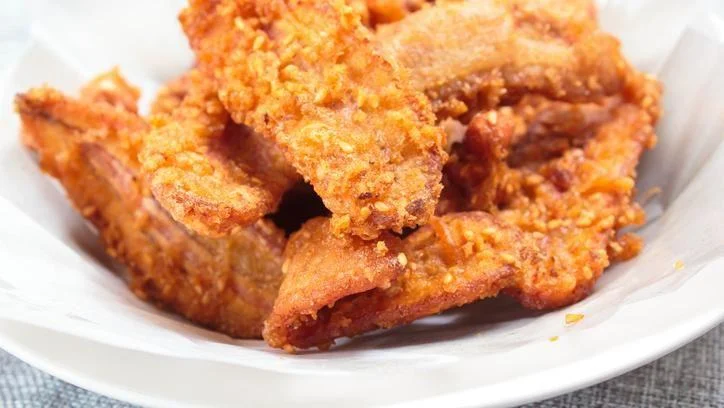
The culinary landscape of Southeast Asia has long celebrated the banana as a versatile staple, capable of transitioning from a raw agricultural harvest into a myriad of sophisticated comfort foods. Among these, the humble banana fritter—universally known in Indonesia as pisang goreng—holds a legendary status. Traditionally enjoyed as a morning or afternoon accompaniment to robust local coffee or tea, this ubiquitous street food and household snack has undergone a significant gastronomic evolution. Modern home cooks and culinary professionals alike are increasingly experimenting with innovative flavor profiles, elevating the classic deep-fried treat by incorporating ingredients such as natural honey, aromatic white sesame seeds, and fragrant screwpine leaves, commonly known as pandan.
Culinary historians and cultural anthropologists note that deep-fried plantains and bananas have deep roots in the archipelago’s dietary heritage, influenced heavily by centuries of trade, agricultural abundance, and the natural adaptability of tropical fruit. The introduction of frying techniques, likely catalyzed by early maritime trade and the subsequent availability of cooking oils, transformed basic sustenance into an art form. Over the decades, pisang goreng transitioned from a simple rural method of utilizing overripe or densely textured plantains into an iconic national snack that bridges generations and socioeconomic divides. In recent years, global food rankings have frequently cast a spotlight on this crispy delicacy, cementing its status not merely as local street fare, but as a culinary masterpiece worthy of international recognition.
Selecting the appropriate cultivar is the foundational step in achieving the ideal textural contrast—a crispy, golden exterior encapsulating a tender, naturally sweet interior. Culinary experts consistently recommend dense, starchy, and firm banana varieties that maintain their structural integrity under high heat without turning excessively mushy. Prominent among these are Pisang Kepok, characterized by its flattened shape and dense flesh; Pisang Tanduk, known for its impressive size and substantial texture; Pisang Uli, favored for its sweetness and pliability; and Pisang Raja, celebrated for its distinct, aromatic fragrance. Utilizing these specific cultivars ensures that the natural sugars within the fruit caramelize evenly without breaking down prematurely during the frying process.
To provide home cooks and culinary enthusiasts with actionable, detailed methodologies for upgrading their snack repertoire, three distinct recipes have been meticulously curated. These recipes range from honey-infused variations reminiscent of upscale dining establishments to sesame-crusted formulations and Thai-inspired pandan-infused preparations.
Recipe One: Honey-Glazed Banana Fritters (Pisang Goreng Madu)
Honey-infused banana fritters represent a popular upscale adaptation frequently featured in contemporary Indonesian cafes and restaurants. This specific preparation relies on the delicate balance between the deep, caramelized notes of authentic honey and the subtle savory undertones of the batter, creating a sophisticated flavor profile that appeals to modern palates.
Ingredients Required:
- 3 firm Pisang Raja, sliced according to preference (either in uniform rounds or elongated lengthwise pieces)
- 5 tablespoons of authentic, pure honey
- 100 grams of all-purpose flour
- 1 tablespoon of rice flour for added crispness
- 2 tablespoons of granulated white sugar
- 1/2 teaspoon of fine sea salt
- Filtered water, measured as needed to achieve a smooth consistency
- High-smoke-point cooking oil, sufficient for deep frying
Step-by-Step Preparation Method:
- Begin by carefully peeling the selected bananas and slicing them uniformly. Ensuring consistent thickness is vital to guarantee even cooking times across all pieces.
- Prepare the batter by combining the all-purpose flour, rice flour, granulated sugar, and fine sea salt in a mixing bowl.
- Gradually incorporate the pure honey and filtered water into the dry mixture, whisking continuously until a smooth, moderately thick batter is formed without any lumps.
- Heat a generous amount of cooking oil in a deep frying pan or wok over medium-high heat. The oil must reach an optimal temperature to ensure the batter sets instantly upon contact, preventing excessive oil absorption.
- Dip the banana slices into the honey batter, ensuring each piece is thoroughly coated, and gently slide them into the hot oil.
- Fry the pieces until they achieve a deep, rich golden-brown coloration, turning occasionally to ensure even crisping.
- Remove the fritters using a slotted spoon, drain excess oil on a wire rack or paper towels, and serve immediately while warm to preserve the crisp exterior texture.
Recipe Two: Sesame-Crusted Crispy Banana Fritters (Pisang Goreng Wijen)
For individuals seeking an enhanced nutty aroma and a pronounced crunch, the integration of white sesame seeds offers an exceptional sensory dimension. This variant typically utilizes robust varieties such as Pisang Kepok or Pisang Uli, which provide a sturdy foundation capable of supporting a heavily textured crust.
Ingredients Required:
- 6 firm Pisang Kepok or Pisang Uli (alternatively, Pisang Tanduk can be substituted)
- 50 grams of unhulled white sesame seeds
- Cooking oil for deep frying
Dry and Wet Batter Components:
- 150 grams of quality rice flour
- 4 tablespoons of tapioca starch (kanji) for enhanced elasticity and crunch
- 2 tablespoons of granulated white sugar
- 1/2 teaspoon of fine sea salt
- 1 teaspoon of baking powder to lighten the crust structure
- 250 milliliters of ice-cold water
Step-by-Step Preparation Method:
- Peel the chosen bananas and slice each fruit lengthwise into two or three manageable sections, depending on its initial size.
- In a large mixing bowl, whisk together the rice flour, tapioca starch, granulated sugar, fine sea salt, and baking powder.
- Slowly pour in the ice-cold water while stirring vigorously to create a uniform, smooth batter. The use of cold water is a culinary secret that thermal-shocks the batter upon hitting hot oil, resulting in an exceptionally airy and crisp shell.
- Stir the white sesame seeds directly into the prepared batter, ensuring they are evenly distributed throughout the mixture.
- Submerge the banana slices into the sesame-infused batter, making sure a thick layer adheres to every surface of the fruit.
- Heat cooking oil in a heavy-bottomed skillet over medium heat. Introduce the coated banana pieces carefully to avoid overcrowding the pan.
- Fry until the crust turns a crisp, dry golden-brown. Drain thoroughly and serve hot to fully appreciate the nutty fragrance imparted by the toasted sesame seeds.
Recipe Three: Thai-Inspired Pandan Banana Fritters (Pisang Goreng Pandan)
Drawing inspiration from regional Southeast Asian culinary traditions, particularly those found in Thailand, this variation incorporates fresh screwpine leaves directly into the frying process. Rather than utilizing an artificial extract or liquid flavoring, actual leaves are fried alongside the battered fruit, releasing natural essential oils that permeate both the crispy exterior and the soft interior.
Ingredients Required:
- 1 comb (sisir) of Pisang Kepok, peeled and sliced longitudinally into 2 to 3 sections
- 4 to 5 fresh screwpine (pandan) leaves, thoroughly washed and cut into manageable lengths
- Cooking oil for frying
Batter Formulation:
- 200 grams of all-purpose flour
- 100 grams of rice flour
- 1 teaspoon of baking soda
- 1/2 teaspoon of vanilla powder
- 1/2 teaspoon of fine sea salt
- 2 tablespoons of white sesame seeds
- 400 milliliters of iced water
Step-by-Step Preparation Method:
- Prepare the bananas by peeling and slicing them appropriately, setting them aside in a clean container.
- Combine the all-purpose flour, rice flour, baking soda, vanilla powder, fine sea salt, and white sesame seeds in a spacious bowl.
- Gradually whisk in the iced water until a smooth, homogeneous batter is achieved.
- Heat cooking oil in a deep frying vessel over medium heat.
- Dip the banana segments into the batter to ensure complete coverage, then place them into the hot oil.
- Simultaneously, scatter the cut pandan leaves directly into the frying oil surrounding the bananas. As the leaves fry, they release aromatic compounds that infuse the oil and impart a distinct, sweet, herbaceous fragrance to the entire batch.
- Continue frying until the batter turns a brilliant golden-yellow and achieves maximum crispness.
- Retrieve the fritters and pandan leaves from the oil, drain excess fat, and present immediately while piping hot.
Nutritional and Economic Implications of Culinary Innovation
The continuous reinvention of traditional snacks like pisang goreng carries notable implications for both the domestic culinary economy and the broader small-and-medium enterprise (SME) sector. As consumer preferences shift toward premium, artisanal food experiences, street vendors and home-based culinary entrepreneurs are presented with lucrative opportunities to reposition traditional products at higher price points. By integrating quality-enhancing elements such as organic honey, imported or select-grade sesame seeds, and aromatic botanicals like pandan, food purveyors can effectively differentiate their offerings in an increasingly competitive marketplace.
Furthermore, food scientists and nutritionists often analyze the biochemical changes that occur during the high-heat frying of starchy fruits. While deep frying inherently increases the caloric density of the final product due to oil absorption, the choice of batter ingredients—such as the inclusion of rice flour and tapioca starch—can significantly minimize moisture retention and reduce excessive grease penetration if executed at precise temperatures. The incorporation of agents like baking powder and baking soda further aids in carbon dioxide release during cooking, creating microscopic air pockets that lighten the structural matrix of the crust.
As culinary tourism continues to gain momentum across the region, dishes that successfully merge traditional heritage with innovative flavor twists serve as vital cultural ambassadors. Whether prepared in a modest household kitchen or served within modern hospitality venues, these elevated iterations of pisang goreng demonstrate the remarkable adaptability of Southeast Asian gastronomy, ensuring that ancestral culinary traditions remain vibrant, relevant, and endlessly appealing to contemporary global audiences.
Related posts: