The Mythical Chardonnay of Le Mesnil-sur-Oger: An Analysis of Champagne’s Most Revered Terroir

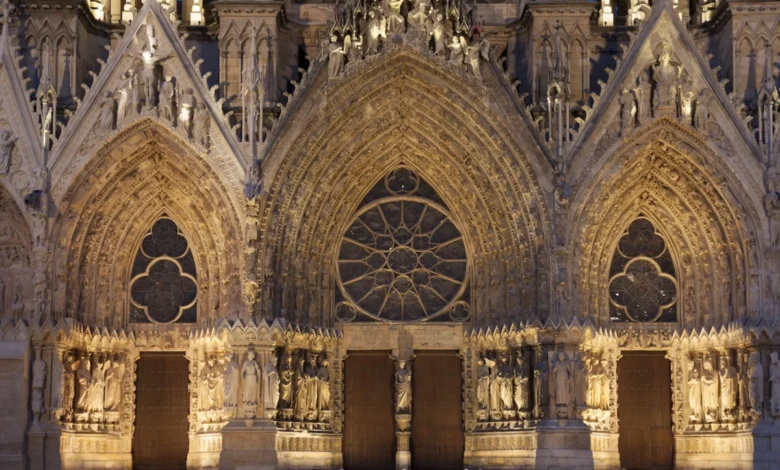
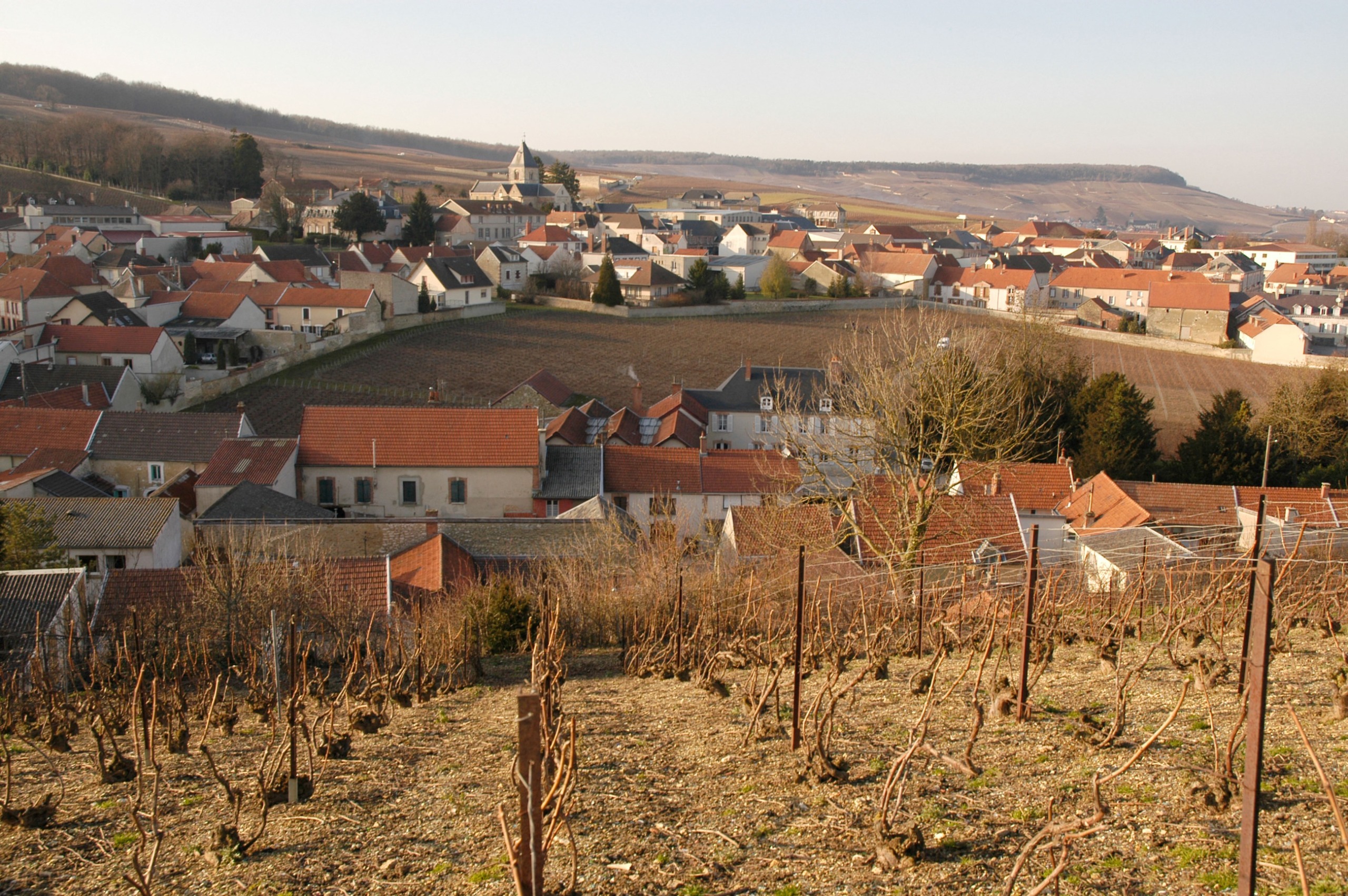
In the sprawling, complex landscape of Champagne, where marketing dominance often centers on storied houses and their signature blends, it is rare for a specific village or vineyard to command the level of reverence afforded to Le Mesnil-sur-Oger. Located in the heart of the Côte des Blancs, just south of Épernay, this village has transcended the typical hierarchy of the region to become a global byword for Chardonnay excellence. While Champagne is often perceived through the lens of its famous labels, the true connoisseur understands that the soul of the region lies in its geology—specifically the chalk-rich soils that define the character of Le Mesnil.
The prestige of Le Mesnil-sur-Oger is not merely a product of recent marketing trends; it is a historical accumulation of viticultural success. For decades, the Chardonnay grown here has been recognized for its bracing acidity, profound mineral intensity, and an architectural structure that allows for exceptional longevity. Unlike the more approachable, fruit-forward expressions found in neighboring villages, Le Mesnil’s output is often characterized by a "tightness" or "inwardness" in its youth, a hallmark of the deep, pure chalk subsoil that forces vine roots to dig deep for nutrients.
A Chronology of Terroir Excellence
The evolution of Le Mesnil-sur-Oger as a premier cru destination can be traced back through several distinct phases of Champagne’s development. During the early 20th century, the classification system began to solidify the reputation of the Côte des Blancs. By the post-war era, the distinctiveness of the village’s Chardonnay became a primary component in the most prestigious prestige cuvées produced by the grandes marques.
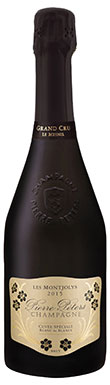
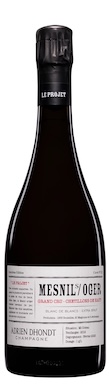
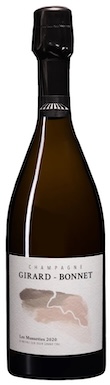
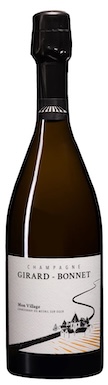
In the 1980s and 1990s, the rise of the grower-producer movement (récoltant-manipulant) shifted the focus from mass-blending to single-vineyard expression. Producers like Pierre Péters and the legacy of houses such as Salon—whose legendary Clos le Mesnil remains perhaps the most famous single-vineyard Champagne in existence—cemented the village’s reputation. Today, a new generation of winemakers, including the likes of Adrien Dhondt and the team at Girard-Bonnet, are further refining this identity by experimenting with plot-specific vinification, focusing on the subtle variations within the village’s boundaries, such as the storied Chétillons and Mussettes parcels.
Geological Foundations and Viticultural Implications
The scientific explanation for the "mythical" status of Le Mesnil-sur-Oger lies beneath the surface. The village sits upon a massive formation of Campanian chalk, a porous, limestone-rich bedrock that acts as both a water reservoir and a thermal regulator. This soil composition is critical for the Chardonnay grape, which is notoriously sensitive to its environment.
The chalk provides a unique mineral profile, often described by tasters as "chalky," "salty," or "iodized." Furthermore, the ability of this soil to reflect sunlight back onto the vines during the day while retaining warmth at night assists in the slow, even maturation of the grapes. This leads to the hallmark high acidity that preserves the wine’s structure over decades. When compared to the neighboring village of Cramant, where the soils may contain a higher proportion of clay or deeper topsoil, the wines of Le Mesnil are consistently more austere and compact, requiring more time in the bottle to reach their full potential.
Market Dynamics and the "Single Village" Movement
The modern market for Champagne is witnessing a profound shift toward transparency. Consumers are increasingly interested in the provenance of their wine, moving away from the "house style" toward the "terroir style." This has direct implications for the growers in Le Mesnil-sur-Oger.
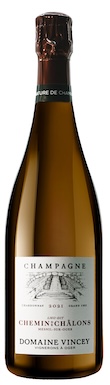
Current market data indicates that prices for land and grapes in Le Mesnil remain among the highest in the entire Champagne region. This is driven by limited supply and high demand from both the large houses, who use the fruit to provide the "backbone" for their top-tier blends, and the small-scale producers who bottle it as a singular expression of the village. The emergence of wines like the Domaine Vincey Chemin de Châlons or the Franck Bonville Pur Mesnil represents a democratization of this prestige; these wines allow the consumer to taste the specific, uncompromising character of the village without the dilution of blending.
Analytical Overview of Current Vintages
When assessing the recent releases from Le Mesnil, a clear pattern emerges. The 2018, 2019, 2020, and 2021 vintages offer a masterclass in the resilience of this terroir against a backdrop of climate change.
- 2018: Generally considered a warmer, more generous year, the wines from producers like Pierre Péters (Les Montjolys) show a successful balance between the typical Le Mesnil tension and a ripeness that makes the wines more accessible in their youth.
- 2019: A stellar year for the Côte des Blancs. Producers such as Franck Bonville have utilized this vintage to create wines of exceptional depth and complexity, demonstrating that the terroir can maintain its signature acidity even in a warmer growing season.
- 2020/2021: These vintages have tested the limits of the growers. In the tighter 2021 season, zero-dosage wines—such as those from Domaine Vincey—have been particularly effective at showcasing the raw, unfiltered purity of the Chardonnay, even when the natural fruit sugar levels are lower than in hotter years.
The Role of the Grower-Producer
The influence of the grower-producer cannot be overstated. By focusing on individual parcels—such as the Chétillons vineyard, famous for its long-lived, chalky focus—these producers act as custodians of the land. The recent projects by Adrien Dhondt, which involve identifying and vinifying specific sub-plots, represent the future of the region. By separating the fruit from the higher elevation of Chétillons from the lower, more fertile slopes, winemakers are creating a "map" of the village’s nuances that was previously unavailable to the general public.
Broader Economic and Cultural Impact
The success of Le Mesnil-sur-Oger serves as a case study for the wider Champagne region. It proves that there is a viable, high-value economic model for small-scale viticulture that does not rely on volume. As climate patterns continue to fluctuate, the reliance on the deep, moisture-retaining chalk of Le Mesnil provides a layer of security for producers.
Furthermore, the "Le Mesnil effect" has encouraged other villages in the Côte des Blancs to pursue their own identity. This competitive spirit is raising the overall quality of Champagne production. However, it also presents a challenge: the pressure to produce "mythical" wine can lead to higher prices, potentially alienating casual consumers. The challenge for these producers is to maintain the prestige of the village while ensuring that the wines remain accessible to the next generation of enthusiasts.
Future Outlook
Looking ahead, the focus in Le Mesnil-sur-Oger will likely remain on sustainability and precision. With the industry moving toward organic and biodynamic farming, the purity of the chalky expression is expected to become even more pronounced. The continued exploration of the "zero dosage" (brut nature) style will further strip away the additives that might mask the site-specific flavors, forcing the consumer to engage directly with the terroir.
The story of Le Mesnil-sur-Oger is, at its core, a story of patience. Whether it is the vines waiting for the harvest, the winemakers waiting for the perfect moment to bottle, or the collector waiting for the wine to age in the cellar, the village demands a slow, deliberate engagement. It is this demand for patience that has built its reputation, and it is this same quality that ensures its place at the pinnacle of the world’s finest sparkling wines. As we move further into the 21st century, the wines of Le Mesnil-sur-Oger will continue to stand as the benchmark against which all other Chardonnay-based Champagnes are measured—a testament to the enduring power of land, soil, and the skilled hands of those who tend to it.