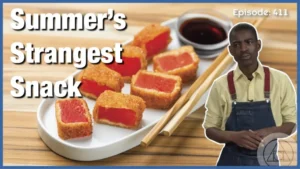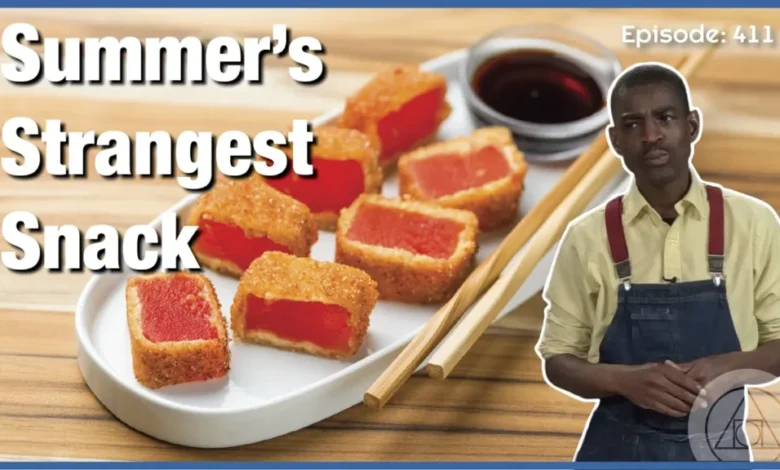
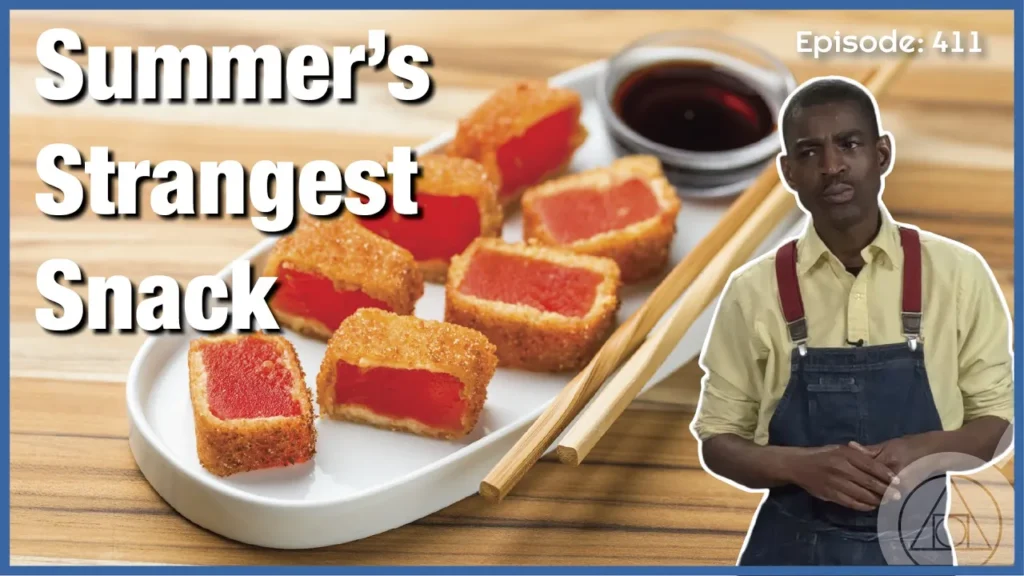
The intersection of modernist culinary techniques and traditional agricultural produce has long been a subject of fascination for chefs and food scientists alike. In the latest installment of the "We Transform Food" series, producers have investigated the unconventional practice of deep-frying various types of melons, including watermelon, cantaloupe, and honeydew. While deep-frying fruit is a staple of state fair culture—most notably associated with deep-fried Oreos or butter—applying high-heat oil immersion to high-moisture fruits presents significant challenges in thermodynamics, structural integrity, and flavor profile modification.
The Thermodynamics of Frying High-Moisture Produce
At the core of this culinary experiment lies the relationship between water content and oil temperature. Standard deep-frying relies on the "Leidenfrost effect" or, more accurately, the rapid evaporation of surface moisture to create a barrier that prevents oil from penetrating the food. Watermelon, which consists of approximately 92% water, poses a unique challenge because the internal structure of the fruit is not a solid starch or protein matrix, but rather a cellular wall structure designed to hold liquid.
When a slice of watermelon is submerged in oil heated to 350°F (175°C), the immediate result is the explosive evaporation of water at the surface. In the context of the "We Transform Food" investigation, the process involves creating a protective batter—a crucial step that acts as an insulator. Without a robust coating, the melon would disintegrate or cause a dangerous steam-induced oil splatter. The transformation observed during this process is a result of the sugars within the fruit caramelizing while the internal cellular structure breaks down, shifting the fruit from a crisp, watery state to a soft, custard-like consistency.
A Chronological Perspective on Fried Fruit Trends
The history of deep-fried fruit is rooted in the evolution of carnival cuisine in the United States. In the mid-20th century, the introduction of deep-fried Twinkies and similar confections normalized the concept of batter-dipping shelf-stable items. However, the movement toward frying fresh produce represents a newer wave of culinary experimentation.
- The 1990s: The rise of the "deep-fried everything" movement at regional agricultural fairs popularized the use of heavy, sweet batters on unconventional items.
- The 2010s: The "Modernist Cuisine" movement, spearheaded by figures such as Nathan Myhrvold, began applying scientific rigor to these processes. Chefs began using hydrocolloids and vacuum-sealing techniques to manipulate the texture of fruits before frying.
- The 2020s: Digital media platforms, including the "We Transform Food" series, have brought these experimental techniques into the home kitchen, providing viewers with step-by-step demonstrations on how to balance moisture levels and batter thickness to achieve professional-grade results.
Comparative Analysis of Melon Varieties
The experiment conducted by the Modernist Pantry team highlights the distinct reactions of different melon varieties to the frying process.
- Watermelon: Due to its extremely high water content, watermelon is the most difficult to fry. It requires a thicker, more viscous batter to ensure the structure holds. The final result is a sweet, almost jam-like center that contrasts sharply with a crunchy exterior.
- Cantaloupe: With a denser flesh and higher sugar content than watermelon, cantaloupe maintains its shape better under heat. The frying process intensifies the musky, floral notes of the fruit, making it a viable candidate for dessert applications.
- Honeydew: Honeydew sits in the middle of the spectrum. Its flesh is firmer and slightly more acidic, which allows it to pair well with savory, salted batters or spice-infused coatings.
Technical Considerations for Culinary Practitioners
For those attempting to replicate these results in a controlled environment, the primary concern is safety and consistency. Professional culinary standards suggest the following protocols for frying high-moisture items:
- Dehydration: Pre-treating the fruit by dusting it with a light layer of sugar or salt can draw out surface moisture through osmosis, resulting in a drier surface that allows the batter to adhere more effectively.
- Batter Composition: A tempura-style batter, which utilizes cold carbonated water or alcohol, is preferred. The carbonation creates a lighter, airier crust that provides a textural contrast to the soft fruit.
- Oil Selection: High-smoke-point oils, such as refined avocado oil or peanut oil, are essential. Lower-quality oils with high impurity content can impart off-flavors, which become amplified when interacting with the delicate sugars of the melon.
Broader Culinary Implications and Industry Impact
The investigation into deep-fried melon is more than a novelty; it reflects a broader shift in how modern consumers engage with raw produce. As sustainability becomes a focal point of the culinary industry, finding new ways to utilize surplus fruit—even those that are slightly overripe—is becoming a priority for chefs.
From an economic perspective, the ability to transform low-cost, seasonal produce into high-value dessert items can be a significant advantage for food service operators. However, nutritional analysts note that the addition of heavy batters and oil increases the caloric density of the fruit exponentially. While the fruit retains its micronutrients, the process essentially turns a low-calorie snack into a high-fat dessert.
"The goal of these experiments is not to replace raw fruit consumption, but to expand the culinary vocabulary of the home cook," says a spokesperson for the Modernist Pantry initiative. "By understanding the physics behind the fry, one can manipulate ingredients to achieve textures that were previously thought impossible in a domestic kitchen setting."
Scientific Reception and Future Research
While the culinary community has largely embraced the creativity of "We Transform Food," the scientific community remains focused on the stability of such preparations. Research published in food science journals suggests that the internal temperature of fried fruit should be monitored to ensure it reaches at least 140°F (60°C) to ensure the breakdown of pectin, which is necessary for the desired "creamy" texture. Failure to reach this threshold often results in a "soggy" product where the batter separates from the fruit.
Looking ahead, the next phase of this research likely involves the use of vacuum-fryers, which allow for the evaporation of water at lower temperatures. This technology, currently reserved for high-end laboratories and specialized snack manufacturers, could potentially allow for the frying of even more delicate fruits without the need for heavy, insulating batters.
Conclusion
The exploration of deep-fried melon serves as a case study in how simple ingredients can be fundamentally altered through the application of physics and culinary art. By focusing on the interplay between cellular structure, moisture management, and heat transfer, the "We Transform Food" series provides an objective look at a technique that challenges conventional perceptions of summer produce. As modern cooking continues to merge with scientific inquiry, such experiments will likely continue to push the boundaries of what is possible in the kitchen, proving that even the most water-heavy fruit can, with the right approach, be transformed into a sophisticated culinary experience. The data derived from these episodes underscores the importance of precision in temperature and batter consistency, offering a blueprint for anyone interested in the evolving science of modern gastronomy.
Related posts: