Modern dietary habits are increasingly defined by a conflict between the desire for nutritional integrity and the limitations of a demanding, fast-paced lifestyle. As of August 2026, data from consumer health studies indicates that over 65% of households in urban environments struggle to find time for home-cooked meals, leading to an increased reliance on processed convenience foods. The Mediterranean diet—a regimen consistently ranked by the U.S. News & World Report as the world’s healthiest—offers a scientifically backed antidote to this trend. By focusing on whole grains, heart-healthy fats, legumes, and lean proteins, the diet provides a sustainable framework for busy professionals and families seeking to improve long-term health outcomes.
The Scientific and Practical Case for the Mediterranean Approach
The Mediterranean diet is not a restrictive weight-loss fad but rather a long-term nutritional philosophy. Clinical research has repeatedly demonstrated that adhering to this eating pattern can reduce the risk of cardiovascular disease, stroke, and type 2 diabetes. The core components—extra virgin olive oil, fresh vegetables, pulses, and moderate seafood consumption—provide a dense nutrient profile that supports metabolic health.
For the busy home cook, the primary barrier to adoption is often the perceived time investment. However, culinary experts and nutritionists emphasize that the Mediterranean tradition is fundamentally rooted in "cucina povera"—the art of making nutritious, delicious meals from simple, pantry-ready ingredients. By shifting the focus from complex techniques to the quality of ingredients, consumers can prepare high-quality dinners in under 30 minutes.
Strategic Meal Planning: A Data-Driven Approach to Efficiency
Effective meal planning does not require hours of weekend labor. Instead, current dietary guidelines recommend a "component preparation" strategy. By maintaining a pantry stocked with shelf-stable Mediterranean staples—such as canned chickpeas, white beans, tuna, pasta, and high-quality olive oil—cooks can construct a meal in the time it would take to order food delivery.
The integration of refrigerator staples like Greek yogurt, feta, Parmesan, lemons, and fresh leafy greens creates a flexible infrastructure. For instance, roasting a large sheet pan of vegetables or batch-cooking a grain like quinoa at the start of the week provides a foundation that can be transformed into five distinct meals, significantly reducing cognitive load during the workweek.
A Curated Selection of Rapid Mediterranean Dinners
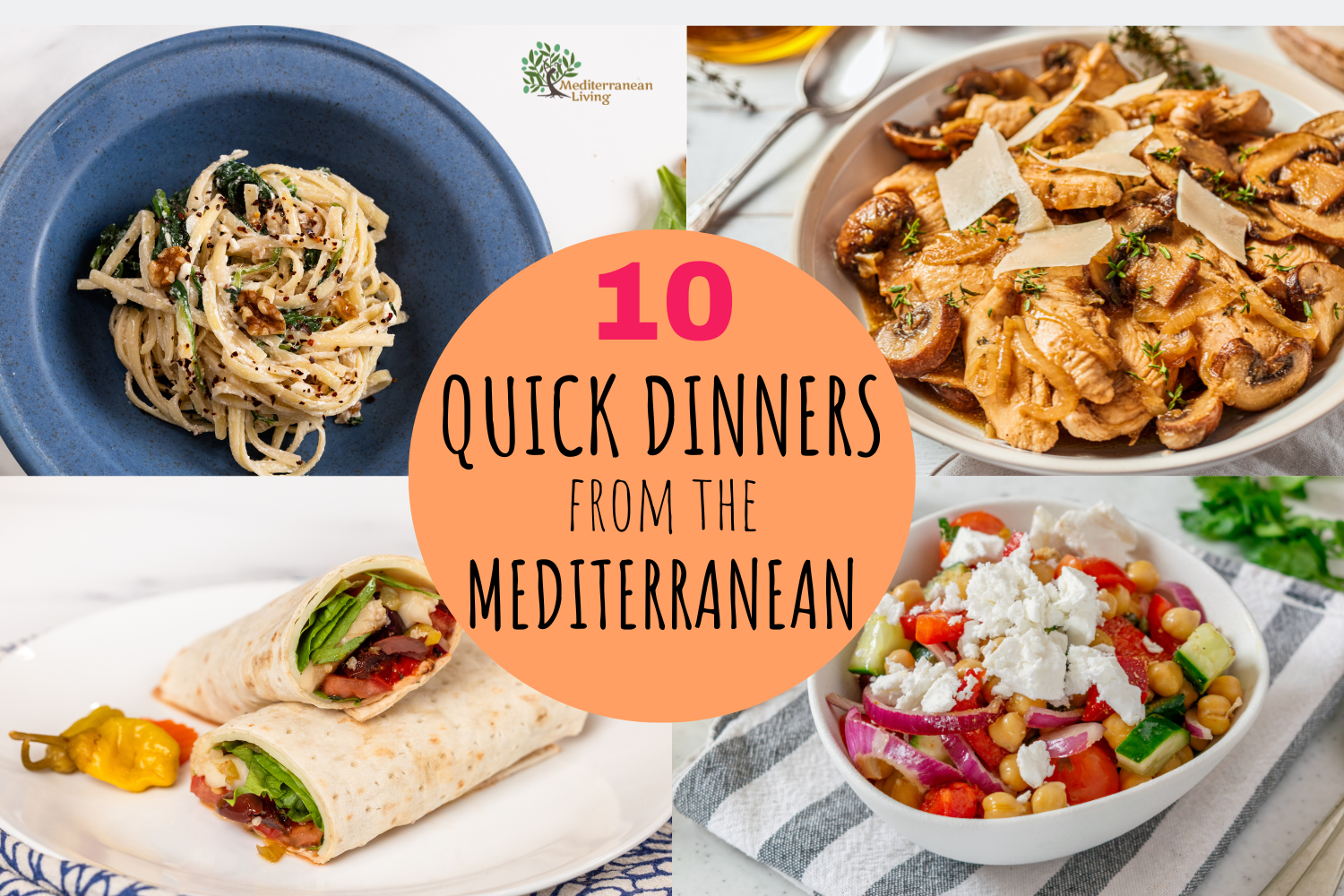
The following ten recipes represent a synthesis of tradition and modern efficiency, designed for the constraints of a contemporary schedule.
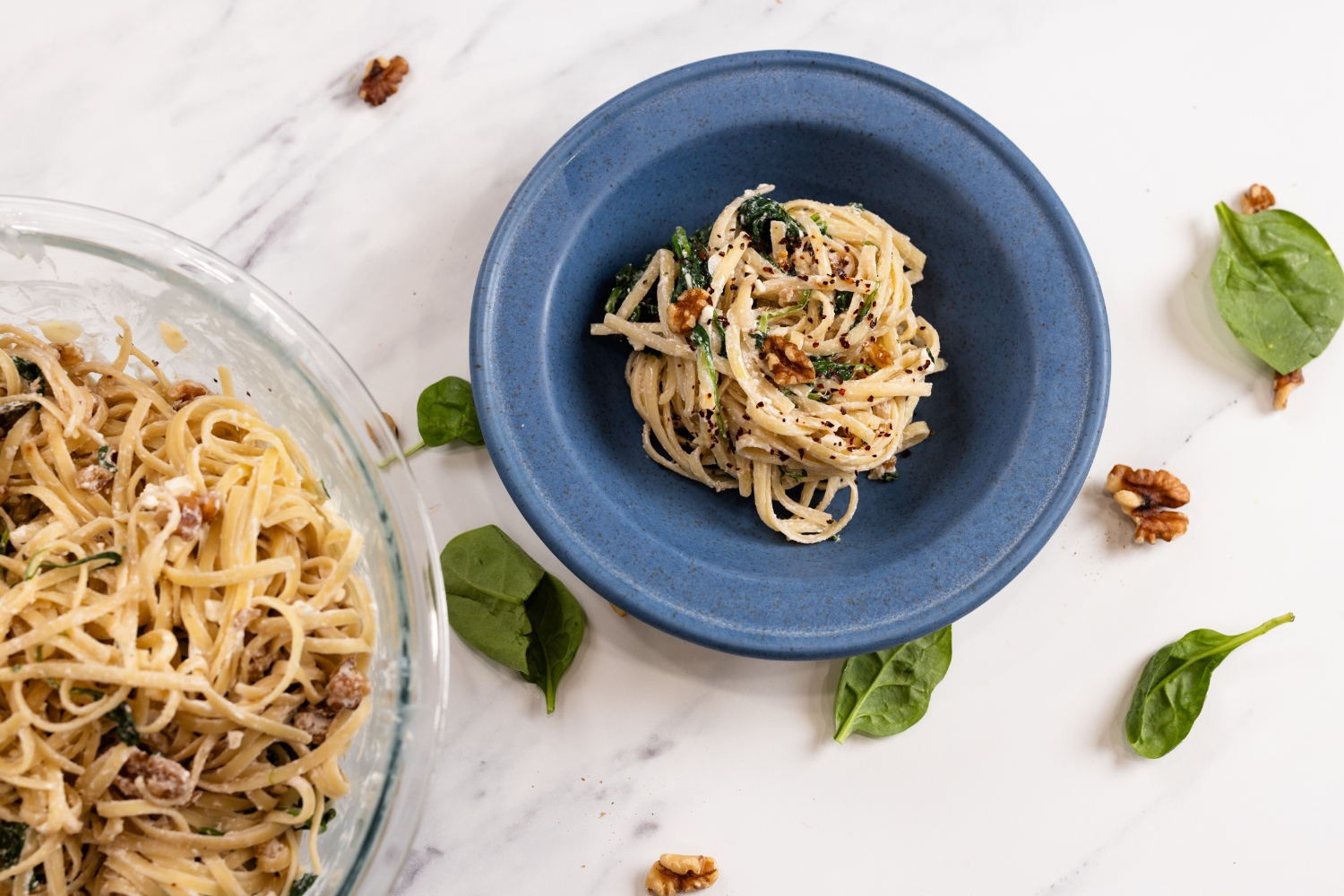
1. Greek Pasta with Spinach and Feta
This dish redefines comfort food by replacing heavy cream sauces with a nutrient-dense emulsion of Greek yogurt, feta, and olive oil. The incorporation of walnuts provides a necessary omega-3 fatty acid boost and textural contrast, while fresh spinach wilts in the residual heat of the pasta, ensuring minimal preparation time.
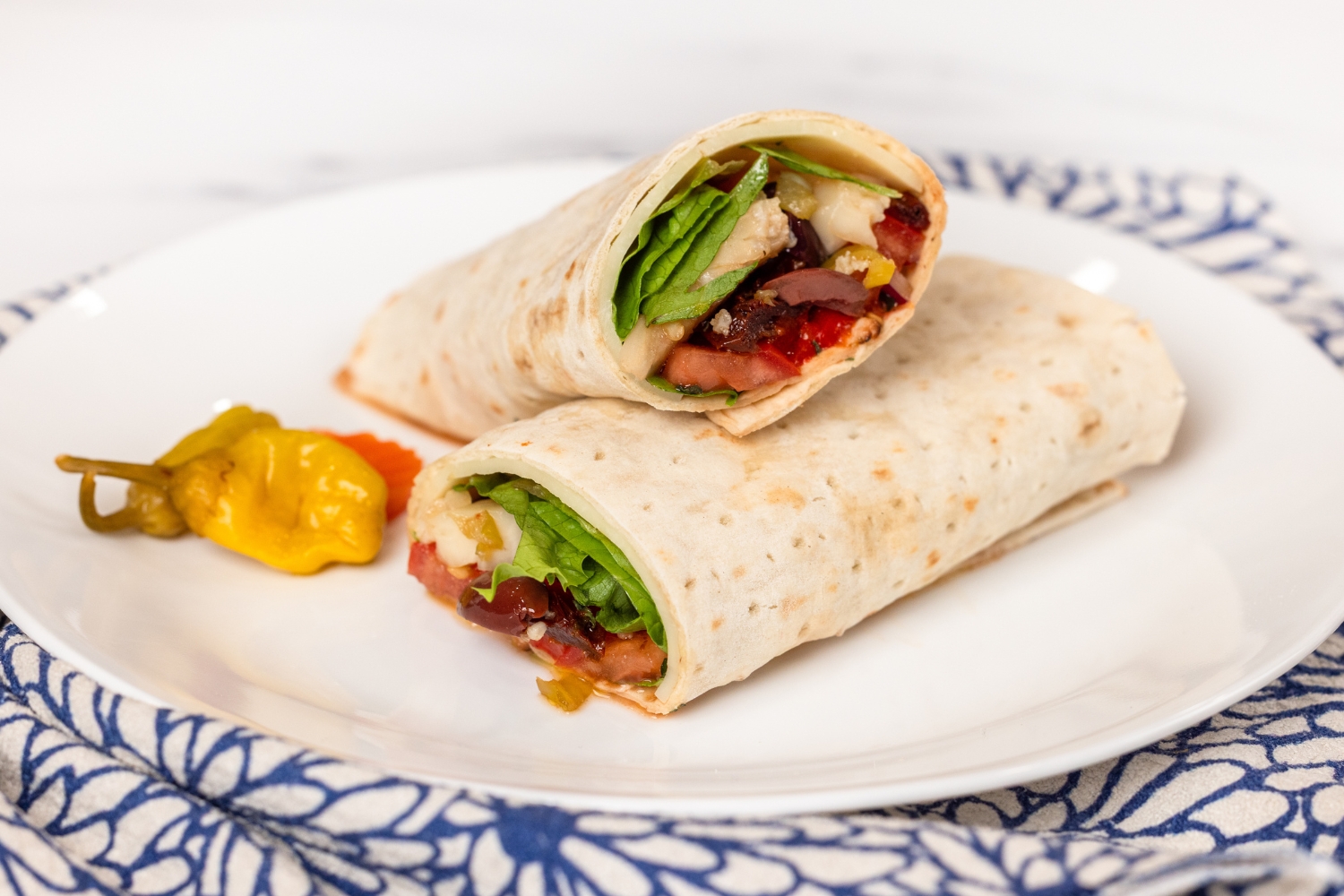
2. Italian Wrap with Provolone and Pickled Vegetables
Embodying the "no-cook" philosophy, this assembly-based meal utilizes jarred goods such as giardiniera, olives, and sun-dried tomatoes. It highlights the importance of acid-forward ingredients in balancing the richness of provolone, offering a high-flavor experience without requiring a stove.
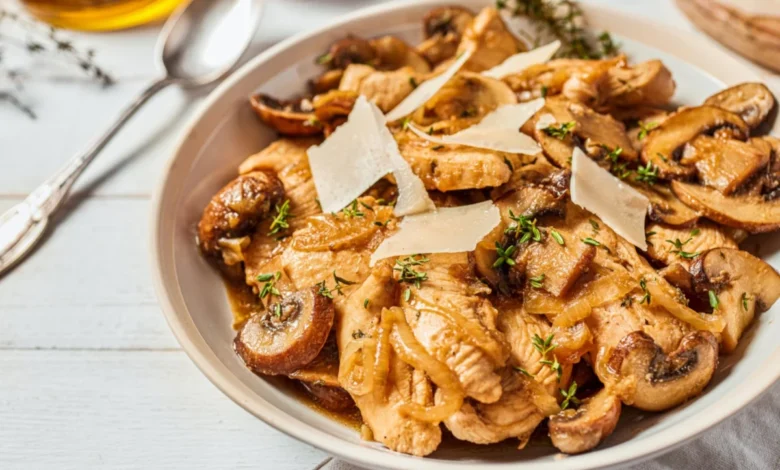
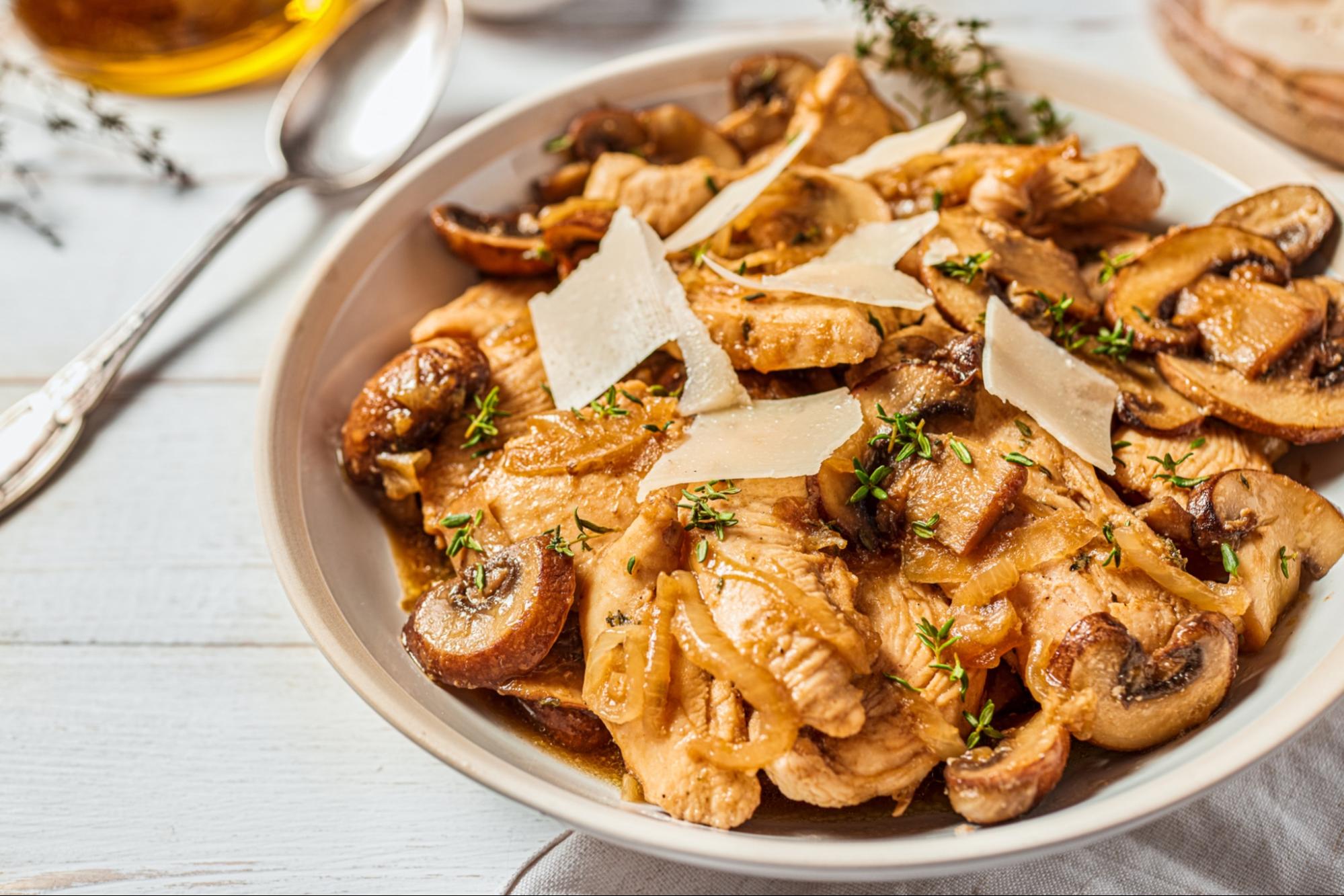
3. Chicken Skillet with Mushrooms and Slivered Parmesan
One-pan meals are the gold standard for reducing post-dinner cleanup. By deglazing the skillet with a splash of white wine or balsamic vinegar, the cook creates a complex flavor profile that elevates simple chicken breasts and mushrooms into a restaurant-quality dish.
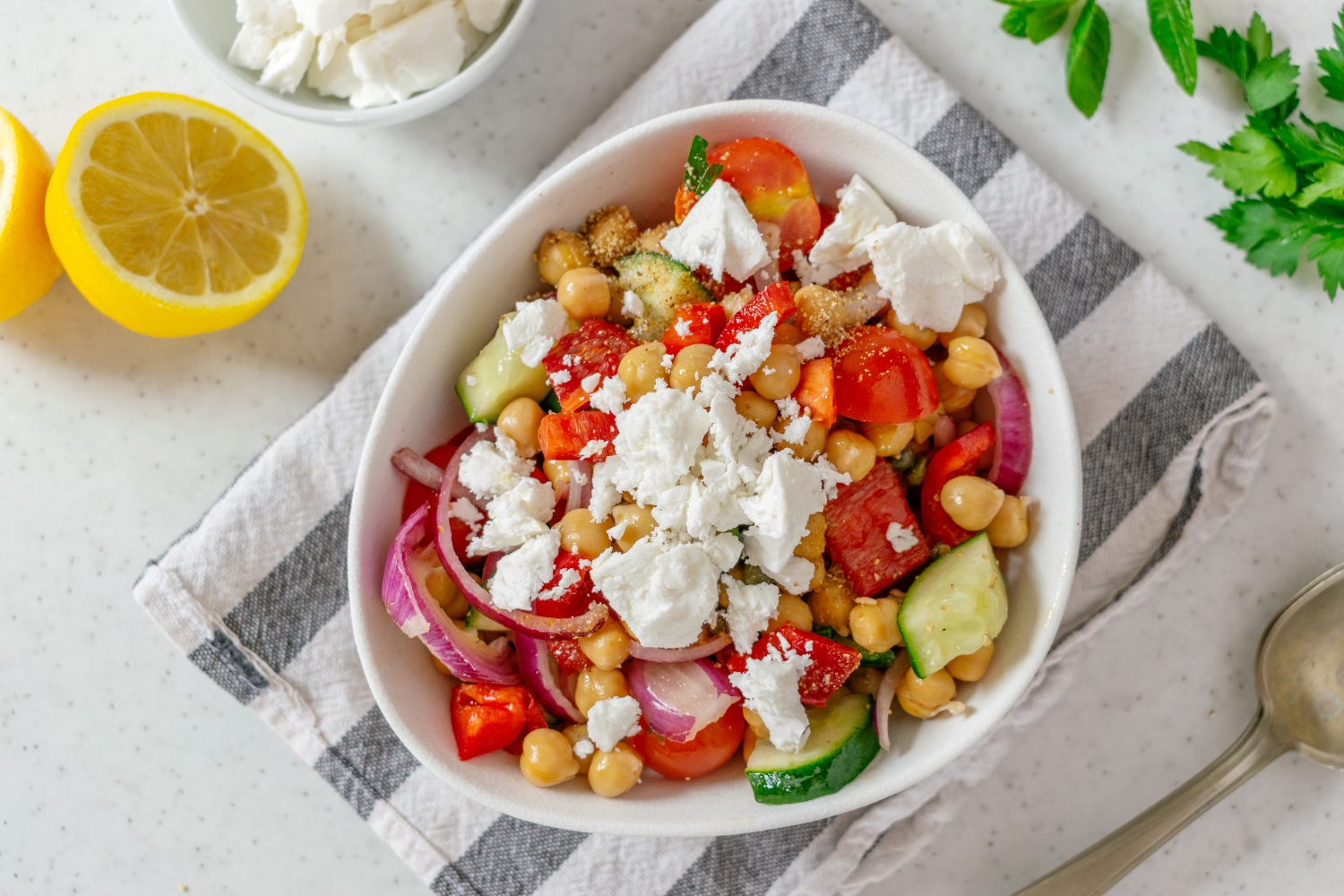
4. Ensalada de Garbanzos
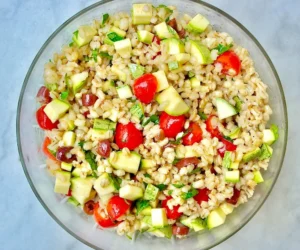
Spanish in origin, this chickpea-based salad serves as a primary example of how legumes can anchor a meal. Its stability as a "make-ahead" dish makes it an ideal solution for those needing to combine dinner with next-day lunch preparation.
5. Tuna Patties Fried in Olive Oil
Canned tuna remains one of the most cost-effective and protein-dense pantry staples. When combined with aromatics and breadcrumbs, these patties provide a sophisticated alternative to processed protein snacks, frying quickly in heart-healthy extra virgin olive oil.

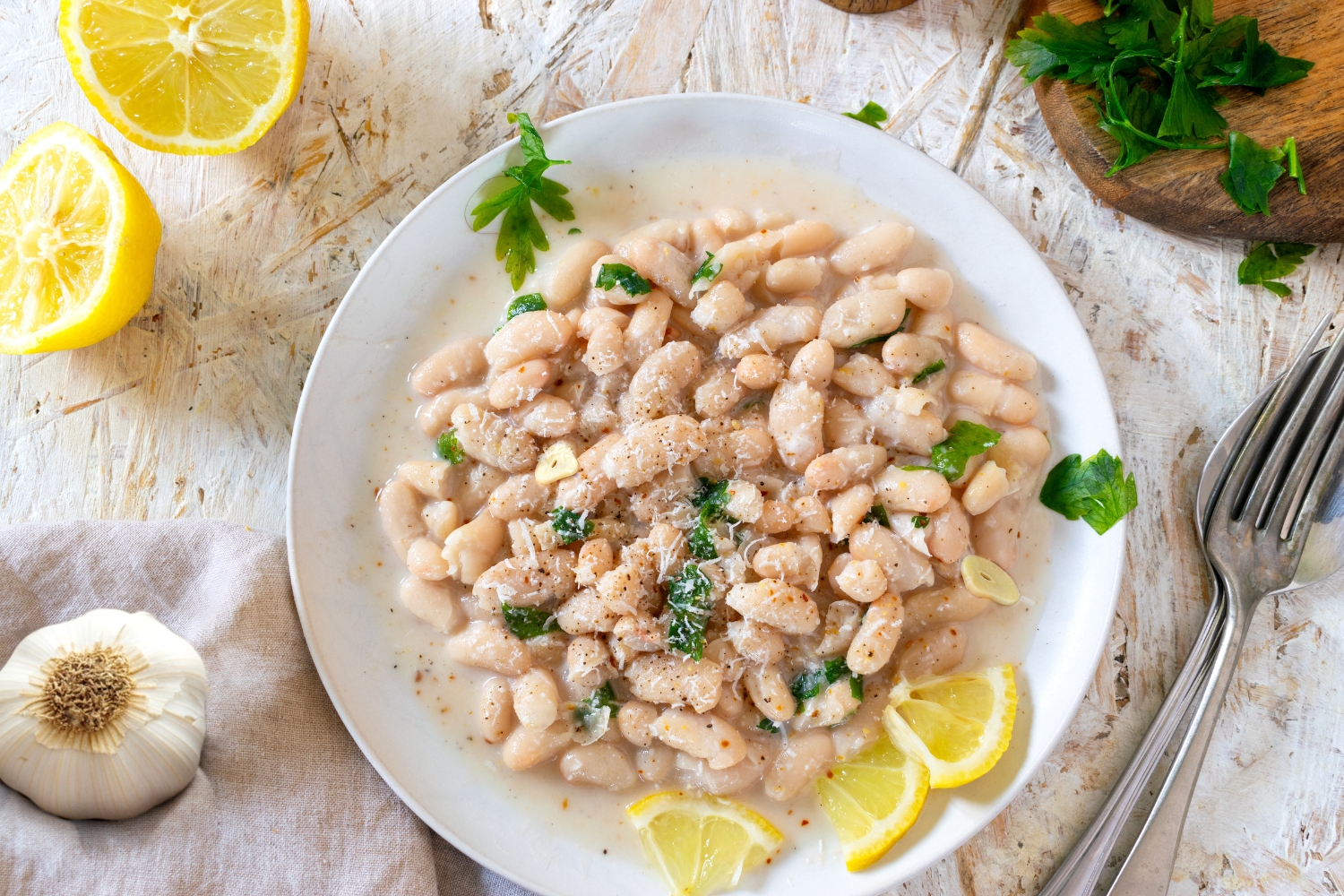
6. Creamy White Beans with Lemon, Garlic, and Parmesan
White beans represent the intersection of affordability and satiety. The use of garlic and lemon creates a bright, refreshing profile, while the addition of Parmesan serves to thicken the broth, demonstrating that meat-free dinners can be both substantial and satisfying.
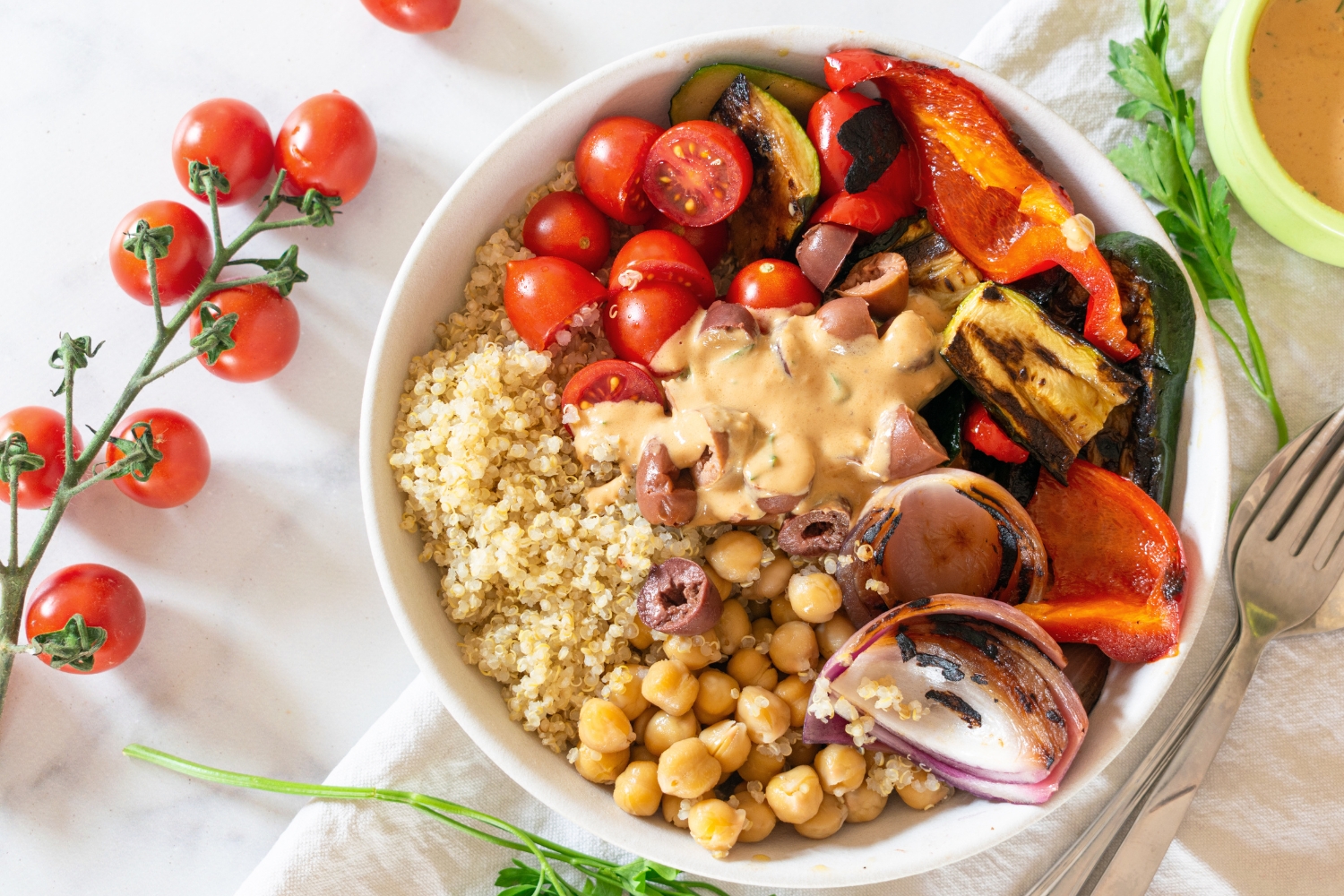
7. Grilled Vegetable Bowl with Lemon Tahini Dressing
The "bowl" format is a staple of modern nutritional science, allowing for the precise balancing of macronutrients. The inclusion of tahini—a nutrient-dense sesame paste—adds a creamy, heart-healthy finish that binds the grains and charred vegetables together.
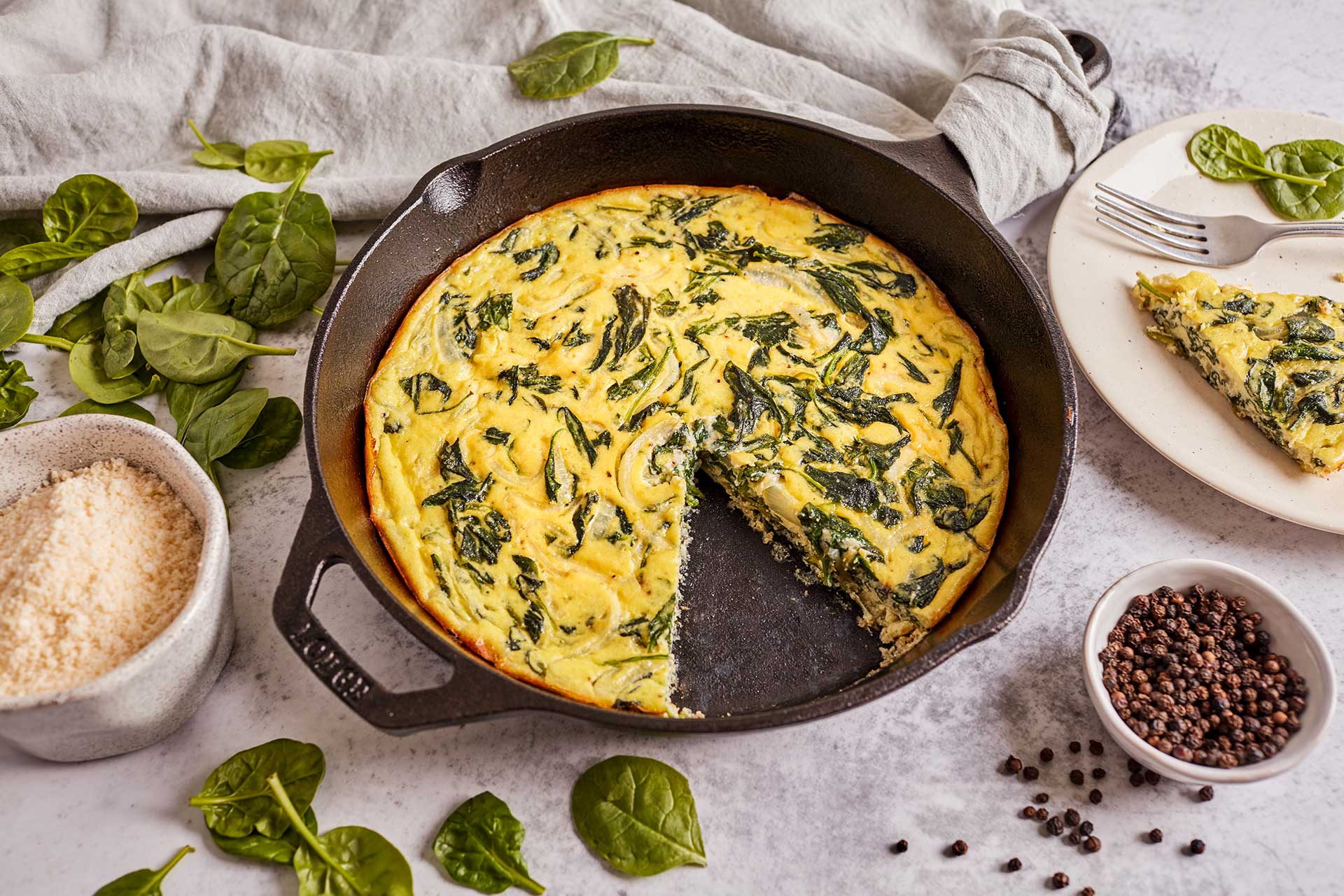
8. Spinach and Ricotta Frittata
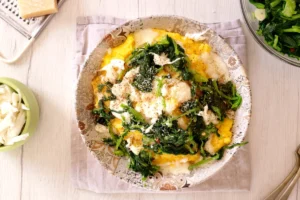
The Italian frittata is the ultimate "clean-out-the-fridge" meal. Because it utilizes eggs, it is an inexpensive source of high-quality protein. Its ability to be served at room temperature makes it a versatile option for busy households.
9. Sheet Pan Shrimp Scampi
Sheet pan cooking leverages high-heat roasting to concentrate vegetable sugars and tenderize proteins. Shrimp, which reaches internal safety temperatures in minutes, makes this an exceptionally fast dinner option, requiring minimal active oversight.
10. Caramelized Onion and Eggplant Montaditos
These open-faced sandwiches honor the tradition of Spanish tapas. By focusing on slow-cooked, deeply flavored vegetables, this dish demonstrates that vegetable-forward meals can be as indulgent as their meat-based counterparts.
Broader Health and Social Implications
The shift toward Mediterranean-style home cooking has significant implications for public health. According to long-term observational studies, populations that adopt these dietary habits report higher levels of sustained energy and improved lipid profiles. Individuals such as Michael Little, who reported a sustained weight loss of over 50 pounds through structured Mediterranean meal programs, underscore the efficacy of this approach. Similarly, clinical data from patients like Claire C. suggests that even moderate adjustments—such as increasing legume and healthy fat intake—can result in measurable improvements in cholesterol levels within ten weeks.
Conclusion: The Path Toward Sustainable Nutrition
The transition to a Mediterranean-focused kitchen is a pragmatic choice for the modern consumer. It is not defined by strict adherence to specific recipes, but by the application of simple, time-tested principles: the prioritization of whole ingredients, the reduction of processed additives, and the embrace of fresh, high-quality fats. By integrating these ten quick dinner strategies into a weekly routine, individuals can achieve a balance of convenience and nutrition that supports long-term health, proving that the busiest of nights need not compromise the quality of the dinner table. As the demand for convenient, healthy, and environmentally conscious food continues to grow, the Mediterranean model remains the most viable, scientifically supported, and culturally rich solution for the modern home.