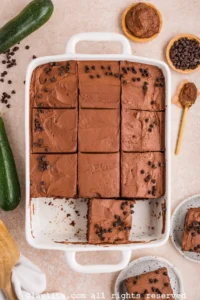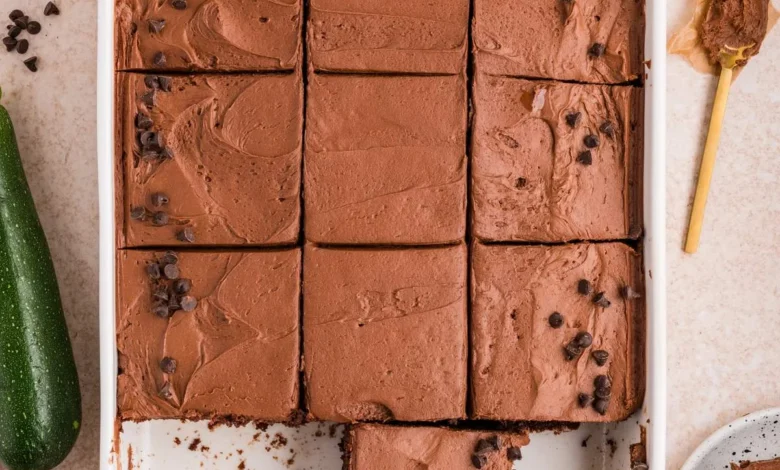
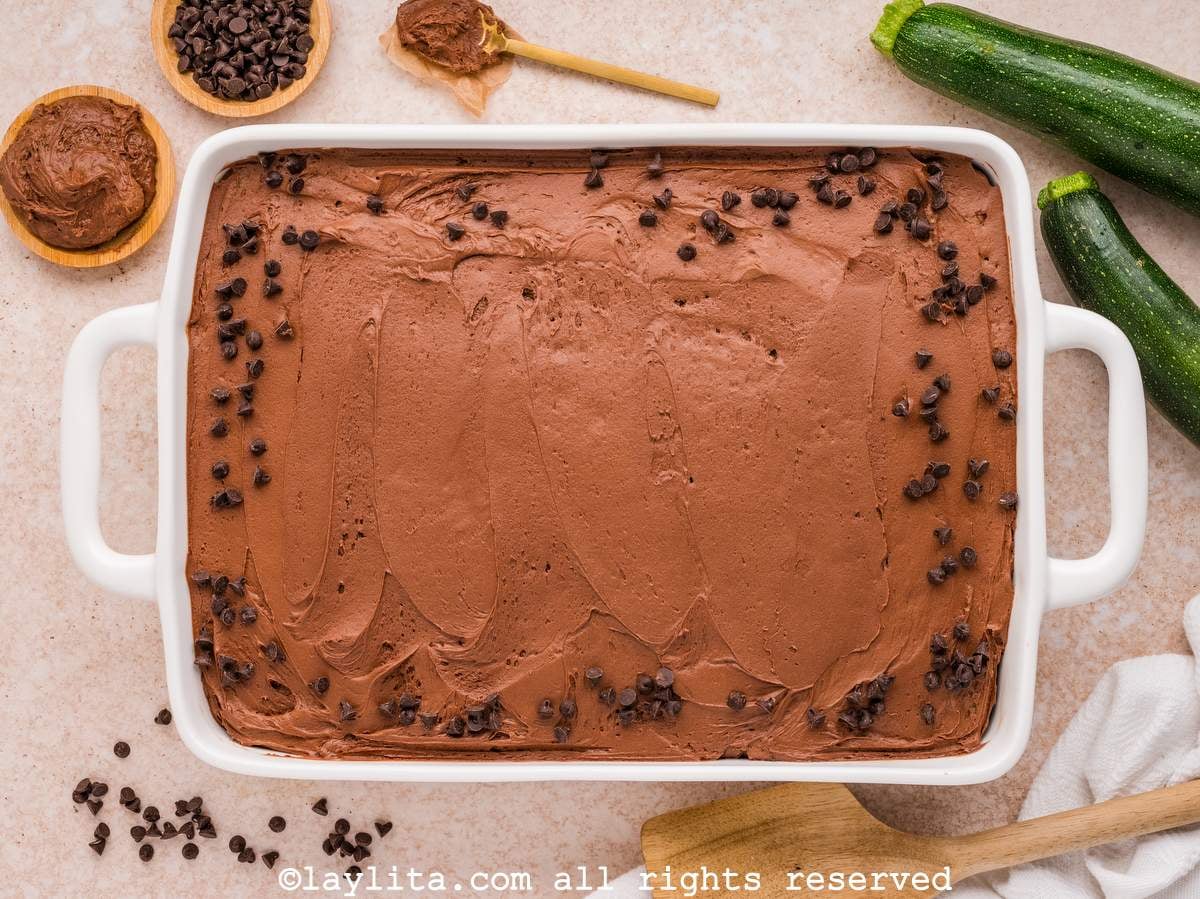
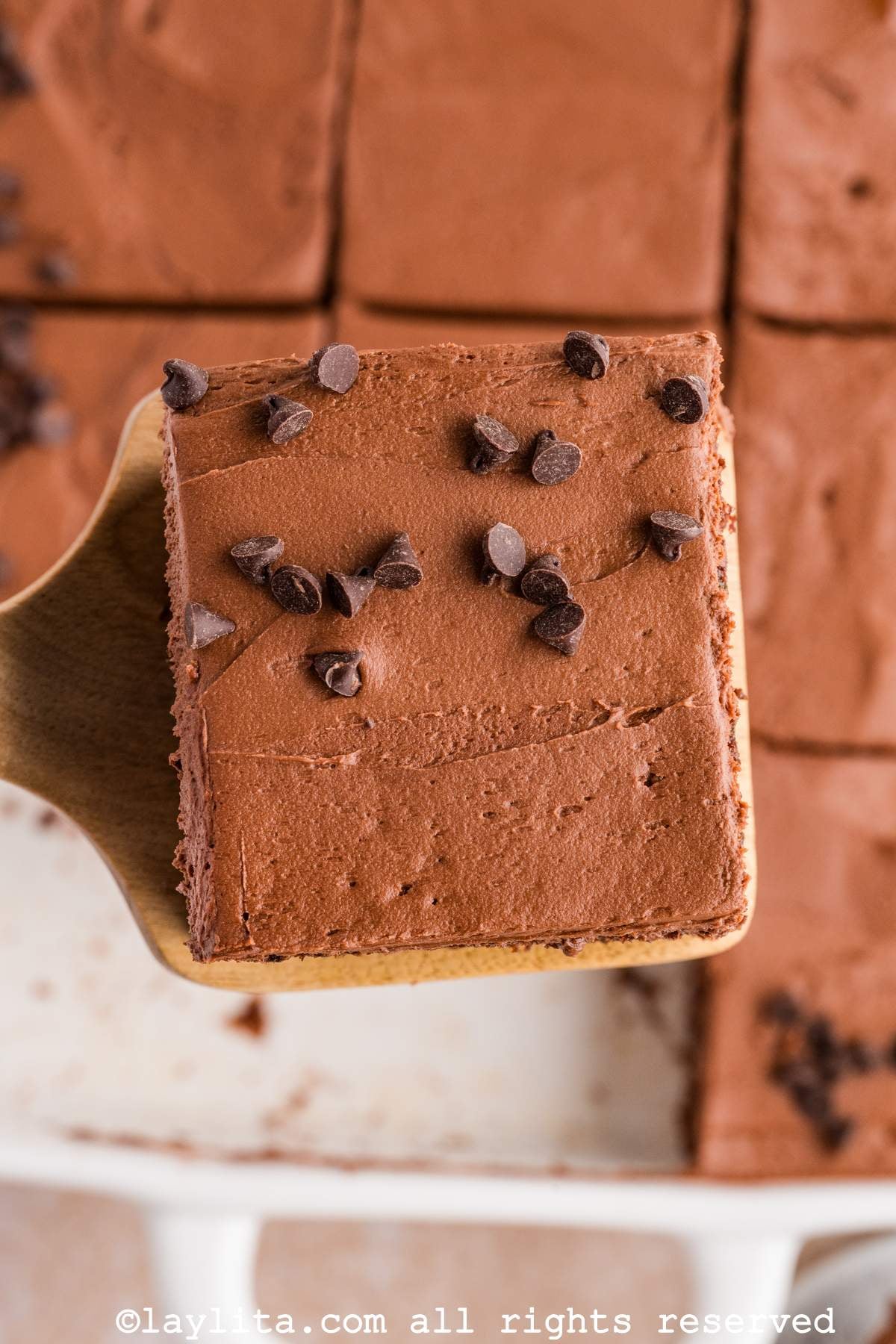
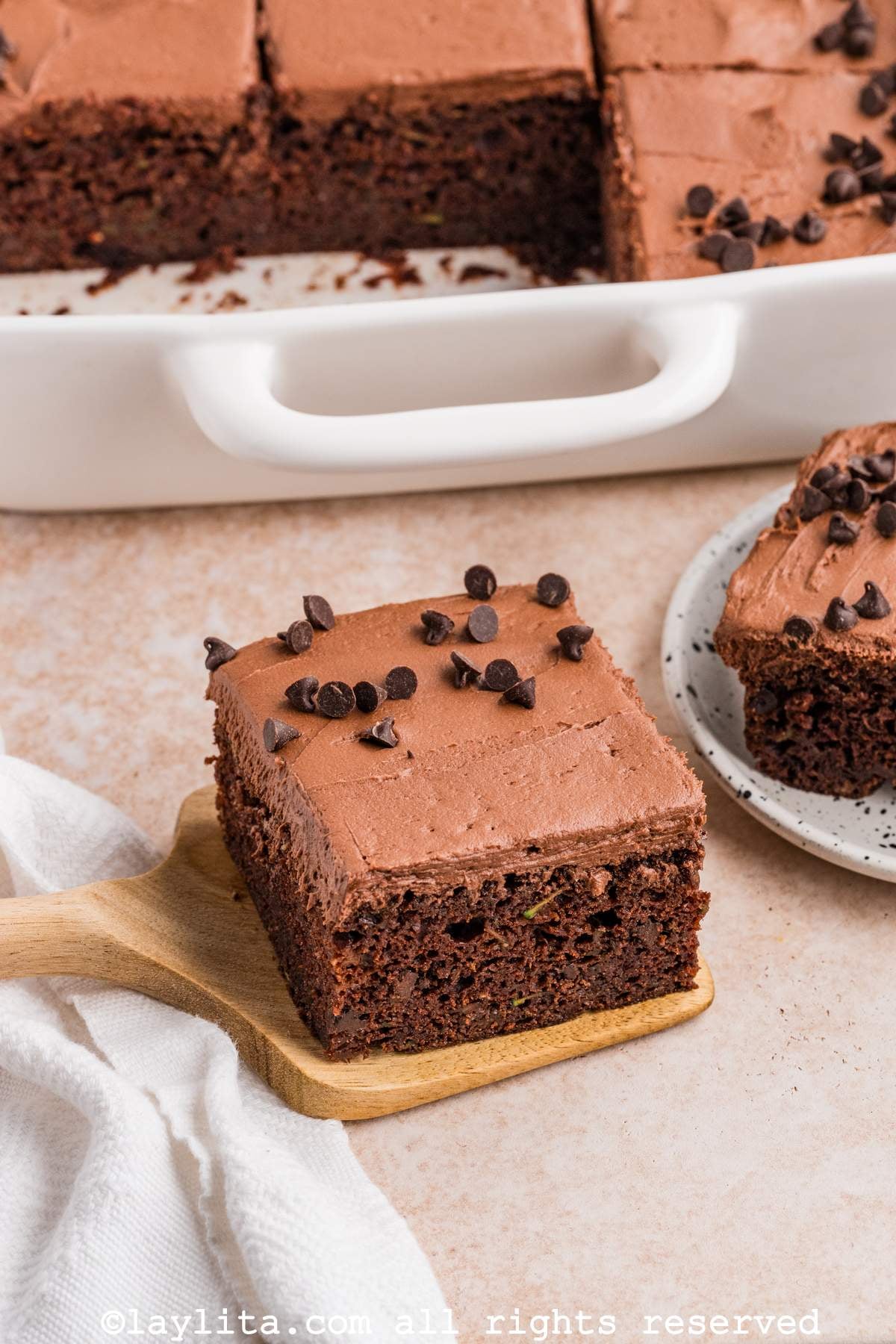
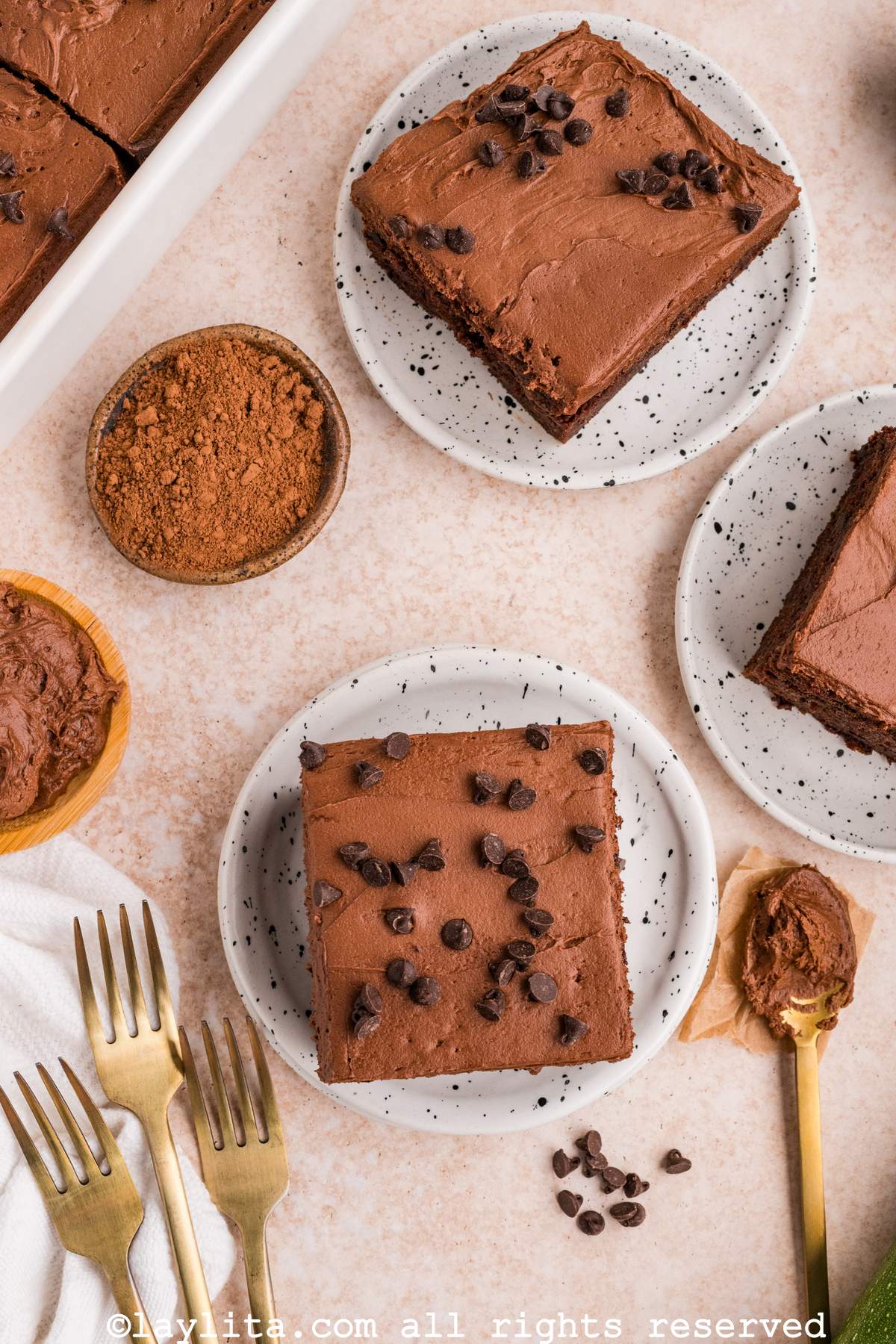
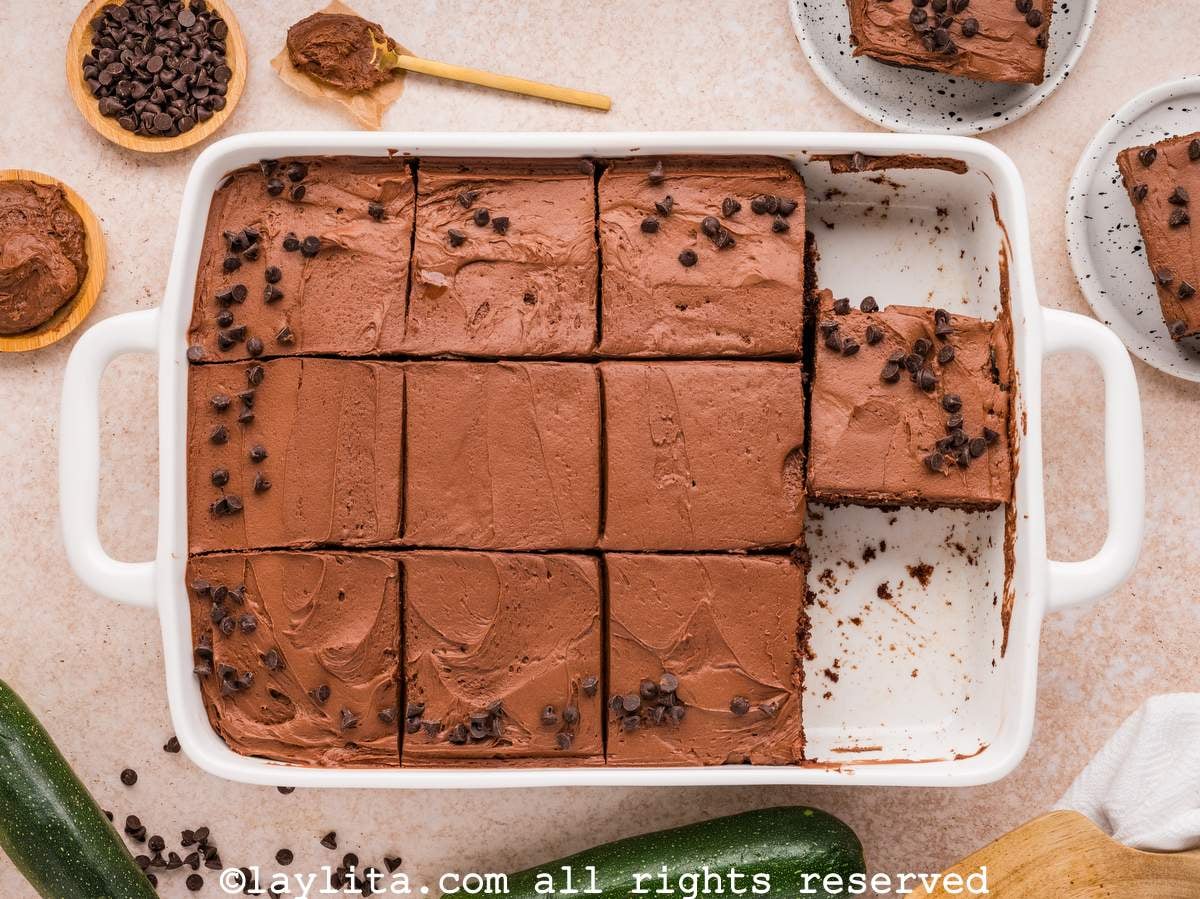
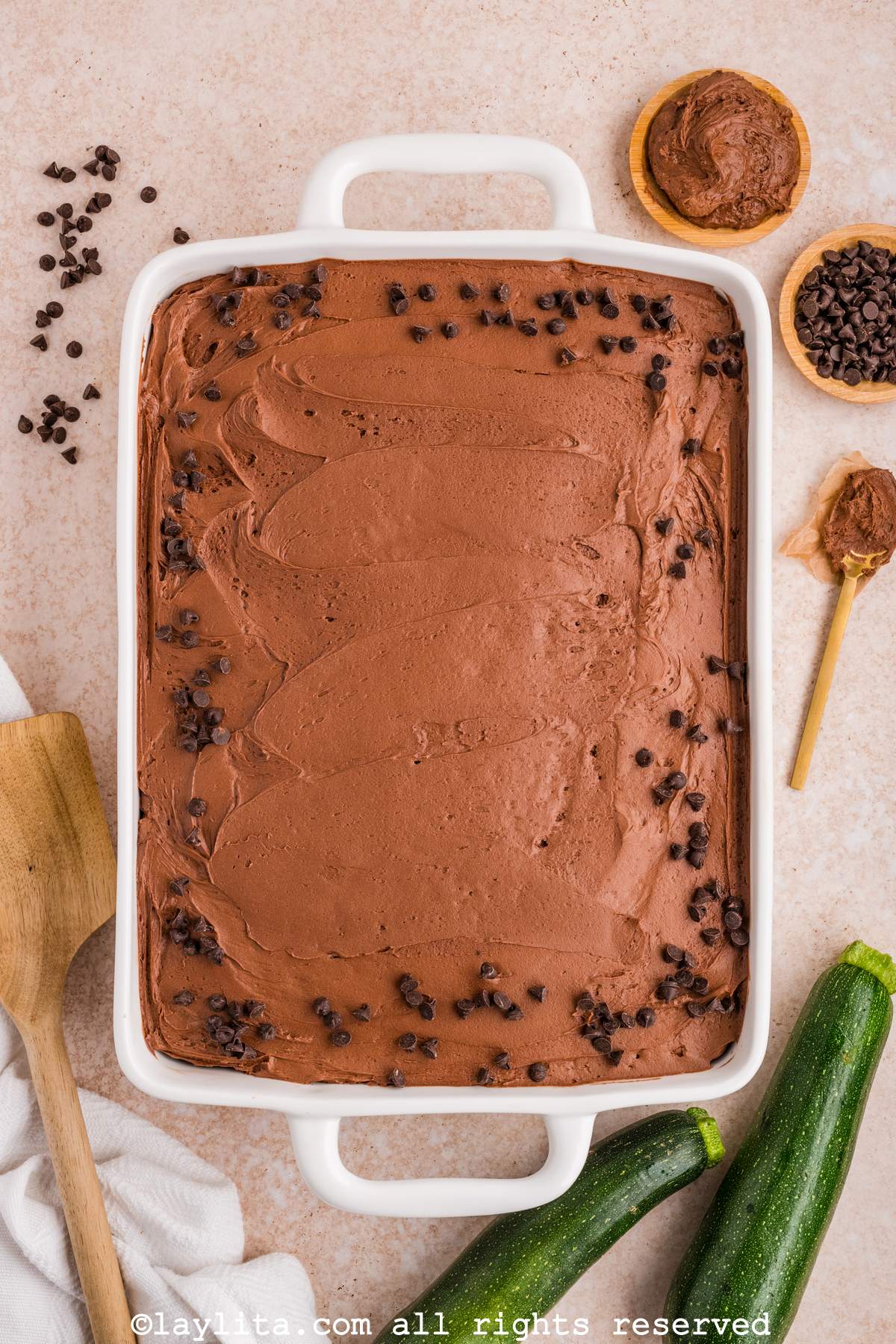
The culinary world has long embraced the hidden addition of nutrient-dense vegetables in traditional comfort foods, a practice that gained significant scientific and domestic traction during the mid-20th century as bakers sought innovative ways to enhance moisture retention without compromising flavor profiles. The latest iteration of this culinary technique highlights the integration of surplus summer produce into a rich, decadent dessert: the chocolate zucchini cake. Combining grated zucchini and mini chocolate chips within a deep, tender chocolate crumb and topping the confection with a fudgy chocolate frosting, this recipe addresses both seasonal agricultural surpluses and consumer demand for exceptionally moist baked goods.
Background Context of Vegetable Baking
The incorporation of grated vegetables into sweet baked goods is rooted in historical resourcefulness, most notably popularized during periods of rationing such as World War I and World War II, when traditional baking fats and dairy were scarce. Vegetables like potatoes, carrots, beets, and later zucchinis were introduced to add bulk, natural sugars, and essential moisture to doughs and batters.
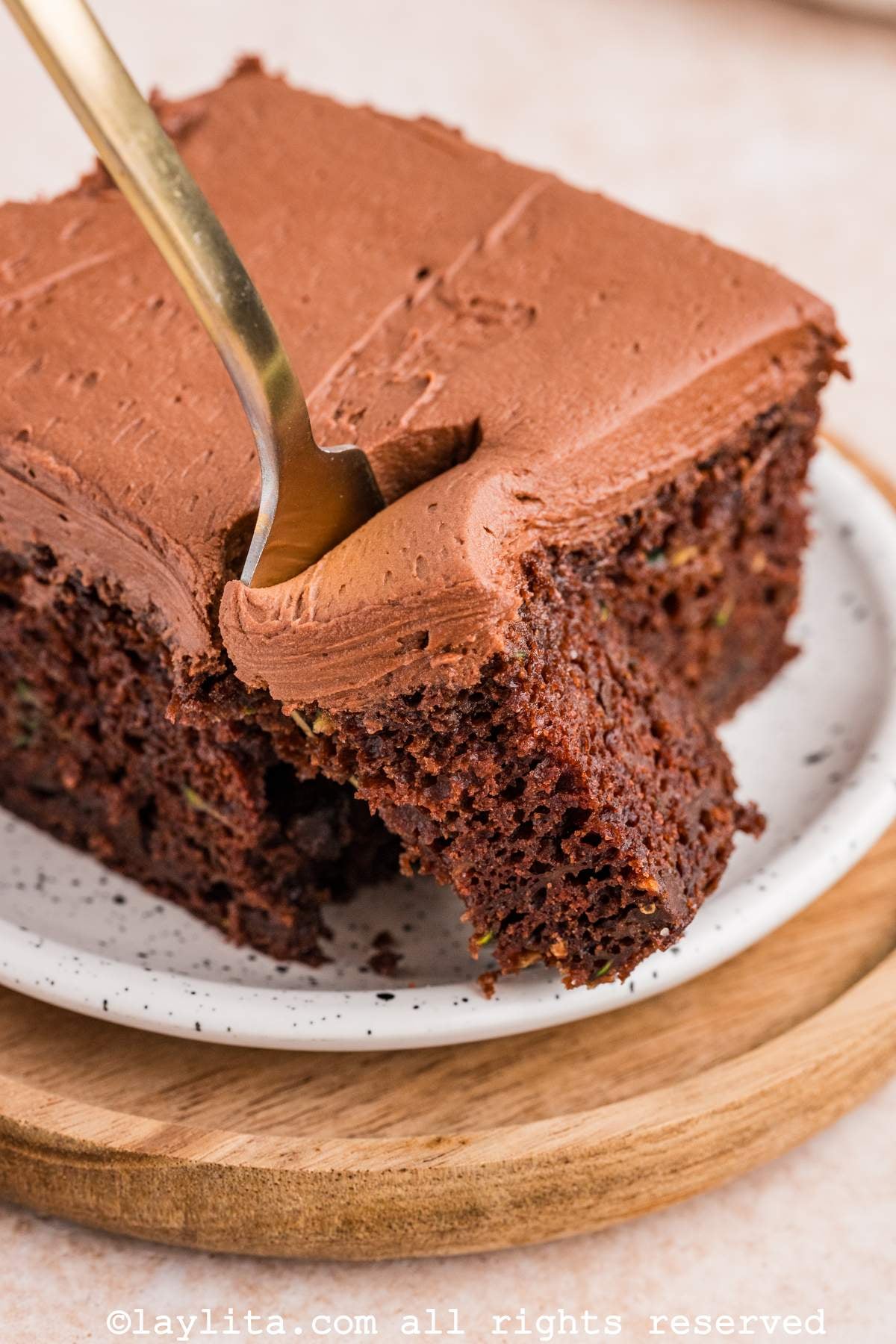
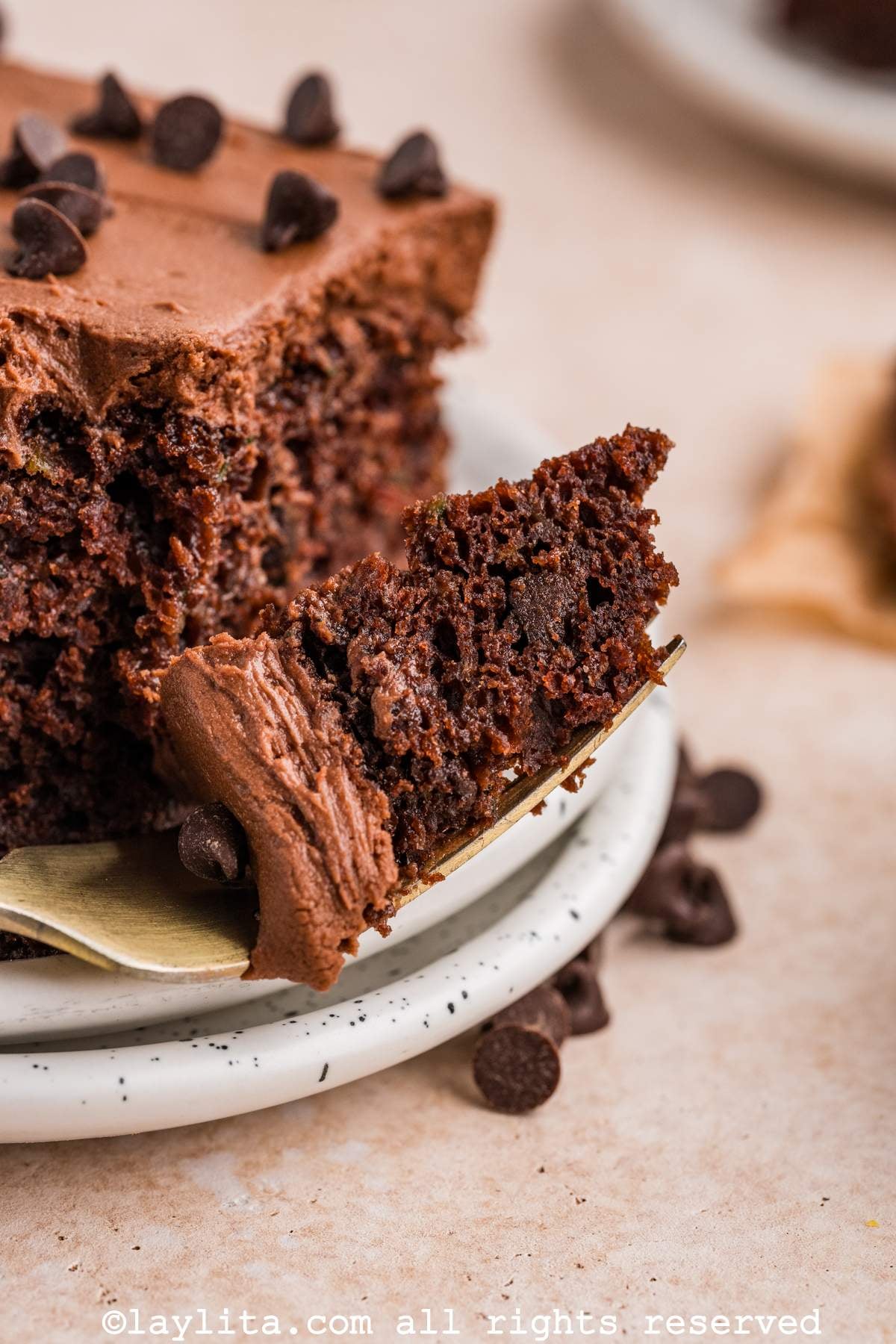
Zucchini, botanically a fruit but culinarily treated as a vegetable, possesses a high water content—typically exceeding 90 percent. When finely grated and folded into a dense batter, the vegetable releases its moisture uniformly during the thermal baking process. This mechanism prevents the gluten matrix in the flour from over-drying, resulting in an ultra-tender crumb. Unlike root vegetables with stronger natural profiles, mild-flavored zucchini acts as a neutral canvas, absorbing the dominant aromatic notes of the recipe—in this case, Dutch-processed cocoa and vanilla—leaving no distinguishable vegetable taste.
Nutritional and Culinary Implications
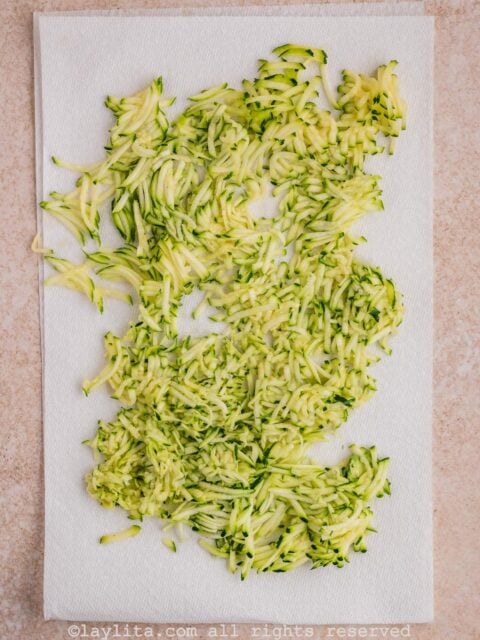
Food science analysts note that substituting or supplementing traditional fats with moisture-rich grated produce offers subtle nutritional benefits, including increased dietary fiber and micronutrient retention, while maintaining the indulgent sensory experience expected of a celebration dessert. Culinary experts emphasize that the success of such recipes relies on proper preparation techniques, such as avoiding the over-squeezing of fresh zucchini (which relies on the natural juice for the cake’s hydration) versus properly draining thawed frozen zucchini to prevent structural failure in the crumb.
Furthermore, the popularity of the chocolate zucchini cake reflects broader consumer trends favoring scratch-cooking solutions for seasonal garden overabundances. Agricultural extension offices traditionally report a surge in zucchini yields during the peak summer months of July and August, leading to an annual spike in consumer inquiries regarding preservation and creative utilization methods.
Preparation Methodology and Standard Protocol
The standard protocol for producing an optimal chocolate zucchini cake involves a systematic layering of dry and wet ingredients designed to balance the high moisture release of the squash.
Chronology of Preparation:
- Mise en Place: Preheating the baking environment to standard convection temperatures and preparing a suitable baking vessel with non-stick agents or parchment liners.
- Produce Processing: Washing and finely grating fresh zucchini. Culinary guidelines advise against peeling young or medium-sized specimens, as the soft skin integrates invisibly into the batter; however, oversized late-season zucchini with fibrous exteriors require peeling and seed removal.
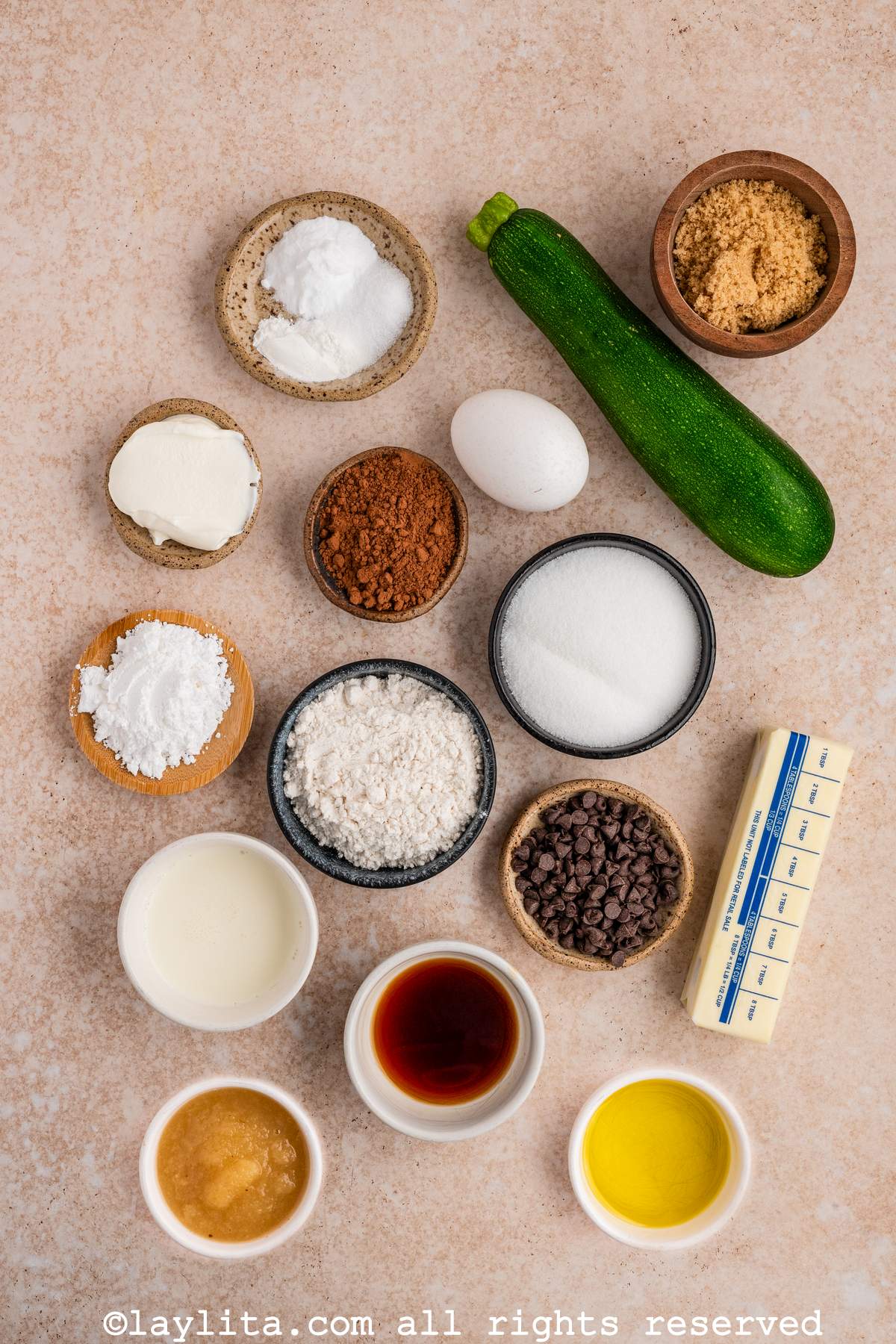
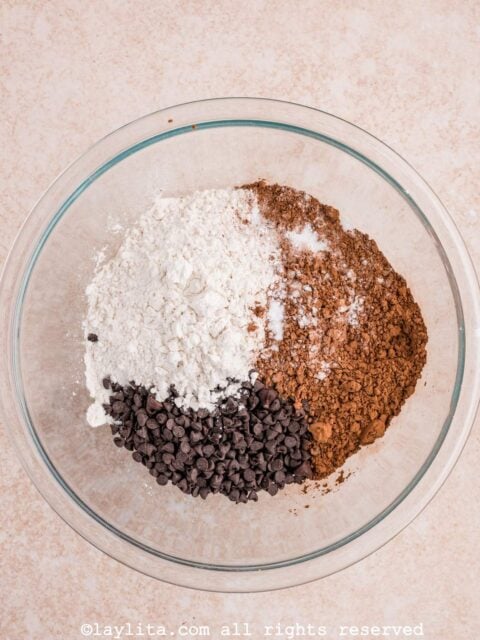
- Batter Formulation: Whisking dry components—including all-purpose flour, baking soda, salt, and cocoa powder—separately from the wet emulsion of oils, sugars, eggs, and dairy binders. The grated zucchini is folded in at the final stage to prevent overworking the gluten.
- Thermal Processing: Baking until a center tester emerges clean, followed by a controlled cooling phase to stabilize the crumb structure.
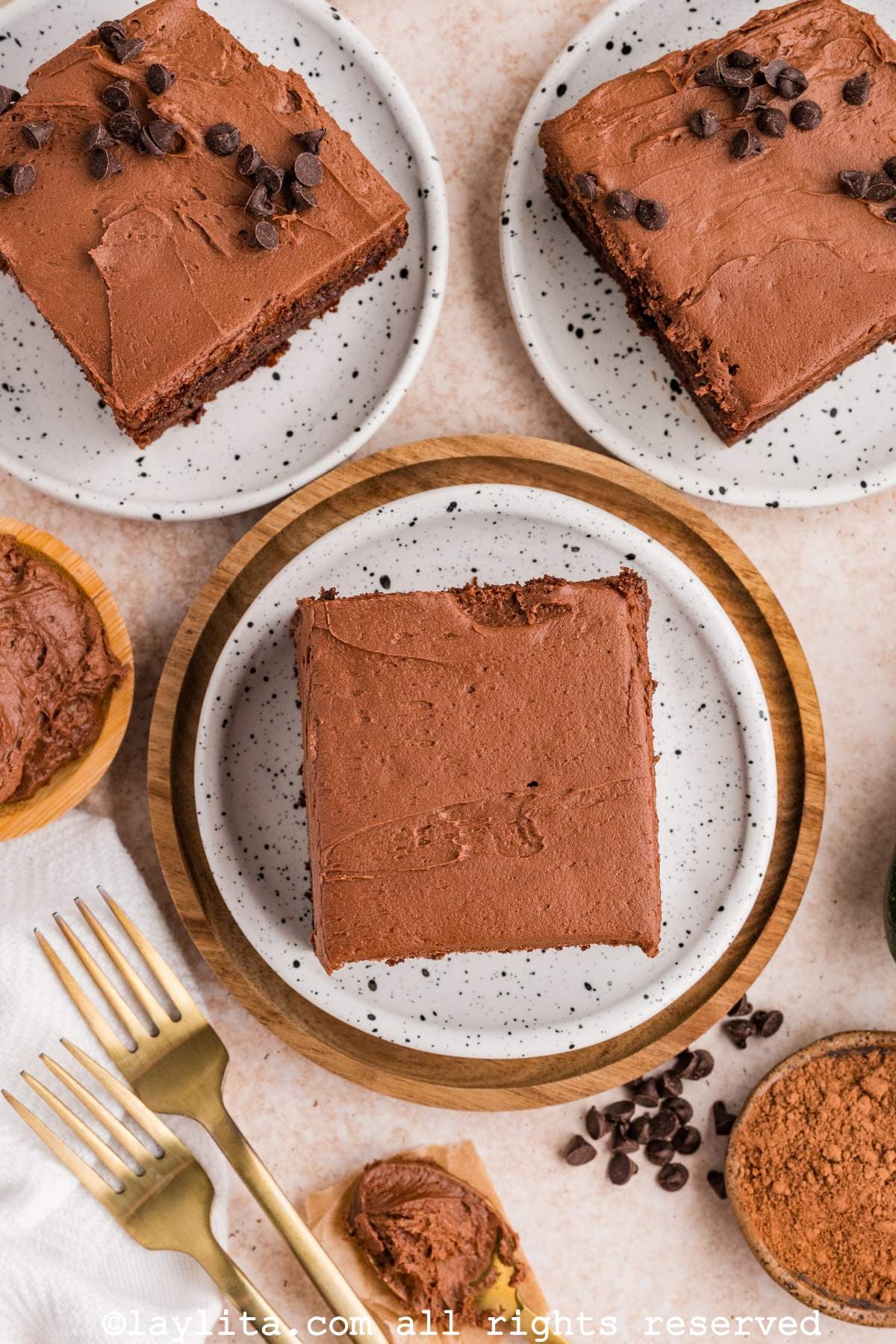
- Finishing: Applying a creamy, whipped chocolate frosting based on butter, cocoa, powdered sugar, and dairy, frequently accented with mini semi-sweet chocolate chips for textural contrast.
Storage and Preservation Guidelines
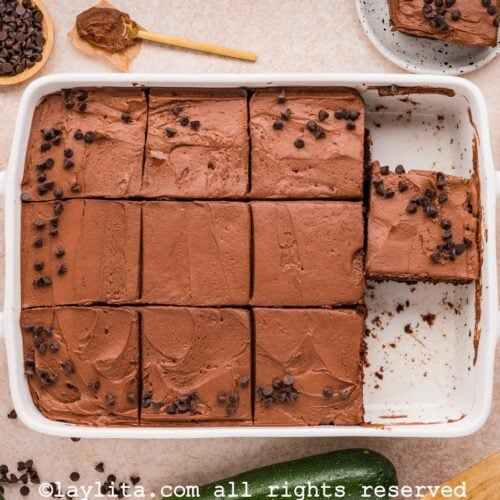
Due to the perishable nature of the high-moisture crumb and dairy-based frostings, food safety protocols dictate specific storage parameters. Frosted chocolate zucchini cakes maintain optimal quality when stored in sealed airtight containers under refrigeration for up to five days. To restore the intended texture, chilled portions require a 15-minute ambient temperature resting period prior to consumption. For long-term preservation, the un-frosted base cake can be wrapped in impermeable layers and frozen for up to three months, requiring a gradual thaw cycle before final assembly and presentation.
Broader Culinary Impact
The enduring popularity of vegetable-infused chocolate cakes underscores a shift in modern baking philosophy: the convergence of indulgence and resource management. By transforming an abundant garden vegetable into a vehicle for deep cocoa flavor, home bakers and professional pastry chefs alike continue to validate historical methods of sustainable, efficient kitchen practices.