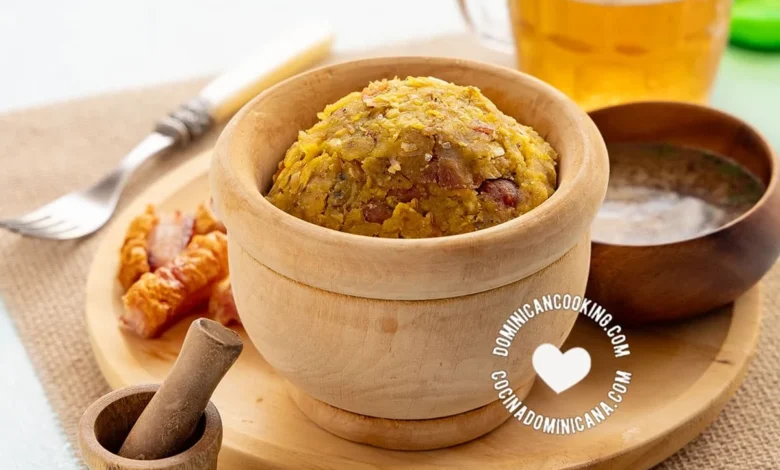
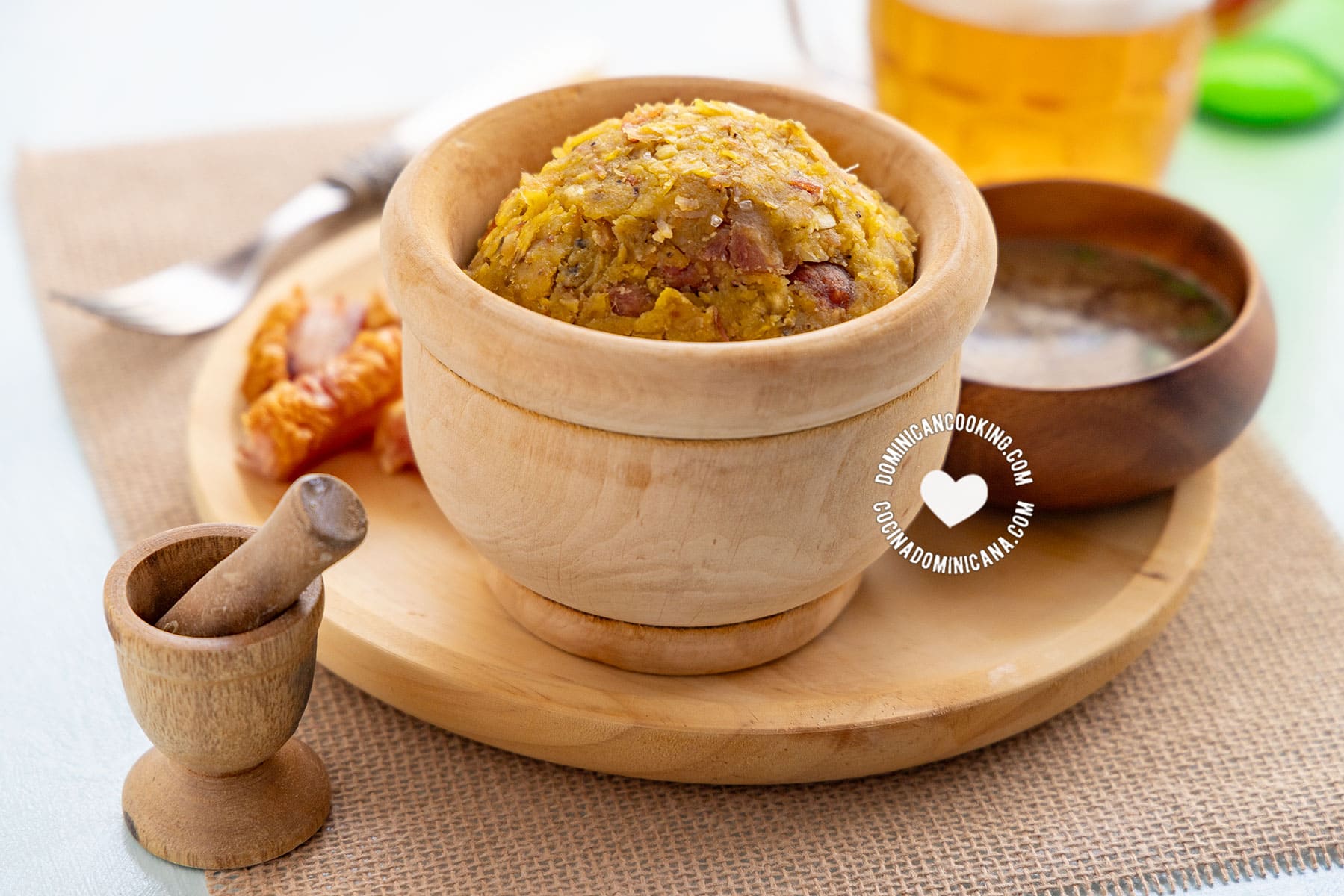
The culinary landscape of Caribbean cuisine is undergoing a quiet modernization, highlighted recently by the introduction of an air fryer adaptation for mofongo, one of the region’s most celebrated plantain-based dishes. Developed by culinary educator Clara Gonzalez, the recipe reinterprets the traditional Dominican and Puerto Rican staple by replacing deep-frying with air-frying technology. This adaptation addresses modern nutritional concerns—specifically high caloric intake and dietary fat—while preserving the signature textures and garlicky umami flavors that have defined the dish for generations.
Historical Evolution of Mofongo and Plantain Cultivation
Mofongo traces its deep roots to the Caribbean, drawing heavily on African culinary traditions brought to the islands during the transatlantic slave trade. Enslaved Africans utilized green plantains—a staple crop that thrived in tropical climates—as a versatile source of carbohydrates. Historically, plantains were frequently roasted over open fires or boiled before being mashed in wooden mortars, known locally as pilones, and combined with lard, chicharrón (fried pork cracklings), and garlic.

Over the centuries, the preparation methods evolved. While roasting remained common in early iterations, deep-frying the plantain chunks prior to mashing eventually became the dominant method across restaurants and households in Puerto Rico, the Dominican Republic, and the wider diaspora. This shift enhanced the dish’s rich, golden exterior and dense interior, but it also significantly increased its lipid profile and caloric density. A standard serving of traditional fried mofongo can easily exceed 700 to 900 calories, depending on the volume of oil absorbed during cooking and the quantity of pork fat added during the mashing process.
The Technological Shift: Air Frying in Caribbean Households
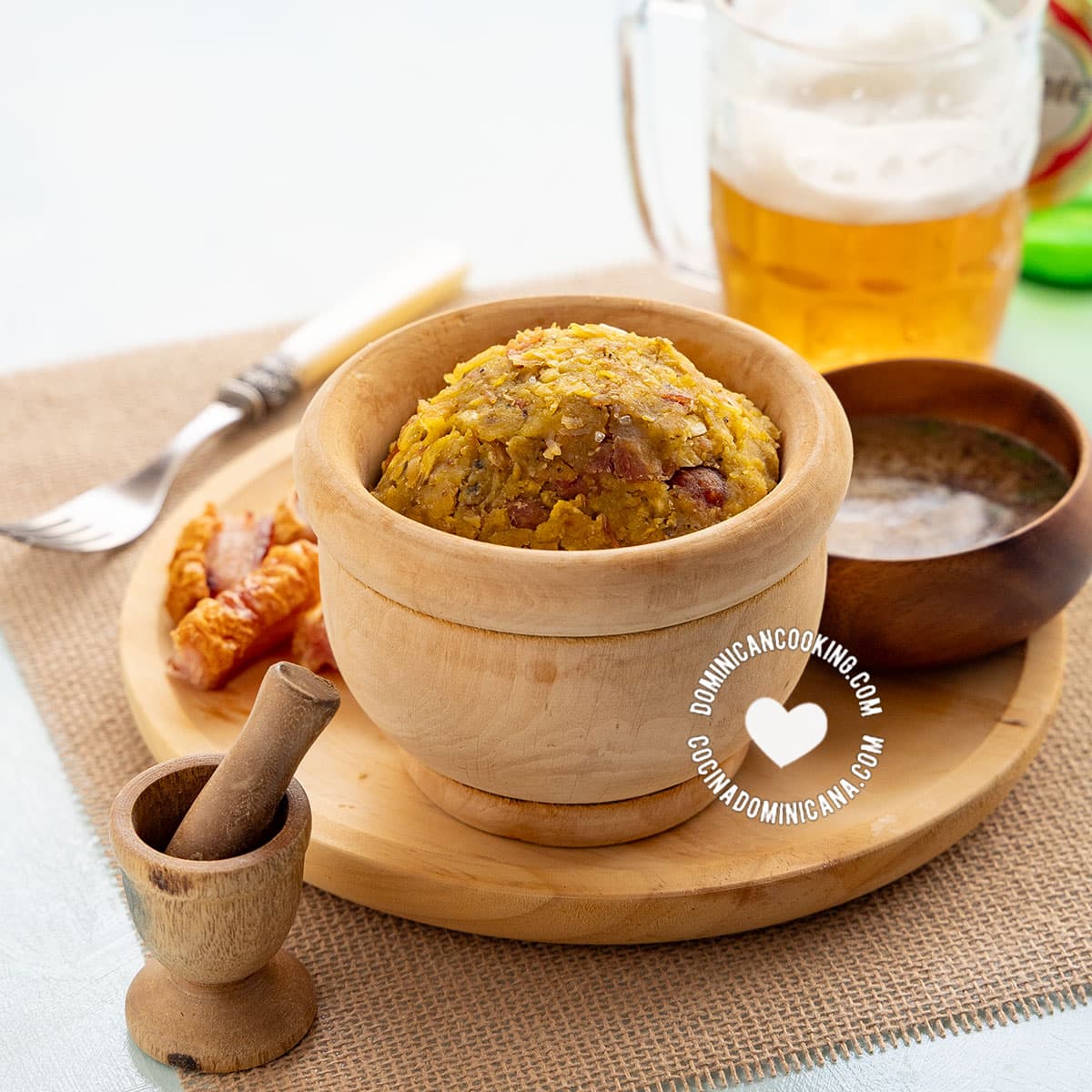
The integration of air fryers into Caribbean kitchens represents a broader global shift toward appliance-based convection cooking. Over the past decade, air fryers have gained immense popularity in Latin America and the Caribbean, praised for their ability to replicate the crisp texture of fried foods with a fraction of the oil.
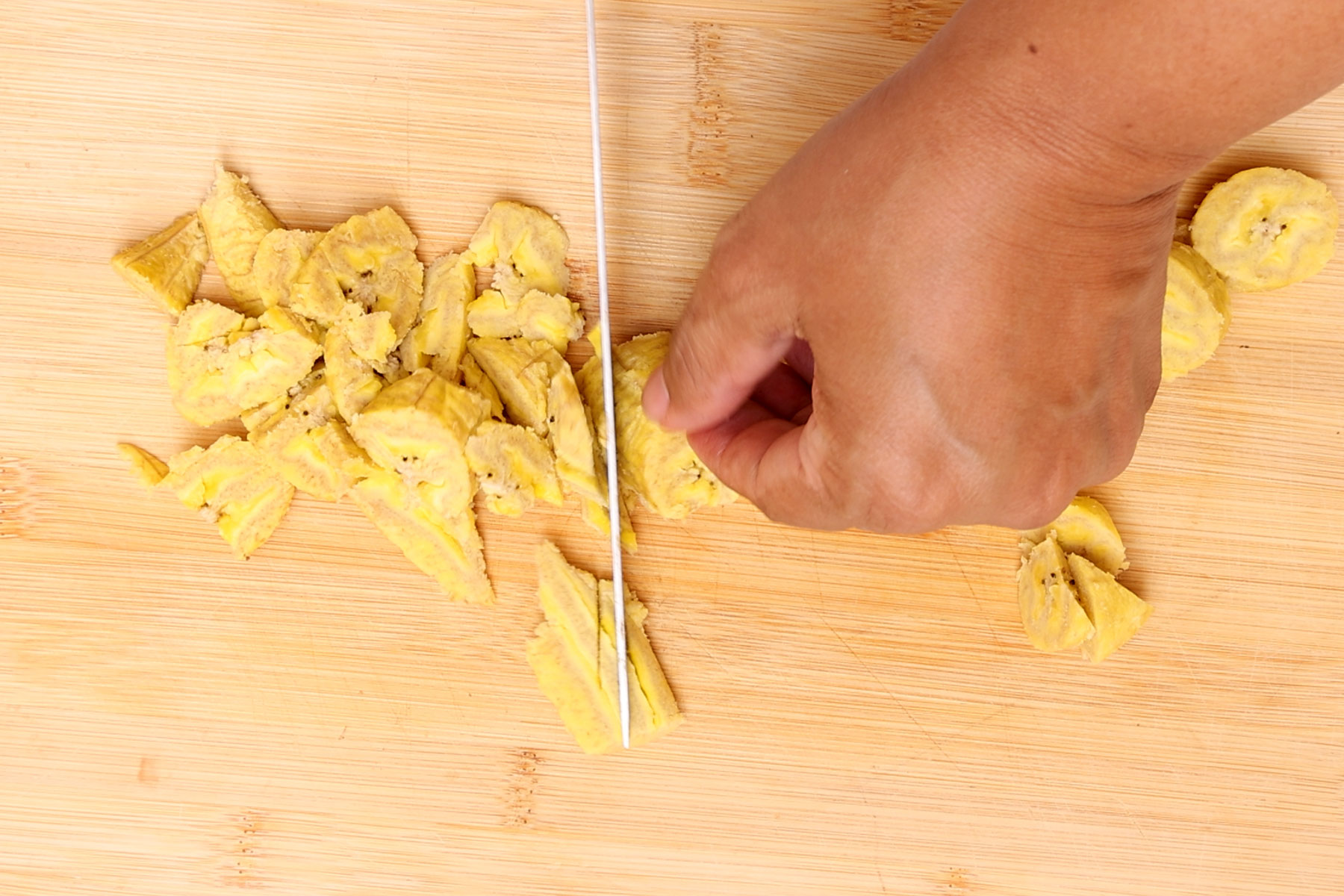
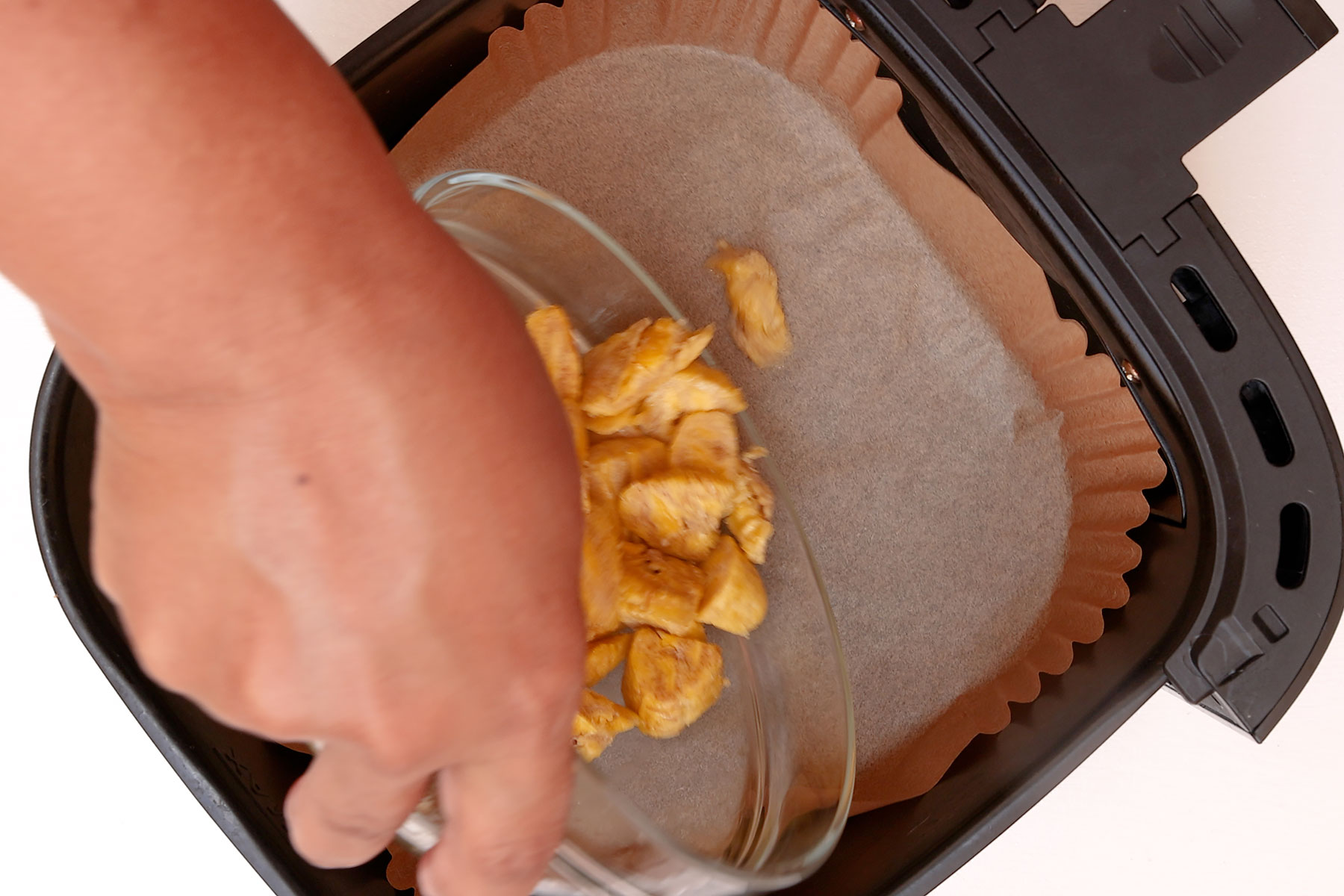
Gonzalez’s recipe adapts the traditional two-stage cooking process of mofongo. Instead of submerging raw plantain chunks in boiling oil for the initial softening phase, the air fryer circulates superheated air around the seasoned plantains, cooking them evenly from the inside out. After a secondary peeling and chopping phase, the plantains are processed and combined with traditional elements such as garlic paste, broth, and pork cracklings.
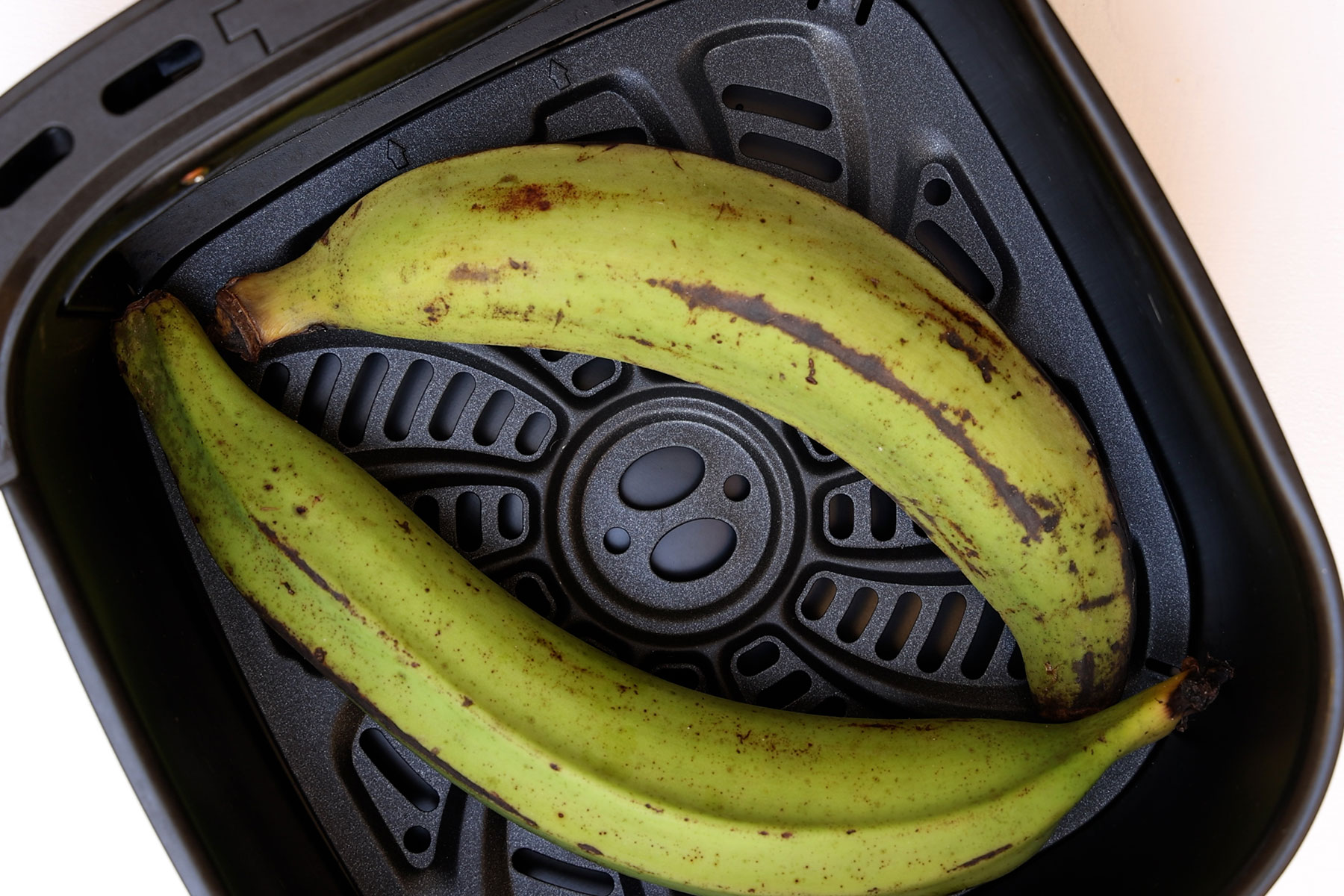
According to nutritional metrics provided in the recipe framework, the air-fried variant yields approximately 690 calories per serving, accompanied by 38 grams of protein, 58 grams of carbohydrates, and 36 grams of fat. While substantial, the elimination of immersion frying drastically reduces the amount of free-flowing saturated fats and simplifies the post-cooking cleanup process, a frequent deterrent for home cooks attempting traditional criollo dishes.
Cultural Significance of Plátano Power
The cultural footprint of the plantain within the Spanish-speaking Caribbean cannot be overstated. Often referred to colloquially under the cultural banner of plátano power, the fruit occupies a central pillar of identity, heritage, and daily gastronomy. The Dominican and Puerto Rican culinary repertoires feature plantains across every mealtime state: green and savory in mofongo, mangú (mashed green plantains), and tostones (twice-fried flattened slices); or ripe and sweet in maduros and pastelón (plantain lasagna).
Culinary historians note that adapting these foundational recipes for modern appliances reflects a delicate balance between cultural preservation and contemporary lifestyle demands. As younger generations navigate busier schedules and heightened awareness of cardiovascular health, traditional heavy-sauced or deep-fried dishes risk infrequent preparation. Innovation through kitchen technology allows these heritage recipes to remain viable components of everyday domestic cooking.
Broader Culinary and Market Implications
The release of modernized adaptations for traditional dishes points to a wider trend within food media and digital publishing. Recipe developers specializing in ethnic and regional cuisines are increasingly tasked with bridging the gap between authenticity and accessibility.
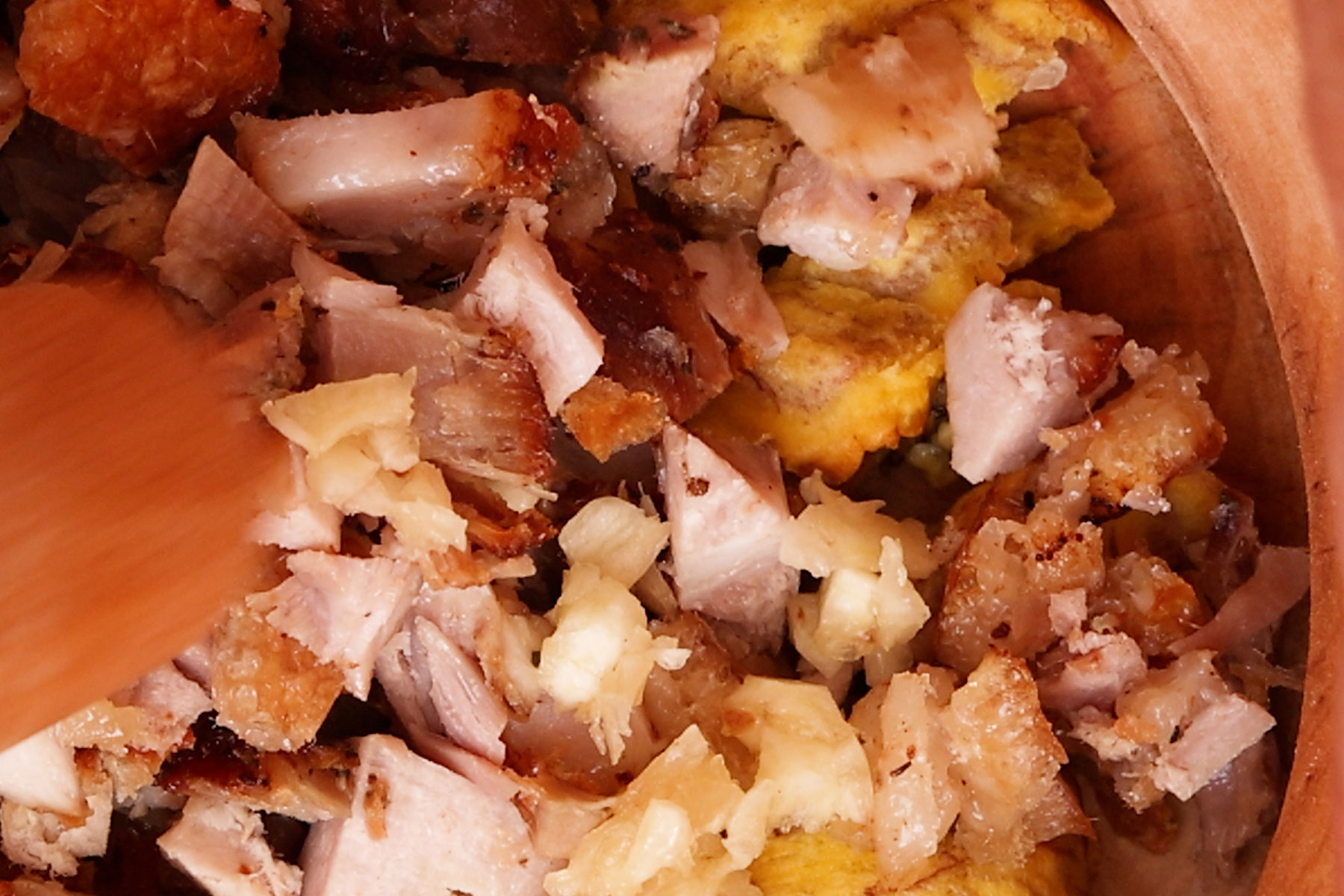
Food industry analysts observe that air fryer compatibility has become a primary search metric for online culinary platforms. Searches for terms such as how to make mofongo, paired with alternative cooking methods, have risen steadily as consumers seek healthier iterations of comfort foods without sacrificing cultural authenticity. By utilizing digital video formats alongside written instructions, creators like Gonzalez facilitate knowledge transfer across geographical boundaries, enabling diaspora communities worldwide to replicate complex Caribbean dishes with standardized kitchen equipment.
Future outlooks within Caribbean gastronomy suggest that further traditional recipes—such as pasteles, catibias, and various guanimes—may undergo similar technological reviews. As appliance manufacturers refine humidity and convection controls, the boundary between traditional hearth cooking and modern kitchen automation continues to blur, ensuring that foundational flavors endure in an evolving culinary ecosystem.