Elevating the Humble Blood Cockle: How Padang Sauce Transforms a Street Food Staple into a Culinary Phenomenon

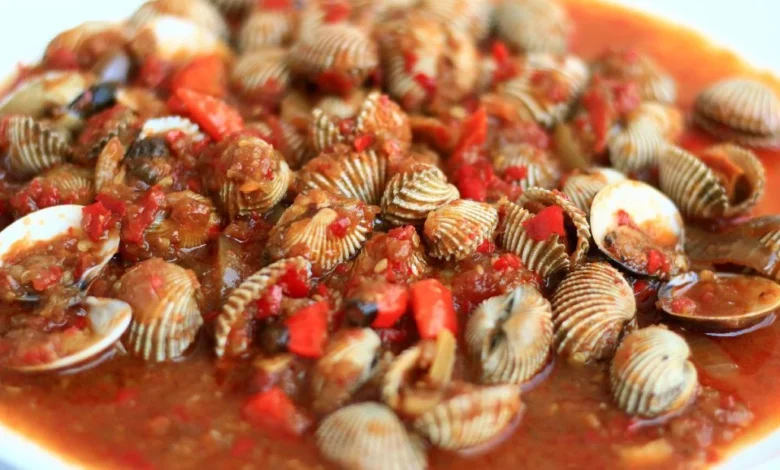
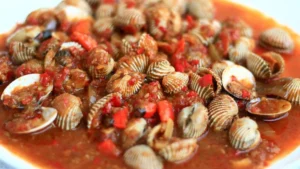
The culinary landscape of Indonesian street food is defined by its remarkable ability to elevate humble ingredients into dishes of extraordinary complexity and flavor. Among the myriad offerings found along the bustling night food stalls, or warung tenda, that line the thoroughfares of Jakarta and other major Indonesian cities, seafood occupies a position of profound cultural and gastronomic significance. While the options range from massive mud crabs to delicate prawns, few items enjoy the enduring popularity and universal appeal of the blood cockle, known locally as kerang dara. Traditionally consumed simply boiled and paired with a sharp chili dipping sauce, the blood cockle has undergone a significant gastronomic evolution. Today, food enthusiasts and culinary entrepreneurs alike are turning to rich, aromatic preparations—most notably the fiery and savory Padang sauce—to transform this traditional street food into a sophisticated dining experience that bridges the gap between roadside stalls and modern home kitchens.
The Cultural Significance of Indonesian Seafood Street Food
To understand the resurgence of interest in dishes like blood cockles in Padang sauce, one must examine the socio-cultural fabric of urban Indonesian dining. Street food culture, particularly the ubiquitous seafood tents, serves as a vital social equalizer. These establishments, often operating out of makeshift tents with brightly lit banners and simple plastic seating, emerge nightly to cater to a diverse demographic. Office workers, families, and students gather around communal tables to share platters of seafood tossed in various indigenous and modified regional sauces.
Historically, blood cockles were valued primarily for their accessibility and affordability. As an abundant resource harvested from the shallow coastal waters of the archipelago, they provided a reliable source of marine protein for coastal and inland communities alike. However, their preparation remained largely functional. Boiling the cockles in salted water until the shells parted naturally was the standard method, relying on the natural briny sweetness of the mollusk, complemented by a rudimentary chili paste, to deliver flavor.
Over the past two decades, the culinary preferences of urban Indonesians have shifted dramatically. Influenced by global food trends, the proliferation of cooking shows, and the democratization of culinary information through social media platforms, consumers demand greater sensory engagement from their meals. The introduction of complex flavor profiles—such as the sweet, sour, spicy, and savory notes characteristic of Padang cuisine—to classic ingredients like blood cockles represents a natural progression in the ongoing modernization of Indonesian street food.
The Anatomy of Padang Sauce: A Fusion of Traditions
Padang sauce, despite its regional moniker, is a fascinating example of culinary adaptation that largely diverges from traditional Minangkabau cuisine found in West Sumatra. While authentic Padang cuisine is celebrated for its dry, spice-laden rendang and complex gulai preparations utilizing coconut milk and turmeric leaves, the Padang sauce popularized by Indonesian seafood vendors is a hybrid creation tailored to urban palates.
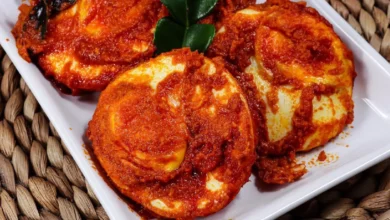
This rich, reddish-brown sauce typically features a robust base of red chilies, shallots, garlic, and ginger, sautéed until fragrant. The defining characteristics that set it apart, however, are the inclusion of tomato sauce or paste, sweet soy sauce, oyster sauce, and sometimes a splash of local chili sauce. This combination yields a sauce that is simultaneously spicy from the chilies, sweet from the soy and tomatoes, and deeply savory and umami-rich from the oyster sauce and aromatics.
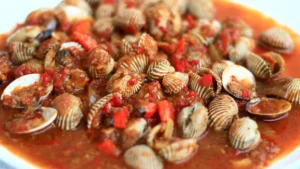
When applied to seafood, particularly bivalves like blood cockles, Padang sauce performs a crucial culinary function. The porous nature of the cockle meat allows the viscous sauce to cling effectively to every surface. Furthermore, the robust acidity and heat of the sauce cut through the natural iron-rich, metallic undertones that are characteristic of blood cockles, resulting in a balanced and harmonious flavor profile that lingers on the palate.
Nutritional Profile and Dietary Considerations of Blood Cockles
Beyond their undeniable culinary appeal, blood cockles possess a notable nutritional profile that contributes to their continued popularity among health-conscious consumers and families. Like many bivalve mollusks, blood cockles are an exceptional source of high-quality, lean protein while remaining relatively low in total fat.
Data from nutritional science indicates that blood cockles are particularly rich in essential minerals, most notably iron. The common moniker "blood" cockle derives from the high concentration of hemoglobin within their soft tissues, which gives the meat its characteristic deep red hue and makes it an effective dietary component for individuals seeking to prevent or manage iron-deficiency anemia. In addition to iron, these mollusks provide substantial amounts of vitamin B12, essential for neurological function and red blood cell formation, as well as zinc, selenium, and omega-3 fatty acids, which play a vital role in cardiovascular health and reducing systemic inflammation.
However, culinary experts and health authorities emphasize the importance of proper sourcing and preparation. Because bivalves are filter feeders, they accumulate substances present in their surrounding aquatic environment. Consequently, thorough cleaning—scrubbing the exterior shells and purging the interior of sand and grit—is a mandatory step before cooking. Furthermore, ensuring that the cockles are cooked to the appropriate internal temperature is essential to mitigate the risk of foodborne illnesses associated with consuming raw or undercooked shellfish.
The Resurgence of Home Cooking and Culinary Experimentation
In recent years, the boundaries between commercial restaurant cooking and domestic culinary practices have blurred significantly. The desire to recreate the distinct flavors of favorite street food vendors within the home kitchen has driven a surge in recipe-sharing, digital food content creation, and culinary experimentation.
Preparing blood cockles with Padang sauce at home offers several distinct advantages over dining out. Foremost among these is quality control. Home cooks can meticulously clean the ingredients, adjust the spice levels to suit personal or familial tolerances, and experiment with complementary additions such as sweet corn, quail eggs, or bruised lemongrass stalks to add extra layers of aroma and texture.
Industry analysts note that this trend toward home-based preparation of traditional street food items reflects a broader post-pandemic shift in consumer behavior. With more individuals investing time in culinary skill development, recipes that offer restaurant-quality results using accessible ingredients have gained immense traction. The blood cockle in Padang sauce stands out as a prime example: it requires standard pantry staples, a relatively modest financial investment, and a straightforward cooking process, yet yields a dish with dramatic visual and gustatory appeal.
Complementary Pairings and the Complete Dining Experience
In traditional Indonesian dining culture, the concept of a complete meal extends beyond the primary protein dish to encompass a careful balance of textures, temperatures, and flavors. When serving blood cockles in Padang sauce, culinary tradition dictates that the fiery, rich nature of the dish must be counterbalanced by simpler, more neutral accompaniments.
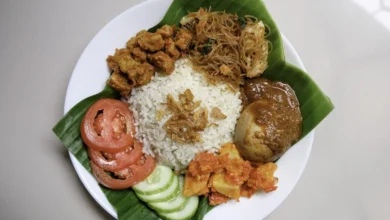
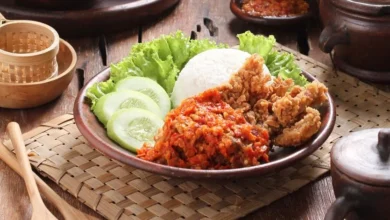
The foundational carbohydrate of choice is invariably steaming hot white rice. The neutral flavor and soft texture of the rice serve as an ideal canvas for the potent, clinging Padang sauce, ensuring that none of the complex seasoning goes to waste. To round out the meal and provide a refreshing contrast, vegetable dishes are virtually indispensable. Stir-fried water spinach, known locally as cah kangkung, seasoned with garlic and bird’s eye chilies, offers a crisp, vegetal crunch that cuts through the richness of the seafood. Alternatively, blanched bean sprouts (tauge) tossed lightly in sesame oil or soy dressing provide a subtle, watery crunch that refreshes the palate between bites of the spiced cockles.
Broader Economic and Market Implications
The enduring popularity of dishes featuring blood cockles and other accessible seafood items has tangible economic implications for local supply chains. Small-scale fishermen, aquaculture farmers, and traditional wet market vendors form the backbone of this culinary ecosystem. The steady demand for seafood staples ensures continuous economic activity within coastal communities and regional distribution networks.
Furthermore, the adaptation of traditional street food recipes into modern digital media content has created new economic opportunities for food creators, culinary instructors, and digital platforms. Recipes optimized for digital consumption drive engagement, foster community building around shared gastronomic interests, and ultimately stimulate commerce within the retail food and spice sectors.
As urban culinary landscapes continue to evolve, the ability of traditional ingredients to adapt to contemporary tastes ensures their survival and relevance. The transformation of the humble blood cockle through the medium of Padang sauce serves as a testament to the dynamic, innovative spirit of Indonesian cuisine—a cuisine that respects its roots while continually embracing new horizons of flavor and presentation.