Ten Years of Pan-Banging Innovation: The Evolution of the Viral Chocolate Chip Cookie with Brown Butter

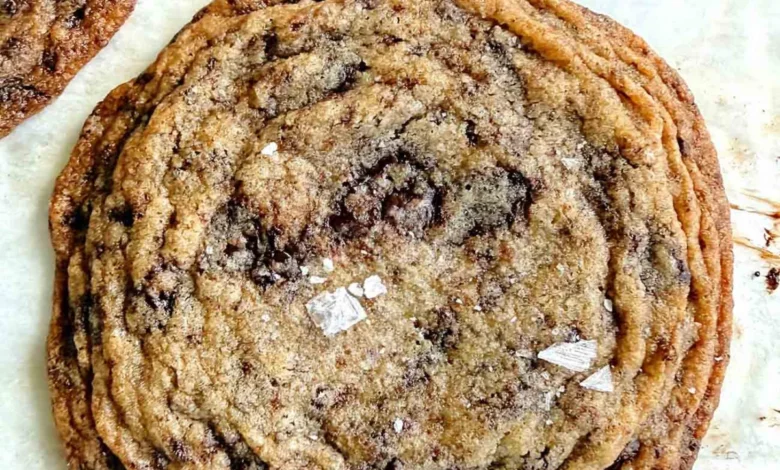
It has been a decade since the culinary world was introduced to a deceptively simple yet revolutionary baking technique that forever changed how home bakers approach chocolate chip cookies. Originally published a decade ago in the celebrated cookbook The Vanilla Bean Baking Book, the pan-banging chocolate chip cookie recipe quickly transcended the pages of print media to become a digital phenomenon. Today, the creator of the recipe has announced a significant evolution of the classic sweet: a new iteration incorporating browned butter, refined through months of kitchen testing to achieve an optimal balance of flavor and texture.
The Phenomenon of Pan-Banging: A Decade of Texture
While the act of tapping baking sheets in the oven is a historical practice utilized by various pastry chefs to flatten uneven layers or release air bubbles, the specific "pan-banging" method popularized a decade ago introduced a precise kinetic science to home baking. The technique requires bakers to deliberately tap the baking sheet against the oven rack every few minutes during the final stages of the baking process.
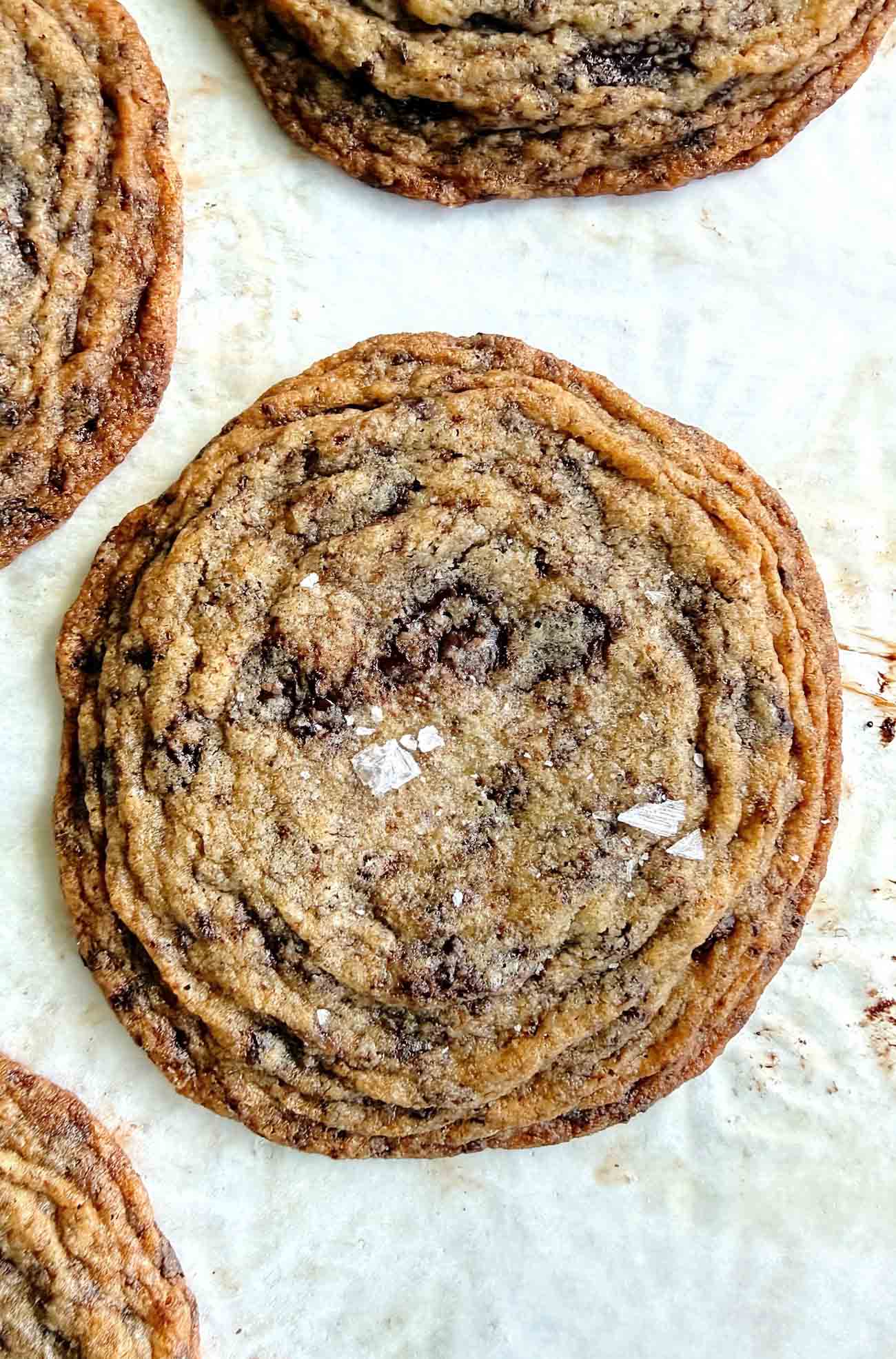
This intermittent disruption causes the edges of the expanding cookie dough to collapse inward successively, creating a series of concentric ripples along the perimeter. Beyond the distinctive visual aesthetic, this structural manipulation yields a highly sought-after dual-texture profile: a deeply caramelized, crisp outer edge that yields abruptly to a remarkably soft, gooey center. Over the past ten years, this technique has been replicated, adapted, and shared millions of times across social media platforms, cementing its status as a staple of modern domestic baking.
The Quest for Umami: Integrating Brown Butter
The decision to introduce brown butter—or beurre noisette—into the equation stems from a broader culinary trend toward incorporating complex, nutty flavor profiles into classic desserts. Browning butter involves melting dairy butter and gently cooking it until the water content evaporates, allowing the milk solids to toast to a golden-brown hue. This process triggers the Maillard reaction, producing rich notes of toffee, hazelnut, and toasted caramel.
However, the path to the definitive brown-butter pan-banging cookie was not immediate. Initial recipe development involved browning the entirety of the butter required for the batch. According to kitchen trials, this approach produced an overwhelmingly intense flavor profile that eclipsed the foundational elements of the chocolate chip cookie, resulting in a taste that was deemed overly heavy.
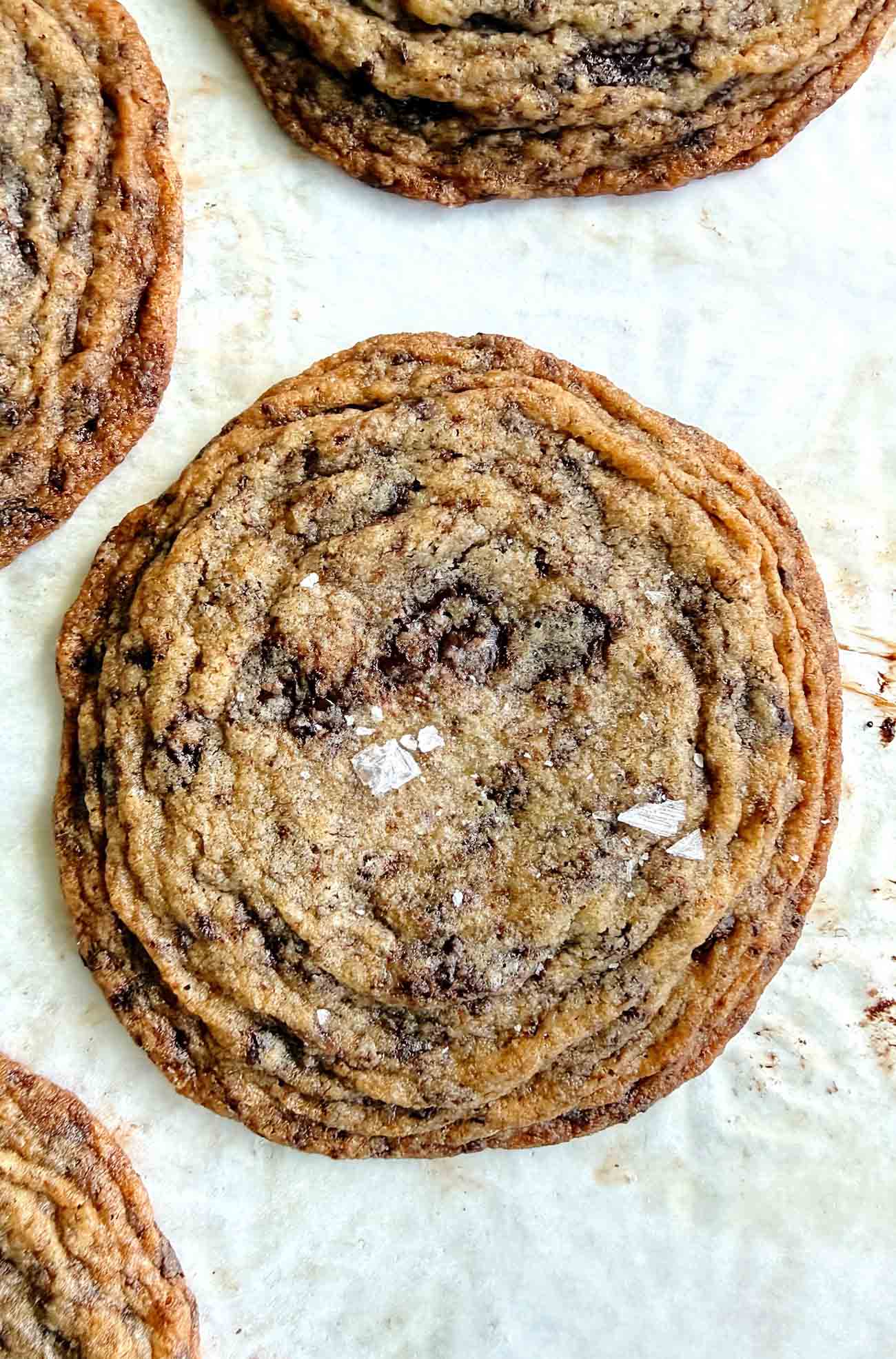
Subsequent testing led to a calibrated compromise: browning precisely half of the butter while keeping the remaining half in its traditional state. This hybrid method successfully introduced the complex, nutty undertones of toasted milk solids without overpowering the semi-sweet chocolate or masking the buttery sweetness of the base dough. The resulting flavor profile achieves a sophisticated balance that appeals to both traditionalists and contemporary pastry enthusiasts.
Refining the Technique: Salt Application and Pan Mechanics
In addition to the butter modification, the updated recipe introduces technical adjustments designed to maximize flavor integration and structural integrity. A notable change involves the application of flaky sea salt. Traditionally, flaky salt is sprinkled over cookies immediately after they emerge from the oven. The revised methodology, however, incorporates the salt prior to baking. This allows the mineral-rich salt crystals to partially integrate into the surface structure during the cooking process, mitigating the sharp, sudden salinity that can sometimes overwhelm the palate in post-bake applications.
Furthermore, recipe specifications emphasize the importance of dough geometry and thermal control. To achieve the signature crinkles and ridges, the cookies must be portioned into relatively large volumes of dough. Smaller portions fail to generate the necessary thermal mass required for the proper expansion and subsequent collapse of the outer ridges.
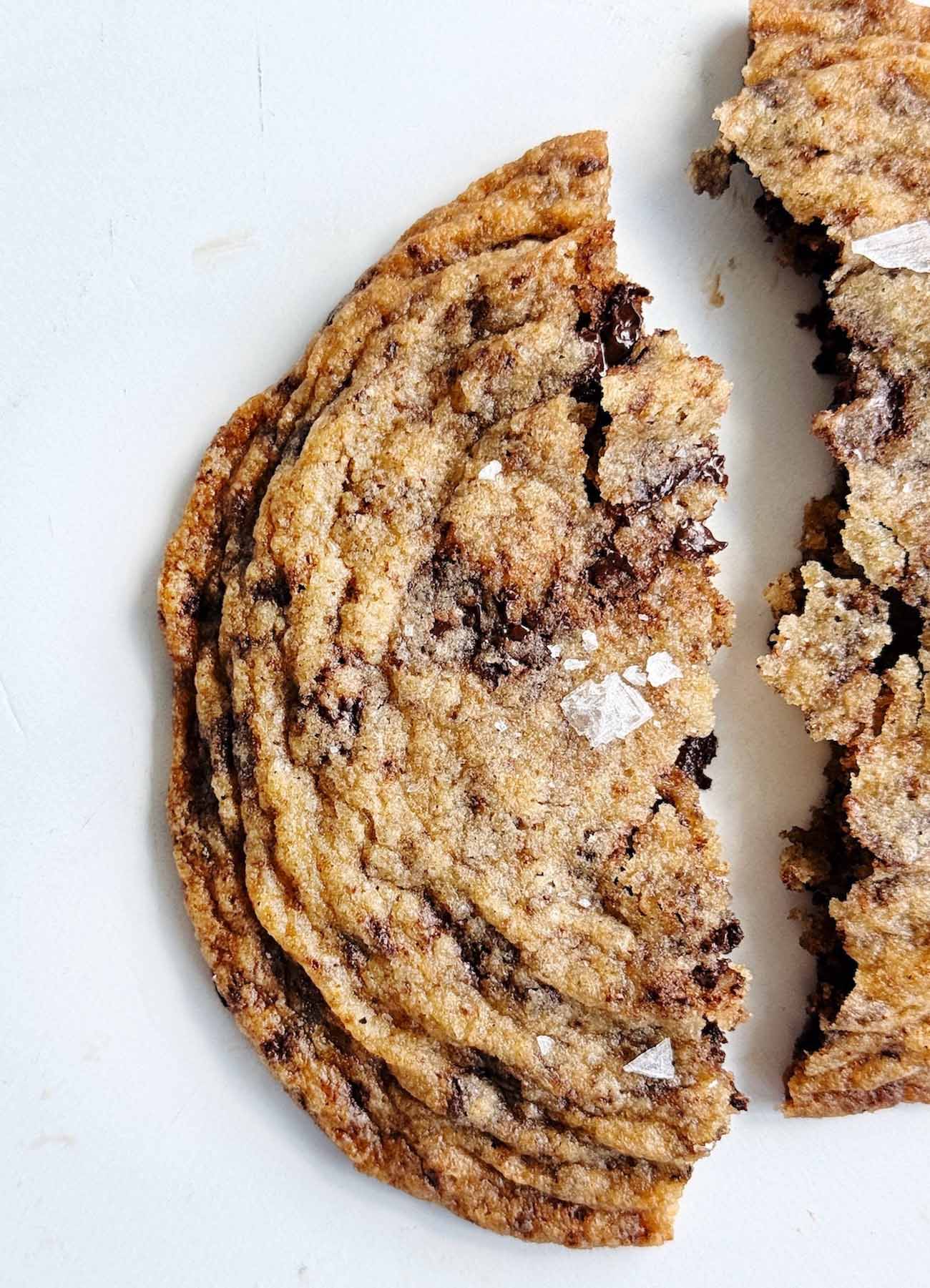
Temperature management also plays a critical role in the final product. While chilling cookie dough overnight is a standard industry practice designed to hydrate flour and enhance flavor complexity, the recipe notes that fully solidified, cold dough impedes the necessary spreading and rippling mechanism. Consequently, chilled dough must return to room temperature prior to baking to ensure proper textural development.
Finally, drawing on professional baking insights—specifically those of culinary expert Alice Medrich—the updated guidelines suggest utilizing the dull side of aluminum foil as a baking surface instead of standard parchment paper. This minor adjustment promotes enhanced thermal conductivity, resulting in an exceptionally crisp, evenly browned base beneath the soft center.
Industry Implications and the Longevity of Viral Recipes
The release of this updated iteration highlights a broader trend within the contemporary culinary landscape: the continuous iteration of legacy recipes in the digital age. Food journalism and recipe development have shifted from static print formats to dynamic online ecosystems where creators can continually refine, update, and troubleshoot their work based on community feedback collected over years of public execution.
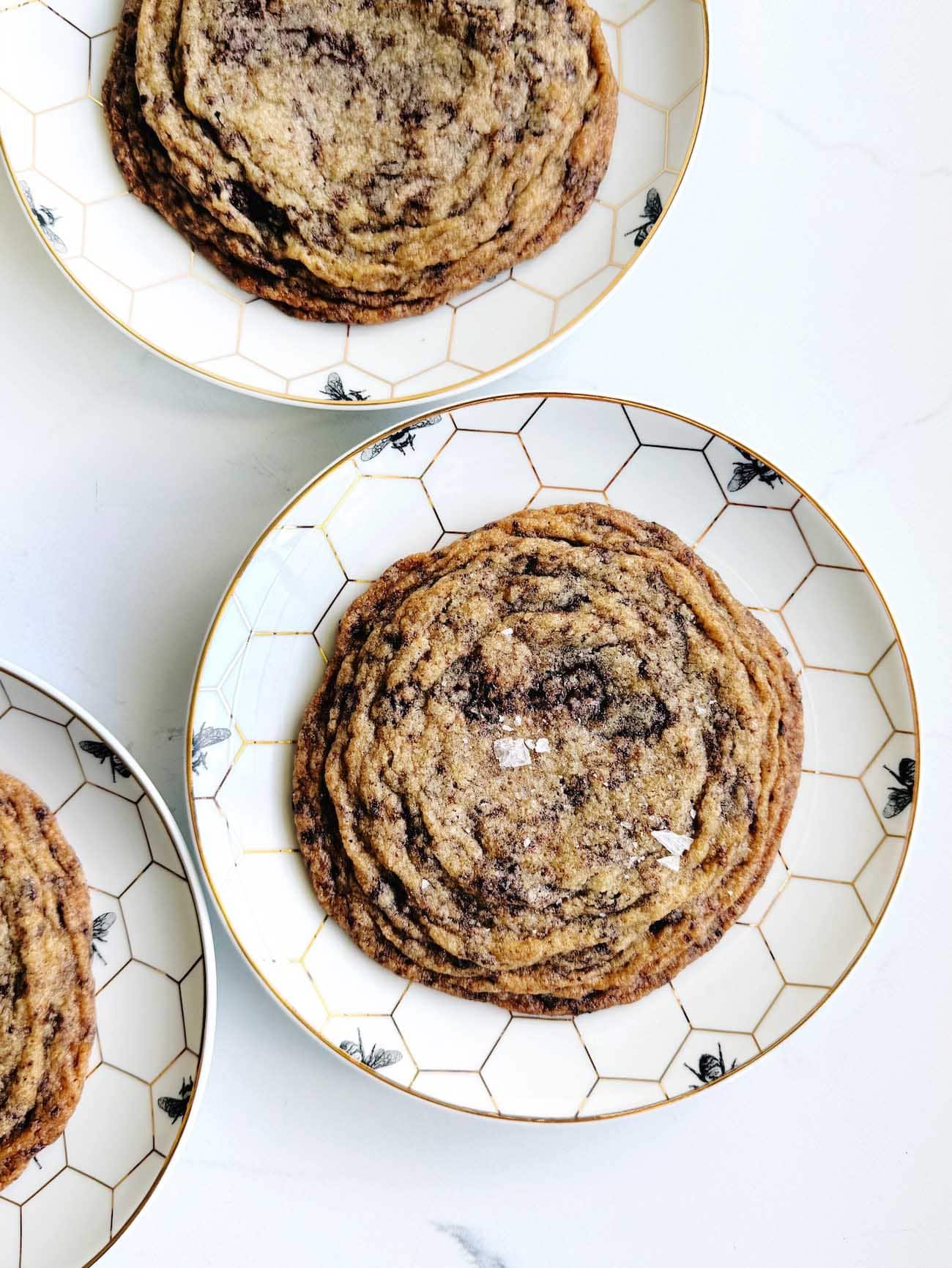
The enduring popularity of the pan-banging method demonstrates the resilience of tactile, engaging cooking techniques in an era dominated by convenience. By transforming the passive act of baking into an active, rhythmic process, the technique engaged a generation of home bakers, turning a routine kitchen chore into a participatory event.
As home baking continues to evolve, the integration of browned butter into this foundational recipe marks a mature milestone for a technique that began as a simple publishing experiment. Whether consumed warm straight from the oven, stored for days in a refrigerator, or gently revived in a toaster, the pan-banging chocolate chip cookie remains a testament to the enduring appeal of precision, experimentation, and structural innovation in the domestic kitchen.