Uncovering the Rare Mutation of Pink Chardonnay: The Wine World’s Best-Kept Secret

With over 520,000 acres planted globally, Chardonnay stands as one of the most widely cultivated and recognized white wine grapes in existence. Found in almost every major winemaking region from Burgundy to California, the versatile variety is celebrated for its diverse expressions, ranging from crisp and mineral-driven to rich and buttery. Yet, despite its ubiquity on wine lists and retail shelves, a rare and unusual mutation of the classic grape remains largely unknown to the general public: Pink Chardonnay.
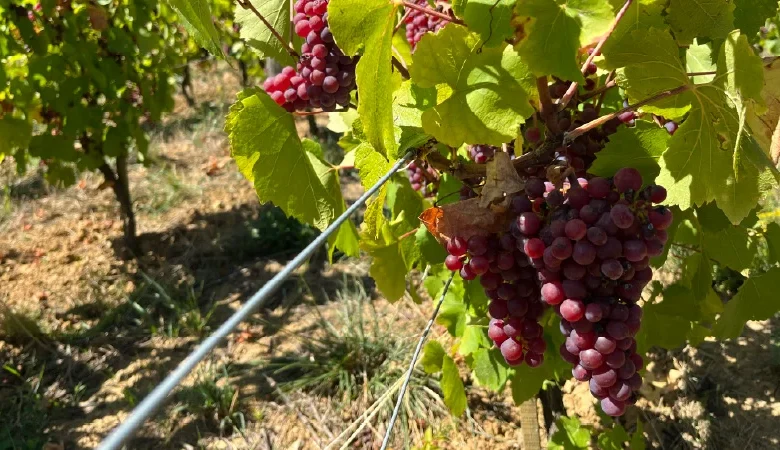
Also referred to as Chardonnay Rose, this distinct variant features naturally pink-skinned berries rather than the standard golden-green fruit associated with traditional Chardonnay. It is important to distinguish Pink Chardonnay from standard rosé wine, which is crafted using red wine grapes subjected to short periods of skin contact or maceration. Instead, Pink Chardonnay is a singular genetic variation of the white grape itself, possessing unique physical and structural traits that set it apart in the vineyard and the cellar. While once relegated to obscure pockets of historical vineyards, the mutation has recently captured the attention of natural winemakers, top-tier sommeliers, and regulatory bodies alike, sparking a quiet revolution within niche wine communities.
Historical Origins and Discovery in Burgundy
The history of Pink Chardonnay traces back to the early 20th century, with historical accounts and ampelographers pointing to its initial emergence in the Burgundy region of France. Much like other grape mutations that arose through natural propagation and vine-clipping—such as Pinot Gris and Pinot Blanc—Chardonnay Rose occasionally manifests spontaneously within older blocks of traditional Chardonnay vines.
For decades, these unusual pink-berried clusters were frequently overlooked, viewed by growers as mere anomalies or rogue mutations to be ignored during harvest. However, as certain viticulturists began paying closer attention to clonal diversity and massal selection—the practice of propagating new vines from cuttings of exceptional older plants—the unique characteristics of the pink mutation began to win favor.
Unlike its parent grape, Pink Chardonnay exhibits distinct physical properties in the vineyard. Growers note that the vines tend to be slightly more rustic, displaying increased vigor, enhanced density, and greater resilience against environmental stressors compared to standard Chardonnay, while maintaining a slightly lower overall acidity profile.
The Vanguard of Modern Production: Jura and California
The contemporary resurgence of Pink Chardonnay is heavily intertwined with the modern natural wine movement, particularly the growing global fascination with France’s Jura wine region. Renowned for its steep topography, limestone-rich soils, and preservation of obscure, historical grape varieties, the Jura has served as an incubator for experimental viticulture.
Stéphane Tissot, a prominent natural wine producer based in Arbois, France, is widely credited as a pioneer in bottling Chardonnay Rose as a single-varietal wine. Tissot’s encounter with the mutation occurred in 2004 when he acquired an aging vineyard plot containing approximately 30 bunches of the pink-skinned grapes. Recognizing their potential, he utilized massal selection to isolate the cuttings and eventually expanded the planting to nearly one hectare. Today, Tissot’s cuvée, "Rose Massale," yields a strictly limited production of roughly 2,000 to 4,000 bottles annually.
The influence of these rare vines has since crossed international borders, establishing a foothold in the United States. Winemaker Rajat Parr, operating through his cool-climate projects on California’s Central Coast—including Phelan Farm, Scythian Wine Co., and Brij Wines—has dedicated a specialized parcel to cultivating Pink Chardonnay. This marks the first recorded commercial production of the variety in the United States.
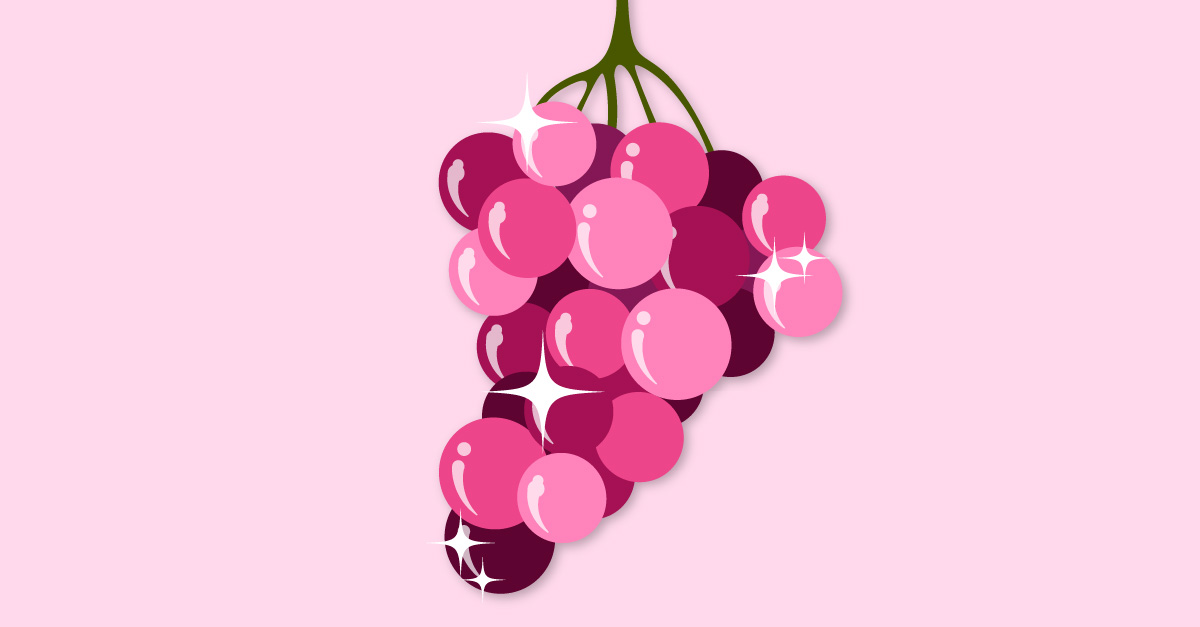
Parr emphasizes that successful cultivation of the mutation requires careful environmental conditions. Because the grapes must be harvested at the precise moment their skins achieve optimal ripeness and color development, the variety demands a cool climate. In warmer regions, the grapes would risk losing their structural acidity long before the characteristic pink pigmentation could fully develop. Due to these stringent agricultural requirements, production remains exceptionally scarce, with American yields hovering between 20 and 50 cases per vintage, primarily distributed through direct-to-consumer mailing lists.
Regulatory Milestones and Global Recognition
A significant turning point for the visibility of Pink Chardonnay occurred when regulatory authorities in the Champagne region officially added the grape to the list of permissible varieties for production. While the inclusion does not mandate widespread immediate adoption by mainstream houses, it grants the mutation official status within one of the world’s most prestigious and heavily regulated sparkling wine appellations.
Industry analysts view this regulatory acknowledgment as a catalyst for future agricultural experimentation. Although major Champagne houses have yet to release single-varietal Pink Chardonnay bottlings, forward-thinking producers known for boundary-pushing viticulture are widely anticipated to begin trial plantings in the coming years. This inclusion has already elevated the global discourse surrounding the grape, transforming an obscure viticultural curiosity into a recognized point of discussion among agronomists and wine historians.
Market Reception and Sommelier Perspectives
In the commercial sector, single-varietal expressions of Pink Chardonnay have found a receptive audience among high-end wine programs and adventurous consumers. Tira Johnson, corporate beverage director for the We All Gotta Eat Group, features single-varietal Pink Chardonnay bottles on the curated lists of New York City establishments such as Chez Fifi and Sushi Noz.
Johnson notes that while the wine occasionally elicits confusion from diners who mistakenly assume Chardonnay cannot yield pink-hued expressions, it ultimately serves as an engaging educational tool for Burgundy and Jura enthusiasts. According to Johnson, the tasting profile offers a familiar yet elevated experience, characterized by a distinct textural weight while retaining a structural kinship to traditional white Chardonnay.
Despite its growing appeal among sommeliers and natural wine aficionados, the commercial footprint of Pink Chardonnay remains microscopic. With limited acreage concentrated primarily in the hands of a few dedicated growers, bottles command high collector interest and are predominantly reserved for specialized hospitality venues and private allocations.
Broader Implications and Future Outlook
The burgeoning interest in Pink Chardonnay reflects a broader industry trend toward preserving genetic diversity and exploring historical mutations in an era dominated by standardized commercial clones. As climate change pressures traditional viticultural regions, the search for resilient, adaptable vine variations has gained urgency among producers seeking alternatives that can withstand shifting weather patterns without sacrificing quality.
Whether Pink Chardonnay will transition from a rare collector’s item into a more widely established commercial varietal remains to be seen. Industry experts suggest that its future depends heavily on the willingness of adventurous winemakers to invest time and acreage into massal selection. However, given the current momentum driven by producers in the Jura, California, and the shifting regulatory framework of Champagne, Pink Chardonnay is poised to transition from an obscure vineyard oddity into a recognized chapter in the evolution of modern winemaking.