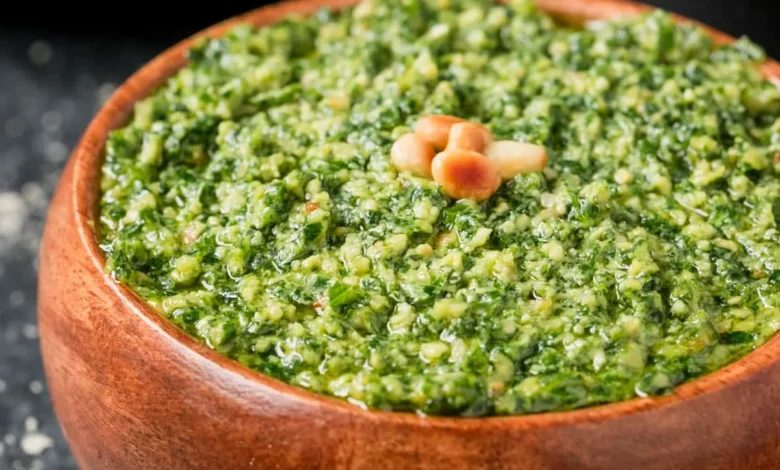
The culinary landscape has undergone a significant shift in recent years, with plant-based alternatives to traditional Mediterranean staples gaining unprecedented traction in both home kitchens and professional gastronomic settings. Among these innovations is the emergence of vegan kale pesto, a nutrient-dense modification of the classic Genovese recipe that replaces traditional basil and parmesan cheese with curly kale, nutritional yeast, and high-quality olive oil. This adaptation represents a broader trend in food science and nutrition: the optimization of leafy greens through mechanical processing to create shelf-stable, versatile, and allergen-friendly flavor enhancers.

Historical Context and Evolution of Pesto
Traditional pesto, or pesto alla genovese, originated in the Liguria region of Italy, historically composed of crushed basil, pine nuts, coarse salt, garlic, and hard cheeses like Parmigiano-Reggiano and Pecorino Sardo. The transition to vegan versions, specifically those utilizing kale, marks a departure from traditional dairy-based emulsions. While basil remains the standard for authentic Italian pesto, kale has been identified by food technologists and culinary researchers as an ideal substitute due to its fibrous structure and high density of vitamins A, K, and C.

The adoption of kale as a base for pesto gained momentum in the early 2010s as the "superfood" movement elevated the profile of brassica oleracea. By 2025, the integration of kale into sauces has become a staple of plant-forward meal planning, supported by the efficiency of modern high-speed food processors which allow for the breakdown of kale’s tougher cell walls in under ten minutes.

The Science of the Emulsion: Ingredient Breakdown
The technical success of a vegan kale pesto relies on the specific interaction of its components. Unlike basil, which is delicate and prone to oxidation, kale possesses a more robust flavor profile that requires careful balancing.

- The Base: Kale provides a hearty, earthy foundation. Because kale can lean toward bitterness, culinary experts suggest a quick blanching or a thorough massage in acidic components, such as lemon juice, to neutralize potential tannins.
- The Umami Factor: In the absence of traditional dairy, nutritional yeast has become the industry-standard substitute. It provides the essential glutamic acid required to mimic the savory depth of aged cheese.
- The Acidic Catalyst: Fresh lemon juice serves two purposes: it provides the necessary acidity to balance the bitterness of the kale and acts as a preservative to maintain the vibrant chlorophyll-driven green color, preventing the rapid browning often associated with pureed greens.
- The Lipid Component: Extra virgin olive oil serves as the carrier for flavor. When emulsified with toasted pine nuts—or cost-effective alternatives like sunflower seeds or walnuts—it creates a creamy texture that mimics the mouthfeel of traditional pesto.
Nutritional Profile and Health Implications
From a dietary standpoint, the substitution of kale for traditional basil-based pesto offers a different nutritional trajectory. According to standard caloric density reports for plant-based condiments, a serving of vegan kale pesto contains approximately 183 kilocalories, with roughly 17 grams of fat and 4 grams of protein.

The inclusion of kale significantly increases the dietary fiber content compared to traditional pesto, providing roughly 2 grams per serving. The presence of monounsaturated fats from olive oil, combined with the phytonutrients found in kale, aligns with current clinical recommendations for heart-healthy diets. However, nutritionists note that portion control remains vital, as the density of nuts and oils keeps the caloric load relatively high compared to other green sauces like chimichurri or salsa verde.

Standardized Preparation and Chronology of Execution
The preparation of this condiment is a model of culinary efficiency, often cited in modern meal-prep protocols. The standard sequence of operations is as follows:

- Preparation (Minutes 0–3): The garlic and lemon juice are combined first. This is a critical step in flavor development, as the acid begins to mellow the harshness of raw garlic, a process often referred to as "pickling" the aromatics.
- Toasting (Minutes 3–6): Pine nuts are toasted in a dry pan until golden brown. This step is essential for the Maillard reaction, which develops the nutty, complex notes necessary to anchor the sauce.
- Processing (Minutes 6–9): The kale and aromatics are combined in a food processor. The oil is added in a slow, steady stream. This technique is vital for creating a stable emulsion, preventing the oil from separating from the solids.
- Refinement (Minutes 9–10): The mixture is scraped down to ensure uniform consistency, a necessary step due to the varied density of kale leaves compared to the softer, water-heavy leaves of sweet basil.
Market Impact and Consumer Adoption
The rise of vegan pesto reflects a wider movement within the global food industry toward "flexitarian" eating. Retail data from the first quarter of 2025 indicates a sustained demand for non-dairy, plant-based spreads. The versatility of kale pesto—extending beyond pasta to include applications in pizza, grain bowls, and as a component for roasted vegetables—has positioned it as a "high-utility" ingredient.

Furthermore, the environmental implications of this shift are notable. Kale is a crop that is significantly more resilient and requires less water to produce in various climates compared to the specific high-humidity requirements of traditional Genovese basil. As supply chains become more localized, the ability to produce pesto from hearty, regional greens offers a more sustainable model for manufacturers and home cooks alike.

Storage and Shelf-Life Logistics
One of the most significant challenges in the commercial and domestic production of fresh pesto is shelf stability. Without the acidification provided by traditional cheese, vegan pesto is susceptible to bacterial growth and oxidation. Experts recommend that when stored in an airtight container, the product should be consumed within seven days if kept under constant refrigeration (below 4°C).

For long-term storage, the product is highly freezer-friendly. Freezing the pesto in ice cube trays allows for portion-controlled usage, extending the shelf life to approximately three months. This method of storage preserves the volatile flavor compounds, although some minor texture degradation may occur upon thawing, which is typically mitigated by stirring in a small amount of fresh olive oil before service.

Future Perspectives in Plant-Based Condiments
The success of the vegan kale pesto formula points toward a future where "pesto" is defined less by its specific ingredients and more by its structural technique—an emulsion of greens, fats, acids, and aromatics. Researchers are currently exploring the use of alternative nitrogen-fixing greens and various nut-free seeds, such as hemp or pumpkin seeds, to cater to the growing demographic of consumers with nut allergies.

As consumers continue to prioritize both health and environmental impact in their dietary choices, the refinement of recipes like this will likely continue. The transition from a traditional dairy-heavy sauce to a nutrient-dense, plant-based version is not merely a trend, but a permanent recalibration of how staple condiments are perceived in the modern global kitchen. By leveraging scientific techniques for flavor extraction and emulsion stability, the culinary industry has transformed a simple side sauce into a cornerstone of contemporary, health-conscious nutrition.