The Evolution of No-Knead Baking
The rise of no-knead bread recipes can be traced back to the early 2000s, popularized by food writers who championed the "slow fermentation" method. By eliminating the need for mechanical kneading, bakers rely on time and moisture to allow the gluten network to develop naturally. In the context of vegan baking, this technique has been refined to address the lack of eggs or dairy—ingredients often used to provide structure and richness.

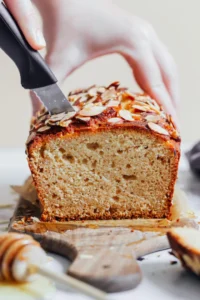
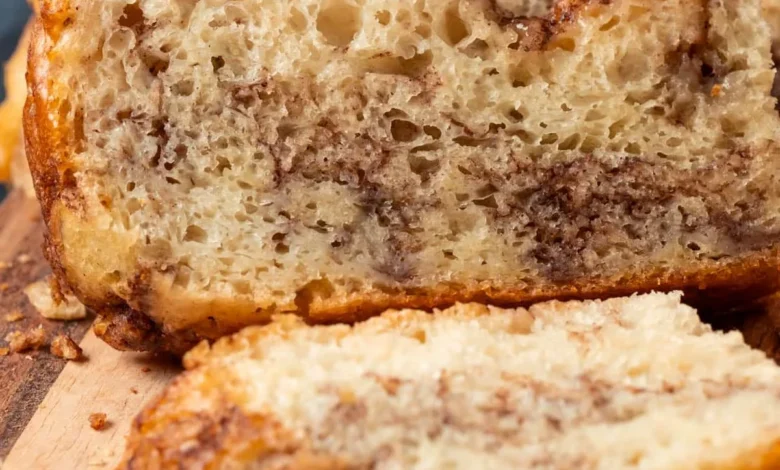
This specific iteration of vegan cinnamon bread utilizes a calculated ratio of flour, water, and instant yeast, combined with a cinnamon-sugar swirl. By utilizing a Dutch oven, the recipe replicates the conditions of a professional hearth oven, trapping steam to produce a thin, crispy crust and a soft, airy interior. This method has gained significant traction among home cooks who find traditional bread-making daunting, effectively democratizing the process of creating artisanal-style loaves.

Technical Composition and Preparation
The structural integrity of this bread is maintained through a straightforward, multi-stage preparation process. Unlike conventional bread that requires a strenuous 10 to 15 minutes of kneading, this recipe utilizes a "stir and wait" approach.

The process is divided into several technical steps:

- Dough Formation: High-protein all-purpose flour is mixed with instant yeast and salt. The hydration level is kept high, which is critical for the characteristic "open crumb" texture.
- Enrichment: The addition of plant-based fats, such as olive oil, replaces the traditional use of butter or lard. This ensures that the dough remains supple throughout the fermentation process.
- The Swirl Integration: The distinctive cinnamon-sugar component is introduced in layers. By utilizing a skewer to create patterns within the dough, bakers ensure an even distribution of spice, which prevents the sugar from pooling and creating structural weak points.
- Thermal Processing: The Dutch oven acts as a closed-loop system, containing the moisture released by the dough. As the temperature rises, this moisture gelatinizes the starches on the surface, creating a caramelized crust.
Nutritional and Dietary Context
Data from the plant-based food sector suggests that consumers are increasingly seeking "clean label" baked goods. A single slice of this cinnamon bread provides approximately 173 calories, 32 grams of carbohydrates, and 3 grams of protein.

From a nutritional standpoint, the elimination of dairy and eggs significantly reduces cholesterol levels, while the use of plant-based sweeteners and fats aligns with current dietary trends toward heart-healthy, low-saturated-fat alternatives. Furthermore, for those with specific dietary restrictions, the recipe demonstrates a degree of modularity; the flour base can be substituted with gluten-free alternatives, though this requires adjustments in hydration levels to maintain the necessary elasticity.

Market Implications and Culinary Trends
The emergence of such recipes signals a broader shift in how home bakers interact with complex culinary arts. Industry analysts note that "low-effort, high-reward" recipes are currently dominating social media platforms and cooking blogs, reflecting a societal trend toward self-sufficiency in the kitchen following the supply chain disruptions of the early 2020s.

The reliance on basic pantry staples—flour, yeast, sugar, and cinnamon—makes this recipe highly resilient to inflation and food scarcity. As bread prices continue to fluctuate in the commercial market, there has been a measurable increase in the "home-bakery" movement, with consumers turning to simple, cost-effective methods to supplement their grocery needs.

Storage and Preservation Protocols
A notable challenge with artisanal, additive-free bread is its shorter shelf life compared to commercially processed varieties. Professional bakers note that bread without preservatives undergoes staling—a process where starch molecules recrystallize—within 24 to 48 hours.

To mitigate this, the recommended protocol for this cinnamon bread is to store it in an airtight container for no more than 72 hours. For long-term preservation, freezing is the optimal method. By slicing the loaf before freezing, consumers can facilitate "direct-to-toaster" preparation, which effectively restores the moisture and texture of the bread without the need for thawing.

Expert Perspectives on Home Baking
Professional bakers and food scientists often emphasize that the success of a no-knead recipe lies in the patience of the fermenting stage. "The beauty of this method," notes one culinary analyst, "is that it respects the biology of the yeast. By not overworking the dough, you are essentially letting the ingredients perform the labor that a human hand would otherwise have to provide."

This sentiment is echoed by those in the plant-based community, who view the rise of such recipes as a victory for accessibility. By removing the barrier of technical skill—specifically the physical act of kneading—more individuals are encouraged to experiment with ingredients that might otherwise be considered intimidating.

Conclusion and Future Outlook
As the culinary world continues to embrace plant-based nutrition and simplified techniques, the popularity of no-knead cinnamon bread is likely to persist. It serves as a practical intersection between tradition and convenience, offering a high-quality product that aligns with the modern values of sustainability and home-based food production. Whether utilized as a component of a breakfast routine or as a dessert, this recipe remains a testament to the fact that sophisticated flavor and texture do not necessarily require complex, time-consuming preparation. The ongoing trend of sharing such methods across digital platforms ensures that these techniques will continue to evolve, with further iterations likely to include sourdough adaptations and ancient grain variations.