The Evolution of Pesto and Modern Culinary Adaptations
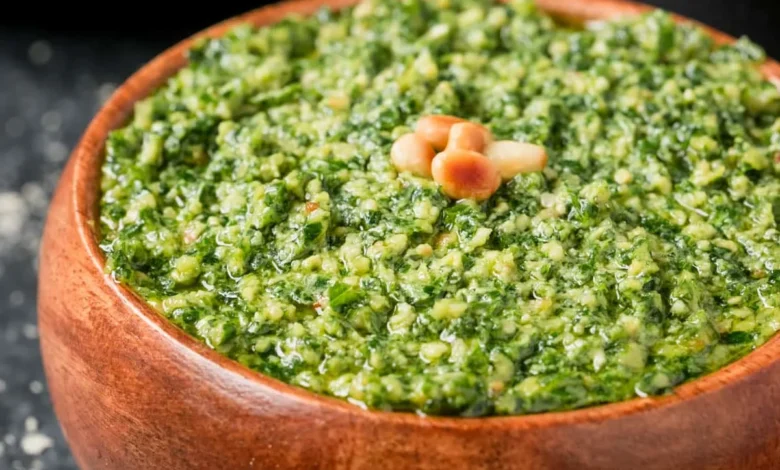
Traditionally, pesto—specifically pesto alla genovese—originated in the Liguria region of Italy, relying on basil, pine nuts, garlic, coarse salt, and hard cheeses such as Parmigiano-Reggiano or Pecorino Sardo. However, the rise of veganism and the increased focus on plant-derived superfoods have led to a diversification of the classic recipe. Kale, a cruciferous vegetable belonging to the Brassica oleracea family, has become a preferred base due to its high density of vitamins A, K, and C, and its robust flavor profile.

The integration of kale into pesto recipes serves as an example of "culinary upcycling," where nutrient-rich greens are repurposed into shelf-stable or freezer-friendly sauces. By utilizing a food processor to emulsify ingredients, the process reduces preparation time to approximately 10 minutes, aligning with the modern consumer demand for efficient, home-cooked, whole-food meals.

Nutritional Profile and Ingredient Analysis
The adoption of kale-based pesto offers distinct nutritional advantages. According to nutritional analysis, a standard serving of this preparation contains approximately 183 kilocalories, with 17 grams of healthy fats derived from olive oil and pine nuts. The protein content, bolstered by the addition of nutritional yeast—a deactivated Saccharomyces cerevisiae—reaches approximately 4 grams per serving.

Unlike traditional dairy-based pestos, this vegan variant is free from lactose and casein, making it a viable option for individuals with dairy sensitivities. The use of Dijon mustard acts as a flavor stabilizer, providing the acidity necessary to cut through the inherent bitterness of raw kale. Lemon juice serves a dual purpose: it brightens the flavor profile while also acting as a natural preservative, slowing the oxidation of the chlorophyll in the kale, which helps maintain the vibrant green color of the sauce.

Chronology of Preparation and Culinary Technique
The standardization of the vegan kale pesto production process involves a sequence of technical steps designed to optimize texture and flavor extraction.

- Acidulation and Maceration: The process typically begins by soaking minced garlic in lemon juice. This chemical reaction, known as maceration, reduces the sharp, pungent sulfur compounds in raw garlic, resulting in a more mellow, integrated flavor.
- Thermal Processing of Lipids: To enhance the aromatic profile of the sauce, pine nuts are briefly toasted in a pan. This process triggers the Maillard reaction, developing complex nutty flavors and deepening the color of the nuts before they are incorporated into the mixture.
- Mechanical Emulsification: The base ingredients—kale, toasted pine nuts, nutritional yeast, and seasonings—are processed until a coarse paste forms. The gradual addition of extra virgin olive oil while the processor is running is critical; this technique facilitates the formation of a stable emulsion, ensuring the oil does not separate from the solids.
- Consistency Adjustment: The final texture is adjusted by scraping the sides of the vessel to ensure uniformity. A well-executed pesto should retain some texture while maintaining a cohesive, spreadable consistency.
Broader Economic and Environmental Implications
The shift toward kale-based pesto reflects a larger trend in the food industry: the replacement of resource-intensive ingredients with those that have a smaller environmental footprint. The production of hard cheeses, such as Parmesan, requires significant land use and water consumption associated with dairy farming. In contrast, the cultivation of kale is relatively efficient, requiring less water and resulting in lower greenhouse gas emissions per kilogram of output.

Market analysts note that the growth of the vegan condiment sector, which includes pestos, tapenades, and spreads, is projected to continue as grocery retailers expand their "free-from" aisles. The ability to freeze this product for up to three months also appeals to consumers focused on reducing household food waste—a critical objective for sustainability-minded households.

Versatility in Contemporary Gastronomy
The application of vegan kale pesto extends beyond the traditional pairing with pasta. Culinary experts have identified several secondary uses for the preparation, including its function as a flavor-enhancer for toasted breads, such as ciabatta or sourdough, and as a base for vegan pizzas.

Furthermore, the sauce is increasingly being utilized in professional catering as a salad dressing or a component in grain bowls, providing a high-flavor-density element that requires minimal additional seasoning. This versatility reinforces the role of plant-based sauces as essential staples in a modern, flexible kitchen.

Storage and Quality Assurance
From a food safety and quality perspective, the shelf life of the pesto is limited to approximately one week under standard refrigeration (below 4°C). Because the product lacks the preservation benefits of high-sodium, aged cheeses found in traditional pesto, it is more susceptible to microbial spoilage.

Storage recommendations include the use of airtight glass containers, which minimize exposure to oxygen and prevent the absorption of odors from other refrigerated items. For long-term storage, the freezing of the pesto in ice cube trays is considered an industry-standard practice, allowing for portion-controlled use and maintaining the integrity of the sauce for up to 90 days.

Conclusion
The rise of the vegan kale pesto serves as a microcosm for the broader transformation of the culinary landscape. By prioritizing nutrient-dense vegetables and substituting animal-derived fats with high-quality plant oils, home cooks and manufacturers alike are creating products that are not only aligned with modern health standards but are also highly adaptable to diverse dietary requirements. As the market for plant-based condiments continues to mature, the focus will likely remain on optimizing these simple, 10-minute preparation methods to ensure that high-quality, sustainable food remains accessible to the general public.