Air Fryer Mofongo Recipe Brings Lighter, Modern Twist to Caribbean Culinary Tradition

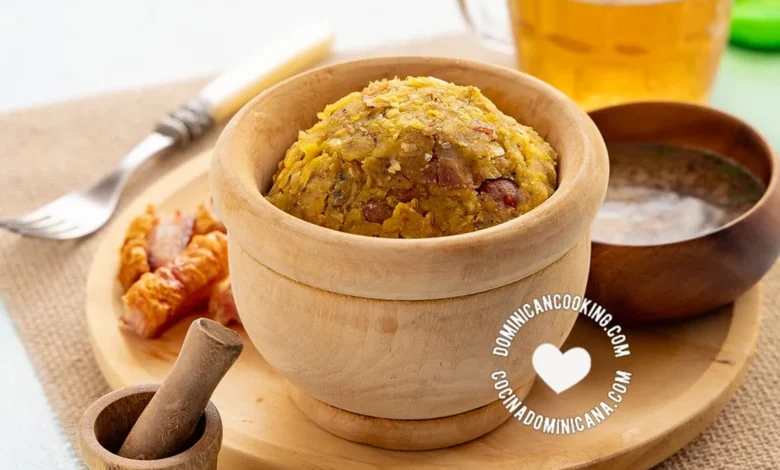
The culinary landscape of the Caribbean is undergoing a quiet revolution as home cooks and professional chefs alike find innovative ways to preserve traditional flavors while adapting to contemporary dietary preferences. Among the latest adaptations capturing regional and international attention is the air fryer mofongo, a reimagined version of one of the most iconic plantain dishes in Dominican and Puerto Rican gastronomy. Developed by culinary educator Clara Gonzalez of Dominican Cooking, this modern take swaps out traditional deep-frying methods in favor of circulating hot air, significantly reducing oil consumption and kitchen cleanup while maintaining the rich, savory profile that defines the classic dish.
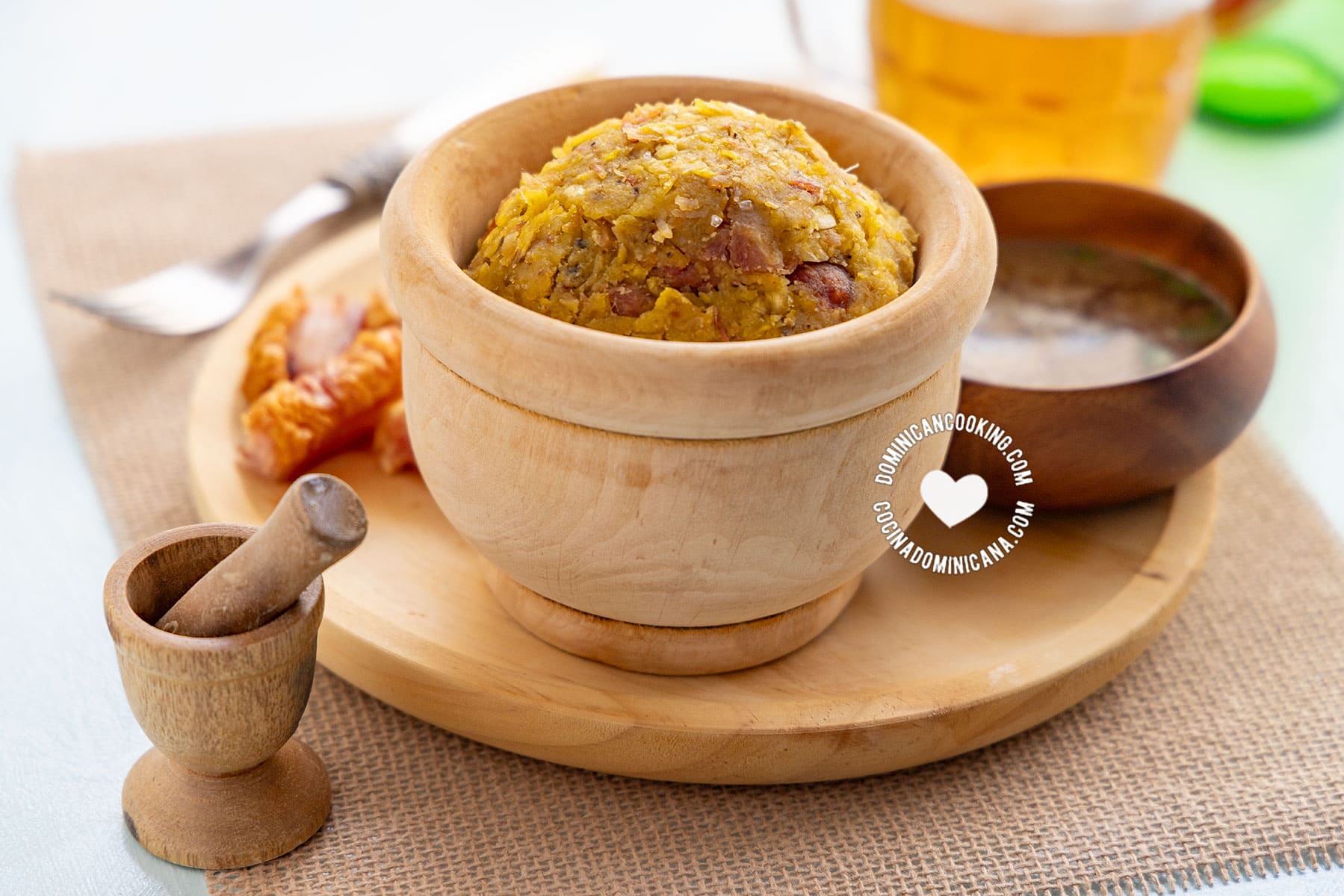
Mofongo holds a revered status across the Spanish-speaking Caribbean, particularly in the Dominican Republic and Puerto Rico, where green plantains serve as a foundational staple of the local diet. Traditionally, the dish consists of green plantains that are peeled, sliced, fried until golden and tender, and subsequently mashed in a heavy wooden mortar known as a pilón. The plantains are combined with copious amounts of garlic, salt, olive oil or broth, and typically crispy pork cracklings, known locally as chicharrón. The resulting mixture is molded into a dense, flavorful sphere or cylinder, often served alongside rich stews, seafood, or broths.
Despite its enduring popularity, the conventional preparation method presents notable challenges for modern households. Deep-frying plantains requires substantial quantities of cooking oil, which not only elevates the caloric content of the meal—pushing individual servings well past traditional dietary thresholds—but also creates significant oil splatter and requires extensive post-cooking kitchen maintenance. Furthermore, as consumers increasingly seek out healthier alternatives to fried foods without sacrificing authentic cultural flavors, culinary platforms have experienced a surge in demand for adapted heritage recipes.

The introduction of the air fryer mofongo addresses these contemporary kitchen pain points directly. By utilizing convection heat to cook the plantain chunks, the recipe eliminates the need for immersion frying while successfully replicating the tender interior and crisp exterior characteristic of the traditional preparation. According to nutritional breakdowns provided in the recipe parameters, a standard serving of this air-fried iteration yields approximately 690 kilocalories, paired with 58 grams of carbohydrates, 37 grams of protein, and 36 grams of fat. While substantial in nutritional density due to the inclusion of pork and rich seasonings, the method successfully curtails the excess surface lipids typically absorbed during deep-frying.
The integration of countertop air frying appliances into Caribbean kitchens represents a broader global trend in culinary adaptation. Over the past decade, air fryers have transitioned from novelty kitchen gadgets to ubiquitous household appliances worldwide. In the Caribbean diaspora and within the islands themselves, home cooks have embraced these appliances to replicate fried specialties—such as tostones, fritos maduros, and empanadas—with a fraction of the traditional fat content. Culinary historians note that this phenomenon mirrors historical adaptations of the dish itself; long before modern electric appliances existed, early iterations of mofongo relied on roasting plantains over open flames or embers, a technique conceptually similar to modern dry-heat convection cooking.
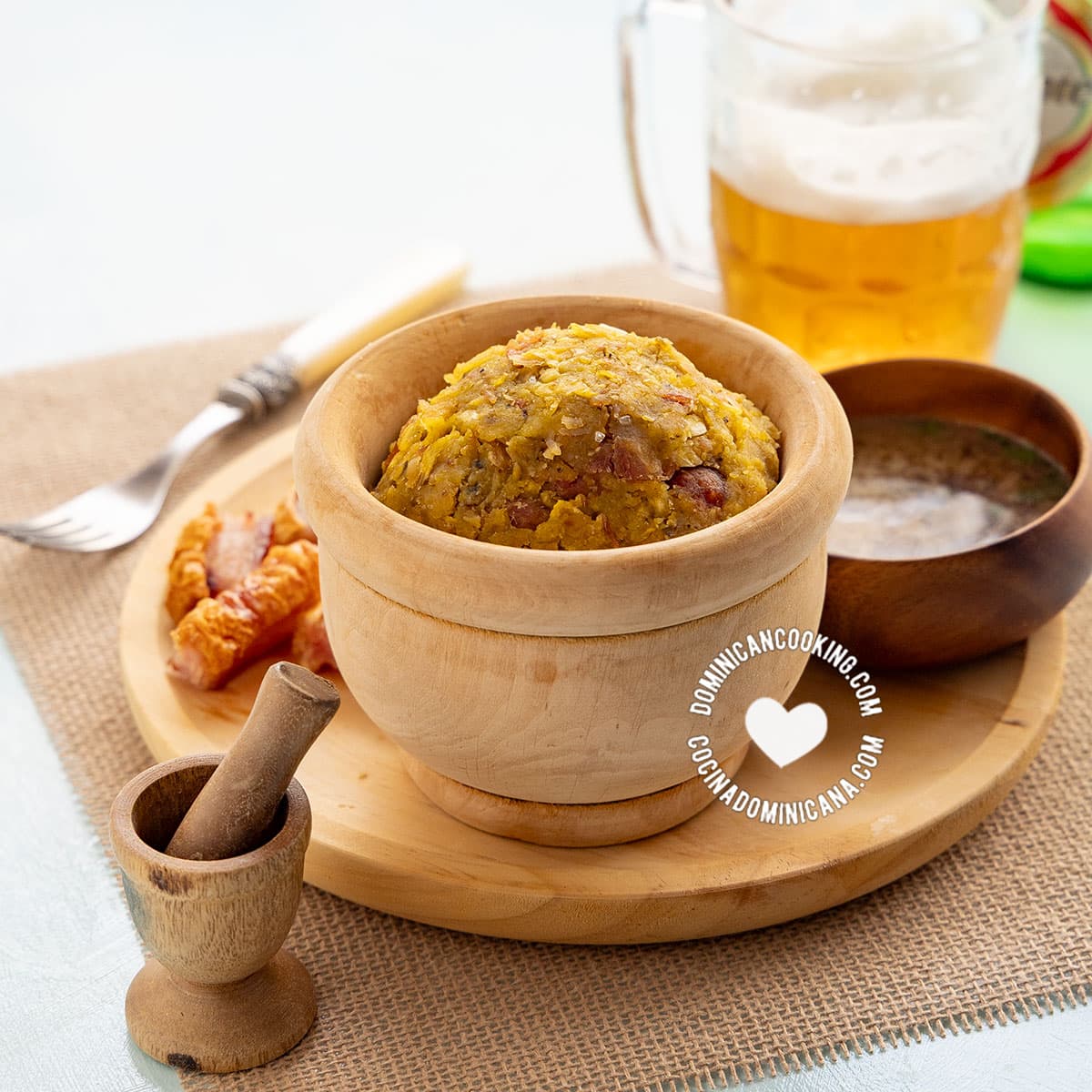
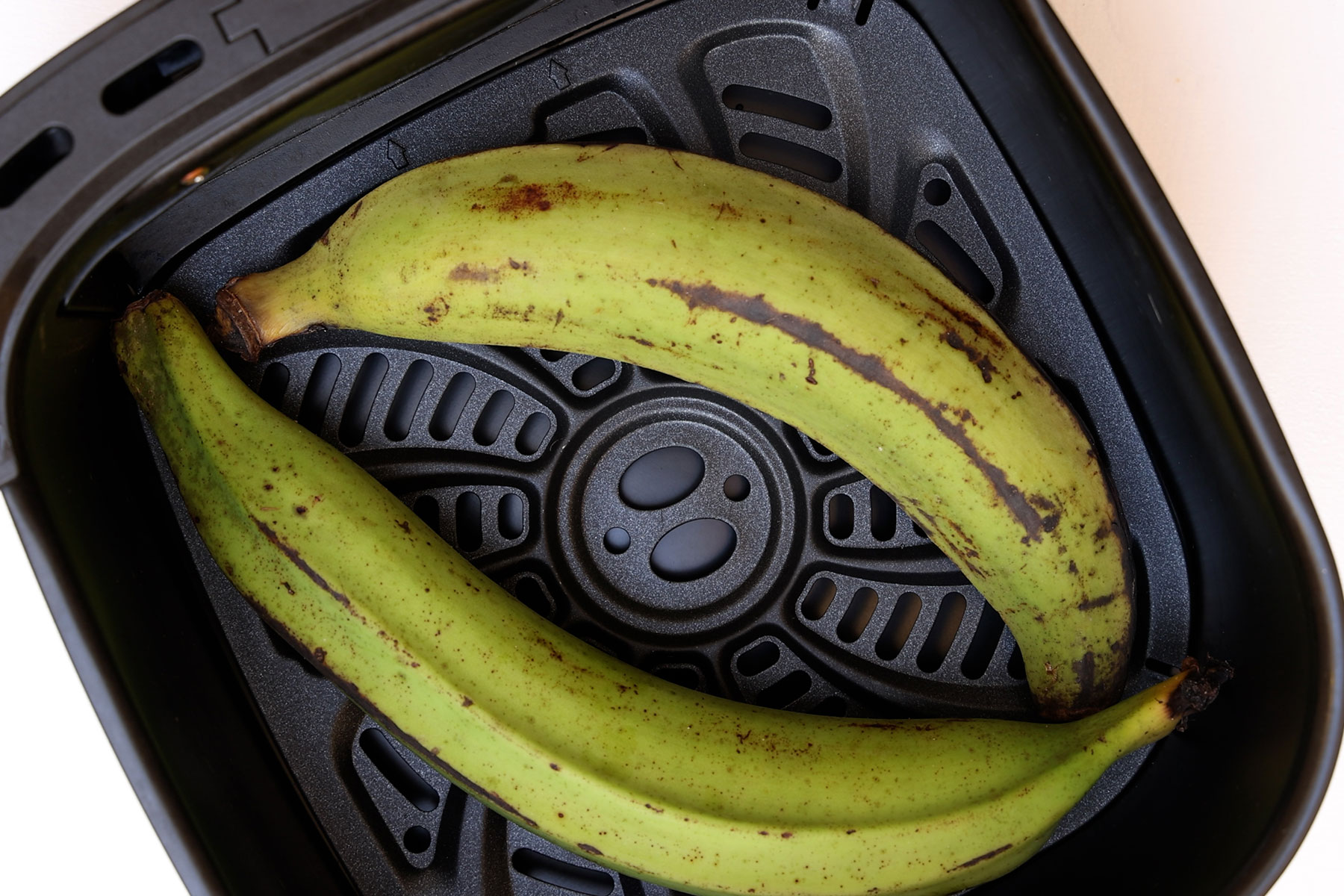
The procedural chronology of preparing air fryer mofongo follows a structured, multi-step process designed to ensure optimal texture and flavor distribution. Preparation begins with the peeling and slicing of raw green plantains, a task requiring specialized technique due to the fruit’s dense starch content and latex-like skin. The plantain pieces undergo an initial cooking phase inside the air fryer to soften the core, followed by a secondary phase after slicing or seasoning, depending on the specific recipe variant. Once heated through, the plantains are transferred to a traditional mortar and pestle—the pilón—where they are vigorously pounded and emulsified with minced garlic, fried pork skin, and targeted fats or broths. The entire preparation and cooking cycle requires approximately 50 minutes, split between 15 minutes of active preparation and 35 minutes of thermal processing.
Reactions from the culinary community and home cooking enthusiasts have underscored the broader cultural significance of such recipe innovations. Food ethnographers observe that adapting traditional recipes for modern appliances plays a crucial role in keeping heritage cooking alive among younger generations and busy urban professionals. Dishes that might otherwise be abandoned due to the perceived time commitment, mess, or health implications of traditional preparation methods are successfully preserved through modernization. Platforms specializing in Caribbean cuisine report heightened search traffic for terms related to healthier adaptations of traditional dishes, indicating sustained consumer interest in balancing cultural authenticity with nutritional mindfulness.
Beyond individual household kitchens, the broader economic and health implications of modifying traditional Caribbean diets are a subject of ongoing discussion among regional nutritionists. Dietitians frequently emphasize that while cardiovascular health benefits can be derived from reducing saturated fats and excess frying oils, preserving the cultural integrity and psychological satisfaction of traditional foods remains vital for community well-being. By maintaining the core ingredients—green plantains, fresh garlic, and savory proteins—recipes like air fryer mofongo demonstrate that dietary modernization does not necessitate a departure from cultural identity.
As consumer adoption of air fryers and similar convection-based cooking technologies continues to rise, culinary experts anticipate further experimentation within Caribbean gastronomy. The success of lighter mofongo variants opens pathways for reimagining other high-calorie heritage dishes, ranging from stuffed plantain cups to various fried root vegetable preparations. For now, home cooks seeking a balance between culinary nostalgia and contemporary convenience have embraced this technique as a viable addition to the modern kitchen repertoire, ensuring that the beloved flavors of the Caribbean continue to adapt and thrive in an ever-changing culinary landscape.