The Evolution of Enriched Bread Doughs
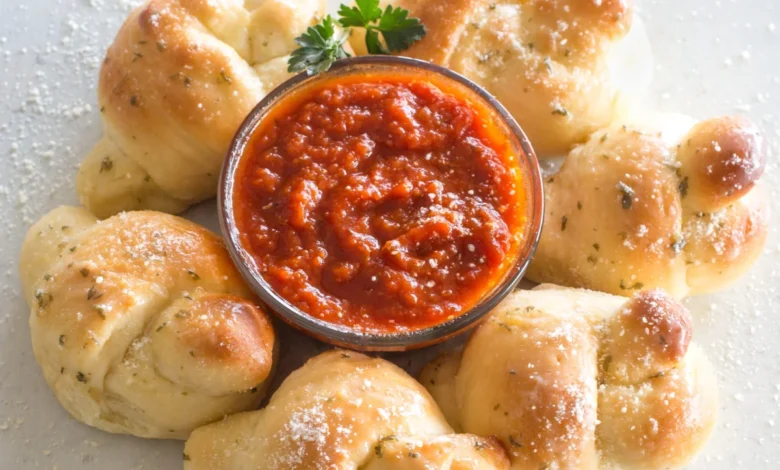
Historically, the garlic knot originated in New York City pizzerias during the mid-20th century as a functional solution to leftover pizza dough. By tying strips of dough into knots and baking them with garlic and oil, bakers were able to reduce food waste while providing a low-cost side dish. However, these traditional knots were often characterized by a dense, chewy crumb that required significant mastication.
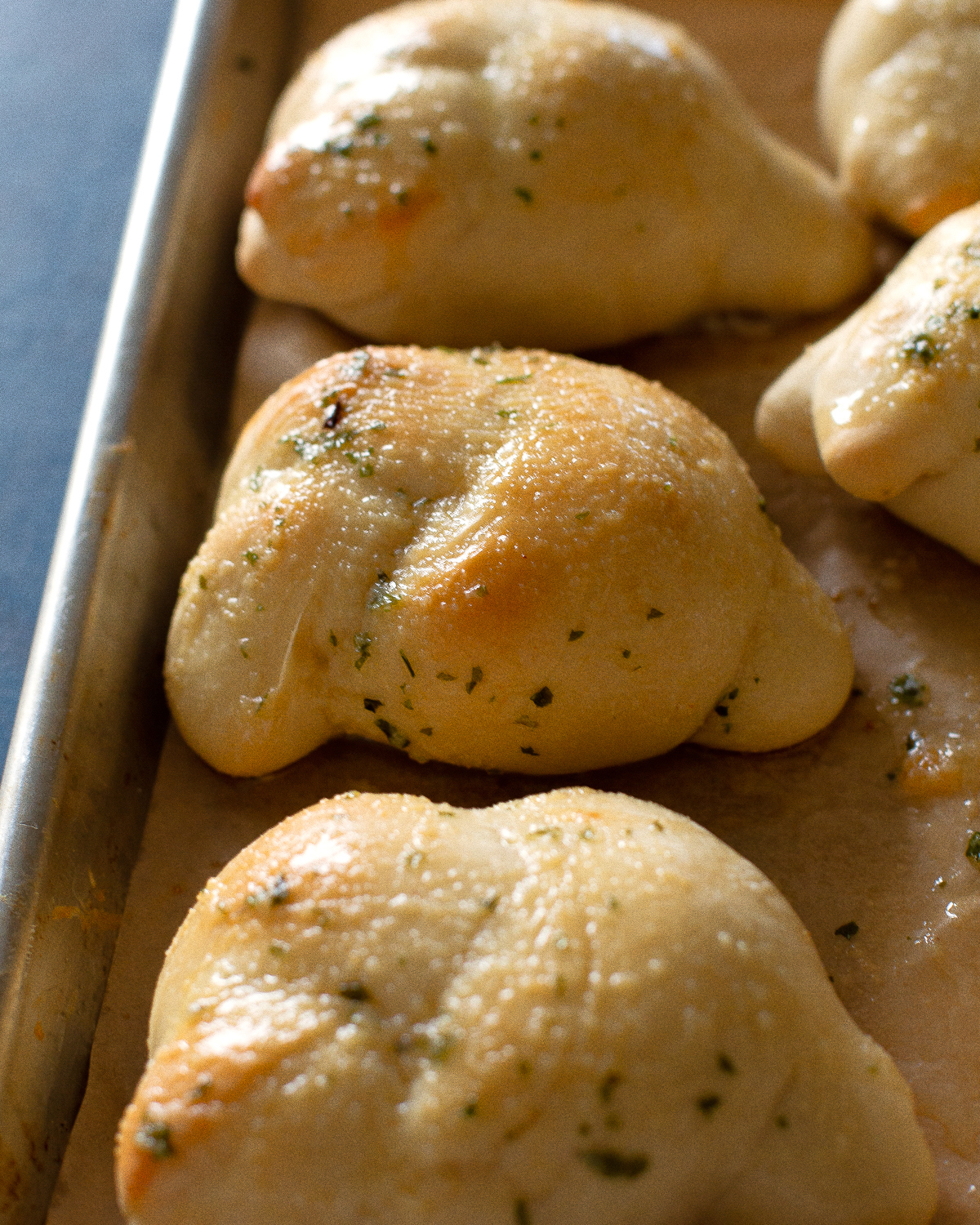
Modern culinary analysis suggests a paradigm shift toward "enriched" doughs. Unlike standard pizza dough—which typically consists of flour, water, yeast, and salt—enriched doughs incorporate fat sources such as milk, butter, and eggs. The inclusion of these ingredients serves a specific chemical purpose: the fat coats the gluten strands, resulting in a significantly softer, more tender structure. This transition has moved the garlic knot from a utilitarian leftover to a deliberate, standalone menu item suitable for formal dinners and casual gatherings alike.
Nutritional Composition and Ingredient Profiles
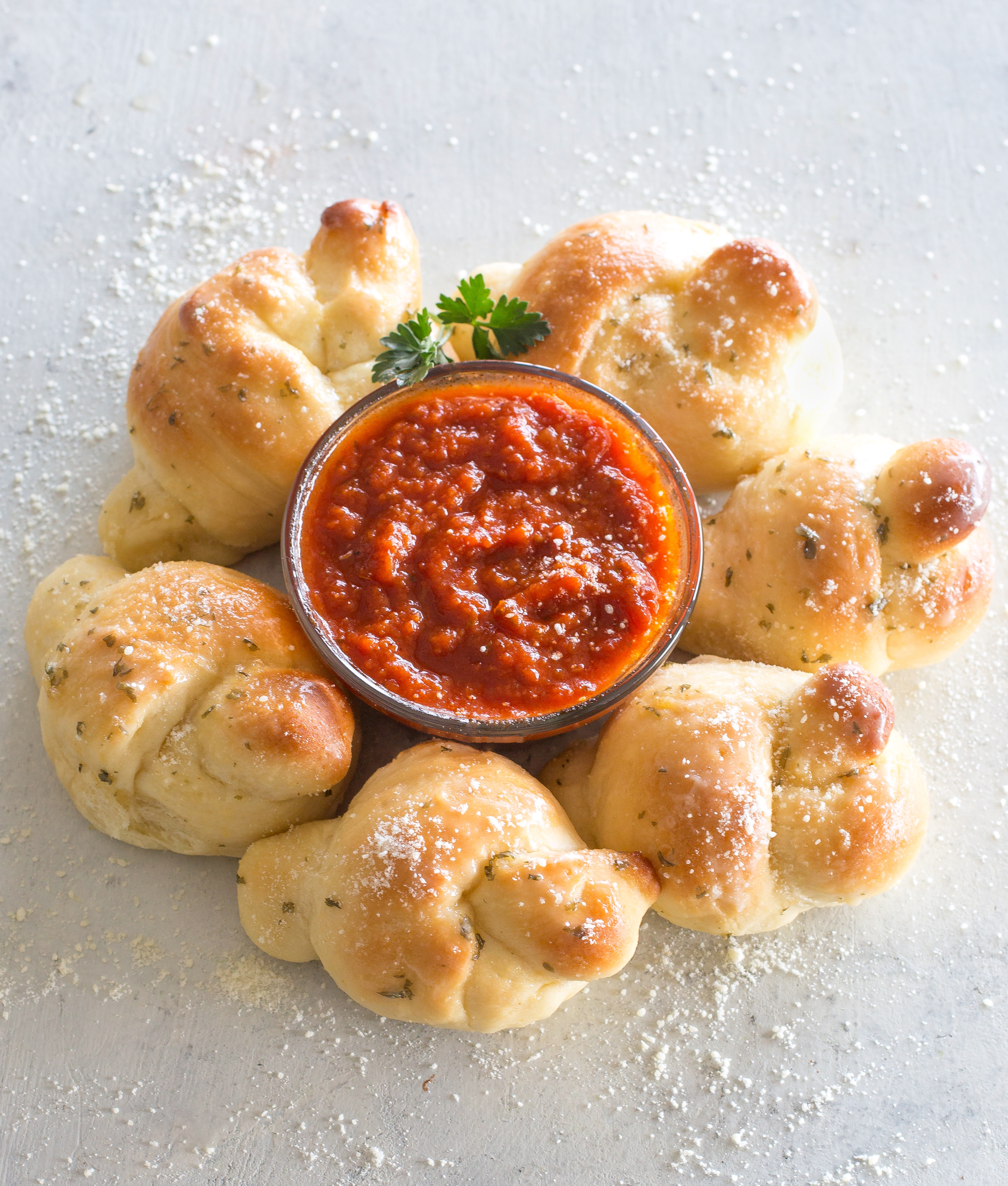
The current standard for high-quality garlic knots involves a precise balance of hydration and lipid content. The move toward using milk rather than water as the primary liquid base increases the protein content of the bread, which, when combined with the emulsifying properties of egg, creates a structure capable of holding air bubbles more efficiently during the fermentation process.
Nutritional data experts note that while these enriched rolls contain a higher caloric density than lean, water-based breads, they offer improved satiety and a superior sensory profile. The standard preparation now calls for a two-stage process: the initial baking of the knotted dough, followed by a post-bake application of a garlic-butter emulsion. This technique prevents the garlic from burning during the extended baking time required for the interior of the roll to reach the desired internal temperature of 190°F to 200°F.
Chronology of Preparation and Culinary Best Practices
The process of creating these rolls requires an adherence to strict temporal guidelines to ensure optimal crumb development. A standard production timeline includes:
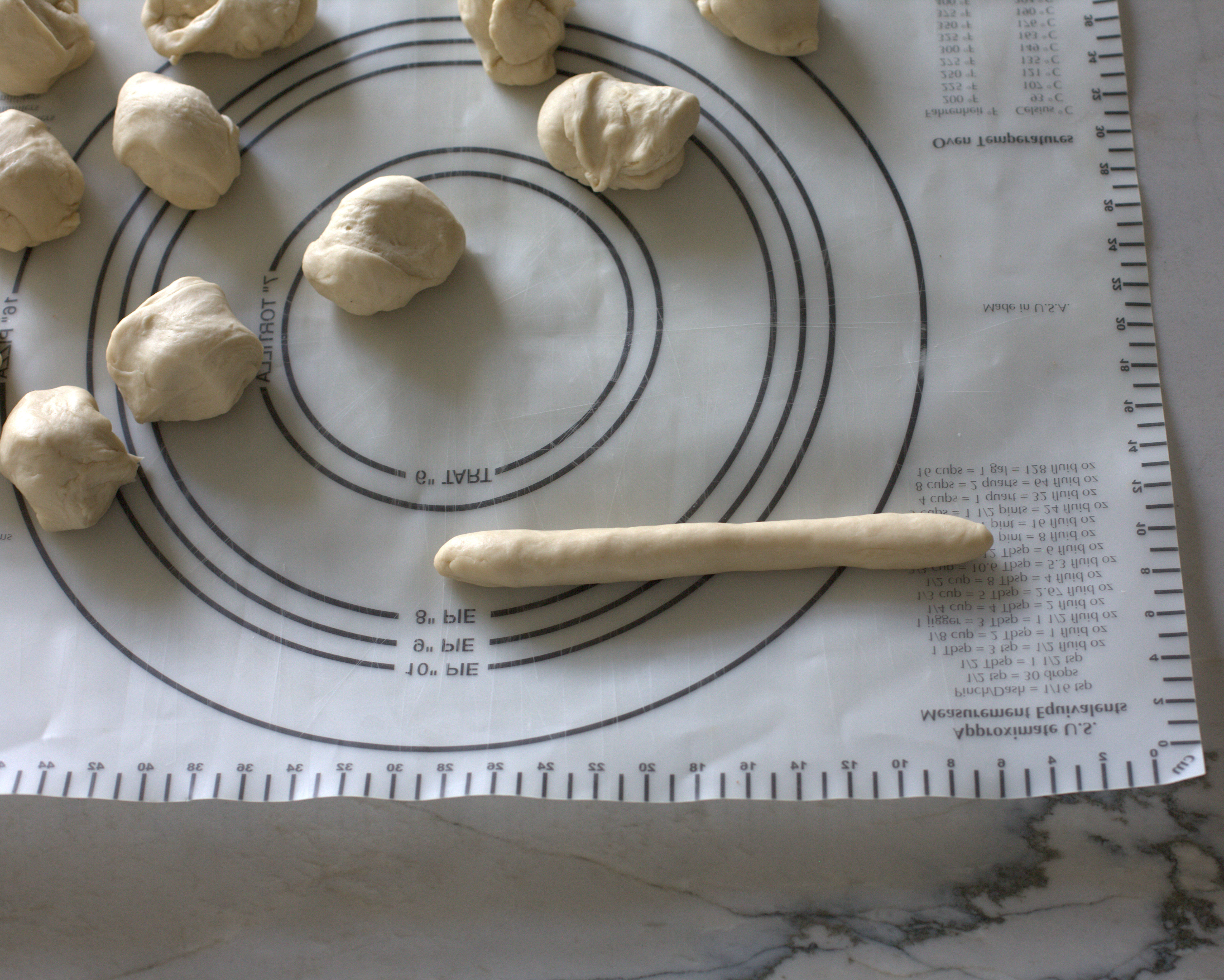
- Activation (10–15 minutes): Ensuring the yeast is active in a warm, milk-based liquid base to guarantee consistent rise.
- Initial Proofing (60–90 minutes): Allowing the enriched dough to double in volume in a temperature-controlled environment, ideally between 75°F and 80°F.
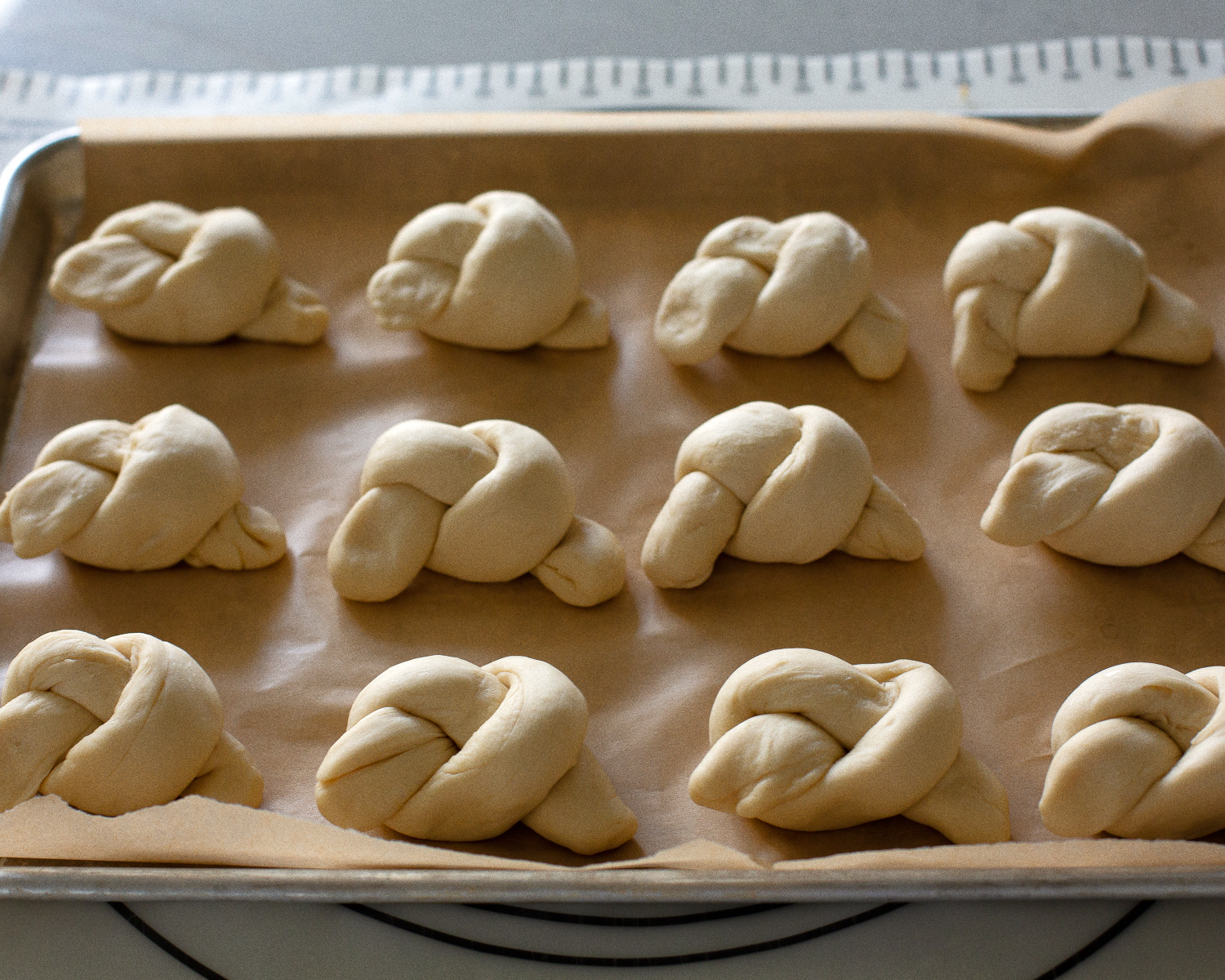
- Shaping and Secondary Proofing (30–45 minutes): Tying the strands into knots requires gentle handling to preserve the gases trapped within the dough.
- Baking (15–20 minutes): Utilizing a steady, dry heat to achieve a light golden-brown exterior.
- Glazing (Immediate): The application of a butter-garlic-Parmesan mixture must occur while the bread is still hot to ensure the fats are absorbed into the porous surface of the roll.
Industry experts emphasize that the most common failure in home production is the "over-kneading" of the dough or premature oven entry. If the dough has not completed its secondary proof, the internal structure will lack the necessary aeration, leading to a product that is perceived as heavy or "gummy."
Market Trends and Consumer Behavior
Recent culinary market reports indicate that interest in "scratch-made" bread has surged by approximately 18% over the past three years. This trend is attributed to a broader cultural emphasis on comfort foods that provide a sense of home-based luxury. The garlic knot, specifically, occupies a unique space in the market; it is viewed as a high-reward, low-complexity project for the home cook.
Consumer focus groups suggest that the primary appeal of the soft, fluffy garlic knot lies in its pairing potential. Because the texture is closer to a dinner roll than a crusty baguette, it functions effectively as a delivery vehicle for sauces—specifically marinara—which is the most commonly cited accompaniment in consumer surveys.
Analysis of Storage and Preservation Techniques
A significant challenge for home bakers remains the preservation of texture post-bake. Because enriched doughs contain higher moisture levels, they are prone to rapid staling if exposed to ambient air. Professional recommendations for maintaining the integrity of the knots include:
- Short-term storage: Keeping the rolls in an airtight container at room temperature for no more than 48 hours.
- Refrigeration: Discouraged, as the cold environment promotes retrogradation of the starch molecules, which causes the bread to toughen significantly.
- Freezing: For long-term storage, freezing is the optimal method. If the knots are vacuum-sealed, they can maintain their quality for up to three months. Reheating should be done in a low-temperature oven (300°F) to restore the exterior crispness without drying out the interior.
Broader Culinary Implications
The shift toward softer, more indulgent bread products is a reflection of the "premiumization" of home dining. As households invest in higher-quality kitchen equipment—such as digital scales, stand mixers, and precision ovens—the gap between restaurant-quality bread and home-baked products continues to narrow.
The garlic knot serves as a primary case study for this phenomenon. It is a relatively simple product that relies on fundamental baking science—the interaction of protein, starch, and fat—to achieve a professional result. As home bakers gain proficiency in managing enriched doughs, they are increasingly likely to experiment with variations, such as incorporating sourdough starters or alternative fats like olive oil or compound butters.
Conclusion
The resurgence of the soft, fluffy garlic knot is not merely a passing food trend but a testament to the enduring appeal of comfort-based gastronomy. By utilizing a dough base rich in milk, butter, and eggs, home cooks can achieve a culinary standard that was previously reserved for commercial kitchens. As the domestic culinary landscape continues to prioritize both convenience and quality, the garlic knot stands as a versatile, accessible, and deeply satisfying staple of the modern dinner table. Its success underscores a growing trend of "culinary democratization," where the techniques and textures once exclusive to professional bakeries are now becoming standard in households across the country. Through careful attention to dough hydration, proofing times, and the post-bake glazing process, the humble garlic knot continues to provide a bridge between traditional baking methods and the refined preferences of the contemporary palate.