The Legendary Nasi Lemak Tanglin: A Culinary and Cultural Institution in Kuala Lumpur

The culinary landscape of Malaysia is defined by a diverse array of flavors, but few dishes hold as much cultural significance and widespread affection as Nasi Lemak. Often regarded as the unofficial national dish of Malaysia, this unassuming yet profoundly complex meal of coconut-infused rice, fiery sambal, and various accompaniments is consumed by tens of millions daily across the region, extending from Southern Thailand through Malaysia and into Singapore. Within the bustling capital of Kuala Lumpur, Nasi Lemak Tanglin stands out as a historic landmark of this culinary tradition, operating continuously since its establishment in 1948. Located within the Kompleks Makan Tanglin food complex, this enduring institution offers a window into the rich history, complex preparation methods, and evolving socio-economic dynamics surrounding Malaysia’s most iconic comfort food.
Historical Background and Evolution of Nasi Lemak Tanglin
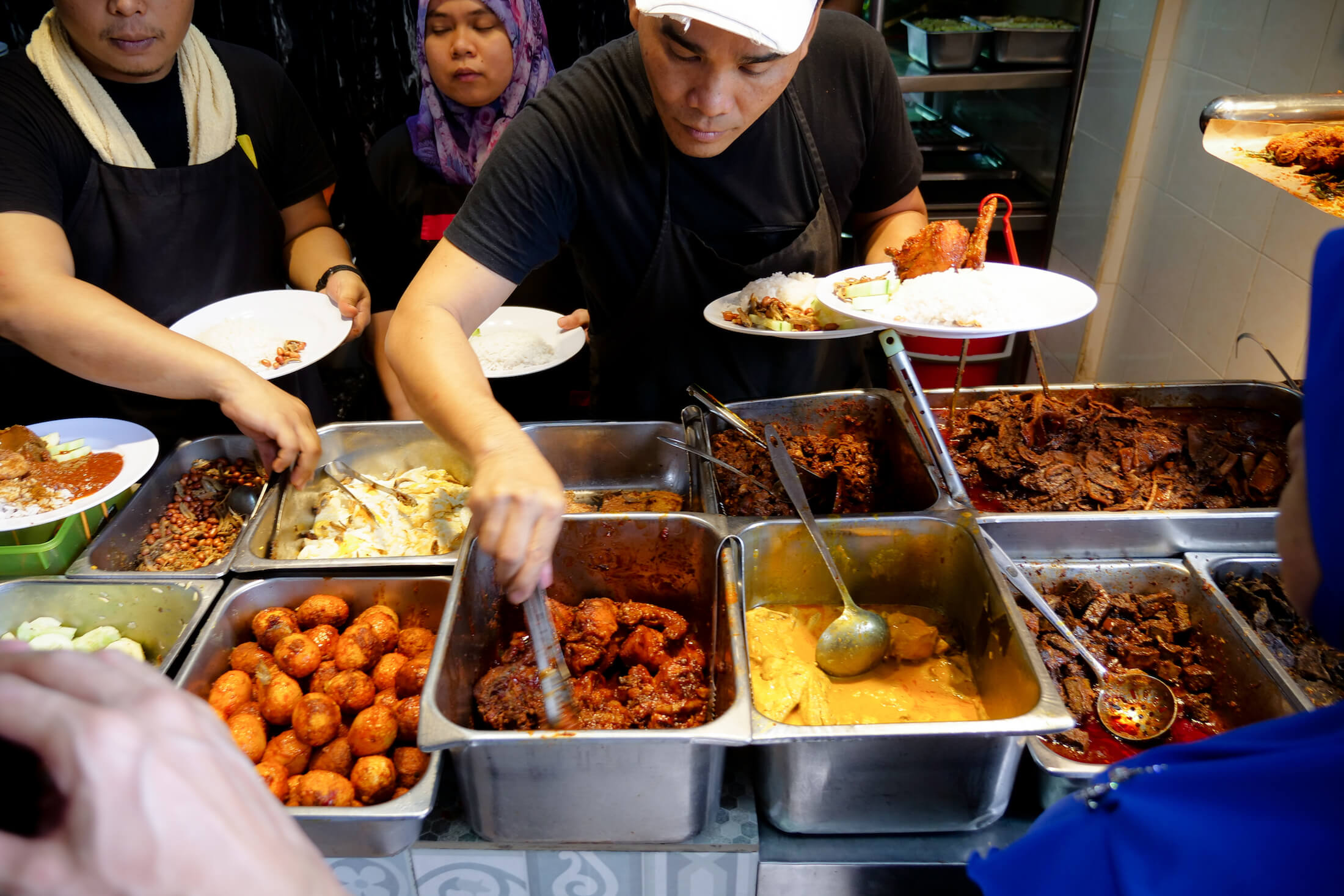
Founded in the post-World War II era in 1948, Nasi Lemak Tanglin has weathered decades of rapid urbanization, economic transformation, and shifting culinary trends in Kuala Lumpur. Originally established as a humble street stall, the eatery has evolved into a prominent fixture within the Tanglin food complex, a designated hub for traditional Malaysian breakfast and lunch fare. Despite modernization and the emergence of contemporary dining establishments throughout the city, Nasi Lemak Tanglin has maintained its core culinary identity, preserving recipes and preparation techniques passed down through generations.
The longevity of the establishment is attributed to its unwavering commitment to traditional quality amidst a changing economic landscape. While many food vendors have automated or outsourced parts of their production, Tanglin continues to rely on rigorous, time-tested preparation methods for its foundational elements. Food historians note that establishments like Tanglin have played a crucial role in preserving the heritage of Malay cuisine, serving as cultural touchstones for local communities and international visitors alike.
Anatomy of the Dish: Ingredients and Preparation

At its core, Nasi Lemak translates literally to "fat rice," a description derived from the primary cooking method in which white rice is steeped and cooked in rich coconut milk, paired with aromatic pandan leaves to impart a distinct, gentle fragrance. However, the simplicity of the name belies the intricate preparation required for a balanced plate.
A standard serving incorporates several mandatory components designed to create a harmonious contrast of textures and flavors. These typically include crunchy elements such as fried anchophytes (ikan bilis), roasted peanuts, and fresh cucumber slices. The linchpin of the dish, however, is the sambal—a chili-based paste that requires hours of careful simmering. Far from a basic hot sauce, traditional sambal demands precise balancing of chili varieties, aromatics, and often tamarind or sugar to achieve a profile that is simultaneously spicy, tangy, and subtly sweet. This paste serves to unify the rich coconut rice with the various protein and vegetable additions.
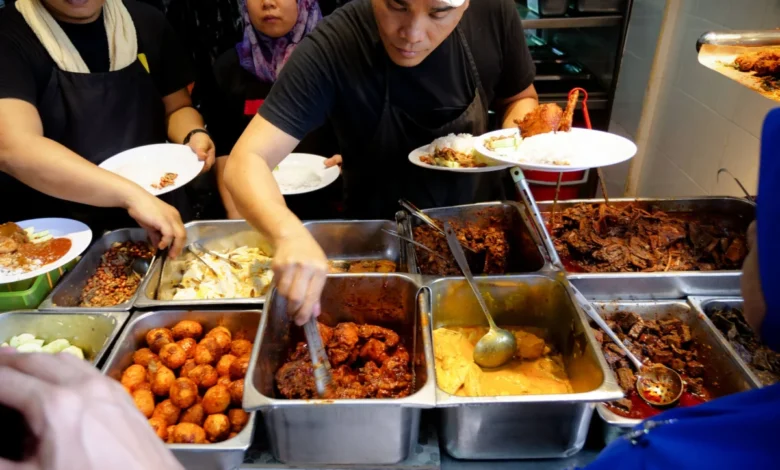
At Nasi Lemak Tanglin, patrons navigate a cafeteria-style ordering system where they customize their plates from an extensive array of curries, meats, and side dishes. Beyond the standard accompaniments, the stall is renowned for its specialty items, including beef rendang, cockles, and traditional offal preparations such as beef spleen and intestines, locally referred to as "kolong." Culinary experts frequently highlight the restaurant’s beef spleen—noted for its rich, creamy texture when coated in a thick, dark brown curry sauce—as a defining specialty of the venue.

Operational Realities and Daily Dynamics
The operational rhythm of Nasi Lemak Tanglin reflects its high demand and cultural status. Operating daily from 7:00 AM to 1:00 PM, the stall routinely experiences immense crowds, particularly during peak morning and early lunch hours. On a typical weekday, the parking facilities surrounding the Kompleks Makan Tanglin reach maximum capacity early in the morning, requiring visitors to navigate multiple loops to secure parking.
Despite the bustling environment, which regularly features live musical performances in the style of "Pop Yeh Yeh"—a popular genre of Malay rock and pop music originating in the 1960s—the establishment maintains a strict operational timeline dictated by supply. Tanglin operates under a strict sell-out model, meaning that all prepared rice and ingredients are expected to be depleted daily, frequently resulting in inventory exhaustion by 11:30 AM. Consequently, local patrons and food tour operators consistently advise arriving well ahead of the traditional lunch hour to secure a full selection of dishes.

Environmental Sustainability and Modern Adaptations
In recent years, Nasi Lemak Tanglin has also intersected with broader national policy changes regarding environmental conservation and sustainability. Traditionally, Nasi Lemak across Malaysia is wrapped in banana leaves, a biodegradable packaging method that imparts a subtle earthy aroma to the rice. However, in alignment with contemporary environmental initiatives, including Malaysia’s aggressive nationwide push to ban single-use plastics and curb the over-harvesting of banana trees in protected jungle regions, the establishment has adapted its service methods.
By transitioning primarily to reusable ceramic and melamine plates, Tanglin minimizes single-use waste while maintaining efficient service speeds. Industry analysts note that traditional food vendors adopting sustainable practices demonstrate how heritage culinary institutions can integrate modern ecological awareness without compromising the authenticity of the dining experience. Furthermore, the use of standard plates allows patrons to comfortably accommodate generous portions of multiple curries and side dishes, a logistical advantage over traditional leaf wrappings when dealing with heavy, liquid-based gravies.

Economic Accessibility and Market Impact
From an economic perspective, Nasi Lemak remains one of the most accessible and cost-effective dining options within Malaysia’s vast gastronomy sector. Standard plates of Nasi Lemak at Tanglin begin at highly affordable price points, typically around 2 Malaysian Ringgit (RM), with additional portions of proteins, eggs, and specialty curries ranging from 1 to 5 RM per item. A comprehensive meal for multiple diners generally totals a fraction of the cost of standard restaurant dining, reinforcing the dish’s historical status as an egalitarian staple accessible to all socio-economic strata.
Economic researchers studying urban food markets in Kuala Lumpur point out that legacy stalls like Nasi Lemak Tanglin contribute significantly to local tourism economies. Food tourism represents a vital sector for Malaysia, drawing international travelers eager to experience authentic local flavors. Establishments operating within municipal food complexes benefit from shared infrastructure while maintaining independent, family-run business models that support regional supply chains, from local spice merchants to coconut farmers.

Cultural Significance and Legacy in Kuala Lumpur
Nasi Lemak Tanglin occupies a unique space at the intersection of heritage preservation and contemporary urban food culture in Kuala Lumpur. While the capital city rapidly modernizes with fine dining establishments and international culinary imports, traditional breakfast complexes like Kompleks Makan Tanglin ensure that foundational recipes remain accessible to the public.
The enduring popularity of the stall—evidenced by long queues, daily sell-outs, and a diverse clientele ranging from lifelong local residents to international food researchers—underscores the enduring appeal of traditional Malaysian cuisine. By adhering to meticulous preparation standards, embracing necessary environmental adaptations, and preserving historical culinary techniques such as complex sambal formulation and regional offal dishes, Nasi Lemak Tanglin secures its position not merely as a commercial food vendor, but as an essential repository of Malaysian culinary history.