The Truth Behind Rapid Weight Loss: Why Cutting Carbohydrates Often Scales Deceptively

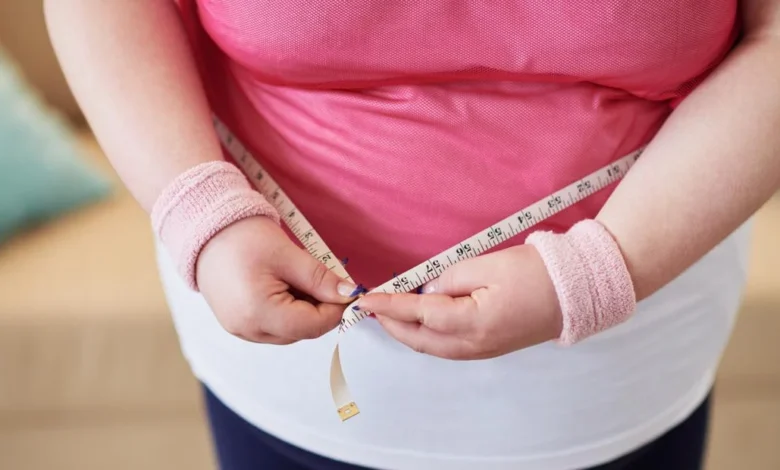
The trend of drastically reducing carbohydrate intake, commonly referred to as "cut carbo," remains a dominant strategy for individuals seeking rapid weight loss. While many adherents celebrate significant drops on the scale within the first few weeks, clinical experts emphasize that this initial success is frequently misinterpreted. Medical professionals warn that the immediate shedding of weight during the early stages of a low-carbohydrate diet is often attributed to the depletion of glycogen and water stores rather than the sustained burning of adipose tissue, or body fat.
During a recent health awareness broadcast hosted by detikHealth on October 22, 2026, clinical nutrition specialist Dr. Igus Ulfa Yaze, SpGK, addressed the physiological mechanisms behind this phenomenon. She clarified that the rapid weight loss observed by many is a biochemical response to energy restriction, cautioning the public against equating a lighter scale reading with a successful reduction in body fat percentage.
The Science of Glycogen and Water Retention
To understand why the scale shifts so dramatically when carbohydrates are eliminated, one must examine how the human body stores energy. Carbohydrates are converted into glucose, the body’s primary fuel source. Excess glucose is stored in the liver and muscles in the form of glycogen. Crucially, glycogen is hydrophilic, meaning it binds to water molecules.
Dr. Yaze explained that for every gram of glycogen stored in the muscle tissue, the body retains approximately three to four grams of water. "When an individual initiates a calorie deficit and simultaneously cuts carbohydrates, the body is forced to mobilize these glycogen stores to meet energy demands," Dr. Yaze stated. As the glycogen is utilized, the water molecules that were previously bound to it are released and subsequently excreted by the body. This process results in a rapid reduction in total body mass, which the individual perceives as weight loss.
This mechanism serves as an emergency energy strategy. When the intake of exogenous carbohydrates is restricted, the body taps into these internal reserves. Because glycogen stores are heavy due to their water content, the depletion of these stores translates into a significant, albeit temporary, drop in weight.
Chronology of Weight Loss Phases
The trajectory of weight loss for those following a low-carbohydrate regimen typically follows a predictable timeline. Clinical observations suggest a distinct pattern characterized by a steep initial decline followed by a plateau or a stabilization period.
In the first phase, spanning from the start of the diet through the end of the first month, individuals often report rapid progress. It is not uncommon for proponents of strict "cut carbo" diets to report losses of up to 8 kilograms in the first four to eight weeks. During this period, the rapid loss is a combination of fluid excretion, reduced gut content, and the aforementioned depletion of glycogen stores.
As the diet progresses into the second phase—typically between the third and sixth month—the rate of weight loss inevitably slows. Dr. Yaze noted that by the sixth or seventh month, a more sustainable rate of loss is observed, often leveling off to approximately 1 to 2 kilograms per month. This shift occurs because the "easy" weight—the fluid associated with glycogen—has already been lost. At this stage, the body begins to rely more heavily on the oxidation of fat stores, a process that is inherently slower and more energy-intensive than the rapid mobilization of glycogen.
Misconceptions in Modern Diet Culture
The allure of rapid weight loss often leads to misconceptions regarding the efficacy of dietary interventions. The obsession with the "number on the scale" often obscures the importance of body composition—the ratio of muscle mass to fat mass.
From a clinical perspective, the primary objective of weight loss should be the reduction of visceral and subcutaneous fat while preserving lean muscle mass. When weight loss occurs too rapidly, particularly in the initial stages of a restrictive diet, there is a risk that the body may break down muscle protein for energy if protein intake is insufficient. This is why nutritionists emphasize the necessity of a balanced approach that includes adequate protein, healthy fats, and complex carbohydrates, even when attempting to lose weight.
Furthermore, the "rebound effect" is a significant concern. When an individual who has strictly cut carbohydrates decides to reintroduce them into their diet, the body quickly restores its glycogen stores. As glycogen is replenished, the body also retains the associated water, leading to a swift increase in weight on the scale. This sudden "gain" can be psychologically demoralizing for the individual, often leading to a cycle of yo-yo dieting that is detrimental to long-term metabolic health.
Broader Implications for Public Health
The medical community emphasizes that successful, long-term weight management is rarely achieved through extreme restriction. The implications of "cut carbo" trends are significant for public health policy and clinical practice.
- Metabolic Adaptation: The body is highly adaptive. When calories are restricted severely, the basal metabolic rate (BMR) may slow down to conserve energy. This makes it increasingly difficult to lose weight over time, regardless of the macronutrient composition of the diet.
- Nutrient Deficiencies: Carbohydrates—particularly complex ones found in whole grains, legumes, and fruits—are sources of essential fiber, vitamins, and minerals. Eliminating these food groups without careful planning can lead to micronutrient deficiencies, digestive issues, and fatigue.
- Psychological Sustainability: Diets that are overly restrictive are difficult to maintain. The goal of clinical nutrition is to move away from "dieting" and toward sustainable lifestyle modifications that the patient can maintain indefinitely.
Expert Recommendations for Sustainable Weight Management
Dr. Yaze and other nutrition experts advocate for a more holistic approach to weight management. Instead of focusing solely on the elimination of a specific macronutrient, individuals are encouraged to prioritize the following:
- Caloric Quality over Quantity: Focus on nutrient-dense foods that provide satiety and essential nutrients, rather than simply reducing the total caloric intake through restriction.
- Protein Preservation: Ensure sufficient protein intake to protect muscle mass during a calorie deficit. Muscle tissue is metabolically active; the more muscle mass an individual retains, the higher their BMR will be, which facilitates long-term fat loss.
- Consistent Physical Activity: Incorporating resistance training alongside cardiovascular exercise helps to improve body composition. Strength training signals the body to preserve muscle mass even while in a caloric deficit.
- Long-Term Monitoring: Rather than relying solely on a weighing scale, individuals should monitor progress through body measurements, how clothes fit, and improvements in energy levels, blood pressure, and lipid profiles.
Conclusion: The Need for Realistic Expectations
The evidence presented by clinical experts serves as a necessary reality check for those embarking on weight loss journeys. While the "cut carbo" approach can be a tool for jumpstarting a weight loss program, it is essential that individuals understand the biological reality of what is happening in their bodies.
The initial rapid weight loss is a physiological reaction to the depletion of glycogen and its associated water, not a reflection of rapid fat burning. Recognizing this helps to manage expectations and prevents the discouragement that occurs when the rate of weight loss slows down. Ultimately, health and weight management are marathon endeavors, not sprints. Achieving a healthy weight requires patience, consistency, and a shift toward sustainable habits that support metabolic health rather than compromising it for the sake of a temporary number on a digital display. By focusing on sustainable fat loss rather than the rapid shedding of water weight, individuals are more likely to achieve their goals and maintain their results for the long term.