Solutions for Local Slaughter: Small Abattoirs in Local Meat Supply Chains – Groundswell 2026

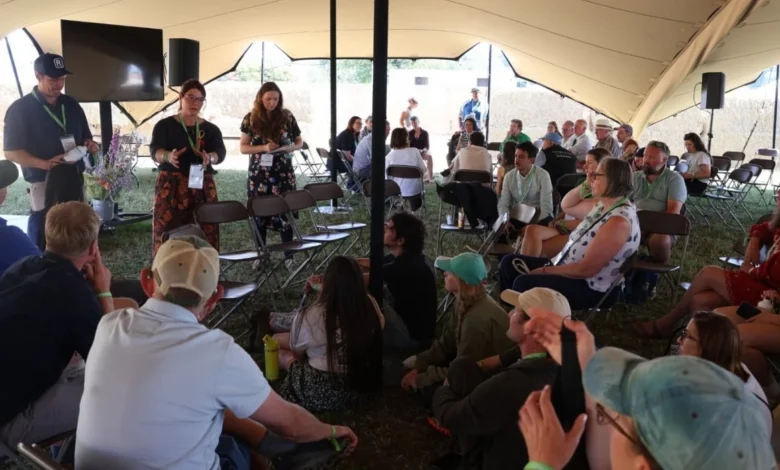
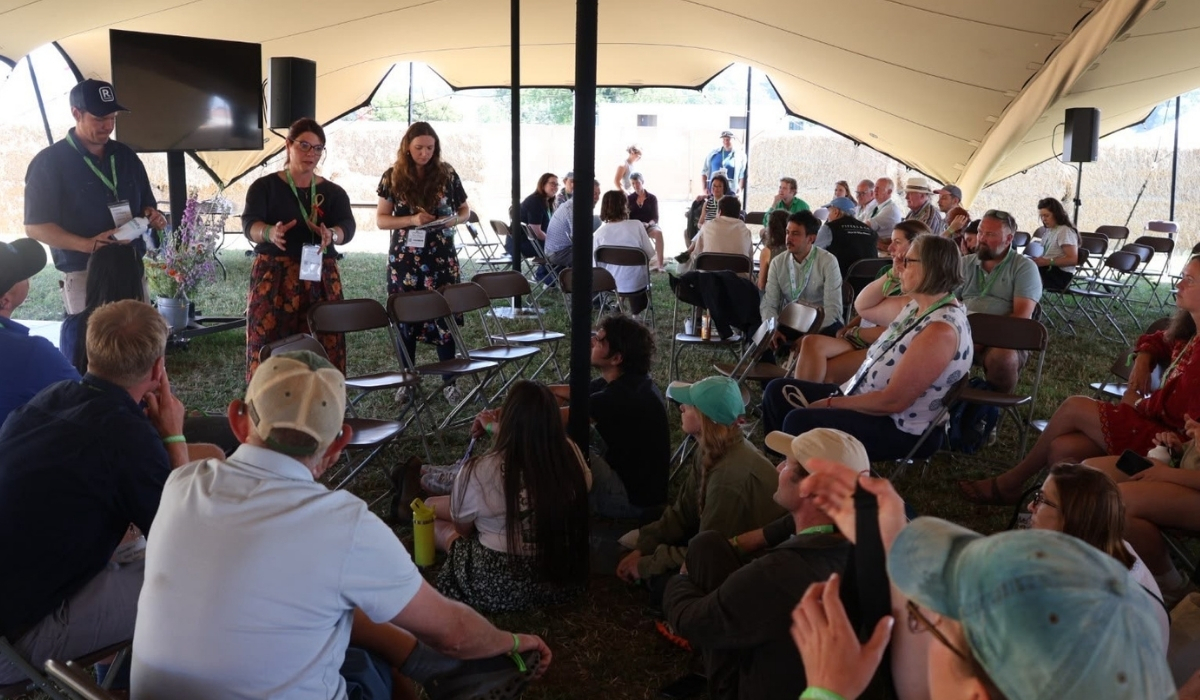
The structural integrity of the United Kingdom’s local food systems is currently facing a significant bottleneck: the terminal decline of small-scale abattoirs. As the livestock industry grapples with rising transport costs, animal welfare concerns, and the need for greater supply chain resilience, the Sustainable Food Trust (SFT) convened a pivotal session at Groundswell 2026 to address the crisis. Chaired by Megan Perry, Head of Policy and Campaigns at the SFT, the panel discussion, "Solutions for Local Slaughter: Small Abattoirs in Local Meat Supply Chains," served as a critical platform for industry experts to dissect the regulatory, financial, and logistical hurdles preventing the revival of localized slaughter capacity.
The Context of a Declining Infrastructure
The disappearance of small, independent abattoirs is not a recent phenomenon but a decades-long trend that has fundamentally altered the British meat industry. Since the early 1990s, the UK has lost a significant percentage of its small-to-medium-sized slaughtering facilities. According to industry data, the consolidation of the sector has resulted in a landscape dominated by a few large-scale plants, which are often ill-suited to the needs of small-scale producers, organic farms, or those operating under direct-to-consumer models.
The primary consequence of this consolidation is the "travel distance" issue. Many farmers are now forced to transport livestock over long distances—often several hours—to reach a facility capable of processing their animals. This distance imposes an economic burden on the producer, increases the carbon footprint of meat production, and introduces significant animal welfare concerns regarding the stress levels of livestock in transit. For small farms seeking to maintain the integrity of "farm-to-fork" traceability, the absence of a local slaughter option acts as a barrier to market entry and economic viability.
Chronology of the Crisis and Industry Response
The decline of the small abattoir sector has been marked by several key turning points:
- 1990s-2000s: Increased regulatory pressures, following the BSE crisis and subsequent food safety reforms, created high capital barriers that forced many smaller, family-run facilities to close.
- 2010-2020: The realization of the "infrastructure gap" began to gain political traction, with various parliamentary inquiries highlighting the fragility of rural supply chains.
- 2021-2024: The post-pandemic era exacerbated labor shortages and energy costs, placing further strain on the remaining small abattoirs.
- 2026: Groundswell 2026 serves as the current focal point, where stakeholders transitioned from documenting the problem to seeking actionable solutions, including modular systems and policy reform.
Financial and Regulatory Hurdles
The Groundswell 2026 session emphasized that the barriers to entry for new abattoirs—or the survival of existing ones—are primarily twofold: financial and regulatory. The capital expenditure (CAPEX) required to build a facility compliant with modern Food Standards Agency (FSA) regulations is prohibitive for most private entities. Furthermore, the operational costs, particularly those related to the employment of Official Veterinarians (OVs), are a recurring point of contention.
During the breakout sessions, participants noted that the current fee structure for veterinary services disproportionately affects small throughput plants. Unlike large-scale facilities, which benefit from economies of scale, small abattoirs must absorb the fixed costs of mandatory veterinary inspection regardless of the number of animals processed. This creates an unlevel playing field where smaller operations are effectively priced out of the market by the very regulations intended to ensure public health.
The Role of Mobile Abattoirs
One of the most discussed solutions at Groundswell 2026 was the deployment of mobile abattoirs. These units, which travel to the farm rather than requiring the farmer to travel to the facility, offer a potential paradigm shift. By eliminating the transit of live animals, mobile units offer superior welfare outcomes and maintain the quality of the meat.
However, the panel acknowledged that mobile slaughter is not a panacea. The legal framework surrounding "mobile" status remains complex. Current legislation requires that meat must be inspected and stamped at a fixed, permanent location to be legally sold into the wider supply chain. Achieving a balance between the mobility of the unit and the rigidity of the inspection requirement is a key policy objective for organizations like the Abattoir Sector Group.
Recruitment, Training, and the Future Workforce
A silent crisis within the sector is the aging workforce. Skilled slaughtermen and meat inspectors are approaching retirement, with insufficient numbers of younger workers entering the trade. The session highlighted the need for specialized vocational training programs that cater to small-scale, high-welfare slaughter techniques. Unlike the high-speed, line-based processing of industrial plants, small abattoirs require a broader, more artisanal skill set. Stakeholders argued that if the government wishes to encourage the decentralization of the meat industry, it must support apprenticeship programs that emphasize these traditional, low-stress slaughter methods.
Official Responses and Policy Implications
Governmental bodies, including the Department for Environment, Food and Rural Affairs (Defra), have signaled an interest in supporting the sector through various grants aimed at rural development. However, industry advocates argue that grants alone are insufficient. The policy environment must be adapted to recognize the unique value of small abattoirs as essential public infrastructure, similar to rural post offices or transport links.
The implications of failing to stabilize this sector are severe. If the current trajectory continues, the UK risks losing its ability to process meat locally, leaving small-scale producers entirely dependent on large-scale processors who may not prioritize the specific needs of smaller, higher-welfare herds. This would result in the loss of distinct, regional food cultures and a reduction in the resilience of the national food system in the face of global supply chain shocks.
Strategic Recommendations: The "Playbook" Approach
The session concluded by directing attendees toward the "Small Abattoir Development Support" Playbook, a comprehensive resource curated by Claire White and the Abattoir Sector Group. This document provides a roadmap for those looking to establish new facilities, covering everything from navigating the planning application process to ensuring compliance with environmental health standards.
For policymakers, the message from Groundswell 2026 was clear: support for the small abattoir sector is not merely an act of agricultural charity; it is a strategic investment in food security. By simplifying the regulatory burden for low-throughput facilities, fostering a new generation of skilled workers, and providing a stable financial environment, the UK can rebuild a localized meat supply chain that is more resilient, more welfare-conscious, and more aligned with the expectations of the modern consumer.
Analysis: Beyond the Groundswell Dialogue
The discussion at Groundswell 2026 underscored a significant shift in the industry’s rhetoric. The debate is no longer focused on whether small abattoirs are "viable" in a market dominated by industrial giants, but rather on how to restructure the regulatory and financial ecosystem to ensure they are indispensable.
The integration of mobile technology, combined with a potential easing of the veterinary inspection burden for small-scale operations, represents a viable path forward. However, the ultimate success of these initiatives will depend on political will. The tension between maintaining rigorous food safety standards and fostering a decentralized, local economy remains the defining challenge of the decade for the British livestock industry. As producers, policymakers, and industry experts continue to collaborate, the focus must remain on creating a framework that recognizes the multifaceted value of local meat production—not just as a commodity, but as a cornerstone of rural economic health and animal welfare excellence.
In summary, the Sustainable Food Trust’s initiative at Groundswell 2026 has successfully moved the conversation toward a pragmatic, evidence-based strategy. By codifying the lessons learned into actionable guides and continuing to lobby for regulatory reform, the sector is taking the first meaningful steps toward reversing a generation of decline. The path ahead is arduous, but the consensus among participants is that the preservation of local slaughter capacity is a prerequisite for a sustainable and truly resilient food future.
Related posts: