FoodPrint Launches Comprehensive 28-Day Challenge to Drive Individual Sustainable Consumption and Systemic Environmental Change


The non-profit organization FoodPrint has officially announced the relaunch of its annual Reduce Your Foodprint Challenge, a month-long initiative designed to integrate sustainable shopping, cooking, and eating habits into the daily lives of consumers. Against a backdrop of increasing climate volatility and global socio-political tension, the program seeks to bridge the gap between individual behavioral changes and the broader systemic shifts required to mitigate environmental degradation. The 28-day roadmap provides participants with actionable strategies to minimize food waste, reduce plastic reliance, and support equitable food systems, emphasizing that localized, personal efforts serve as the foundational architecture for large-scale ecological preservation.
The Intersection of Personal Agency and Systemic Change
The relaunch comes at a critical juncture in the global discourse surrounding environmental responsibility. A persistent debate within sustainability circles centers on whether individual lifestyle adjustments—such as using reusable bags or composting—actually impact the trajectory of climate change, or if the focus should remain exclusively on holding corporations and governments accountable for systemic failures.
Recent discussions on platforms like Reddit’s sustainability forums and insights from environmental journalists suggest a growing consensus: both are essential. Experts argue that while systemic change is the primary driver of large-scale emissions reduction, individual actions create the cultural and economic demand necessary for those systems to shift. As noted by environmental writer Jason Mark, living in alignment with one’s ecological values is a method of "laying the foundations for the world we want to see." This philosophy underpins the FoodPrint initiative, which posits that every choice made at the grocery store or in the kitchen is a micro-political act that influences the broader food supply chain.
Chronology and Structure of the 28-Day Challenge
The FoodPrint Challenge is structured as a four-week progression, moving from immediate, low-barrier habits to more complex, long-term lifestyle commitments. This phased approach is intended to prevent "sustainability fatigue" and ensure that participants can maintain their new habits beyond the initial month.
Week 1: Culinary Resourcefulness and Waste Mitigation
The first week focuses on "low-hanging fruit"—small adjustments that require minimal financial investment. Key activities include identifying and utilizing food scraps that are typically discarded. For instance, the guide highlights the use of carrot tops to create pesto and the repurposing of vegetable peels for stocks. This phase also emphasizes the reduction of single-use items, encouraging the use of reusable cups at coffee shops and tote bags for grocery shopping.
Week 2: Conscious Consumption and Plastic Reduction
The second week shifts focus toward the supply chain. Participants are encouraged to audit their plastic usage, specifically focusing on food packaging. According to FoodPrint, this involves choosing bulk options where available and avoiding products wrapped in excessive non-recyclable materials. This week also introduces the concept of supporting local food systems, such as farmers’ markets, which typically utilize less packaging and involve fewer transportation-related emissions.
Week 3: Dietary Shifts and Protein Diversification
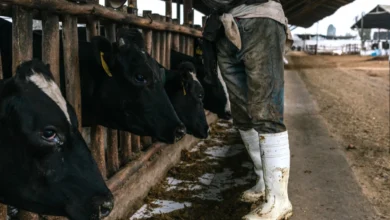
The third week addresses the most significant contributor to an individual’s food-related carbon footprint: meat and dairy consumption. Participants are guided through the process of "eating meat more sustainably," which includes reducing overall intake and selecting products from regenerative or pasture-raised sources when meat is consumed. The goal is to educate consumers on the resource intensity of industrial livestock production.
Week 4: Self-Sufficiency and Community Advocacy
The final week encourages participants to deepen their connection to the food cycle by growing their own food, even if only in small window-box herb gardens. Furthermore, this phase emphasizes the "collective" aspect of the challenge, urging participants to move beyond the kitchen by engaging in advocacy, such as contacting political representatives or supporting legislation that protects farmworker rights and promotes sustainable agriculture.
Supporting Data: The Environmental Weight of the Food System
The necessity of the FoodPrint Challenge is underscored by startling data regarding the current state of global and domestic food systems. According to the United States Environmental Protection Agency (EPA), food waste is the single most common material found in municipal landfills, accounting for approximately 24% of all landfilled waste. When food rots in a landfill, it produces methane, a greenhouse gas that is more than 25 times as potent as carbon dioxide at trapping heat in the atmosphere.
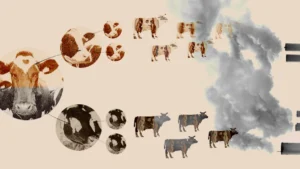
Furthermore, the "foodprint" of the average American diet is heavily influenced by the industrial production of animal proteins. Data from the Food and Agriculture Organization of the United Nations (FAO) indicates that livestock production is responsible for roughly 14.5% of all anthropogenic greenhouse gas emissions globally. Reducing meat consumption even by 25% across a large population could result in a significant reduction in land use, water consumption, and nitrogen runoff.
Plastic pollution remains another critical area of concern. Research indicates that the food and beverage industry is one of the largest contributors to the 380 million tons of plastic produced globally each year. Because only a fraction of this plastic is successfully recycled, the majority ends up in landfills or the ocean, eventually breaking down into microplastics that enter the human food chain through seafood and water supplies.
Social and Economic Implications: Labor and Equity
FoodPrint’s initiative does not limit its scope to environmental metrics; it also incorporates the human element of the food system. The challenge encourages consumers to consider the "social foodprint" of their meals, which includes the working conditions and wages of farmworkers and meatpacking employees.
Industrial agriculture often relies on a labor force that lacks basic protections, facing high rates of heat-related illness and wage theft. By encouraging participants to seek out fair-trade certifications and support local, transparent supply chains, FoodPrint aims to leverage consumer purchasing power to demand better treatment for the people who grow, harvest, and process the world’s food. This aspect of the challenge aligns with broader movements for environmental justice, recognizing that a truly sustainable food system must be equitable as well as ecological.
Public Reaction and Expert Analysis
The relaunch has garnered positive attention from environmental advocates and social media influencers. On platforms like Instagram, the hashtag #ReduceYourFoodprint has become a hub for participants to share photos of their progress, from successful composting bins to creative "zero-waste" recipes. This social component is vital, as psychological studies suggest that public commitment and community support significantly increase the likelihood of long-term habit formation.
"Everything matters all the time," noted one participant at a local farmers’ market during the challenge’s soft launch. This sentiment reflects a growing public awareness that the climate crisis cannot be solved by a single "silver bullet" solution, but rather by a "silver buckshot" approach—thousands of small, coordinated actions.
Market analysts suggest that challenges like FoodPrint’s are also influencing retail trends. As more consumers opt for "ugly produce" (fruits and vegetables that are aesthetically imperfect but nutritionally sound) and plant-based proteins, major grocery chains are being forced to adapt their inventory. This proves that while the challenge begins in the individual kitchen, its ripples are felt in corporate boardrooms and agricultural policy discussions.
Looking Ahead: The Future of Sustainable Eating
As the Reduce Your Foodprint Challenge rolls out, FoodPrint is offering a free, downloadable 28-day PDF guide to help participants track their progress. The organization emphasizes that the challenge is not about achieving perfection, but about making informed, incremental improvements.
The long-term goal of the initiative is to normalize a "circular" approach to food—one where waste is minimized, resources are regenerated, and the true cost of production is reflected in the value placed on food. By participating in the challenge, consumers are not just changing their lunch; they are participating in a global movement to redefine the human relationship with the environment.
In an era of "climate anxiety," FoodPrint provides a tangible outlet for action. The 28-day roadmap serves as both a practical toolkit and a psychological bridge, moving individuals from a state of overwhelm to a state of agency. As the challenge gains momentum, the collective reduction in food waste, plastic use, and carbon emissions stands as a testament to the power of the informed consumer in the fight for a sustainable future.