Annual Sustainable Food and Farming Reading List: Insights into the Future of Global Nutrition and Agriculture

As the global food system faces unprecedented pressure from climate instability, biodiversity loss, and public health crises, the literature surrounding agriculture has shifted from mere instructional guides to urgent manifestos for systemic change. This year’s curated list of essential reading highlights a thematic convergence: the inextricable link between the health of the soil, the integrity of our gut microbiomes, and the social justice movements seeking to dismantle industrial food hegemony.
The Microbiome Connection: Soil to Gut Health
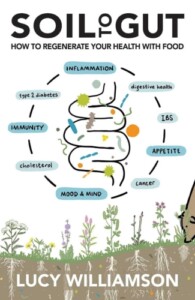
Dr. Lucy Williamson’s Soil to Gut serves as a critical bridge between veterinary science and human nutrition. Dr. Williamson, who spent 15 years as a farm and small animal veterinarian before transitioning into public health nutrition, posits that the "hidden hunger" epidemic—where populations consume excess calories but suffer from nutrient deficiencies—is a direct consequence of soil degradation.

The science of the gut microbiome has evolved rapidly; research now indicates that a diverse microbial environment in the human digestive tract is dependent on the diversity of nutrients derived from healthy, biologically active soil. When soil ecosystems are depleted through chemical-heavy industrial farming, the nutrient density of crops declines. Dr. Williamson’s work suggests that by prioritizing regenerative agriculture, we do not merely improve environmental outcomes; we actively cultivate a biological environment in the human body capable of resisting harmful pathogens. This perspective marks a departure from traditional nutritional advice, which often focuses solely on macronutrient counting rather than the ecological story behind the food.
The Industrial Crisis: Toxicity and the Global Food System
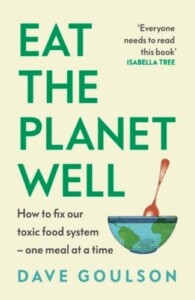
In Eat the Planet Well, environmentalist Dave Goulson shifts his focus from the insect world—a subject he has mastered—to the catastrophic impact of the modern industrial food complex. Goulson frames the current food system as inherently toxic, noting that the proliferation of ultra-processed foods (UPFs) has created a cycle of non-communicable diseases that are increasingly difficult for global health systems to manage.
Data from the World Health Organization (WHO) corroborates Goulson’s concerns, noting that the rise in chronic illnesses—including obesity, type 2 diabetes, and cardiovascular disease—tracks closely with the global expansion of industrial agricultural supply chains. Goulson’s analysis of "Carbon, Cows and Climate Change" provides a granular look at the environmental footprint of livestock production, arguing that a balanced, nature-positive approach to farming is not optional but essential for the survival of the planet’s topsoil and water systems.
Women and the Vanguard of Agricultural Reform
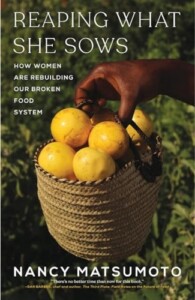
While industrial giants often dictate the narrative of food security, Nancy Matsumoto’s Reaping What She Sows offers a counter-narrative of resilience. The book documents the often-overlooked leadership of women in rebuilding broken food systems. Historically relegated to the periphery of male-dominated agricultural power structures, women are currently emerging as the primary architects of cooperative, community-led food movements.
Matsumoto’s investigation into vertical integration cooperatives and local grain economies reveals that the most effective solutions to "Big Food" dominance are often localized and grassroots-driven. Her work underscores the potential for consumer agency; by opting for ethical supply chains, individuals can support the alternative systems that challenge the status quo. This aligns with recent trends in "food sovereignty," where communities regain control over their food production, distribution, and consumption patterns.
Adapting to a Changing Climate: The Rise of Edimentals
Climate change has rendered traditional gardening practices increasingly difficult, with record-breaking temperatures and drought conditions threatening food security at the household level. Harry Holding’s Eat Your Garden introduces the concept of "edimentals"—plants that serve both ornamental and edible purposes.
The shift toward perennial edibles offers a solution to the water-intensive nature of annual vegetable farming. By utilizing plants that develop robust, long-term root systems, gardeners can improve soil structure and reduce the need for constant tilling and irrigation. As climate models predict more erratic precipitation patterns, the integration of hardy, drought-resistant perennials into residential and public spaces represents a pragmatic adaptation to a warmer future.
Institutional Injustice: The Ethics of Prison Food
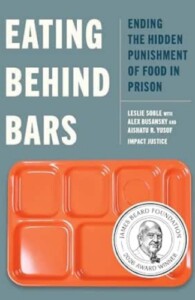
The systemic failure of food quality within the United States criminal justice system is the focus of Eating Behind Bars, authored by Leslie Soble, Alex Busansky, and Aishatu R. Yusuf. This investigation, which received the James Beard Foundation Media Award, highlights the irony of incarcerated individuals working on industrial prison farms to produce food they are denied access to, while simultaneously being served meals that often fail to meet basic nutritional standards.
The book proposes a "food as medicine" framework for correctional facilities, advocating for menu reform, waste reduction, and the introduction of fresh, locally sourced produce. The implications are clear: when institutions use food as a tool of punishment, it exacerbates mental and physical health issues, undermining the very concept of rehabilitation. The push for reform, led by programs like Maine’s "Chefs in Prisons," demonstrates that small-scale, high-quality food initiatives can significantly alter the institutional environment.
The Science of Terroir: Cheese and Microbial Cultures
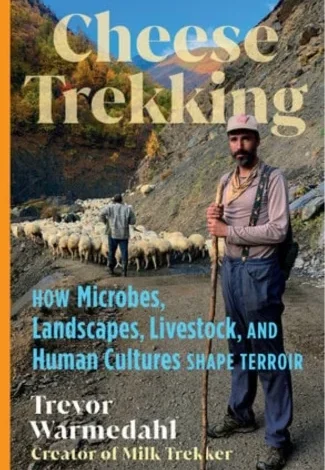
Trevor Wamedahl’s Cheese Trekking offers a sophisticated exploration of "deep terroir"—the concept that the taste of food is a direct manifestation of the local landscape, livestock breeds, and microbial communities. Wamedahl challenges the standardized, industrial approach to cheesemaking, which relies on sterile, lab-grown starter cultures.
Instead, he champions traditional methods that allow for the expression of unique, region-specific microorganisms. This is not merely a culinary preference; it is a defense of biodiversity. When we lose traditional cheesemaking techniques, we lose the microbial heritage of specific landscapes. His analysis confirms that the "recipe" for high-quality, sustainable food is a combination of human tradition and the health of the local environment.
A Historical Lens: Children and the Politics of Nutrition
First Helpings, by Deborah Albon and Amy Palmer, provides a comprehensive historical analysis of how British society has navigated the feeding of children from the medieval era to the present day. The authors emphasize that the "right way" to feed a child has always been a contested space, influenced by class, gender, and the role of the state.

The book is particularly poignant in its final chapters, which link historical patterns of child hunger to contemporary UK food poverty statistics. By grounding their research in the lived experiences of children—sourced from court records and personal testimonies—Albon and Palmer provide a sobering look at how vulnerable populations have been treated within the political economy of food.
Envisioning the Future: Imagination as Activism
Rob Hopkins, in How to Fall in Love with the Future, provides a necessary antidote to the pervasive "climate doomism" that often paralyses environmental action. By framing imagination as a tool for political change, Hopkins moves beyond abstract hope. He presents concrete case studies, such as the town in southeast France that sources 80% of its school meals from local organic farms and the car-free urban planning of Vauban, Germany.
Hopkins argues that our current, unsustainable trajectory is not an inevitable fate. Instead, he invites readers to perform a mental "time travel" exercise, envisioning the specific sights, sounds, and smells of a sustainable 2030. This exercise serves to reconnect the individual with their sense of agency, suggesting that activism is as much about dreaming of a better future as it is about resisting the current, flawed system.
Supporting Literature and Further Reading
To round out this year’s recommendations, three additional titles provide deep insights into the policy and social dimensions of food:
- The Future of Food Policy in the UK: Recipe for Change by Honor May Eldridge: An essential text for understanding how food security and sovereignty must be integrated into national legislative frameworks to ensure resilience against global instability.
- The Last Cows: On Ranching, Wonder, and a Woman’s Heart by Kathryn Wilder: A vital work of literary nonfiction that provides a nuanced view of contemporary ranching, balancing the economic and ecological challenges of the American West with the personal journey of the rancher.
- Gather: Black Food, Nourishment and the Art of Togetherness by Ashanté M. Reese: An anthropological look at food justice that prioritizes the resilience and collective nourishment of Black communities, shifting the focus from individual health to systemic abundance.
As these authors demonstrate, the path toward a more sustainable food future is multifaceted. It requires the integration of soil science, radical political empathy, historical awareness, and, perhaps most importantly, the courage to imagine a system that prioritizes life over profit.