The Ultimate Culinary Guide to Melaka: A Comprehensive Tour of Peninsular Malaysia’s Historic Food Capital

Melaka, a historic coastal city in Peninsular Malaysia renowned for its UNESCO World Heritage status, has increasingly emerged as a premier global destination for gastronomic tourism. Characterized by a vibrant fusion of Malay, Chinese, Peranakan (Straits Chinese), and Indian influences, the local culinary landscape offers complex flavor profiles heavily driven by aromatic herbs, fresh spices, and fiery chilies. For culinary travelers and international tourists navigating Malaysia’s diverse food sectors, Melaka provides a distinct regional repertoire that differentiates itself from metropolitan hubs like Kuala Lumpur or Penang.
Strategic culinary itineraries in the region typically span traditional coffee shops, open-air night seafood stalls, and specialized roadside vendors. This comprehensive review examines five cornerstone dining establishments in Melaka, evaluating their operational histories, signature dishes, pricing metrics, and broader implications for Malaysia’s tourism economy.
Historic Context and the Evolution of Melaka’s Food Culture
The culinary identity of Melaka is inextricably linked to its geopolitical history as a major 15th-century maritime trading port. Situated along the Malacca Strait, the city served as a vital crossroads for international merchants from China, India, the Middle East, and the Nusantara (Malay Archipelago). This convergence of cultures catalyzed the birth of Peranakan (or Nyonya) cuisine—a hybrid culinary tradition blending Chinese ingredients with local Southeast Asian spices.

In contemporary times, domestic and international tourism has transformed Melaka’s local food economy into a significant economic driver. According to tourism sector analyses, culinary tourism accounts for a substantial percentage of visitor expenditures in the state. Local establishments range from century-old family-run Hainanese coffee shops to modern communal dining spots, each preserving generational recipes that underscore Malaysia’s multicultural fabric.
1. Kedai Kopi Chung Wah: The Pinnacle of Hainanese Chicken Rice Balls
Operational Overview and Background
Located at the prominent corner of Jonker Street—Melaka’s primary cultural and commercial thoroughfare—Kedai Kopi Chung Wah represents one of the most established traditional coffee shops in the city. Operating within a classic Malay-Chinese kopitiam framework, the establishment specializes in Hainanese chicken rice, a dish brought to Southeast Asia by immigrants from China’s Hainan province.

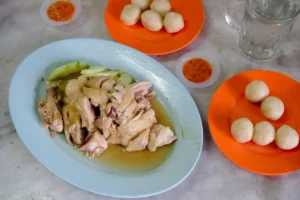
Unlike conventional Hainanese chicken rice where loose grains are served in a bowl, Chung Wah is celebrated for its distinctive hand-rolled rice balls. These spherical portions are crafted by compressing freshly steamed, seasoned rice while hot, infusing the starch with rich poultry broths, garlic, and subtle smokiness.
Culinary Profile and Pricing
- Signature Dishes: Hainanese boiled chicken, characterized by tender skin and gelatinous connective tissues, served alongside garlic-infused rice balls.
- Accompaniments: Freshly sliced cucumbers and a potent house-made garlic-vinegar chili dipping sauce that provides a tart, spicy contrast to the rich poultry.
- Beverages: Traditional Nanyang-style roasted coffee (kopi), milk tea, and sweetened iced dairy beverages.
- Operating Hours: Weekdays, 9:00 AM to 3:00 PM; Weekends, 9:00 AM to 4:00 PM.
- Price Point: Highly economical; standard meals average approximately 28 RM (approx. $6.77 USD) for a multi-person table.
Given its prime location on Jonker Street, the establishment experiences high operational velocity, frequently generating queues prior to opening hours. Culinary analysts note that such legacy eateries play a critical role in preserving intangible cultural heritage amidst rapid commercial development in heritage zones.

2. Asam Pedas Pak Man: Mastering the Sour and Spicy Curry Tradition
The Significance of Asam Pedas
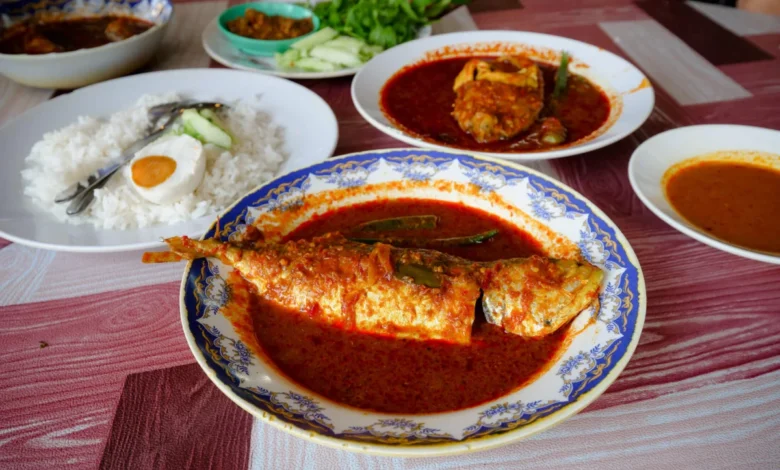
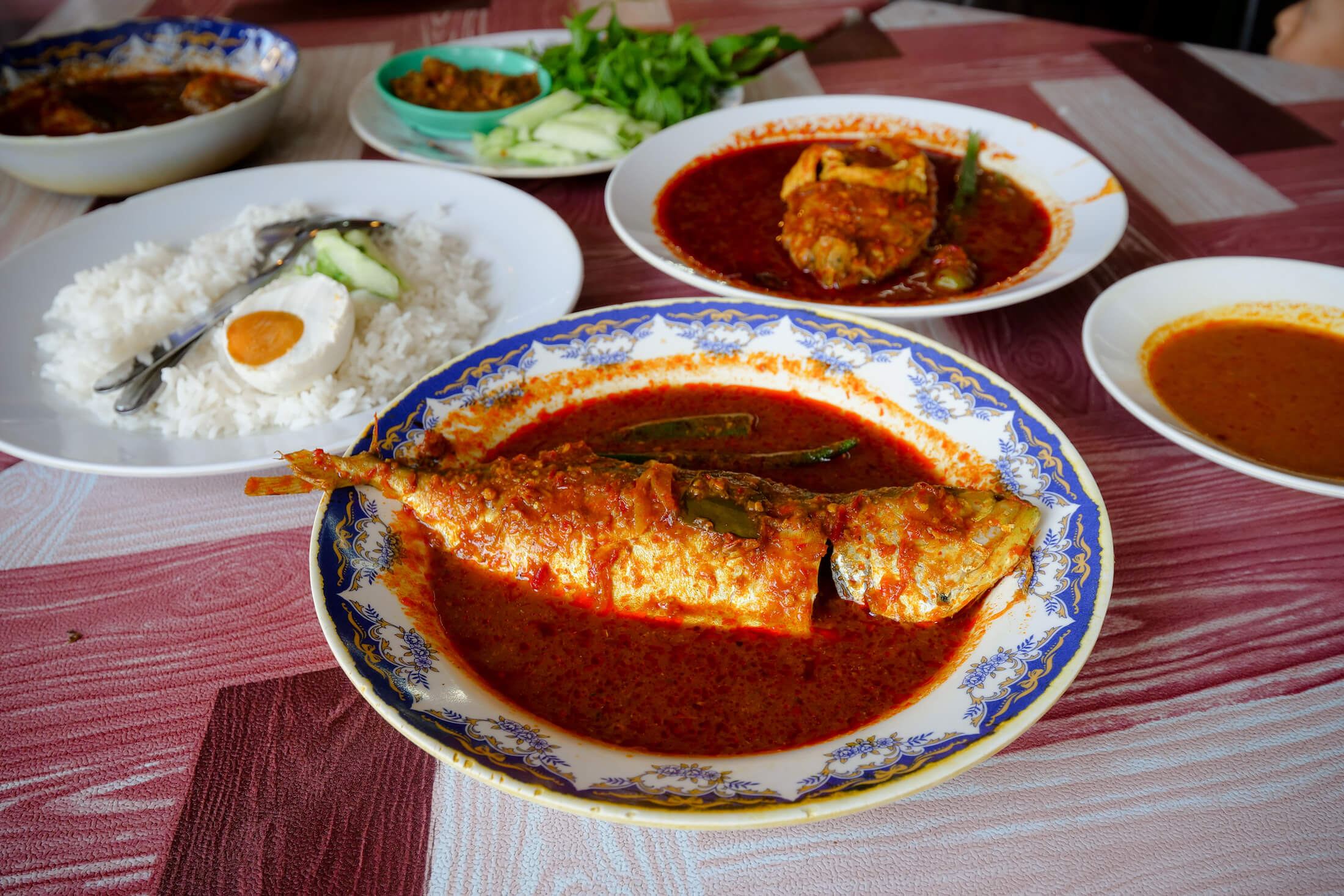
Asam pedas, translating literally to "sour and spicy," is a quintessential Malay-Peranakan curry soup defined by its heavy reliance on tamarind (asam) and chili peppers (cili). Originating as a coastal fisherman’s dish designed to utilize the daily catch while utilizing tart elements to preserve freshness, it has evolved into a celebrated regional delicacy.
Asam Pedas Pak Man, situated near the coastal districts, is widely cited by local gastronomes and regional food critics as a benchmark for the genre. The restaurant operationalizes a labor-intensive broth preparation process that typically culminates by mid-morning.

Menu Offerings and Dining Logistics
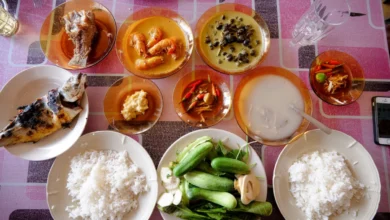
- Primary Proteins: Fresh marine catches including baramundi (ikan siakap), skipjack tuna (ikan tongkol), and stingray, simmered directly within the acidic, red chili broth.
- Side Offerings: Alongside the core curry dishes, the restaurant offers morning staples such as roti canai, nasi campur (mixed rice), and traditional Peranakan coconut snacks known as kuih, which frequently sell out early in the day.
- Condiments: A proprietary sambal belacan (fermented shrimp paste chili relish) priced nominally at 2 RM, lauded for its complex umami and heat profile.
- Operating Hours: Open daily from 8:00 AM to 7:00 PM.
- Price Point: Moderate; a comprehensive meal for a group averages around 73 RM (approx. $17.75 USD).
From an economic perspective, neighborhood establishments like Asam Pedas Pak Man support local fishing supply chains, ensuring that marine harvests are sourced directly from coastal waters to table within minimal operational windows.
3. Klebang Original Coconut Shake: Modern Refection of Traditional Refreshment
Innovation in Beverage Retail
Situated a short distance outside the immediate urban center toward the coastal beachside of Klebang, the Klebang Original Coconut Shake enterprise represents a modern commercial adaptation of traditional ingredients. Established to combat the tropical climate of the region, the business combines raw coconut water and scraped white kernel flesh with crushed ice and commercial vanilla ice cream.

Product Variations and Market Impact
- Product Tiers: Available in "Regular" format or "Special" format, the latter of which features an additional submerged scoop of vanilla ice cream. Ancillary offerings include traditional nasi lemak packets and fried fish snacks (keropok).
- Operational Scale: The venue handles thousands of transactions daily, processing vast quantities of fresh coconuts on-site.
- Operating Hours: Open daily from 11:00 AM to 6:30 PM (restricted afternoon hours on Fridays).
- Price Point: Highly accessible; Regular shakes are priced at 2.40 RM, while Special shakes cost 2.95 RM (under $0.75 USD).
Market researchers frequently cite the Klebang Coconut Shake as a prime example of high-volume agritourism retail, effectively bridging the gap between traditional agricultural harvesting (coconut farming) and modern youth-centric beverage culture.
4. Ban Lee Siang Satay Celup: Interactive Communal Dining
The Mechanics of Satay Celup
Satay celup is a distinct culinary hybrid unique to Melaka, merging elements of Chinese hotpot dining with traditional Malay satay peanut sauces. Diners select raw or semi-processed skewers—ranging from meats and seafood to mushrooms and vegetables—from communal refrigeration units and cook them directly at their tables in a simmering, communal urn of spiced peanut gravy.

Establishment Details: Ban Lee Siang
- Dining Format: Self-service model where patrons curate individual trays of skewers. Prominent ingredients include Chinese brown tofu, which absorbs the rich, sweet-and-savory peanut reduction.
- Billing Methodology: Post-meal inventory is calculated by tallying physical wooden skewer sticks remaining on the table.
- Operating Hours: Open daily from 4:00 PM to 12:30 AM.
- Price Point: Highly cost-effective; individual skewers are standardized at 1 RM each (approx. $0.22 USD), with group totals averaging around 38 RM for nearly forty items.
This interactive format fosters communal engagement, positioning the restaurant as a focal point for evening social dining among both domestic tourists and international visitors.
5. Ikan Bakar Hj Musa: The Pinnacle of Charcoal-Grilled Seafood
Coastal Grilling Traditions
Concluding the culinary itinerary, Ikan Bakar Hj Musa capitalizes on Melaka’s maritime geography. Ikan bakar (charcoal-grilled fish) represents a cornerstone of coastal Malaysian and Indonesian Malay cooking methods. Situated near the waterfront, this establishment is recognized by local culinary circles for its meticulous handling of marine proteins over open-flame charcoal pits.

Ordering Protocols and Flavor Profiles
- Weighing and Selection: Seafood is selected directly from display counters using personal plastic trays and priced per 100 grams, allowing for diverse, multi-protein ordering without prohibitive costs.
- Signature Marinades: Proteins—including stingray (ikan pari), squid, and prawns—are seared over high charcoal heat and coated with a signature chili sambal paste. The residual heat caramelizes the sambal into a gelatinous, spiced glaze.
- Side Dishes: Complementary Chinese-style stir-fried leafy greens balance the rich, spicy marine proteins.
- Operating Hours: Open daily from 5:00 PM to 12:00 AM (Midnight).
- Price Point: Premium relative to street vendors, yet competitive; comprehensive meals for small groups average approximately 99 RM.
Broader Economic and Tourism Implications
The concentration of diverse, culturally rich culinary institutions in Melaka underscores the city’s strategic value to Malaysia’s national tourism board (Tourism Malaysia). Gastronomy functions not merely as a tertiary tourist activity but as a primary anchor for cultural preservation.
By sustaining businesses that rely on heritage recipes—ranging from Hainanese chicken preparation techniques to Peranakan spice pastes and localized hotpot variants—Melaka protects its multicultural identity against the homogenizing effects of globalization. Furthermore, the affordability and accessibility of these culinary offerings ensure equitable economic distribution across micro-enterprises, smallholder coconut farmers, local fishermen, and multi-generational family operators.

As international travel patterns continue to evolve post-pandemic, destinations that offer authentic, place-based culinary narratives are projected to capture an increasing share of experiential tourism revenue. Melaka’s enduring food culture positions it firmly at the forefront of this movement within Southeast Asia.