The daily challenge of determining what to prepare for dinner has become a significant source of cognitive load for modern households. Recent data from the American Psychological Association suggests that decision fatigue, exacerbated by the demands of professional and personal life, often leads to a reliance on processed foods or impulsive, less nutritious dining choices. In response to these evolving domestic pressures, My Colombian Recipes has announced the launch of a structured, weekly meal planning service designed to alleviate the burden of meal preparation and encourage consistent, home-cooked dining.
The Evolution of Home Meal Planning
Meal planning has transitioned from a traditional domestic practice into a strategic productivity tool. According to a 2023 survey by the International Food Information Council, nearly 60 percent of adults report that they feel overwhelmed by the task of daily meal selection. The implementation of a structured weekly guide aims to streamline the procurement of ingredients, reduce food waste—which accounts for nearly 30 to 40 percent of the food supply in the United States—and stabilize household grocery expenditures.
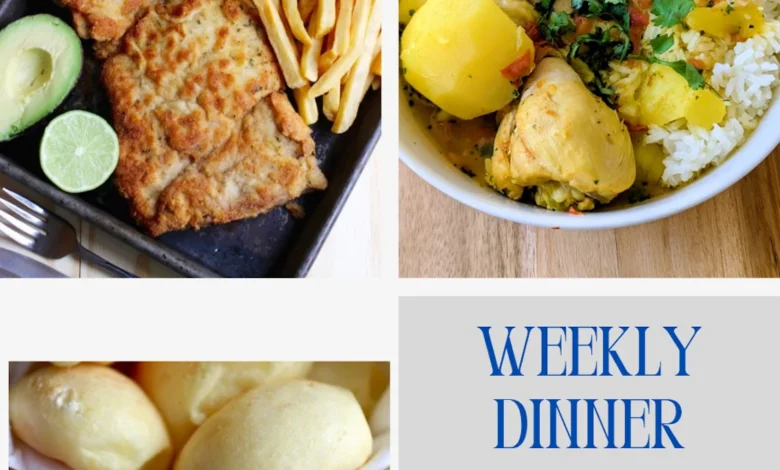
By providing a curated menu of six dinner options—covering Monday through Saturday—this initiative serves as a framework for families, couples, and individuals to reclaim time in their evenings. This transition toward pre-planned consumption is widely recognized by nutritionists as a primary driver for improved dietary quality, as it allows for the deliberate selection of balanced macronutrients and the avoidance of high-sodium, pre-packaged convenience items.
Structural Framework of the Initiative
The newly introduced service, pioneered by food educator and author Erica Dinho, utilizes a systematic approach to culinary management. The program is structured to provide not only a main course for each evening but also corresponding side dishes, ensuring a nutritionally dense and cohesive meal.
The weekly schedule is broken down into the following components:
- Core Dinner Rotations: A six-day menu spanning Monday to Saturday, designed to balance preparation time with flavor profiles.
- Strategic Side Pairings: Complementary dishes that utilize pantry staples and fresh produce to minimize the need for additional trips to the grocery store.
- Bonus Content: A supplemental selection of three recipes each week, focusing on diverse categories such as breakfast, appetizers, beverages, or snacks, intended to provide comprehensive utility for the week’s kitchen activities.
Contextual Background: The Influence of Traditional Culinary Arts
The program draws its foundation from the culinary heritage of Colombia, a tradition defined by a blend of indigenous, Spanish, and African influences. Erica Dinho, the founder of My Colombian Recipes, notes that her methodology is rooted in the legacy of her grandmother, Mamita. This background serves as the institutional anchor for the current initiative, emphasizing the importance of heritage-based cooking while adapting it to the pace of modern, urban life in the northeastern United States.
The integration of these traditional techniques into a modern meal-planning format highlights a growing trend in the culinary sector: the "fusion of convenience and culture." As professional kitchens and home cooks alike move toward more sustainable practices, the reliance on authentic, whole-food recipes has seen a resurgence. This initiative is designed to bridge the gap between complex, time-intensive traditional recipes and the functional requirements of a busy, contemporary workforce.
The Economics of Meal Planning
Data analysis from the Bureau of Labor Statistics indicates that food-at-home costs have experienced fluctuations in recent years, prompting a shift in consumer behavior toward more disciplined spending. A structured meal plan serves as a financial safeguard. By inventorying ingredients before shopping, households are less likely to succumb to "impulse purchasing," a phenomenon that increases the average grocery bill by approximately 20 percent according to industry retail studies.
Furthermore, the environmental impact of this planning model is substantial. By aligning a week’s worth of meals around shared ingredients, households can optimize the utility of fresh produce and proteins before spoilage occurs. This systemic approach is a micro-level solution to the broader macroeconomic issue of household food waste.
Implications for the Digital Food Media Landscape
The launch of this weekly series represents a broader shift in digital food media. Historically, food blogs functioned primarily as repositories for individual, isolated recipes. However, the current trend shows a pivot toward "utility-based content." Users are increasingly prioritizing platforms that offer organizational value alongside culinary instruction.
In this model, the role of the food writer shifts from a mere provider of recipes to a "culinary coordinator." By curating a weekly roadmap, the service establishes a recurring engagement loop, which is essential for maintaining audience retention in a saturated media environment. The integration of a subscription-based email delivery system underscores the importance of direct-to-consumer communication channels, bypassing the volatility of social media algorithms to provide consistent, reliable content to the end user.
Future Outlook and Scalability
As this weekly meal planning initiative gains momentum, the potential for expansion remains significant. Future iterations could involve the integration of automated grocery list generation, digital inventory tracking, and specialized dietary adaptations (such as gluten-free or plant-based versions of the weekly plans).
For the reader, the immediate benefit is a reduction in the psychological stress associated with the "What’s for dinner?" dilemma. By automating the decision-making process, households can reallocate their cognitive energy toward other priorities. The success of this initiative will be measured not only by the adoption rates of the recipes provided but by the extent to which it successfully integrates traditional culinary wisdom into the streamlined, fast-paced reality of 21st-century domestic life.
Conclusion: A Disciplined Approach to Daily Nutrition
The introduction of a weekly dinner meal plan by My Colombian Recipes offers a practical, data-backed solution to the common challenge of daily meal management. By combining the efficiency of a structured weekly schedule with the rich, traditional flavors of Colombian cuisine, the initiative provides a blueprint for healthier, more economical, and more organized dining. As more households seek to navigate the complexities of food preparation in an era of information overload, the demand for curated, reliable culinary guidance is expected to remain a permanent fixture in the digital landscape. Readers interested in participating in the program are encouraged to utilize the established subscription channels to receive the forthcoming weekly installments directly.