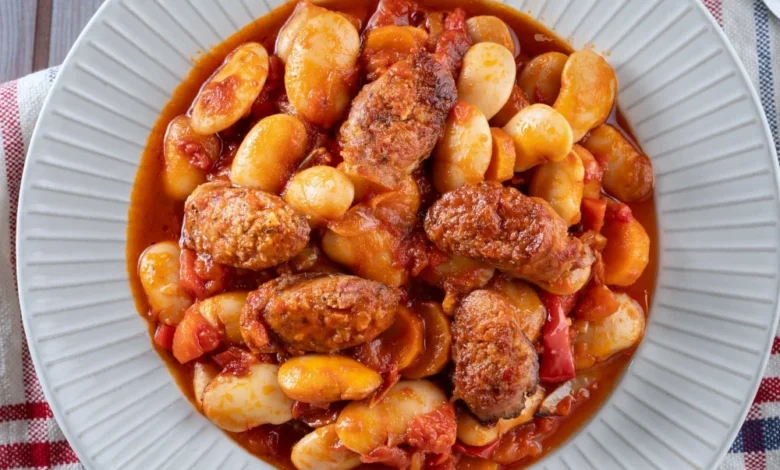
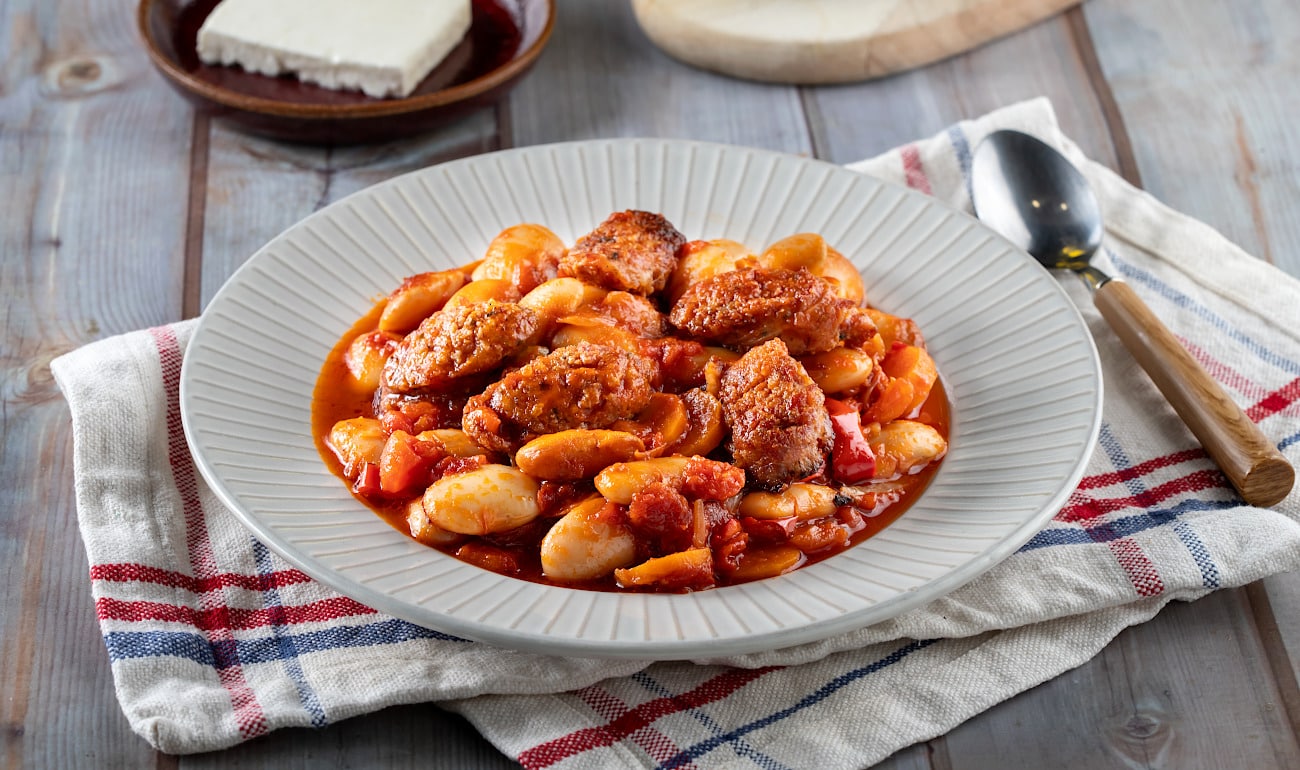
The culinary landscape of the Mediterranean continues to find modern expression through traditional foundations, most notably demonstrated in a new recipe released by acclaimed Greek celebrity chef Giorgos Tsoulis. Blending the rustic heritage of the classic Greek dish gigantes plaki with the robust additions of smoked sausage, sweet peppers, and aromatic spices, this one-pan creation offers a contemporary take on a regional staple. Designed for both home cooks and culinary enthusiasts, the dish bridges historical dietary staples with modern flavor profiles, highlighting the enduring versatility of legumes in contemporary gastronomy.
Origins and Cultural Background
To understand the significance of Chef Tsoulis’s new creation, one must examine the deep roots of gigantes plaki within Greek culinary history. Originating in Northern Greece, particularly regions such as Kastoria and Florina where giant white beans (gigantes or elefantes) are traditionally cultivated, the dish is a cornerstone of Greek cuisine. Traditionally, gigantes plaki involves slow-baking large, lima-like white beans in a rich tomato and olive oil-based sauce, heavily infused with onions, garlic, parsley, and dill.
Historically, legumes have formed the bedrock of the Mediterranean diet, offering a sustainable, nutrient-dense source of plant-based protein. Long before modern nutritional science championed the benefits of high-fiber, plant-forward diets, Mediterranean households relied on dried beans to sustain communities through harsh winters and lean agricultural seasons. The incorporation of cured meats, such as the smoked sausage introduced in Tsoulis’s variation, reflects a historical practice of combining pantry staples with locally sourced artisanal charcuterie to elevate simple, inexpensive ingredients into celebratory family meals.
Culinary Profile and Preparation Mechanics
Chef Tsoulis’s recipe elevates the traditional vegetarian gigantes plaki by integrating smoked sausage, which imparts a deep, savory umami quality to the dish. The preparation process emphasizes slow cooking, requiring approximately one hour of active preparation and two and a half hours of baking time, bringing the total time investment to three hours.
The dish begins with tender giant beans simmered to perfection, then united in a single baking vessel with sweet bell peppers, onions, extra virgin olive oil, and crushed tomatoes. The sauce is seasoned with Mediterranean staples—oregano and smoked paprika—which complement the natural smokiness of the sausage. According to culinary notes provided by Tsoulis, achieving the ideal flavor balance relies heavily on the slow-molding of these ingredients in the oven, ensuring the sauce achieves a silky consistency capable of coating the large beans. For palates sensitive to tomato acidity, a minor adjustment involving a pinch of sugar is recommended.
Chef Giorgos Tsoulis: Profile and Sustainability Advocacy
The creator behind this prominent recipe, Chef Giorgos Tsoulis, is a leading figure in modern Mediterranean cuisine. Renowned across Greece, Cyprus, and international culinary circles, Tsoulis has built a career bridging traditional Hellenic flavors with innovative, accessible cooking techniques. Beyond his extensive restaurant background and popular television culinary programs, Tsoulis is deeply committed to environmental sustainability and public health education.
As an official sustainable cuisine ambassador for WWF Hellas, Tsoulis utilizes his platform to promote conscious consumption. His culinary work actively supports key European environmental initiatives, including the #Eat4Change program, which encourages dietary shifts toward sustainability, and the #Farm2Fork strategy, designed to make food systems fair, healthy, and environmentally friendly. By highlighting nutrient-dense, legume-based dishes like giant beans, Tsoulis aligns his commercial and media output with global efforts to reduce the carbon footprint associated with modern food consumption.
Broader Nutritional and Economic Implications

The release of Tsoulis’s recipe arrives at a time when global interest in the Mediterranean diet remains at an all-time high, driven by well-documented cardiovascular and metabolic health benefits. Legumes, specifically large white beans, are celebrated by nutritionists for their exceptional profile of complex carbohydrates, dietary fiber, iron, and potassium.
From an economic and environmental perspective, promoting bean-centric recipes carries substantial implications. As global agriculture faces mounting pressures from climate change and resource scarcity, shifting consumer habits toward high-yield, low-impact crops like dry beans is viewed by agricultural economists as a vital adaptation strategy. Recipes that successfully integrate affordable, shelf-stable ingredients with small quantities of high-flavor meats—such as smoked sausage—demonstrate how modern households can achieve culinary satisfaction while managing food costs and minimizing waste.
Complementary Pairings and Serving Recommendations
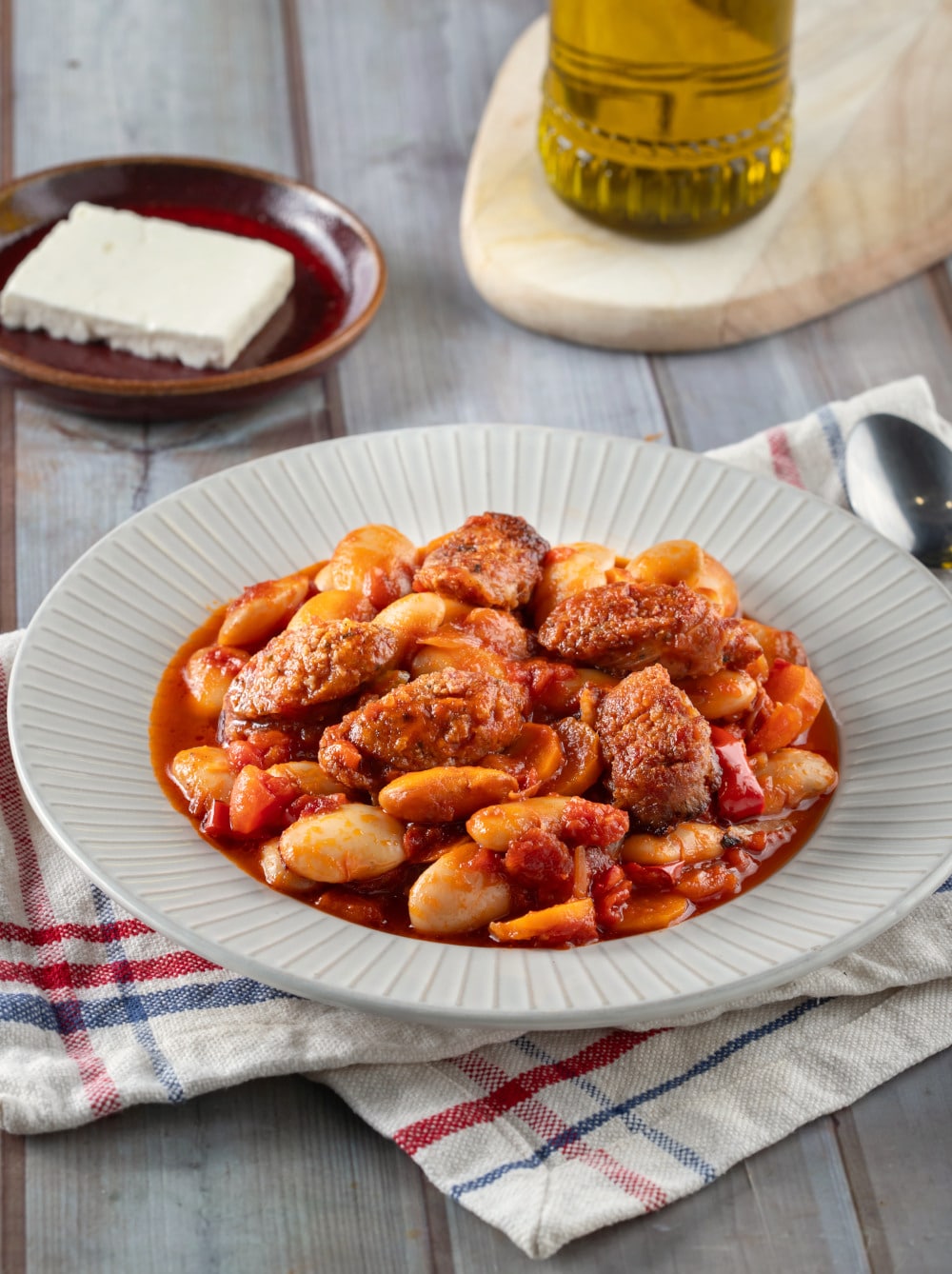
Designed to serve five individuals as a principal course, the baked giant beans are presented as a versatile centerpiece suitable for family gatherings and casual dinners. Tsoulis recommends serving the dish alongside traditional Mediterranean accompaniments, such as a crisp Politiki salad—a traditional shredded cabbage and carrot salad dressed with olive oil and lemon—and fresh garlic-labneh zucchini bread.
Furthermore, culinary experts note that dishes of this nature benefit significantly from resting, often tasting superior the day after preparation as the flavors continue to deepen and harmonize. This characteristic makes the recipe particularly attractive for meal-prep enthusiasts and busy households seeking efficient, high-quality dining solutions.
Conclusion and Future Culinary Directions
As chefs continue to reinterpret classic regional dishes for global audiences, creations like Chef Giorgos Tsoulis’s baked giant beans with smoked sausage illustrate the relevance of traditional comfort foods in the 21st century. By honoring the historical foundation of gigantes plaki while thoughtfully incorporating contemporary flavor enhancements and sustainability principles, the dish stands as a testament to the dynamic evolution of Mediterranean cuisine.