Elevate Your Wine Experience: Inside the Rise of Educational Direct-to-Consumer Wine Clubs

The direct-to-consumer (DTC) wine market has undergone a fundamental transformation over the past decade, shifting away from generic bulk subscriptions toward highly curated, education-focused tasting experiences. As global interest in viticulture, regional terroir, and sustainable winemaking reaches an all-time high, modern consumers are no longer satisfied with merely receiving random bottles at their doorstep. Instead, a new segment of wine enthusiasts is demanding context, provenance, and structured learning. Leading this industry evolution are educational wine clubs designed to bridge the gap between casual curiosity and true oenological mastery. By blending hand-selected global bottles with comprehensive digital resources, tasting notes from professional sommeliers, and deep historical background, these platforms are redefining how everyday drinkers interact with wine.
The Evolution of the Wine Subscription Market
To understand the current boom in educational wine clubs, it is necessary to examine the broader trajectory of the DTC wine industry. Historically, wine clubs were operated primarily by individual vineyards, allowing local customers to secure allocations of specific regional bottlings. However, the rise of e-commerce in the early 2000s paved the way for third-party aggregators. These early platforms focused heavily on convenience and volume, offering heavily discounted cases or monthly mystery boxes.
While these models initially thrived on the novelty of home delivery, market saturation and changing consumer preferences eventually exposed their limitations. Modern wine drinkers—particularly millennials and Generation Z—place a higher premium on transparency, storytelling, and experiential learning. According to recent beverage industry analytics, a significant percentage of wine consumers actively seek out products that align with their personal values, such as organic farming practices, lesser-known indigenous grape varieties, and small-batch production methods.

In response to this shift, innovative market players have pivoted toward an educational framework. Rather than asking customers what color wine they prefer, contemporary wine clubs focus on building a foundational understanding of geography, climate, soil composition, and production techniques. This approach transforms a passive consumption habit into an active, intellectual pursuit.
Curated Exploration and Global Discovery
At the heart of the modern educational wine club model is a rigorous curation process designed to expose members to styles and regions they might never encounter through traditional retail channels. Navigating local wine shops can often feel overwhelming for the uninitiated, while big-box retailers tend to stock safe, commercial brands that offer little room for discovery.
Curated subscription services bypass these limitations by leveraging industry experts who travel globally to source unique bottles from independent producers. Members frequently receive access to limited-production wines that are virtually impossible to source locally. This strategy not only supports boutique winemakers who lack massive distribution networks but also broadens the palate of the subscriber.
Furthermore, the curation is rarely random. Educational clubs often structure their shipments around thematic journeys. A single month might focus on the volcanic soils of Mount Etna in Sicily, exploring how high-altitude farming and indigenous grapes like Nerello Mascalese produce distinct flavor profiles. The following month could pivot to a comparative tasting of cool-climate Syrah from the Northern Rhône versus fruit-forward expressions from the Barossa Valley. This intentional curation ensures that every bottle serves as a tangible lesson in geography, history, and agricultural science.

The Integration of Digital Portals and Professional Guidance
One of the most significant technological advancements driving the success of educational wine clubs is the integration of rich media member portals. In the past, wine subscriptions typically arrived with a simple paper tasting sheet containing basic flavor notes. Today, digital infrastructure allows clubs to provide immersive, multimedia content accessible anytime and anywhere.
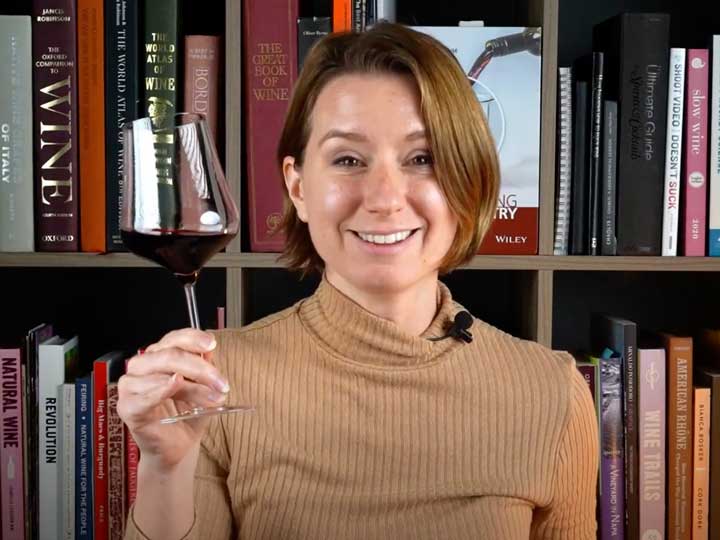
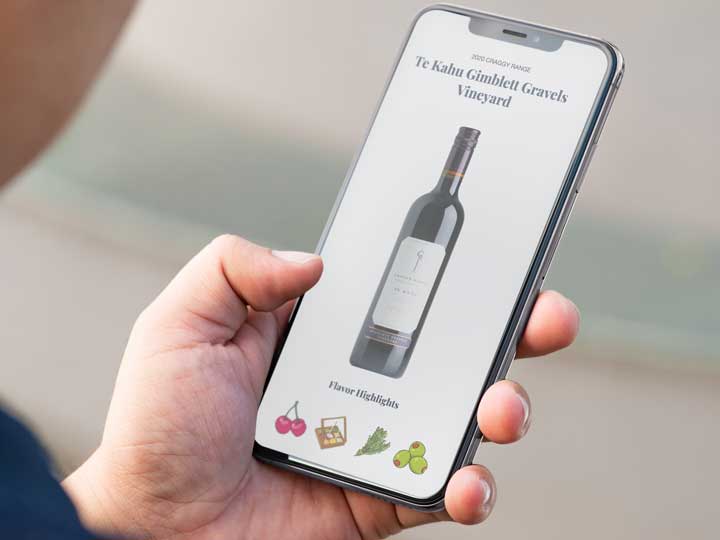
Upon logging into a member portal, subscribers gain access to a wealth of supplementary material. This includes detailed varietal breakdowns, deep dives into the history of specific winemaking families, and high-definition video walkthroughs led by certified sommeliers and wine educators. These professionals offer personal tasting notes, advice on optimal serving temperatures, and guidance on proper glassware.
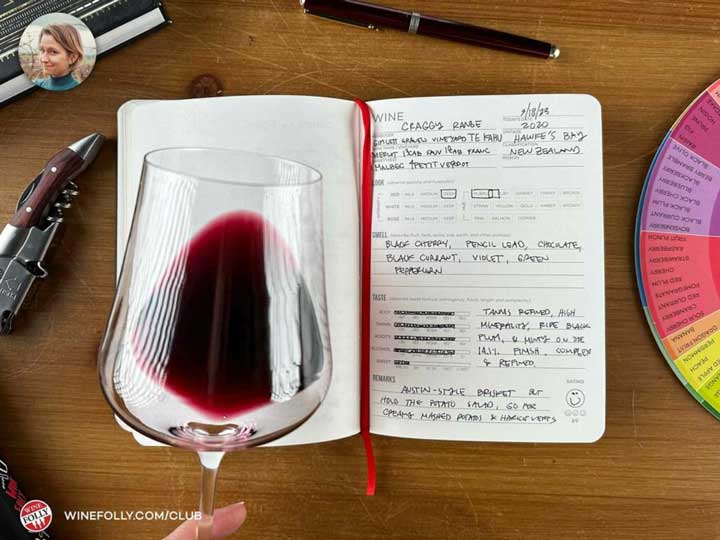
This digital ecosystem empowers consumers to follow along step-by-step as they open a bottle. Instead of guessing whether a wine exhibits notes of blackberry, leather, or baking spice, members can cross-reference their sensory experiences with expert evaluations, thereby refining their sensory perception and vocabulary over time. Additionally, exclusive digital content from the winemakers themselves provides an insider view of the harvest, fermentation vessels, and aging processes utilized in the production of each specific vintage.
Member Perspectives and Community Feedback

The true test of any subscription service lies in the sustained satisfaction of its user base. Across consumer reviews and industry testimonials, members consistently highlight the balance between intellectual engagement and sensory enjoyment as a primary driver of retention.
Laura M., a long-time subscriber to an educational wine club, noted the efficacy of the structured format: "I really, really, really love your entire format for this club! You have really honed this to perfection. I appreciate all the information on the members area on the website that includes varietal info, winery info, how to serve the particular wine, etc."
This sentiment is echoed by Christine B., who emphasizes the value of continuous learning paired with direct sampling opportunities: "I love the in-depth information about the wine every month, the wineries, and your experiences with each of them. Thank you so much for helping me expand my wine knowledge and of course the opportunity to sample them too!"
For collectors and enthusiasts living in rural areas or markets with limited retail variety, these clubs offer a vital link to the broader wine world. Milford C. shared a perspective common among regional subscribers: "You have brought wines that I cannot source locally which is awesome. I also like comparison, vertical tasting, and exploring taste pairings. And if that is not enough, I love learning about and tasting value wines. I really enjoy the club."
These accounts illustrate how successful educational platforms cultivate a sense of community and shared discovery among members who might otherwise be isolated in their learning journeys.
Pricing Structures, Tailored Memberships, and Gifting Options
As the market for educational wine experiences has matured, providers have adapted their business models to accommodate varying consumer needs and financial commitments. Entry-level memberships generally start at approximately $99 per month, scaling upward depending on the rarity of the selections and the comprehensiveness of the accompanying educational materials.
To maximize consumer satisfaction, many clubs utilize onboarding questionnaires that assess individual preferences, prior experience levels, and flavor profiles. This data allows curators to tailor upcoming shipments, ensuring that beginners are not overwhelmed by overly tannic reds or ultra-funky natural wines, while advanced collectors continue to receive challenging, complex bottles. Flexibility is another cornerstone of the modern model, with most platforms offering cancel-anytime policies that reduce the financial friction of trying a new service.
In addition to personal subscriptions, the market has seen a surge in gifting options. Educational wine clubs have positioned themselves as premier presents for birthdays, holidays, and corporate milestones. Gifting tiers typically range from flexible two- and three-month introductory packages to comprehensive six- and twelve-month commitments. This allows gift-givers to provide a sustained, long-term educational experience rather than a fleeting physical item.
Broader Economic and Cultural Implications
The rise of educational wine clubs carries significant implications for both the global agricultural economy and modern consumer culture. For small-scale, family-owned vineyards—particularly those practicing sustainable, organic, or biodynamic farming—direct-to-consumer educational platforms represent a vital economic lifeline. By connecting these producers directly with engaged, curious consumers, clubs help bypass the notoriously difficult and expensive traditional distribution tiers dominated by massive beverage conglomerates.
From a cultural perspective, these programs reflect a broader consumer trend toward experiential spending over the accumulation of material goods. In an era where individuals increasingly value skills, knowledge, and memorable experiences, wine has transitioned from a mere alcoholic beverage to an object of cultural study. Learning to appreciate the nuances of terroir, the history of ancient wine regions, and the science of fermentation satisfies a growing desire for mindful, intentional consumption.
Furthermore, the emphasis on food pairing and culinary exploration encourages home cooking and entertaining. By teaching members how acidity, tannins, and sweetness interact with various food components, these clubs elevate the home dining experience, bridging the gap between gastronomy and enology.
Looking Ahead: The Future of Wine Education
As technology continues to evolve, the intersection of wine and digital education is poised for further expansion. Industry analysts predict that future iterations of these clubs may incorporate augmented reality (AR) virtual vineyard tours, live-streamed tasting sessions with international winemakers, and AI-driven flavor profiling that dynamically adjusts future shipments based on real-time user feedback.
Despite these technological advancements, the core mission of the educational wine club remains rooted in human curiosity and storytelling. Whether a subscriber is exploring a bold Cabernet Sauvignon from a storied estate or an obscure white varietal from a micro-producer, the ultimate goal is to remove the intimidation factor from the world of wine. By providing the tools, context, and community necessary to foster true understanding, these platforms ensure that every bottle opened becomes an opportunity for discovery, mastery, and enjoyment.