The Art and Evolution of Coffee Cocktails: A Comprehensive Guide to Caffeinated Mixology

The modern cocktail landscape has undergone a seismic shift as the boundary between the morning café and the evening bar continues to dissolve. What was once a niche interest—the occasional Irish Coffee after a winter dinner—has evolved into a sophisticated discipline of mixology that spans every category of spirit and preparation method. As Tristan Willey, co-founder of Good Vodka, notes, the "transitional drink" has become a cornerstone of contemporary bar programs. Whether it serves as an invigorating bridge from a long workday into a night of social engagement or a seasonal transition from light, citrus-forward refreshers to the comforting, heated libations of winter, coffee has cemented its status as a vital component in the modern bartender’s arsenal.
This evolution is not merely a matter of convenience; it is a technical exploration of how the complex acidity, bitterness, and aromatic oils of coffee beans interact with alcohol. From the high-pressure extraction of espresso to the slow, methodical steeping of cold brew, the variety of coffee-based cocktails available today reflects a deeper appreciation for flavor profiles, terroir, and the historical precedents that have shaped our drinking habits.

A Historical Perspective on the Coffee-Alcohol Intersection
The integration of caffeine and spirits is far from a contemporary invention. While the Espresso Martini—often cited as the quintessential modern coffee cocktail—exploded in popularity in the 1980s and 90s, the roots of the marriage between coffee and alcohol stretch back centuries.
Historically, coffee-infused beverages were utilized for their medicinal or restorative properties before they became social staples. The Livorno Punch, an Italian classic dating back to the 17th century, serves as a primary example. By combining hot espresso with spiced rum, sugar, and a bright lemon twist, early practitioners discovered that the bitterness of coffee could effectively counterbalance the sweetness of sugar and the harshness of high-proof spirits. This template remains the gold standard for hot coffee cocktails today, providing a blueprint for the Irish Coffee and the Spanish Coffee that would follow.
Espresso: The Precision Engine of Mixology
Espresso remains the most potent vehicle for coffee flavor in a cocktail, offering a concentrated dose of oils and solids that cannot be replicated by drip or cold brew methods. The technical challenge for bartenders lies in the foam; a well-made espresso shot provides a layer of crema that acts as a texture enhancer, giving the cocktail a velvety mouthfeel.

Recent market data suggests that the demand for espresso-based cocktails is at an all-time high. The "Espresso Martini" category has seen a sustained compound annual growth rate in sales across urban centers, driven by a consumer base that favors lower-sugar, high-complexity drinks. While modern commercial iterations often lean on premixed coffee liqueurs or cold brew concentrates for efficiency, the gold standard remains the fresh pull of an espresso machine.
The Carajillo, a 19th-century staple hailing from Mexico City, exemplifies the elegance of simplicity. By combining fresh, hot espresso with Licor 43—a Spanish liqueur flavored with 43 botanicals including vanilla and citrus—the drink balances the intense roast profile of the coffee with a smooth, spiced sweetness. The drink has become a cultural phenomenon, particularly in North America, where its popularity has surged due to its ease of preparation and its dual role as a digestive and a social lubricant.
The Role of Drip Coffee and the Rise of "Home Bar" Mixology
While espresso requires specialized machinery, drip coffee offers a versatile, accessible alternative for home bartenders. The tradition of the "Coffee Cocktail" as a winter warmer relies heavily on the medium-bodied profile of drip coffee.

The Irish Coffee, popularized internationally by the Buena Vista Café in San Francisco in the 1950s, remains the most iconic of these. However, the scope of drip-coffee cocktails is expanding. The Keoke Coffee, a classic from the 1960s, utilizes a brandy base and a blend of liqueurs to create a richer, more opulent profile. The significance of these drinks lies in their ability to bridge the gap between dessert and beverage. By incorporating coffee into the cocktail, the drink effectively functions as a palate cleanser, cutting through the richness of a meal.
Coffee Liqueurs: The Backbone of the Modern Bar
Coffee liqueur is perhaps the most underrated component in the mixologist’s kit. Often dismissed as a sugary syrup, high-quality coffee liqueurs—made with real coffee extracts and neutral grain spirits—provide the necessary bitterness to ground a cocktail.
The White Russian, despite its pop-culture saturation, serves as a fundamental lesson in fat-washing and emulsification. More recent innovations, such as the T Stagg Slide, demonstrate how coffee liqueur can be used to complement spirits like bourbon. By adding a dusting of cinnamon and espresso, the drink elevates the standard "Mudslide" template into something worthy of a craft cocktail menu. Similarly, the "Baby Guinness" shot—which uses a layer of coffee liqueur topped with a float of Irish cream—provides a visual and sensory mimicry of the famous stout, proving that coffee-based drinks can be as playful as they are refined.

Cold Brew: The New Frontier of Tiki and Aperitif
The emergence of cold brew as a standard ingredient represents the most significant technical shift in coffee mixology over the past decade. Because cold brew is steeped over long periods without heat, it lacks the harsh, acidic tannins associated with hot-brewed coffee. This makes it an ideal candidate for integration into complex, multi-layered cocktails.
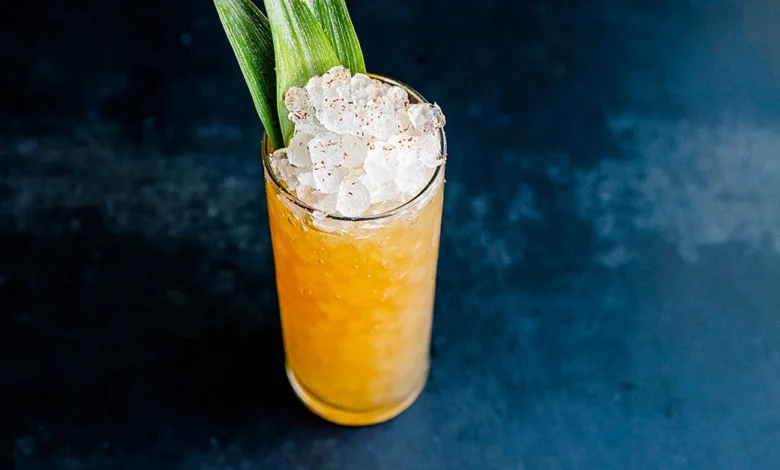
Tiki-style drinks, which typically rely on heavy fruit juices, syrups, and multiple rum varieties, often struggle to find balance. Cold brew acts as a "structural" ingredient in these cases. In the "Roman Holiday," for instance, the inclusion of cold brew provides a roasted, caramel-like bitterness that replaces the traditional rum, creating a sophisticated riff on a Jungle Bird.
Furthermore, cold brew is increasingly found in the "aperitif" category. The "Kold Brew Americano" is a prime example of how the coffee’s inherent bitterness can stand up to the aggressive botanical profile of Campari. By pairing the cold brew with vermouth or amaro, bartenders are creating lower-ABV, complex drinks that function as perfect "before-dinner" stimulants.

The "Coffee Hack": Minimalist Intervention
For those looking to integrate coffee without the need for extraction machinery, the "coffee bean hack" has become an industry favorite. By stirring whole coffee beans into a stirred cocktail like an Old-Fashioned or a Negroni, the oils from the beans gently infuse the spirit.
Nico de Soto, a renowned bartender with experience in some of the world’s most celebrated cocktail bars, has long championed this method. The process is simple: stir the drink with whole, dark-roasted beans, then strain. The result is a subtle, chocolatey finish that enhances the base spirit without altering the texture of the drink. This technique is particularly effective in drinks involving sherry or sweet vermouth, where the subtle bitterness of the coffee provides a necessary contrast to the inherent sweetness of the fortified wines.
Analysis of Current Trends and Future Implications
The integration of coffee into the bar program is not merely a passing trend but a reflection of the evolving palate of the modern consumer. Data from the National Coffee Association and hospitality industry reports indicate that consumers are increasingly seeking "functional" beverages—drinks that provide a sensory experience while offering the stimulant properties of caffeine.

The implications for the hospitality industry are twofold. First, there is a renewed investment in training. Bartenders are no longer just expected to know their spirits; they are now expected to understand extraction times, grind sizes, and the chemical composition of different coffee roasts. Second, there is an increase in cross-industry collaboration. We are seeing more partnerships between local coffee roasters and bars, leading to custom-blended espresso beans specifically designed for cocktail applications.
As we look toward the future of the industry, the boundary between the barista and the bartender will continue to blur. We are likely to see an increase in house-made coffee infusions, the use of nitro-charged coffee in draft cocktails, and a broader adoption of non-alcoholic "coffee-tails" that cater to the growing demographic of health-conscious consumers.
Ultimately, as Paris-based bartender Nico de Soto famously posited, "Coffee goes with everything." Whether it is the bold, bracing heat of an Italian punch, the smooth, chilled complexity of a tiki riff, or the subtle, aromatic infusion in an Old-Fashioned, the versatility of coffee ensures that it will remain a cornerstone of cocktail culture for the foreseeable future. The key to mastering these drinks lies in experimentation, understanding the balance between bitterness and sweetness, and respecting the raw ingredient that has become a staple of global social life.