The Ultimate Comprehensive Guide to Online Wine Courses for Professionals and Enthusiasts

The global appetite for specialized culinary and beverage education has undergone a profound structural shift over the past decade, accelerating dramatically with the widespread adoption of remote learning technologies. Whether individuals are pursuing professional credentials to advance within the hospitality and beverage sectors or simply seeking to refine their personal palates, online wine education has emerged as a robust, flexible, and academically rigorous alternative to traditional classroom settings. Today, prospective students can choose from a vast ecosystem of virtual programs, ranging from completely complimentary, self-directed video playlists to intensive, college-level certification courses that culminate in globally recognized professional designations.

The democratization of wine education is largely driven by technological advancements and the willingness of master sommeliers, renowned critics, and academic institutions to embrace digital platforms. Rather than requiring physical presence in metropolitan hubs or specialized culinary institutes, remote learning enables enthusiasts from remote and urban areas alike to study under the tutelage of global industry leaders from the comfort of their homes. However, navigating this expansive landscape requires an understanding of the distinct structural differences, financial commitments, and learning methodologies associated with the various programs available on the market today.
Categorizing the Virtual Landscape: Free Versus Paid Instruction
When evaluating online wine education, prospective students generally encounter a binary choice between complimentary, curated resource libraries and structured, tuition-based certification tracks. Each category offers distinct advantages and inherent limitations that align with different learning objectives, budgets, and career trajectories.
Free online wine learning typically leverages high-quality, publicly available video content produced by industry authorities, educational trusts, and experienced content creators. The primary benefit of this approach is financial accessibility; learners can acquire a foundational understanding of viticulture, wine regions, and tasting methodologies without incurring any monetary cost. Furthermore, self-directed study allows individuals to progress entirely at their own pace, focusing exclusively on topics of personal interest.
The primary drawback of complimentary instruction is its fragmented nature. Because free resources—such as YouTube videos, open-source articles, and institutional tutorials—are inherently decentralized, they lack the cohesive curriculum, continuous assessment, and formal accountability found in structured academic programs. To mitigate this challenge, educational curators frequently organize these disparate videos into thematic playlists that cover essential pillars such as wine theory, professional service techniques, and palate training.
Conversely, paid online wine courses provide a formalized, comprehensive curriculum designed to take students from foundational concepts to advanced, professional-level comprehension. These programs often feature dedicated customer support, interactive webinars, peer discussion forums, digital study modules, and official examinations. Upon successful completion, many paid courses award professional certificates or digital credentials that can be integrated into professional resumes and professional networking profiles like LinkedIn. While these programs require a financial investment—and frequently necessitate out-of-pocket expenses for purchasing specific study wines—they offer a structured pathway to recognized industry credentials.
Free Wine Learning Pathways and Curated Resources
For learners operating on a strict budget or seeking a low-risk introduction to the subject, several curated pathways provide exceptional value by synthesizing expert content into structured educational tracks.
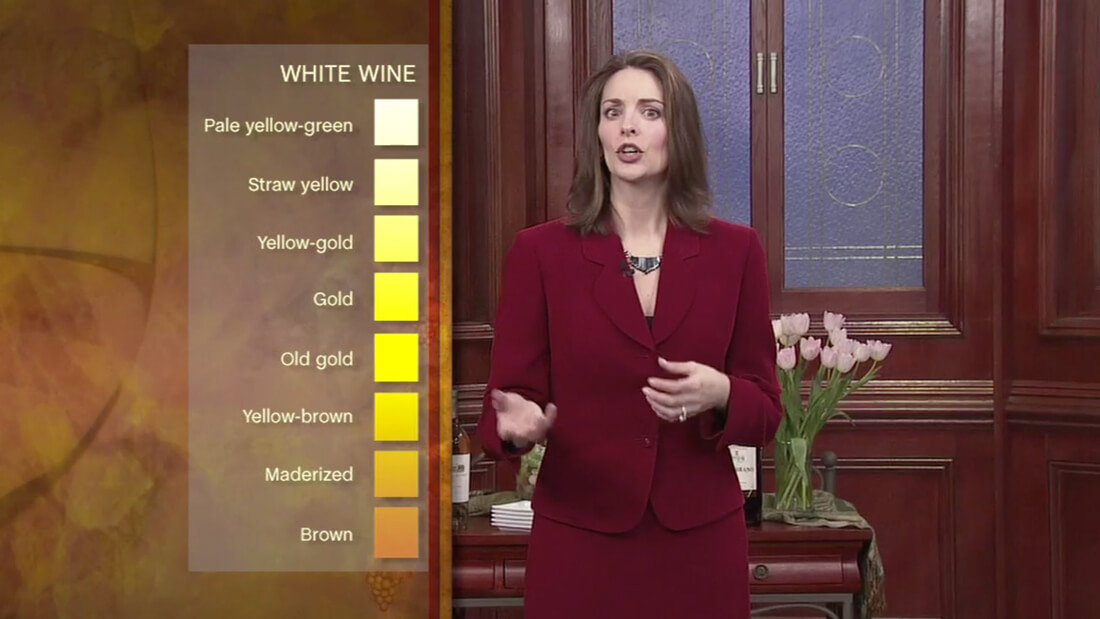
General wine knowledge forms the bedrock of any serious study in oenology. Scrappy, self-directed learning playlists—often drawing from reputable digital educators such as Wine Folly, GuildSomm, and the Liquor Control Board of Ontario (LCBO)—typically offer upwards of seven hours of targeted instructional video. These series introduce novices to the fundamentals of wine composition, the mechanics of professional tasting methods, and the geographical characteristics of the world’s most prolific wine-producing regions. Through structured observation, students learn how to evaluate color, aroma, and structural components such as tannin, acidity, and alcohol.
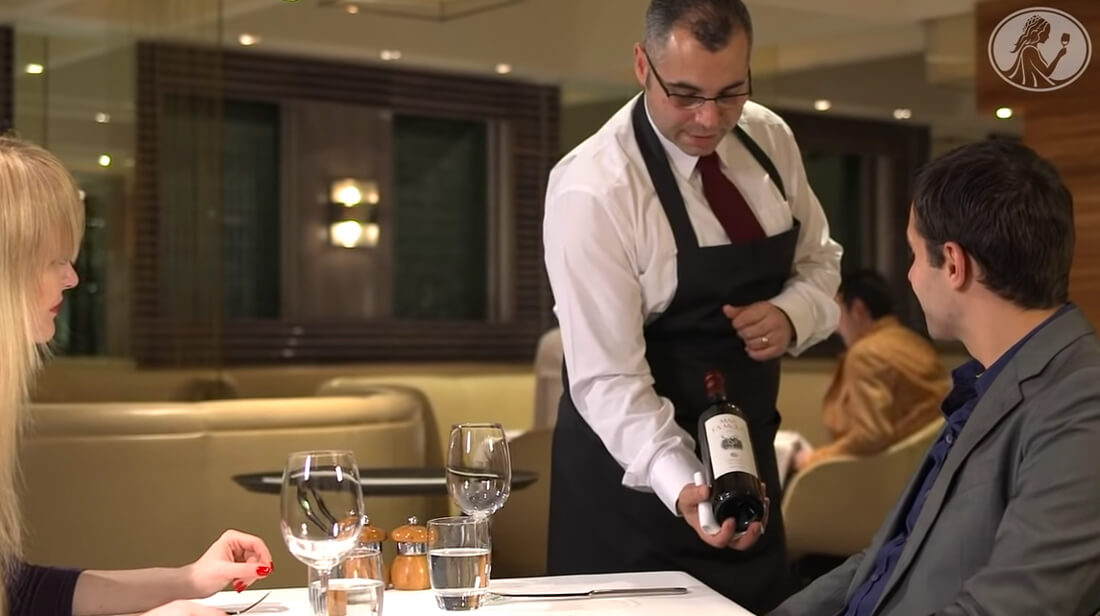
For individuals currently employed within the hospitality sector or those seeking employment as servers, sommeliers, and front-of-house staff, specialized wine service modules provide invaluable practical training. These resources outline the exact, standardized protocols required for proper restaurant wine service. Students learn the mechanical operation of a waiter’s friend corkscrew, the safe handling and extraction of sparkling wine closures to prevent accidents, and the nuances of bottle presentation and guest interaction. Educators from the Wine and Spirit Education Trust (WSET), GuildSomm, and specialized media platforms contribute detailed demonstrations on serving temperatures, glassware selection, and foundational food-and-wine pairing principles.
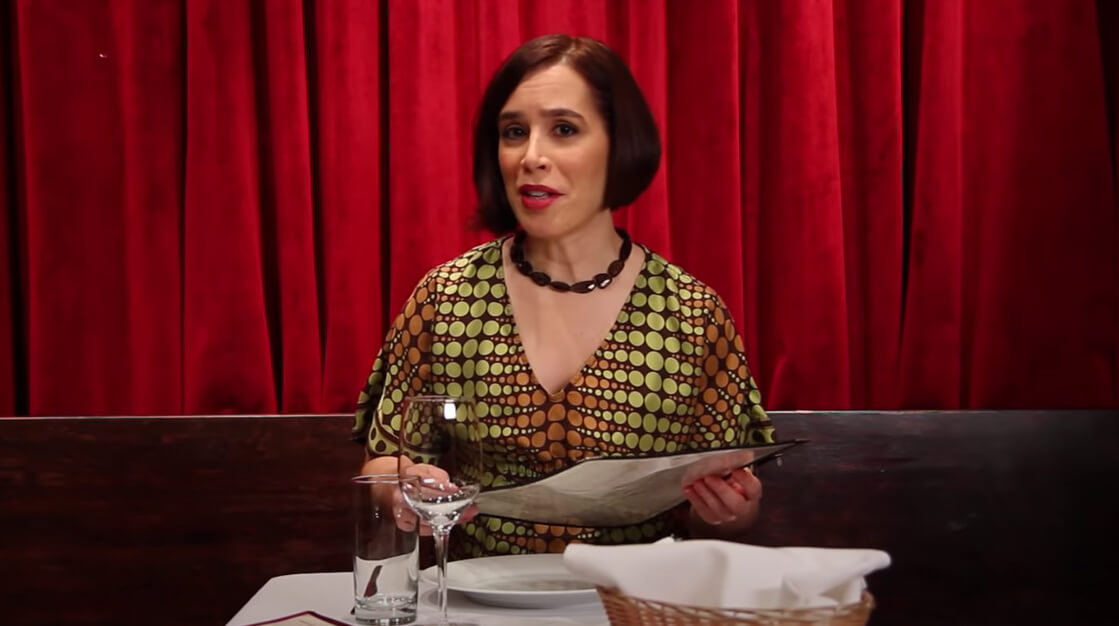
Additionally, wine etiquette, technique, and advanced pairing strategies form a crucial component of consumer-facing education. Programs featuring experienced wine communicators such as Marnie Old, Madeline Puckette, and Andrea Robinson focus on cultivating the social confidence required to navigate complex restaurant wine lists, decipher intricate wine labels, and manage sophisticated dining scenarios. These practical lessons demystify the purchasing process, empowering consumers to communicate effectively with sommeliers and retail merchants while making informed purchasing decisions.
Premium Paid Programs and Professional Certification Tracks
The market for paid online wine education features offerings from world-renowned critics, master of wine holders, and prestigious academies. These programs are distinguished by their academic rigor, interactive components, and formal credentials.
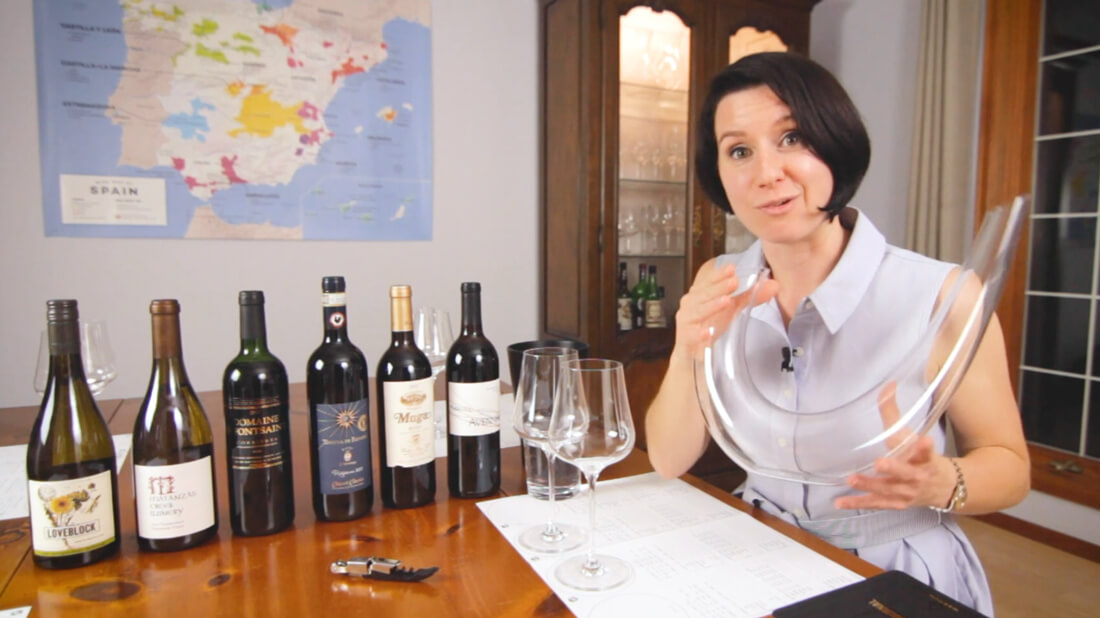
Wine Folly, renowned for its accessible and visually engaging approach to wine communication, offers a comprehensive suite of digital courses scaled from beginner fundamentals—such as Wine 101—up to college-level equivalencies like Wine 201. Designed for flexible, self-paced completion, these courses utilize modern multimedia techniques to demystify palate training and regional geography, culminating in digital certificates suitable for professional portfolios.
Among institutional offerings, the Napa Valley Wine Academy delivers structured certification programs such as the WSET Level 2 Award in Wines. This intensive five-week curriculum explores the principal factors influencing wine style, key international grape varieties, label terminology, and regional typicity. A notable feature of this program is its integration of interactive online group tastings led by professional instructors, alongside curated tasting kits containing standardized wine samples shipped directly to students.

Similarly, the San Francisco Wine School offers an online iteration of the Certified Specialist of Wine (CSW) program. Led by Master Sommelier and Certified Wine Educator David Glancy, this nine-week academic course covers viticulture, enology, wine chemistry, global wine laws, and structural tasting analysis. The program mandates active engagement through live webinar discussions, peer collaboration, and weekly tasting assignments, culminating in a proctored examination and the conferral of a recognized professional title and lapel pin.
For regional specialization, the Wine Scholar Guild provides some of the most rigorous and comprehensive online immersion programs dedicated to the viticultural landscapes of France, Italy, and Spain. Targeted at advanced enthusiasts and wine educators, these programs utilize extensive study manuals, digital learning modules, regular quizzes, and instructor-led webinars to deliver deep-dive analyses of specific appellations, sub-regions, and indigenous grape varieties.
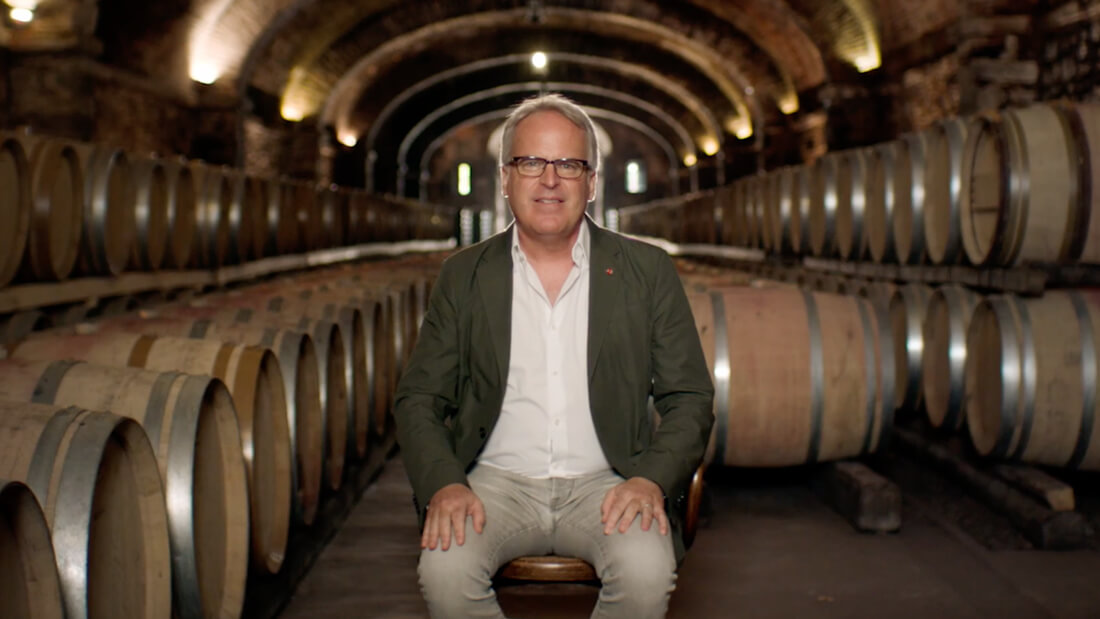
Independent celebrity-led masterclasses further enrich the digital learning ecosystem. Renowned wine critic James Suckling offers a masterclass focused on his proprietary 100-point rating system, encouraging students to conduct blind tastings to evaluate wines objectively based on sensory merits rather than labels or prestige. Similarly, Master of Wine Jennifer Simonetti-Bryan’s comprehensive guide explores major wine-producing countries and their foundational styles, while legendary wine writer Jancis Robinson brings decades of editorial expertise to her foundational instructional series produced in partnership with BBC Maestro.
Industry Implications and Strategic Recommendations for Independent Learners
The proliferation of online wine education has fundamentally transformed how knowledge is acquired within the beverage industry. Historically restricted to geographical centers of trade, culinary institutes, or expensive residential programs, wine education is now universally accessible. This shift has widened the talent pool for hospitality employers, enabling front-of-house staff in secondary and tertiary markets to attain professional certifications that elevate overall service standards across the industry.
However, independent remote learning presents distinct pedagogical challenges. Without a physical classroom, students often bear the sole responsibility of sourcing specific tasting samples, which can involve navigating complex regional shipping laws and retail availability. Furthermore, educational research consistently demonstrates that peer-to-peer interaction significantly enhances knowledge retention and cognitive skill development in sensory-based disciplines.
To overcome the isolated nature of remote study and maximize educational outcomes, industry experts strongly recommend the formation of collaborative tasting groups. By assembling small cohorts of three to five peers, students can collectively share the financial burden of purchasing diverse wine samples while engaging in collaborative tasting exercises. This communal approach not only mirrors the interactive environment of traditional academies but also fosters practical communication skills essential for anyone pursuing a professional career in the global wine trade.