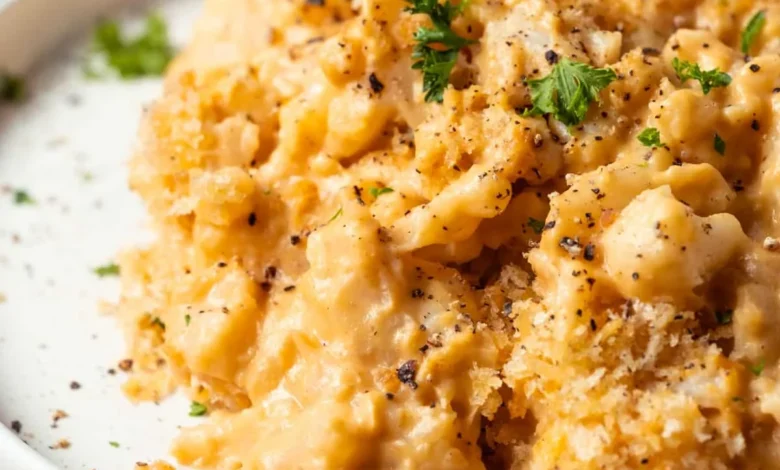
Culinary Evolution and Nutritional Context
The rise of plant-based culinary innovations has seen a significant shift toward vegetable-forward comfort food. Traditional macaroni and cheese, a staple of Western cuisine, relies heavily on refined carbohydrates and dairy-based fats. Nutritional analysis indicates that a standard serving of traditional macaroni and cheese can contain upwards of 400 to 600 calories, with a high proportion derived from simple carbohydrates and saturated fats.

In contrast, the transition to a cauliflower-based base represents a strategic adjustment in modern dietary habits. Cauliflower, a cruciferous vegetable belonging to the Brassicaceae family, provides a dense nutritional profile, including significant levels of Vitamin C, Vitamin K, and dietary fiber. When roasted or steamed, the vegetable’s cellular structure softens, allowing it to mimic the "mouthfeel" of pasta while absorbing complex, savory emulsions.

The movement toward "veggie-forward" cooking is supported by broader industry trends. According to recent market research, the global plant-based food market is expected to continue its upward trajectory as consumers prioritize lower-calorie, high-fiber diets without sacrificing the psychological satisfaction associated with comfort foods.

Chronology of Preparation and Culinary Technique
The preparation of this dish follows a systematic culinary process designed to maximize flavor development through heat management. The methodology can be categorized into four distinct phases:

- Vegetable Preparation: The cauliflower is harvested and broken into uniform, bite-sized florets. This uniformity is essential for ensuring consistent heat penetration during the steaming or roasting process.
- Sauce Emulsification: The "cheesy" sauce is constructed using a base that typically involves potatoes or a nut-based cream to achieve viscosity. This represents a culinary departure from the traditional béchamel, which relies on wheat flour and butter. By using boiled potatoes as an emulsifier, the recipe achieves a creamy consistency that adheres to the cauliflower florets without the need for processed starches.
- Aromatic Integration: The inclusion of sautéed onions, garlic, and specific spice profiles is vital. These aromatics provide the savory "umami" notes necessary to replicate the depth of aged cheddar.
- Final Assembly and Thermal Processing: The assembly occurs when the sauce is combined with the pre-cooked cauliflower. The final step involves a short bake, often finished with a panko breadcrumb topping, which provides a necessary textural contrast to the soft, creamy interior.
Data-Driven Nutritional Analysis
A comparative analysis of this recipe against a traditional pasta-based counterpart highlights significant differences. A standard serving of this vegan cauliflower variation averages approximately 219 calories, whereas traditional pasta-based versions often exceed 500 calories per serving.

- Carbohydrate Content: Reduced by approximately 60-70% compared to traditional semolina pasta.
- Fiber Profile: Enhanced through the high-fiber content of the cauliflower base, which aids in digestion and satiety.
- Sodium Management: Home-prepared versions of this dish allow for precise control over sodium intake, which is frequently excessive in pre-packaged or restaurant-grade mac and cheese variants.
Implications of Plant-Based Substitutions
The adoption of this dish has implications for both home-cooking practices and broader dietary management. By replacing wheat with cauliflower, individuals with gluten sensitivities or those following low-carbohydrate diets can participate in a culinary experience that was previously inaccessible.

Furthermore, the environmental impact of shifting from dairy-based cheese to plant-based sauces is significant. The production of dairy cheese is one of the most resource-intensive segments of the food industry, requiring high volumes of water and land use. By substituting with vegetable-based alternatives, the carbon footprint of the individual meal is substantially lowered. Culinary experts have noted that as the techniques for creating dairy-free "cheese" sauces improve—moving away from processed additives toward whole-food bases like potatoes and nutritional yeast—the acceptance rate among non-vegan populations continues to climb.

Dietary Adjustments and Accessibility
For those seeking to maintain a strictly gluten-free diet, the dish is inherently flexible. The primary points of concern in traditional recipes—soy sauce and breadcrumbs—are easily mitigated. Using liquid aminos instead of soy sauce and employing gluten-free breadcrumbs or nut-based toppings ensures that the dish remains safe for those with Celiac disease or gluten intolerance.

The storage profile of the dish is a critical consideration for meal planning. While the dish maintains its integrity in a refrigerated environment for up to four days, it is not recommended for freezing. The high water content in cauliflower leads to structural degradation upon thawing, causing the sauce to break and the vegetable to become mushy. This fact emphasizes the dish’s role as an "immediate consumption" comfort food rather than a long-term freezer staple.

Broader Culinary Impact
The success of such recipes in mainstream media and recipe databases underscores a shift in how comfort food is perceived. It is no longer synonymous with "unhealthy" or "nutrient-void." Instead, it is becoming a vehicle for nutrient density. The "cauliflower craze," which began with cauliflower pizza crusts and rice, has successfully transitioned into the realm of complex, baked, and layered dishes.

Industry observers suggest that the future of home cooking will continue to lean toward these "swap-in" methods. By retaining the flavor profile of the original dish—the creamy texture, the savory coating, the golden crust—while altering the core ingredient, home cooks can achieve a level of dietary flexibility that does not feel like a compromise.

Ultimately, the Vegan Cauliflower Mac and Cheese represents a synthesis of traditional comfort and modern nutritional science. It provides a blueprint for how classic recipes can be adapted to meet the demands of a health-conscious, environmentally aware public without losing the sensory enjoyment that defines the dish as a family favorite. Whether served at a potluck or as a weekday meal, its appeal lies in its ability to satisfy deep-seated cravings while contributing positively to one’s overall nutritional intake.