The Ultimate Guide to Fall Baking Season: A Comprehensive Culinary Preview of Autumn’s Most Anticipated Recipes

As the crisp autumn air settles across the Northern Hemisphere and foliage transitions into vibrant shades of amber and crimson, culinary enthusiasts and home bakers alike turn their attention toward the seasonal shift in domestic gastronomy. The transition from summer to fall heralds the official commencement of the autumn baking season, an annual phenomenon defined by the embrace of warming spices, orchard-fresh produce, and traditional comfort foods. Food historians and culinary economists note that this period consistently marks a significant surge in retail sales for baking staples such as flour, cinnamon, nutmeg, and canned pumpkin. Market research firm NPD Group reports that home baking activity increases by upwards of 35 percent between the months of September and November, driven by cultural traditions, holiday preparation, and the psychological comfort associated with warm, oven-fresh goods.
The Historical Evolution of Autumn Baking Traditions

The cultural affinity for fall baking is deeply rooted in agricultural history. For centuries, the autumn months represented the culmination of the harvest cycle, during which root vegetables, hardier fruits, and winter squashes were gathered and preserved for the colder months ahead. Apples, which reach peak ripeness between late August and October, became the cornerstone of European and North American seasonal desserts. Similarly, the native North American pumpkin—initially documented by European explorers in the 16th century—evolved from a staple subsistence crop into a symbol of autumnal abundance, largely popularized through traditional holiday pies and breads.

In contemporary society, the transition into autumn triggers a well-documented psychological and behavioral shift. Environmental psychologists suggest that cooler temperatures and shorter daylight hours prompt individuals to seek out domestic comfort, a concept often aligned with the Danish principle of hygge. Baking serves as a tactile and aromatic manifestation of this seasonal nesting instinct. The olfactory stimulation provided by baking spices—specifically cassia cinnamon, cloves, ginger, and allspice—has been shown to evoke feelings of warmth, nostalgia, and emotional security, further cementing the season’s popularity among home cooks.

A Curated Survey of Seasonal Offerings: Orchard-Fresh Apples

Apples remain the undisputed herald of the early autumn harvest. Agricultural economists point to the vast economic footprint of the apple industry, which yields billions of pounds of fruit annually across key growing regions including Washington state, New York, and Michigan. Varieties such as Honeycrisp, Granny Smith, and Gala dominate consumer purchases during this period, serving as the foundation for a diverse array of baked goods.

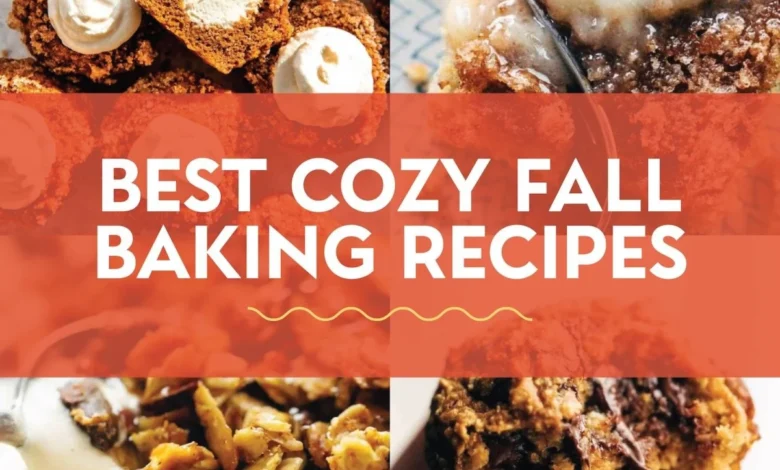
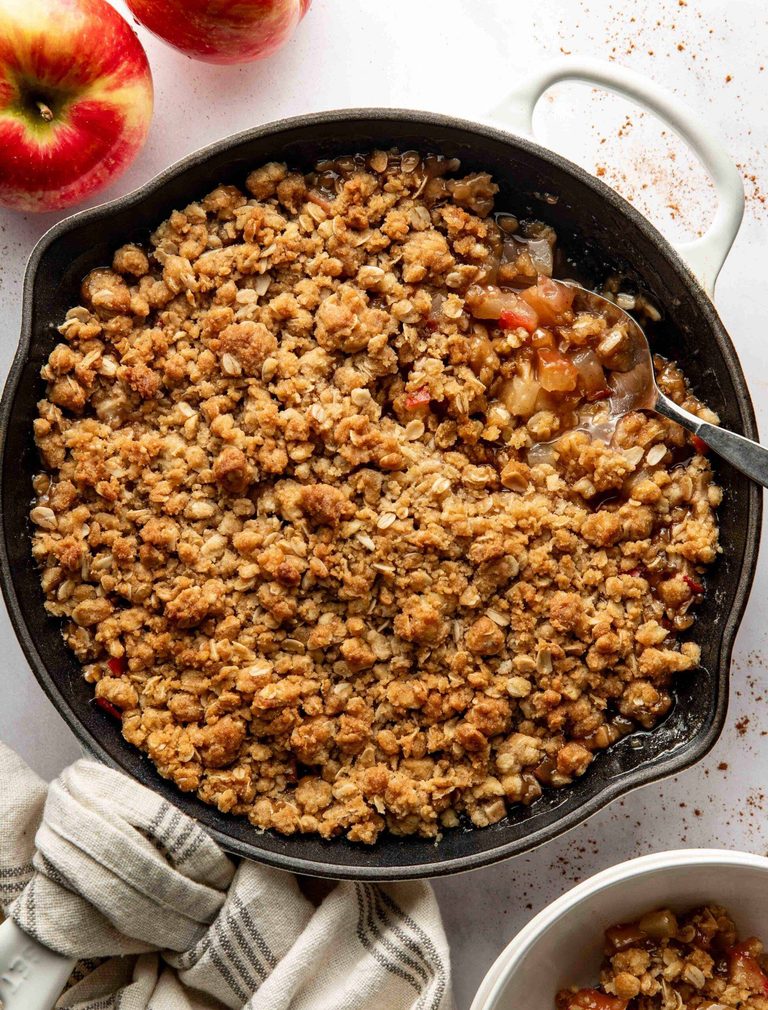
Among the prominent recipes capturing consumer interest this season is the traditional Apple Crisp. Culinary formulations typically feature tender, jammy Honeycrisp apples underlying a textural contrast of buttery brown sugar and rolled oat topping. For those seeking portable breakfast items or school lunchbox additions, Feel-Good Apple Muffins offer a nutrient-dense profile, frequently incorporating wholesome ingredients such as coconut, whole grains, and natural sweeteners like honey.

Cinnamon Sugar Apple Cake represents a more traditional European-style coffee cake, characterized by a light, crumbly crumb structure heavily laden with fresh fruit and finished with a distinct crunchy exterior layer. Meanwhile, advanced bakers and dessert enthusiasts have embraced hybrid creations, such as Caramel Apple Crisp Bars and Five-Minute Single-Serving Apple Crisps utilizing microwave technology for rapid preparation, demonstrating how traditional flavors adapt to modern time constraints.

The Pumpkin Renaissance: From Farm to Table

While apples dominate September, pumpkin undeniably commands the culinary landscape from October through Thanksgiving. The commercial demand for pumpkin puree spikes exponentially during this window, with major food manufacturers reporting that over 80 percent of annual canned pumpkin sales occur within this brief timeframe.

Modern interpretations of pumpkin baking have expanded far beyond the conventional pumpkin pie. Innovations in home baking highlight the versatility of the squash across all dayparts. For breakfast and morning snacking, variations such as Pumpkin Muffins with Maple Cream Cheese Filling—which combines a crunchy cinnamon sugar crust with a rich, whipped dairy center—have gained widespread traction. Health-conscious consumers have simultaneously driven the popularity of alternative formulations, including flourless Pumpkin Muffins utilizing rolled oats and maple syrup, as well as nutrient-dense Pumpkin Energy Bites constructed from a base of almond butter, pumpkin seeds, and spices.

Breakfast and snack applications extend to homemade granola, with recipes incorporating real pumpkin puree alongside toasted coconut, almonds, pistachios, and olive oil to create a savory-sweet morning staple. For communal gatherings and holiday brunch tables, more decadent options such as Pumpkin Caramel Monkey Bread and Pumpkin Shortcakes paired with cinnamon-spiced apples and maple whipped cream cheese illustrate the ongoing evolution of comfort food aesthetics.

Global Influences and Contemporary Baking Trends

Beyond traditional American apple and pumpkin profiles, the autumn baking landscape increasingly incorporates global flavor profiles and dietary adaptations. The resurgence of traditional yeast-baked goods, such as House Favorite Cinnamon Rolls utilizing pillowy brioche dough, highlights a consumer desire for labor-intensive, artisanal kitchen projects that require patience and technique.

Concurrently, the demand for gluten-free, dairy-free, and unrefined-sugar alternatives continues to shape recipe development. Maple Quinoa Granola, Healthy Gingerbread Muffins utilizing whole wheat flour and coconut oil, and Pecan Pie Energy Bites composed of dates and nuts reflect a broader demographic shift toward functional nutrition without sacrificing seasonal flavor profiles. Furthermore, the inclusion of international desserts, such as Dulce De Leche Tiramisu featuring espresso-soaked ladyfingers and creamy caramel layers, demonstrates a willingness among contemporary home bakers to transcend strict seasonal boundaries in favor of rich, comforting flavor profiles.

Economic and Cultural Implications of the Autumn Baking Surge

The cultural embrace of fall baking carries tangible economic implications for the retail, agriculture, and publishing sectors. Food media platforms, culinary blogs, and kitchenware manufacturers generate a significant portion of their annual engagement and revenue during the autumn quarter. Cooking appliance sales—ranging from stand mixers and Dutch ovens to specialized bundt pans and ceramic baking dishes—historically peak in October and November as consumers prepare their kitchens for heavy seasonal use.

Furthermore, agritourism experiences, such as apple-picking excursions and visits to local pumpkin patches, provide vital seasonal revenue streams for family-owned farms, reinforcing the direct-to-consumer agricultural economy. These experiential activities directly feed into domestic baking practices, creating a closed-loop economic and cultural cycle where the origin of the ingredient directly informs the final product on the dinner table.

As the autumn season progresses toward the winter holidays, the culinary focus shifts from early harvest fruits to deeper, richer flavor profiles like molasses, dark chocolate, and spiced citrus. However, the foundational appreciation for scratch-made, comforting baked goods established during the first crisp weeks of September remains a permanent fixture of seasonal domestic life. Whether through a simple batch of cinnamon-spiced muffins or an elaborate multi-tiered cake, the ritual of autumn baking continues to serve as an essential cultural touchstone for millions of households.