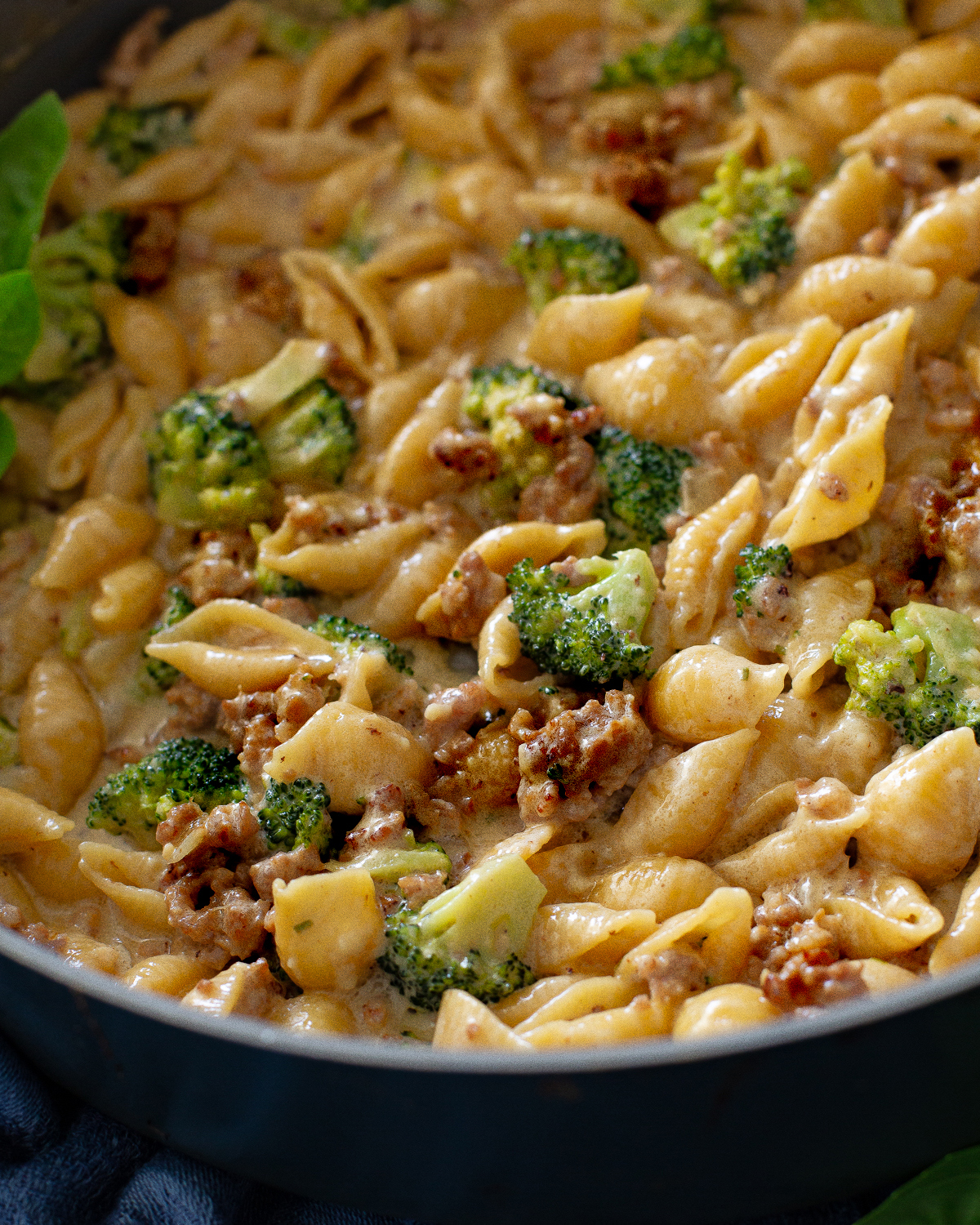
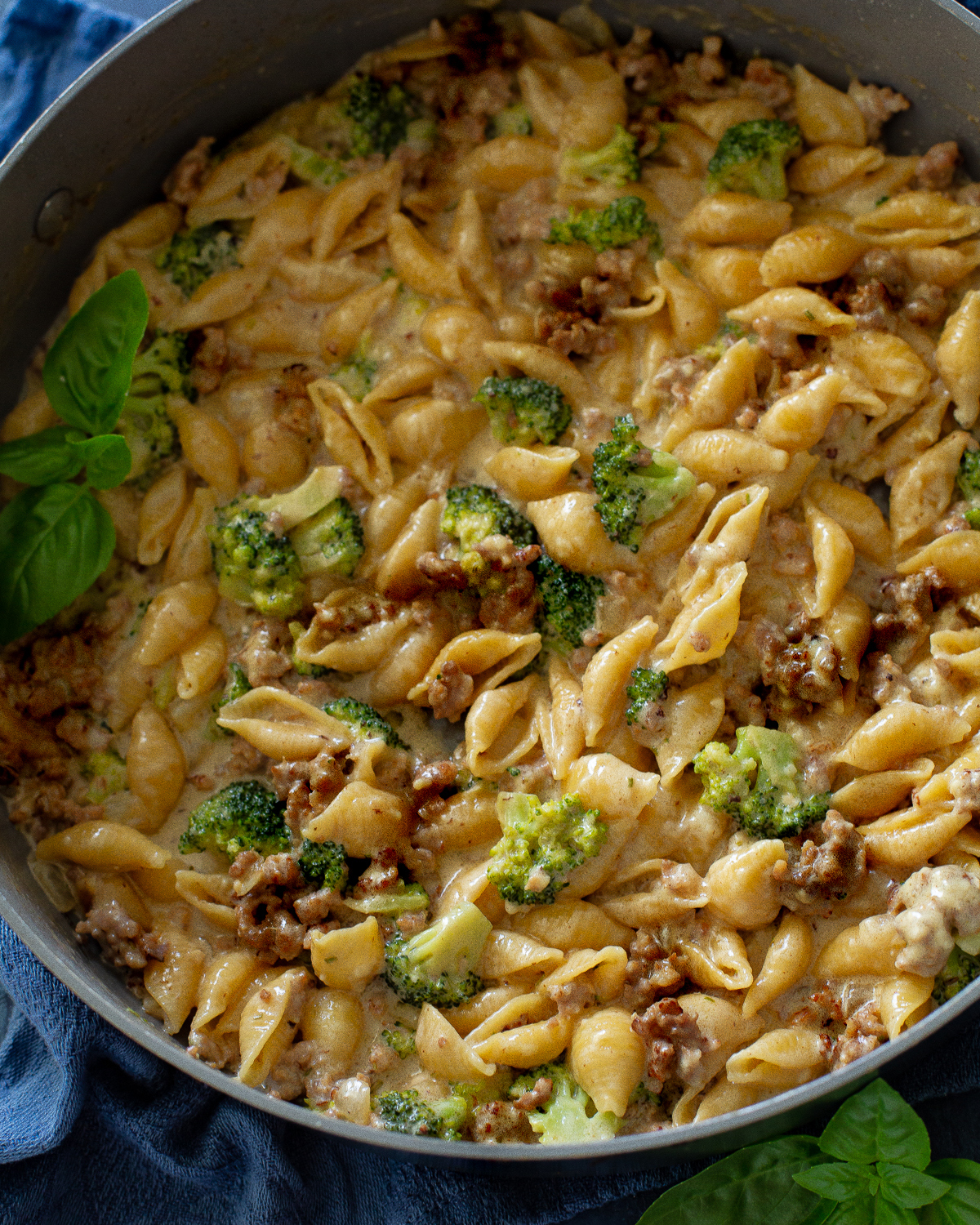
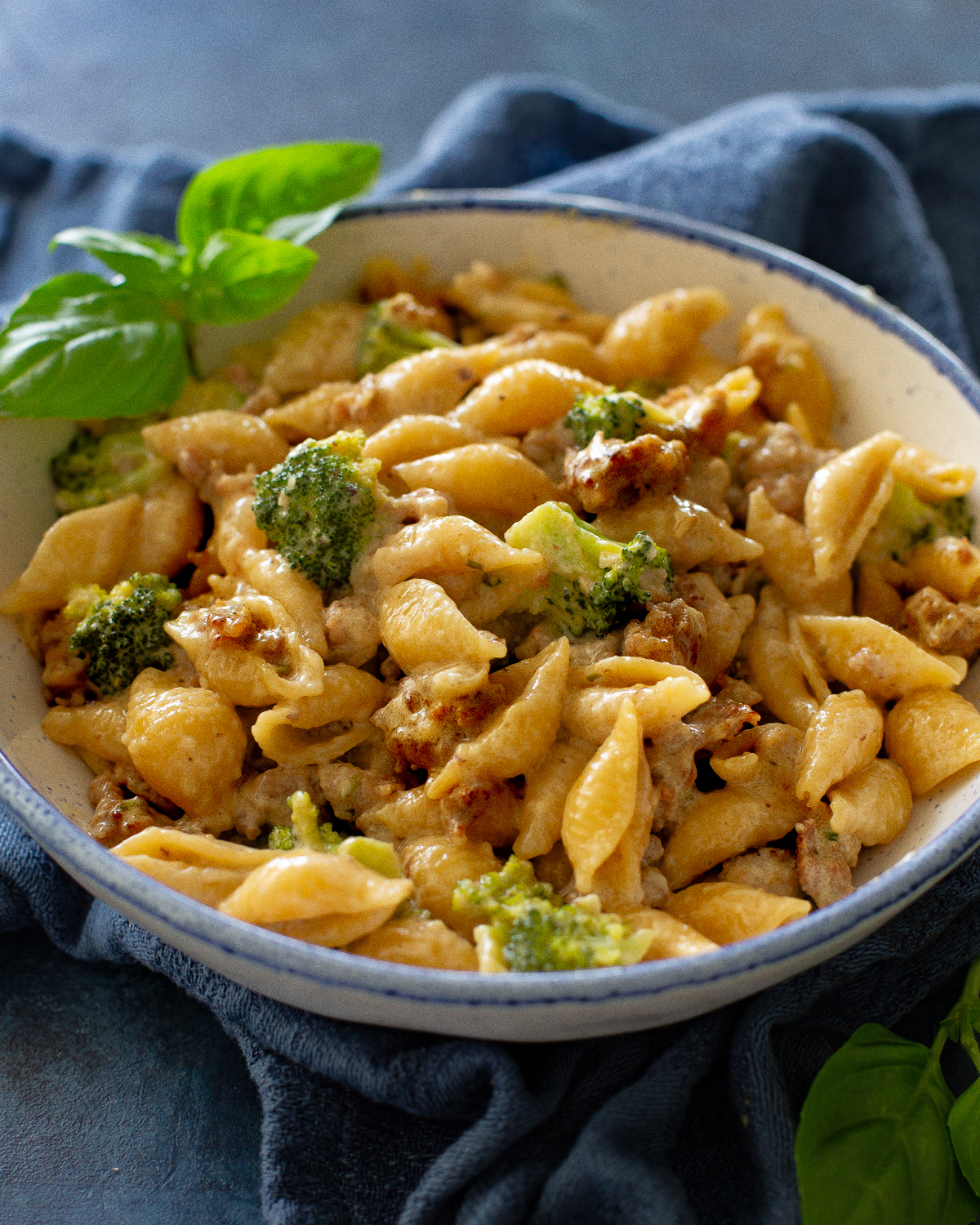
One-Pot Sausage Broccoli Pasta is an easy Italian weeknight dinner that comes together in less than 30 minutes.

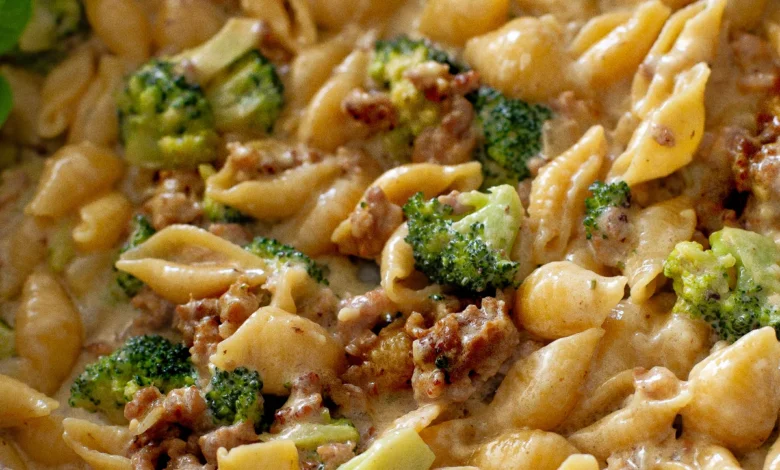
The culinary landscape of the modern household has undergone a significant transformation, driven largely by a shift toward efficiency and the demand for time-sensitive meal preparation. As families balance increasingly demanding schedules, the "one-pot" cooking methodology has emerged as a dominant trend in home economics. This approach, characterized by the consolidation of multiple cooking steps into a single vessel, is exemplified by dishes such as the One-Pot Sausage Broccoli Pasta, which integrates complex flavor profiles with minimal post-meal cleanup.
The Evolution of One-Pot Culinary Methods
The rise of the one-pot meal is not merely a matter of convenience; it reflects a broader sociological shift in how domestic labor is managed. According to data from culinary research organizations, the average time spent on dinner preparation in Western households has decreased by approximately 15% over the last decade. This reduction is largely attributed to the adoption of recipes that streamline the boiling, sautéing, and simmering processes.
In the case of Italian-inspired pasta dishes, the traditional method—boiling pasta in a separate pot of salted water while preparing the protein and vegetables elsewhere—is frequently cited as a source of "kitchen fatigue." By contrast, the integrated cooking method allows starches to absorb the flavorful liquids released by fats and proteins, resulting in a more cohesive dish. This technique, often referred to as "pasta risottata" in professional culinary circles, utilizes the starch released by the pasta during the boiling process to create a naturally creamy sauce without the need for excessive additives.
Chronology of Preparation and Efficiency Metrics
For the average home cook, the preparation of this dish follows a structured, efficient timeline designed to maximize output while minimizing resource consumption.
The process typically begins with the searing of Italian sausage. Whether utilizing traditional pork sausage or leaner turkey alternatives, the goal is to render the fat, which serves as the primary flavor base for the entire dish. This step generally requires 5 to 7 minutes. Once the sausage is browned, the addition of aromatics and liquid components—typically broth or a cream-based medium—precedes the introduction of the pasta.
The broccoli is incorporated based on desired texture profiles; industry standards for vegetable blanching suggest that adding broccoli in the final 8 to 10 minutes of the pasta’s cooking cycle ensures the retention of both nutritional value and structural integrity. The final stage involves the reduction of the liquid, which binds the ingredients together, completing the meal in under 30 minutes.
Nutritional Considerations and Dietary Adaptations
From a nutritional perspective, the dish offers a balance of macronutrients, though it is often subject to modification depending on the specific ingredients chosen. A standard serving contains approximately 767 kcal, with 21 grams of protein and 38 grams of carbohydrates. The high fat content, typically recorded at 60 grams, is largely dependent on the choice of sausage and the addition of cheese or heavy cream.

Health experts frequently note that the inclusion of cruciferous vegetables, such as broccoli, provides essential fiber and micronutrients, including Vitamin C and Vitamin K, which help mitigate the denser caloric profile of the pasta and meat. The versatility of the recipe allows for significant caloric reduction; substituting traditional pork sausage with extra-lean turkey sausage can decrease the total fat content by nearly 30%, making the dish more aligned with contemporary dietary guidelines that prioritize heart-healthy fats.
Market Trends and Consumer Behavior
The sustained popularity of one-pot recipes is heavily influenced by the rise of "bulk purchasing" habits. Many households currently utilize membership-based wholesale retailers to acquire staples in larger quantities. Broccoli, in particular, is frequently purchased in multi-pound batches. Consequently, recipes that require substantial quantities of such ingredients have gained traction as they assist in waste reduction.
Data from food sustainability reports indicate that households utilizing batch-cooking or efficient utilization of bulk ingredients reduce their annual food waste by an average of 12%. The ability to repurpose leftover ingredients—such as using broccoli for both a soup and a pasta dish—has become a hallmark of the modern, budget-conscious kitchen.
Culinary Implications and Future Outlook
The broader impact of the one-pot movement extends beyond the kitchen table. It represents a fundamental shift in the domestic value chain, where the emphasis is placed on "value-added" cooking. Culinary educators suggest that as the cost of living fluctuates, the ability to produce restaurant-quality meals with low-cost, shelf-stable, or bulk-frozen ingredients will remain a priority for the average consumer.
Professional chefs have noted that while the one-pot method is simplistic in execution, it requires an understanding of fluid dynamics and heat distribution. Unlike traditional methods, where the cook has distinct control over the pasta’s texture, the one-pot method requires precise liquid-to-pasta ratios. If the liquid evaporates too quickly, the starch will burn; if there is too much, the final result will lack the desired creamy consistency. This has led to an increased interest in precision cooking techniques, even among amateur home cooks.
Expert Perspectives on Home Cooking
"The shift toward one-pot cooking is a rational response to the complexities of modern life," says a leading culinary analyst. "When you remove the barrier of a complicated cleanup, you increase the likelihood that families will cook at home rather than rely on processed or pre-packaged meals. This has profound implications for public health, as home-cooked meals are statistically lower in sodium and processed additives compared to commercial alternatives."
Furthermore, the adaptability of these recipes serves as a platform for cultural fusion. While the foundation of the dish remains rooted in Italian traditions, the inclusion of various protein types—from spicy pork sausage to plant-based meat substitutes—demonstrates the fluidity of modern gastronomy.
Conclusion: A Staple for the Modern Era
As the culinary industry continues to prioritize accessibility and efficiency, recipes like the One-Pot Sausage Broccoli Pasta will likely remain relevant. They serve as a bridge between the necessity of rapid meal preparation and the desire for high-quality, nutrient-dense home cooking. By integrating vegetables, proteins, and carbohydrates into a single, efficient process, the home cook can achieve a high level of consistency without the time investment associated with traditional multi-vessel cooking.
Looking ahead, the evolution of this category will likely involve further technological integration, such as the use of smart kitchen appliances that automate the timing of one-pot dishes. However, the fundamental appeal remains unchanged: the ability to provide a complete, satisfying meal that meets the demands of a busy lifestyle while minimizing the physical and temporal burden of meal preparation. In the context of modern home economics, this represents not just a recipe, but a strategic approach to managing the daily demands of nourishment in an increasingly fast-paced world.