The Evolution of the Portable Morning Meal
The history of the breakfast burrito is deeply rooted in the agricultural traditions of the American Southwest, specifically New Mexico and Texas, where laborers required calorie-dense, portable meals that could be consumed in the field. Originally, these concoctions were simple, often consisting of beans, potatoes, and local chiles wrapped in flour tortillas. Over the latter half of the 20th century, the dish underwent a process of culinary mainstreaming, expanding into suburban kitchens across the United States.

Today, the popularity of these burritos is driven by a shift in consumer behavior toward "batch cooking" or "meal prepping." Modern families, often juggling multiple professional and academic commitments, have adopted the practice of preparing large quantities of breakfast items on weekends to mitigate the stress of weekday mornings. This transition reflects a broader societal shift toward optimizing domestic labor, where food preparation is treated as a logistical operation designed to minimize downtime and ensure consistency.
Nutritional Composition and Dietary Utility
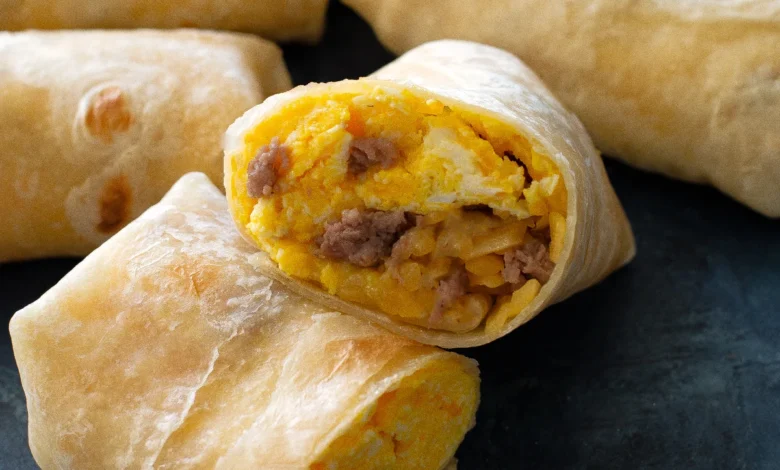
From a nutritional standpoint, the sausage and egg breakfast burrito serves as a concentrated source of macronutrients. Eggs provide high-quality biological protein and essential micronutrients such as choline and lutein. Sausage, typically derived from pork or turkey, contributes fat and protein, which are necessary for satiety and sustained energy release throughout the morning. Cheese adds a layer of calcium and further protein, while the flour tortilla provides the carbohydrate foundation necessary for glucose replenishment after an overnight fast.

Data from recent consumer food studies suggest that households prioritizing home-prepared breakfast options like burritos often report lower levels of morning stress and a reduction in reliance on high-sugar, low-fiber commercial breakfast cereals or processed pastries. The simplicity of the four-ingredient model—sausage, eggs, cheese, and tortillas—is a strategic choice for many, as it reduces the complexity of procurement and storage while maintaining a familiar, palate-friendly profile that is generally well-received by children and adults alike.
Methodological Approach to Large-Scale Preparation
The logistical success of the breakfast burrito lies in the cooling and storage process. Culinary experts and home economists emphasize the importance of thermal management during the preparation phase. A common failure point in batch production is the "soggy tortilla" effect, which occurs when steam is trapped inside the wrapper.

To achieve optimal results, the protein components—the scrambled eggs and cooked sausage—must reach room temperature before assembly. This prevents condensation from compromising the structural integrity of the flour tortilla. Once assembled, the burritos are typically wrapped in protective barriers such as food-grade plastic or aluminum foil. Foil is particularly advantageous for individuals who intend to reheat the product in an oven or toaster oven, as it facilitates even heat distribution and encourages a slightly crisp exterior. Conversely, plastic wrap is often preferred for microwave-based reheating, provided the wrap is microwave-safe.
Chronology of Consumption and Reheating Standards
The timeline for these meals is generally established on a weekly cycle. Sunday evening is the most common window for large-batch preparation, allowing for the immediate storage of the finished product in refrigeration or freezer units.

When utilizing a standard refrigerator (set to 40°F or below), these burritos remain safe for consumption for approximately three to four days. For long-term storage, freezing is the preferred method, extending the shelf life to several weeks. Reheating protocols vary based on equipment availability:
- Oven Reheating: For those seeking a higher quality of texture, a preheated oven at 350°F is recommended. Wrapped in foil, the burrito requires approximately 30 to 35 minutes to reach an internal temperature of 165°F, which is the food safety standard for reheating precooked meats and eggs.
- Microwave Reheating: For immediate consumption, the microwave remains the most efficient, albeit less textural, method. A 2 to 3-minute interval on medium-high heat is typically sufficient to ensure the center is adequately warmed.
Broader Implications for Household Management
The adoption of home-prepared breakfast burritos is indicative of a broader trend toward "do-it-yourself" convenience. As commercial breakfast options continue to rise in price, households are increasingly looking for ways to replicate restaurant-quality convenience at a fraction of the cost. The economic efficiency of buying ingredients in bulk—large cartons of eggs, multi-packs of sausage, and economy-sized packages of tortillas—offers a significant buffer against food inflation.

Furthermore, the customization potential of the four-ingredient base is high. While the baseline recipe focuses on simplicity, it serves as a canvas for dietary modifications. Households can easily introduce fiber by adding beans or potatoes, or increase the nutrient density by incorporating sautéed vegetables. This adaptability ensures that the meal remains relevant even as dietary preferences within a family evolve.
Expert Perspectives on Morning Nutrition
Child nutritionists often highlight the importance of protein-rich breakfasts for cognitive function and sustained attention in school settings. The transition away from high-glycemic morning meals toward balanced options like egg-based burritos is often cited as a key factor in improving student engagement. By providing a stable energy source, parents can help children avoid the mid-morning energy "crash" associated with processed carbohydrates.

However, professionals also advise that while these meals are convenient, balance remains essential. Incorporating a side of fruit or a vegetable-based salsa—as often practiced by families who pair these burritos with portable condiment containers—can provide necessary vitamins and antioxidants that may be lacking in the primary protein-and-grain base.
Future Outlook and Culinary Sustainability
As the industry moves forward, the focus on sustainable and efficient home cooking will likely continue to grow. The breakfast burrito is not merely a recipe; it is a solution to a logistical problem. As technology in home appliances improves—such as the widespread availability of high-efficiency air fryers and convection-capable microwaves—the methods for perfecting the "grab-and-go" breakfast will continue to evolve, making the process even more streamlined for the average family.

Ultimately, the Sausage and Egg Breakfast Burrito represents the intersection of nutritional necessity and modern efficiency. By standardizing the preparation process, families are able to reclaim their mornings, reduce food-related expenses, and ensure that they start their days with a foundation of protein and energy. Whether one chooses to keep the recipe to its four-ingredient core or expand upon it with regional spices and additional produce, the underlying principles of preparation, storage, and reheating remain the cornerstone of this enduring culinary practice. As long as the demands of the modern schedule remain high, the reliance on such efficient, home-prepared solutions is expected to remain a permanent fixture of the domestic landscape.