The Evolution of the Mall-Style Cinnamon Roll
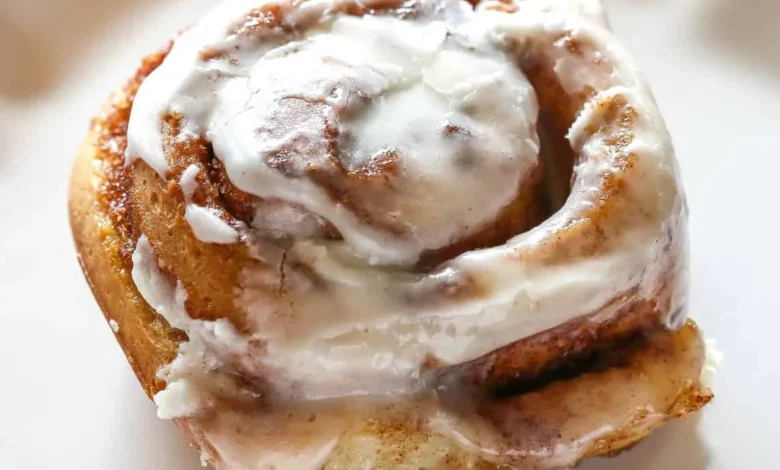
The commercial cinnamon roll, characterized by its oversized dimensions, dense brioche-style dough, and generous application of Makara cinnamon and cream cheese frosting, transformed from a regional specialty into a global phenomenon in the late 20th century. Cinnabon’s rapid expansion established a benchmark for consumers: a roll that is soft, heavily spiced, and served warm with a distinct, gooey glaze.
As home baking technology and accessibility to high-quality ingredients like high-protein flour and premium butter have increased, amateur bakers have sought to reverse-engineer the "mall experience." The pursuit of the perfect copycat recipe typically focuses on three primary pillars: the leavening process, the fat-to-flour ratio in the dough, and the specific application timing of the icing to ensure maximum absorption into the spiral.
The Chemistry of the Perfect Roll
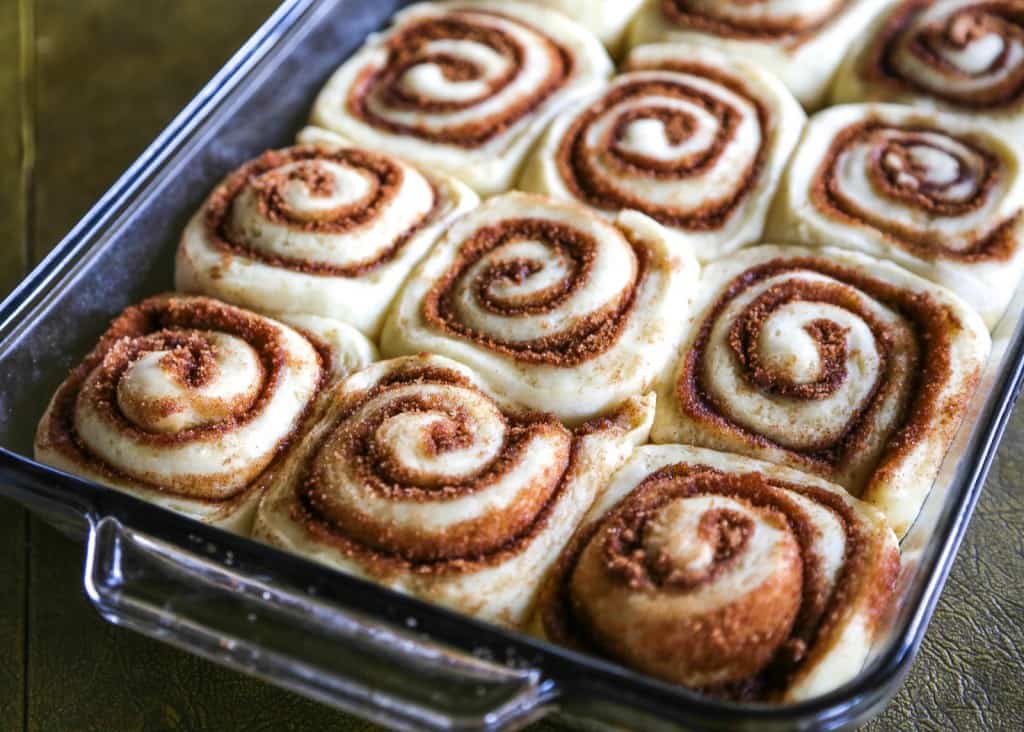
Achieving the signature texture requires a specific approach to dough fermentation. Professional bakers note that the dough must be enriched with fats—typically butter, eggs, and milk—to achieve the "pull-apart" softness that distinguishes a premium roll from a standard bread product.
Data regarding home baking trends indicates that recipes requiring overnight proofing are increasingly favored for special occasions, such as Christmas or national holidays. By allowing the dough to undergo a cold-retardation process in the refrigerator overnight, bakers can achieve a more complex flavor profile through slower yeast activity. This method also provides logistical advantages for morning preparations, allowing the final bake to occur shortly before consumption.
Technical Analysis of the Frosting Process
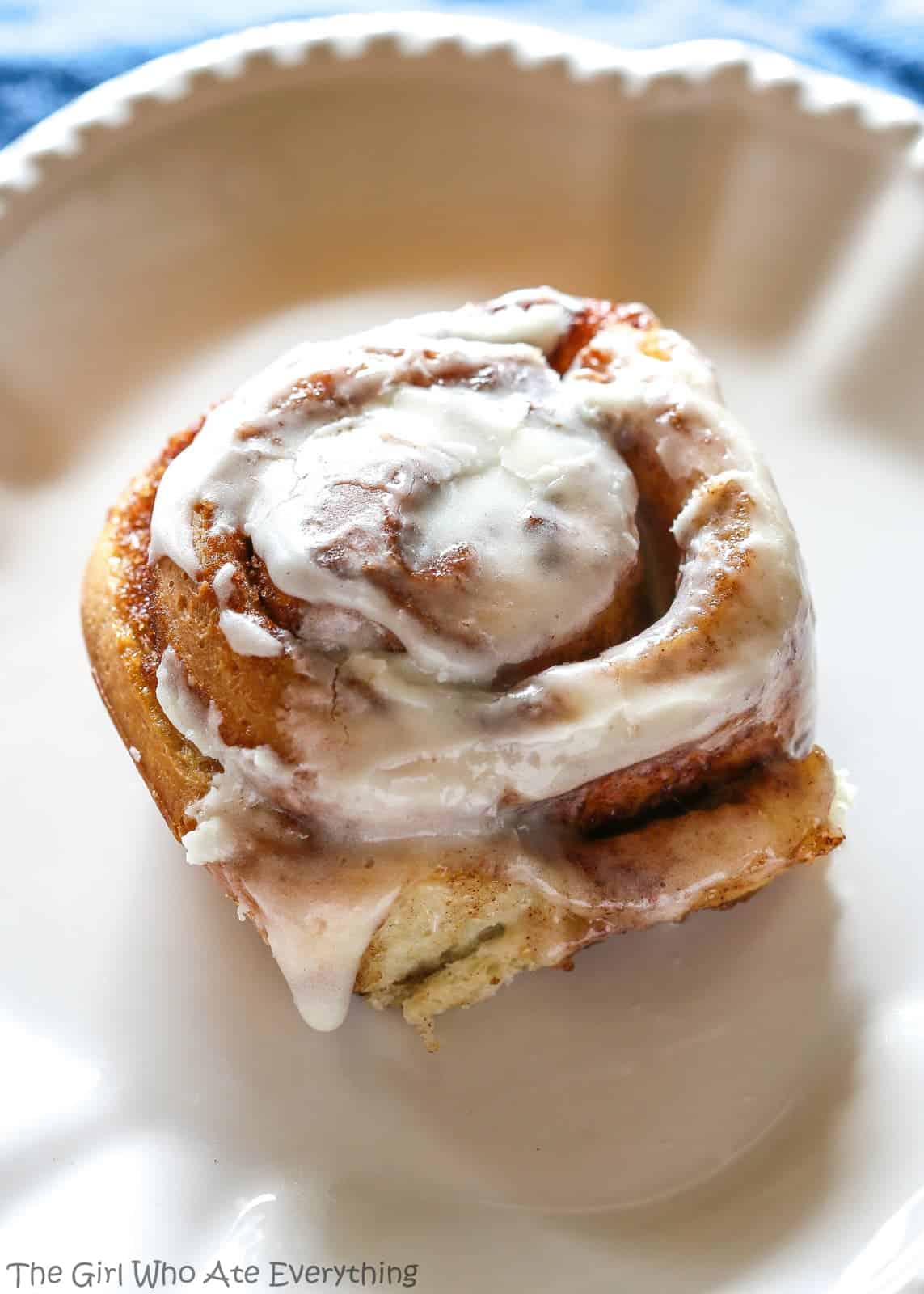
A critical component often debated in baking circles is the icing application. To achieve the signature "ooze" found in commercial rolls, the timing of the frosting is paramount. Industry-standard practices for soft rolls suggest a two-phase application:
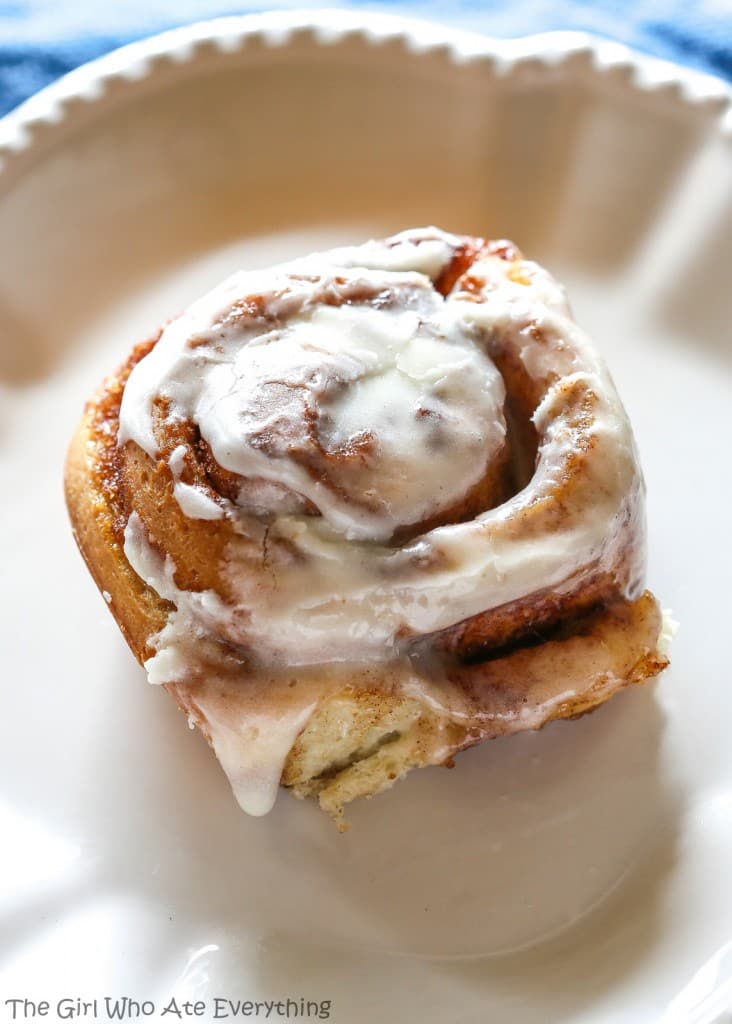
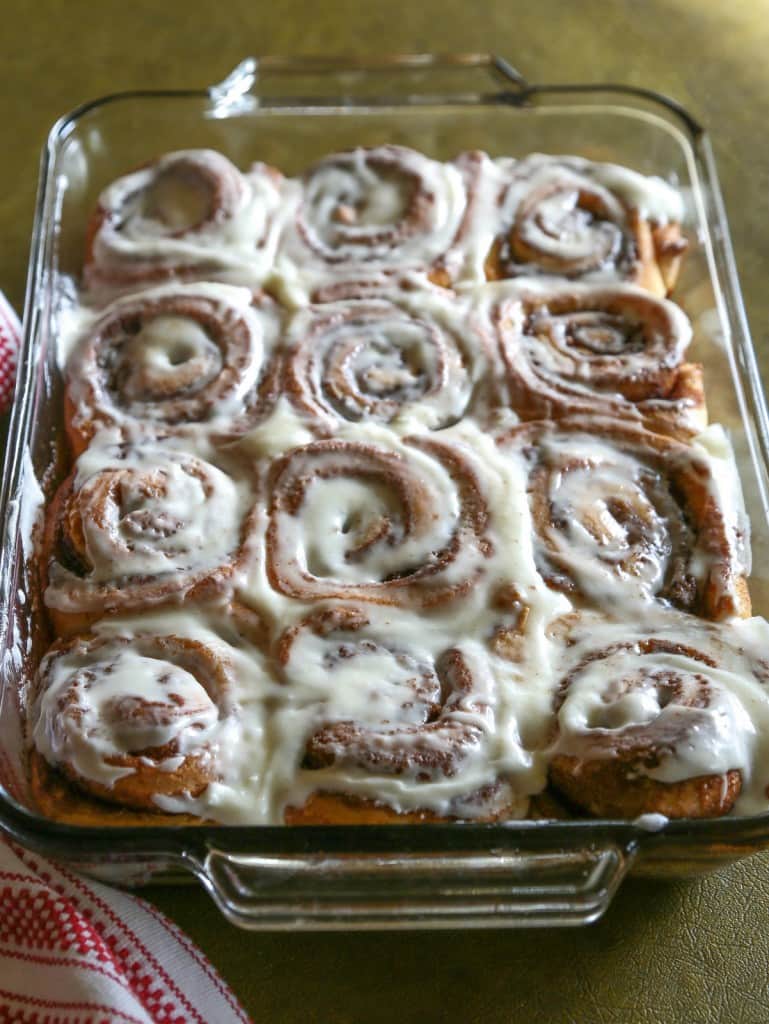
- The first half of the frosting is applied immediately upon removing the rolls from the oven. At this temperature, the heat causes the icing to melt slightly, allowing it to penetrate the crevices between the layers.
- The second half is applied once the rolls have rested for several minutes. This provides a structural, creamy layer that remains on the surface, ensuring the finished product is visually appealing while maintaining the desired moisture content throughout the pastry.
Ingredient Ratios and Flavor Profiles
The primary differentiator between a generic cinnamon roll and a Cinnabon-style copycat is the intensity of the cinnamon. Commercial recipes often utilize high concentrations of cinnamon—typically ranging from 1 to 2.5 tablespoons per dozen rolls. This high concentration, when mixed with brown sugar and butter, creates the characteristic dark, syrupy filling that holds the spiral together.
For those attempting to replicate this at home, adjusting the cinnamon levels is a common point of customization. While some purists adhere strictly to the 2.5-tablespoon standard to mirror the intense, spicy profile of the original, others may scale back to 1 tablespoon to balance the sweetness of the sugar. Nutritional profiles for such items typically fall in the range of 500 to 550 calories per unit, primarily driven by the high carbohydrate and fat content inherent in enriched doughs and icing.
Strategic Preparation and Storage
Home culinary experts suggest that the logistical management of these rolls is as important as the recipe itself. Proper storage ensures that the integrity of the pastry is maintained for up to five days when refrigerated, or three months when frozen. The reheating process is equally critical; using an oven or air fryer is generally recommended over a microwave to prevent the dough from becoming rubbery.
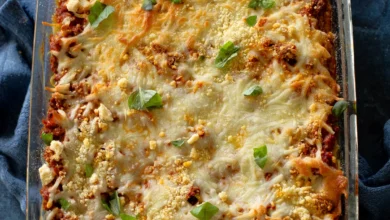
When preparing for large gatherings, the use of a secondary breakfast item, such as a savory breakfast casserole, is frequently recommended. This pairing provides a balanced palate, mitigating the intense sweetness of the cinnamon rolls with the salty, protein-rich profile of eggs, cheese, and meats.
Broader Economic and Cultural Implications
The "copycat" phenomenon represents a significant shift in how consumers interact with brand-name foods. By democratizing the ability to recreate expensive, commercially prepared treats, home bakers are effectively bypassing the retail premium associated with specialty chains. This trend is supported by a surge in digital content creation, where amateur chefs document their processes and troubleshoot common failures, such as under-proofing or improper dough hydration.
From an industry perspective, the popularity of these recipes serves as a testament to the enduring appeal of the cinnamon roll as a cultural touchstone in North American breakfast traditions. The fact that these recipes are frequently passed down or shared as "secret" family versions suggests that while the base is a commercial copycat, the act of preparation adds significant intangible value to the experience of holiday or celebratory meals.
Addressing Common Baking Challenges
Common pitfalls in the quest for the perfect roll include excessive flour usage, which results in a tough crumb, and improper yeast activation, which prevents the desired rise. Culinary instructors emphasize the importance of using a thermometer to ensure that the milk used in the dough is at the correct temperature—typically between 105°F and 115°F—to activate the yeast without killing the active cultures.
Furthermore, the "cinnamon level" remains the most subjective element of the recipe. The high sugar-to-cinnamon ratio is designed to create a caramelization effect during the baking process. If the oven temperature is too high, the sugar can burn before the center of the roll is fully cooked; if too low, the roll may dry out before the sugars have properly liquified. Achieving this delicate balance is what separates a standard pastry from a high-quality copycat.
Future Outlook on Home Baking
As consumers continue to prioritize the "experience" of cooking, the demand for highly detailed, reliable copycat recipes is projected to remain steady. The integration of social media platforms as hubs for recipe distribution and visual feedback ensures that these techniques are continuously refined. As techniques for home proofing and baking continue to improve, the gap between home-prepared goods and commercial-grade pastries is expected to narrow even further, solidifying the status of the cinnamon roll as a permanent fixture in the domestic culinary repertoire.
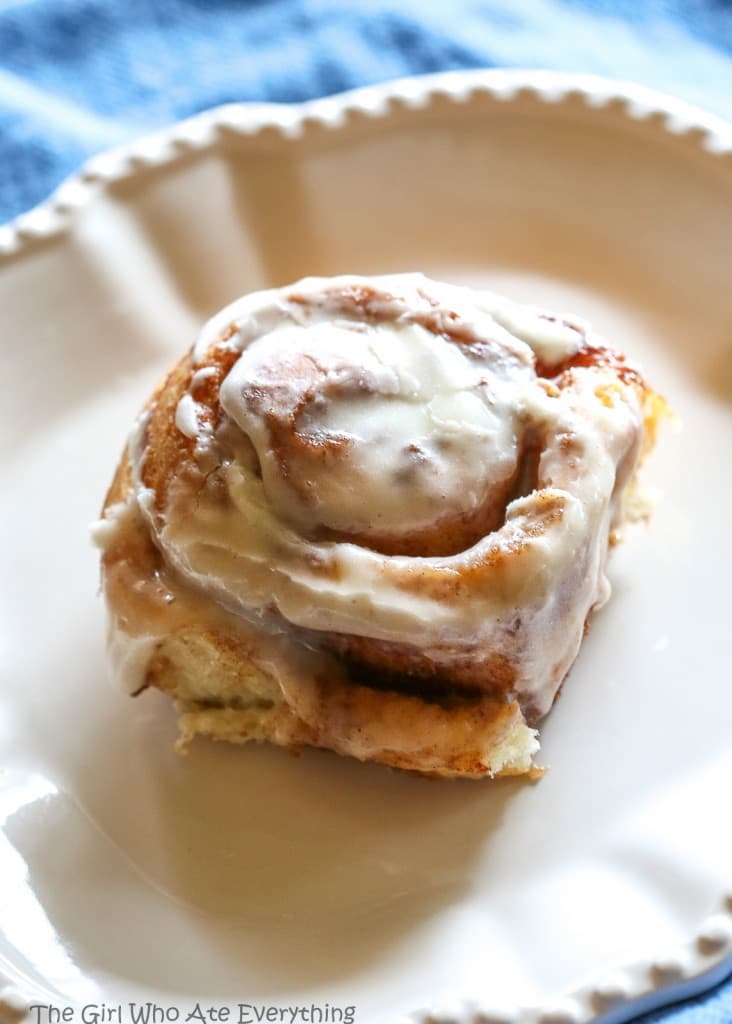
Ultimately, the effort required to produce these rolls—from the initial mixing of the dough to the final application of the icing—is viewed by many as an investment in family traditions. The ability to produce a bakery-quality product at home provides a sense of accomplishment that simple, pre-packaged alternatives cannot replicate, further cementing the role of the homemade cinnamon roll in modern festive culture.
Related posts: