Soft Carrot Cake Cinnamon Rolls Bring Bakery-Quality Innovation to Easter Morning Breakfasts

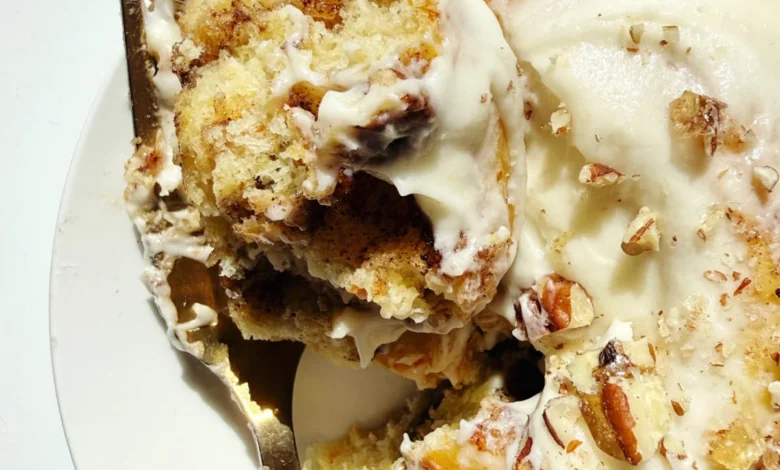
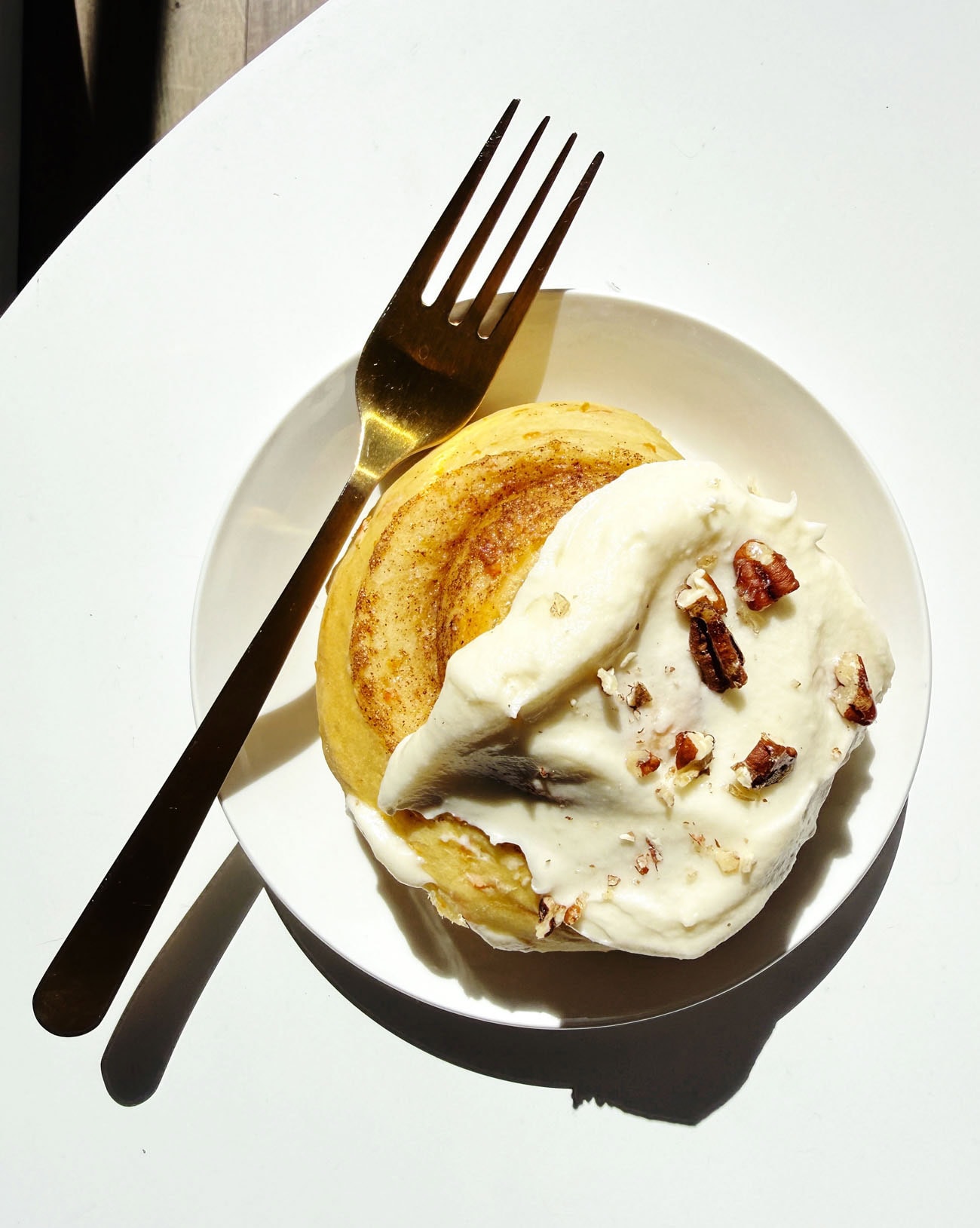
The culinary landscape of seasonal home baking has expanded significantly with the introduction of a new iteration of a classic breakfast pastry: Soft Carrot Cake Cinnamon Rolls. Adapted from a recipe originally featured in the acclaimed cookbook 100 Morning Treats, this culinary development transitions a concept previously confined to a single, oversized festive project into individual, shareable portions designed specifically for mainstream holiday dining, most notably Easter morning. Developed by professional baking authorities to optimize both texture and flavor profiles, the recipe combines the comforting, spiced profile of traditional carrot cake with the pillowy, enriched dough architecture of classic cinnamon rolls.
Background Context and Conceptual Evolution
The origin of this recipe traces back to the culinary exploration of adapting dense, traditional celebratory cakes into accessible breakfast items. Traditional carrot cake, characterized by its inclusion of grated root vegetables, warm spices such as cinnamon and nutmeg, and a rich cream cheese or buttercream topping, has long been a staple of spring celebrations and Easter gatherings. However, its heavy crumb and dense structure can sometimes prove too substantial for a morning meal.
By deconstructing the flavor components of carrot cake—specifically the subtle earthy sweetness of carrots, the aromatic complexity of warm baking spices like cloves, and the contrasting texture of toasted nuts—and merging them with a sweet, enriched yeast dough base, recipe developers successfully bridged the gap between pastry and confectionery. The transition from the original publication’s "Giant Carrot Cake Cinnamon Roll" format to individual buns allows for even baking, standardized portion control, and a superior ratio of spiced filling to tender crumb. Culinary experts note that this format shift addresses common consumer demands for bakery-quality execution within a domestic kitchen environment, particularly during high-traffic holiday baking seasons like early spring.
Technical Specifications and Chronology of Preparation
Executing Soft Carrot Cake Cinnamon Rolls requires a precise understanding of yeasted dough mechanics and thermal management during the baking and finishing processes. Unlike rapid-rise commercial products, this recipe relies on a structured timeline that balances gluten development with cold-temperature retardation to achieve optimal structural integrity and flavor development.
The preparation chronology begins with the mixing of the sweet dough base. A point of technical consideration for home bakers involves the handling of the dough immediately following the mixing phase. Official recipe guidelines emphasize that the dough will possess a notably high moisture content, resulting in a sticky texture. Rather than adding excess flour—a common error that leads to a tough, dry crumb—bakers are instructed to utilize a chilling phase. Refrigerating the dough serves a dual purpose: it firms the butter content for easier rolling and slows yeast activity, allowing organic acids to develop for a more complex flavor profile.
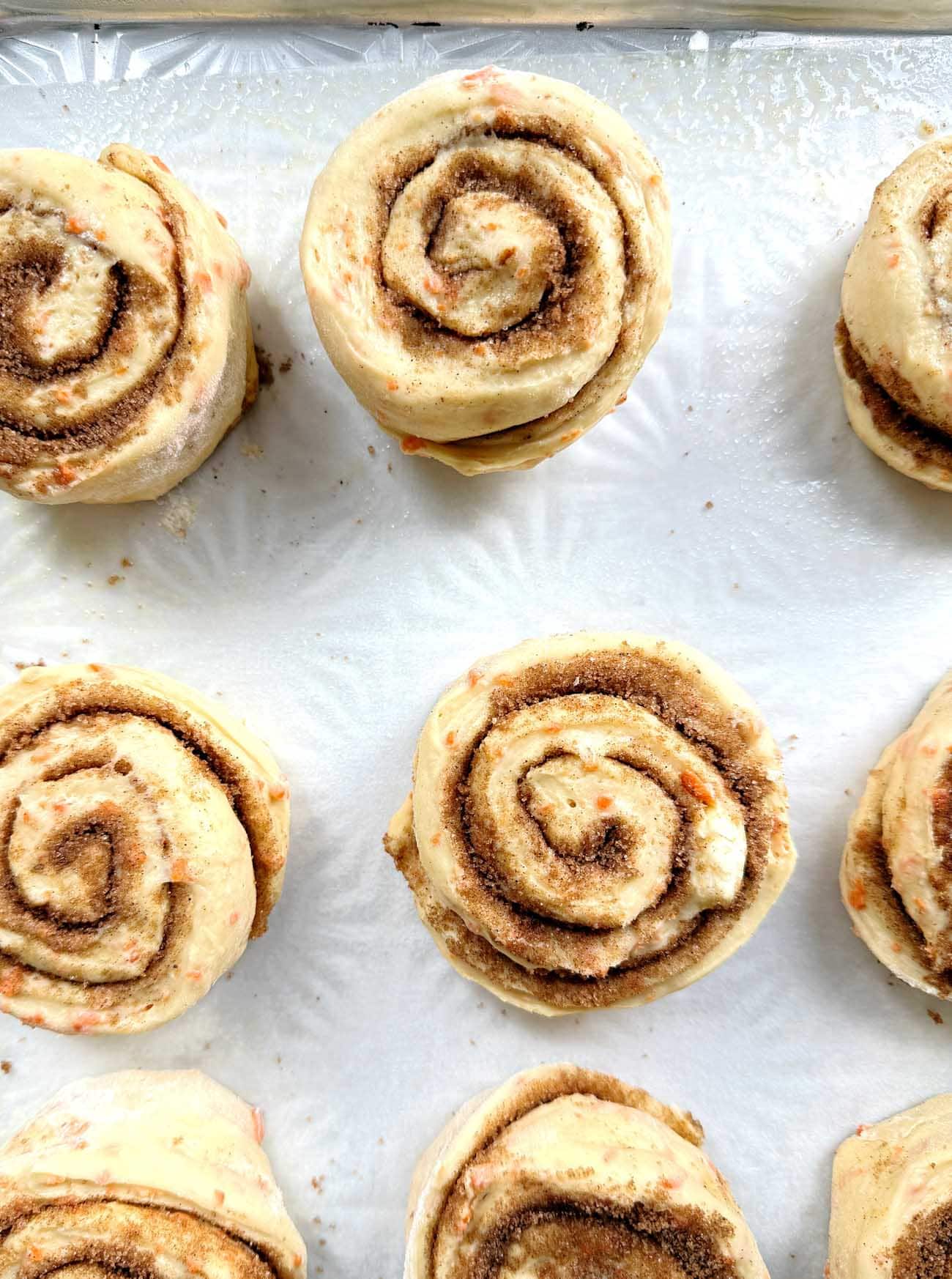
Furthermore, the integration of a dough-folding technique during the initial stages is critical. This mechanical manipulation realigns gluten strands, imparting elasticity and tensile strength that prevents the rolls from unwinding or losing their shape during the proofing and baking stages. For those requiring schedule flexibility, the recipe accommodates an overnight cold-fermentation method, wherein fully assembled buns undergo their final rise slowly in the refrigerator before being baked off the following morning.
Ingredient Architecture and Flavor Profile
The success of the Soft Carrot Cake Cinnamon Rolls relies on a carefully balanced matrix of ingredients, each serving a specific chemical and sensory function:
- The Enriched Dough: Utilizing a high-fat, high-sugar dough base ensures that the baked buns remain tender and moist for days. The choice of flour plays a pivotal role; culinary tests indicate that unbleached all-purpose flours with medium protein content—such as specific commercial grades recommended by baking authorities—yield the ideal balance of structural support and soft bite.
- The Spiced Filling: Beyond the standard cinnamon, the inclusion of a measured pinch of ground cloves introduces a sharp, aromatic warmth that mimics the authentic flavor profile of a classic spiced carrot cake. Grated carrots integrated into the filling or dough provide both visual appeal and natural moisture.
- The Icing Dynamics: Thermal application of the icing is a defining characteristic of this recipe’s methodology. By applying a thin layer of icing while the cinnamon rolls remain warm from the oven, the product undergoes a partial thermal melt. The icing permeates the outer spirals and crevices of the pastry, dissolving hard edges and creating an ultra-gooey center. Alternatively, bakers preferring a contrasting texture may opt to ice the rolls after complete cooling, preserving a firmer, more distinct frosting layer.
- Textural Contrast: The addition of candied pecans scattered throughout the filling or atop the finished glaze introduces a necessary crunch, balancing the soft, yielding texture of the baked yeast dough.
Equipment Flexibility and Standardization
To accommodate varying kitchen setups, the recipe departs from rigid baking pan requirements. While a standard 9×13-inch baking dish represents the conventional choice, the structural stability of the individual rolls permits adaptation to alternative vessels. Bakers frequently utilize round 10-inch pans, heavy-duty cast-iron or enameled braisers, or standard half-sheet pans lined with parchment paper.
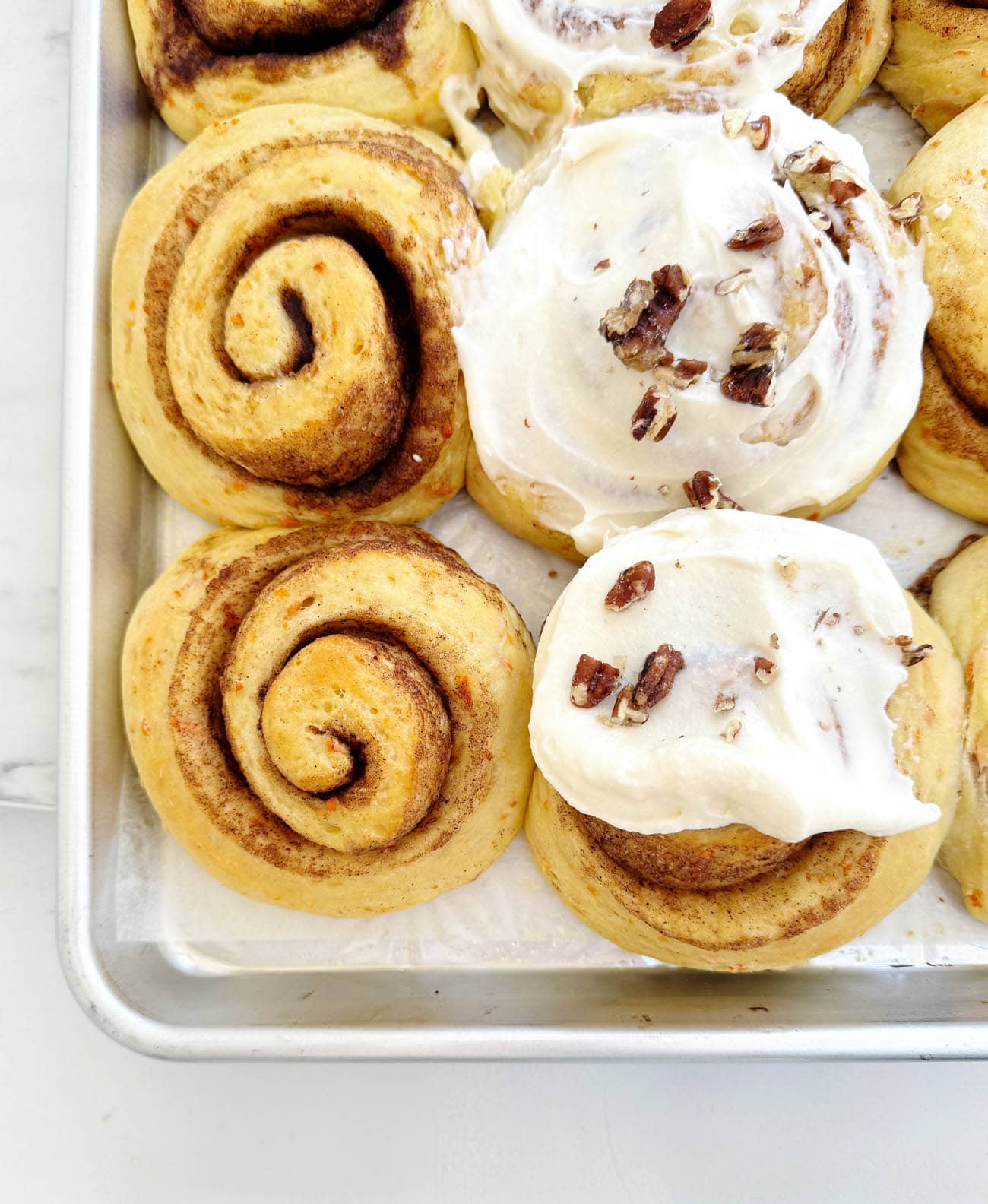
Standardization of measurements remains a critical factor in replicating professional results at home. Culinary authorities emphasize weight-based measurements over volumetric equivalents, noting that a single cup of all-purpose flour can vary significantly based on packing density and brand-specific milling practices. Standardizing 1 cup of flour to approximately 142 grams ensures batch-to-batch consistency, minimizing common baking failures attributed to flour-to-liquid ratios.
Industry Implications and Consumer Response
The reception of recipes bridging traditional seasonal baking with modern convenience highlights shifting consumer preferences in home economics. As culinary media continues to emphasize experiential cooking—particularly around holidays like Easter—demand has risen for projects that offer familiar flavor profiles presented in novel formats.
Industry analysts point out that items combining the nostalgia of traditional holiday desserts with the morning comfort of breakfast pastries occupy a high-growth sector in food publishing and digital recipe engagement. By providing rigorous troubleshooting guidance—such as addressing active versus instant yeast conversions and dough hydration levels—creators of these recipes empower home bakers to achieve commercial-grade results, thereby driving sustained interest in scratch-made holiday traditions.