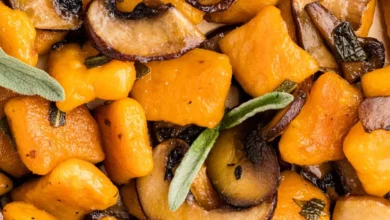
Mastering the Art of Homemade Sweet Potato Gnocchi with Mushroom Sage Butter Sauce

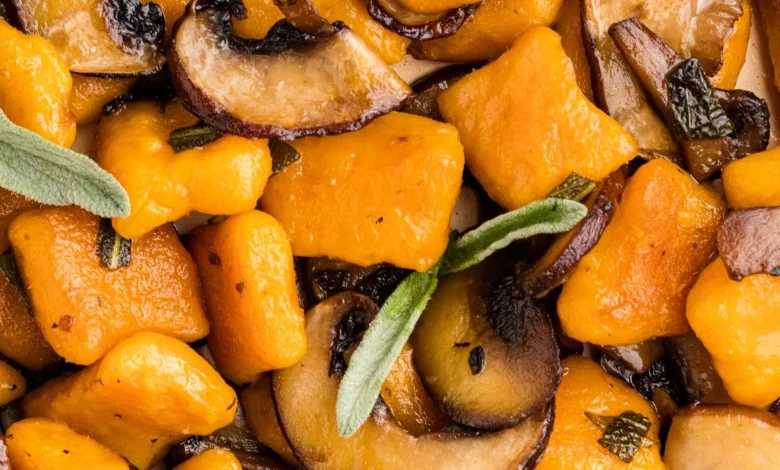
The culinary landscape of homemade pasta has long been dominated by traditional russet potato gnocchi, a staple of Northern Italian cuisine revered for its pillowy texture and comforting profile. However, a contemporary evolution in home kitchens has elevated the sweet potato variant from a seasonal novelty to a year-round culinary favorite. Recent home-cooking trends, spearheaded by comprehensive recipe developments such as those introduced by culinary creator Laylita, highlight a growing consumer demand for approachable, scratch-made comfort foods that bridge the gap between rustic tradition and modern dietary preferences.
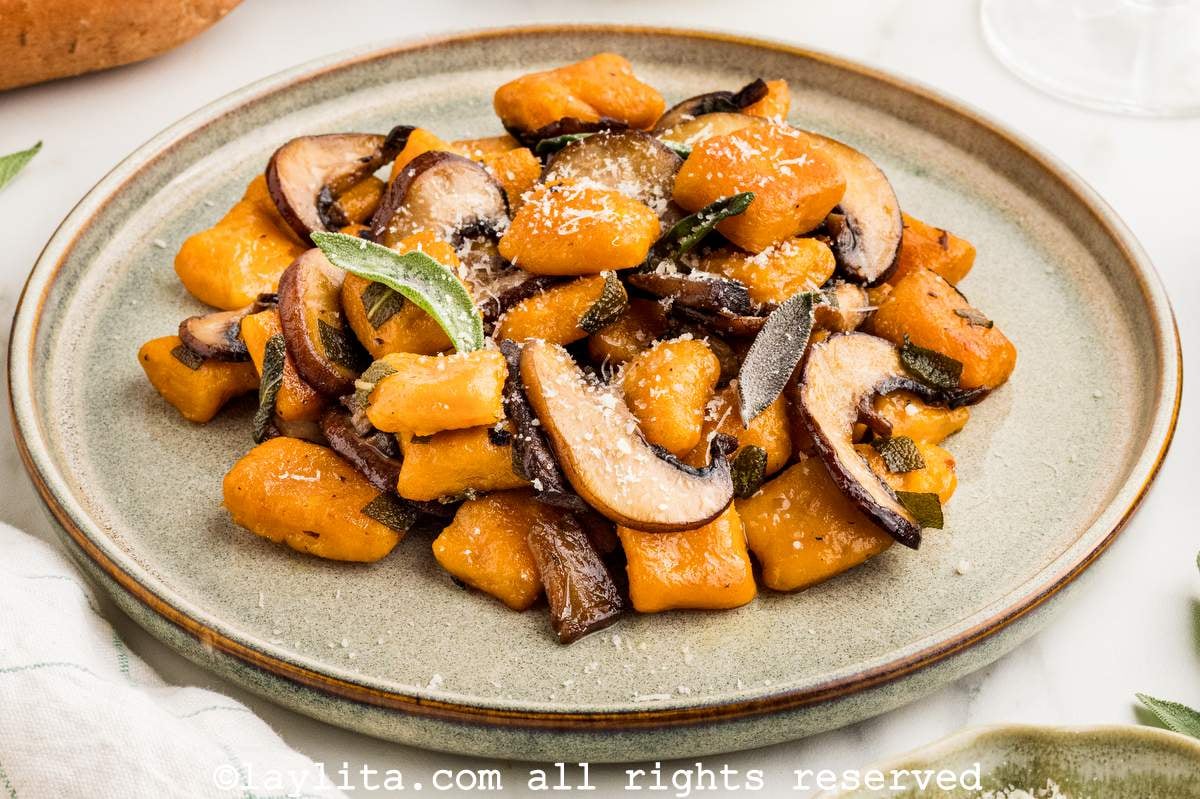
The appeal of sweet potato gnocchi lies in its unique flavor profile, which marries the natural, earthy sweetness of roasted root vegetables with the rich, savory depth of traditional Italian sauces. While purists often express hesitation regarding substitutions for classic potato dough, rigorous recipe testing has demonstrated that sweet potatoes offer a superior moisture-to-starch ratio when handled correctly. The resulting dish provides a sophisticated contrast of flavors—balancing the inherent sweetness of the tuber with the assertive umami of earthy mushrooms, nutty browned butter, aromatic sage, and sharp Parmesan cheese.
The Engineering Behind Foolproof Sweet Potato Gnocchi
Historically, making gnocchi from scratch has intimidated home cooks due to the delicate balance required between the wet potato mash and dry flour. Excessive flour leads to dense, rubbery sinkers, while insufficient flour causes the dumplings to dissolve entirely upon contact with boiling water. Culinary experts have addressed this structural vulnerability by integrating cornstarch into the formulation.
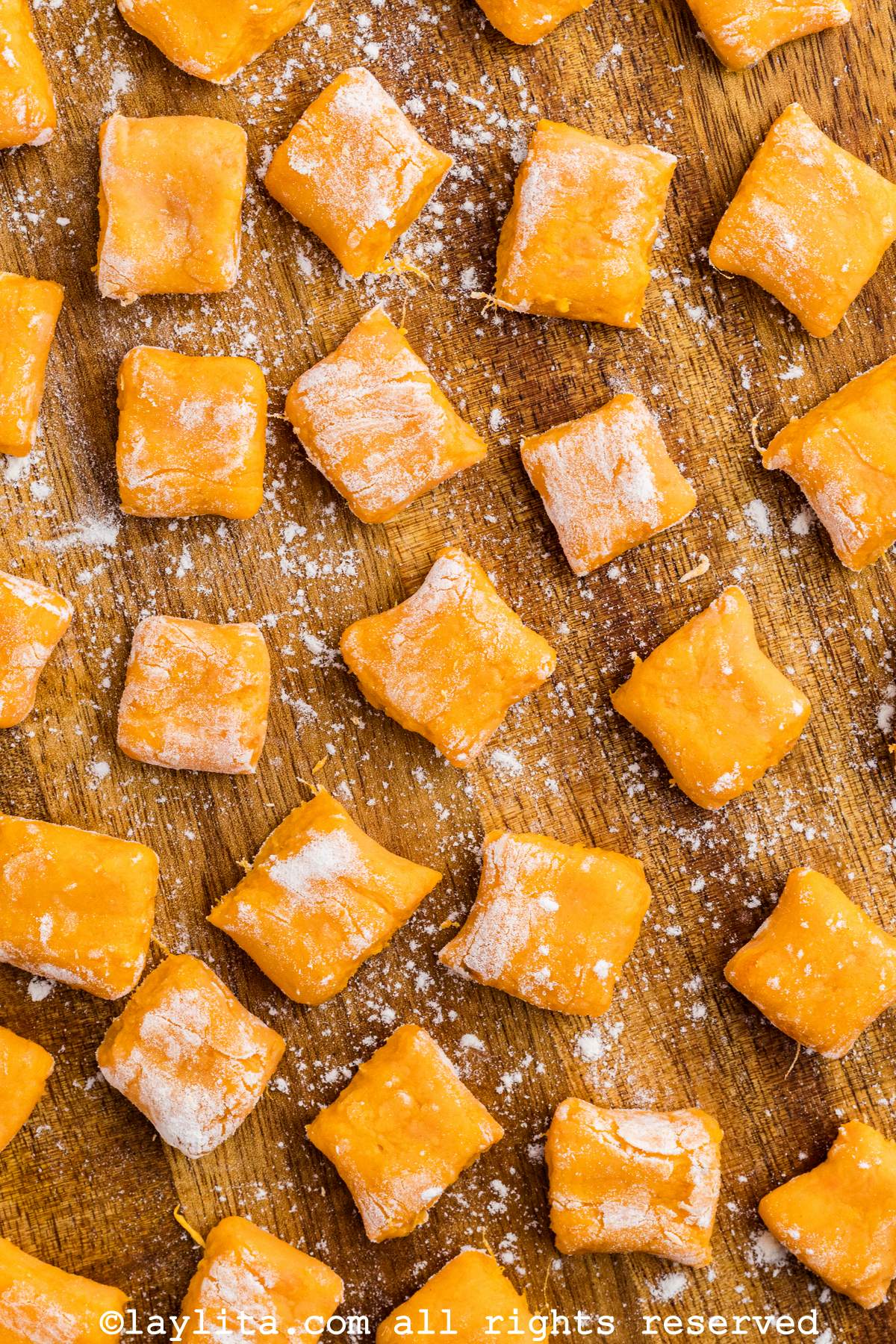
By incorporating cornstarch into both the core flour mixture and the external dusting surfaces, recipe developers have effectively engineered a foolproof methodology. Cornstarch inhibits excessive gluten development, ensuring that the gnocchi retain their characteristic pillow-soft texture even if the dough is handled more than ideal. Furthermore, this technique accommodates first-time cooks who might otherwise be tempted to overcompensate for sticky dough by aggressively adding all-purpose flour.
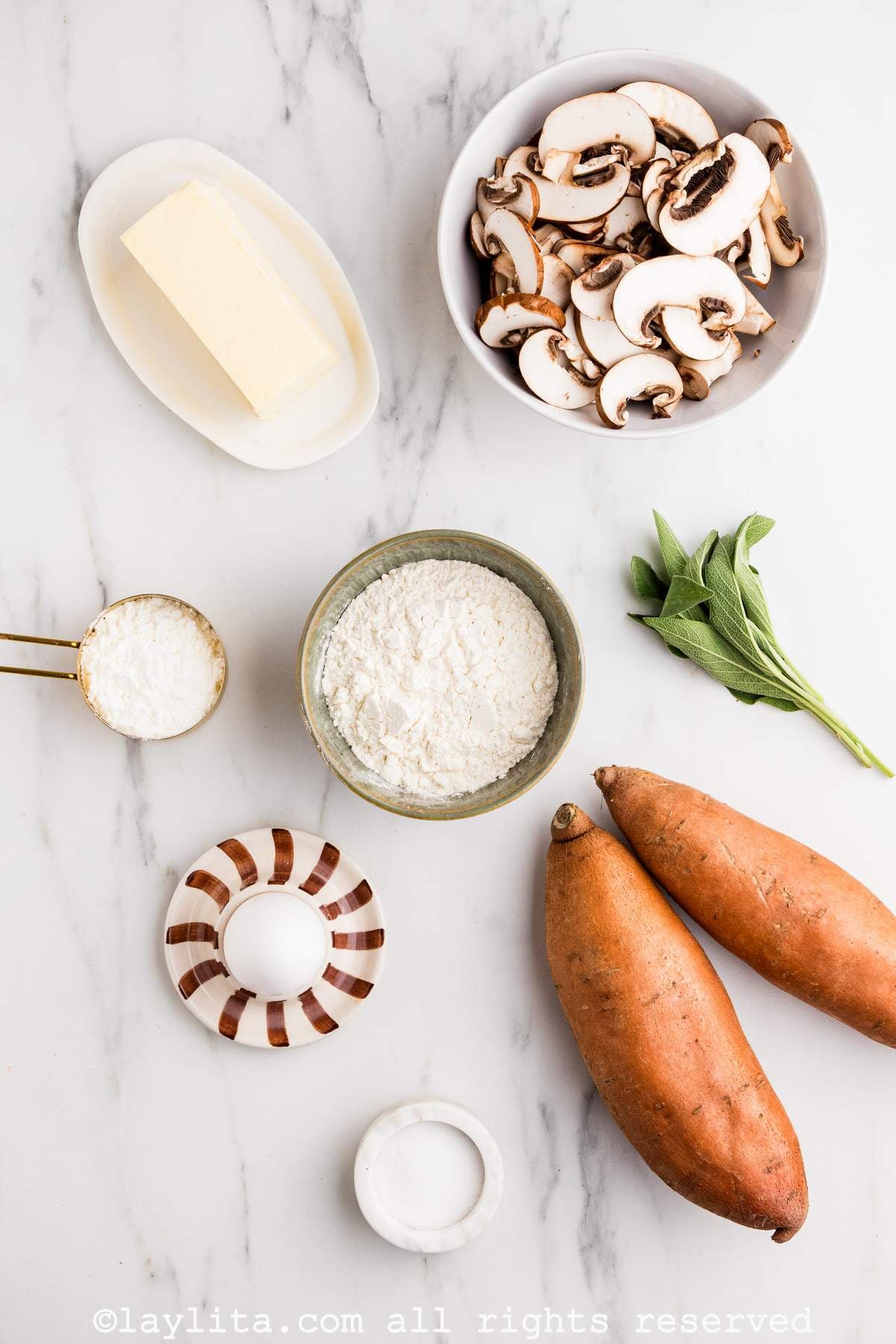
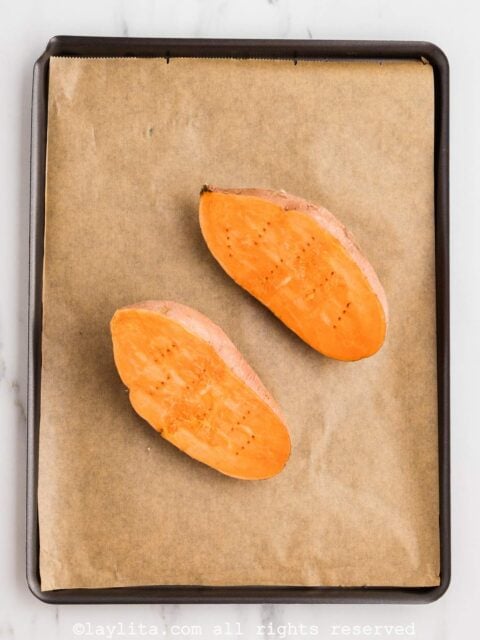
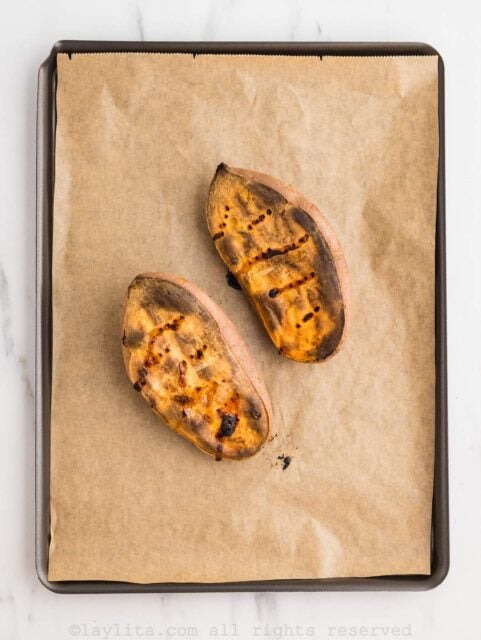
Extensive kitchen trials emphasize that the preparation method of the sweet potato is paramount. Culinary protocols dictate that roasting whole sweet potatoes—either in a standard oven, an air fryer, or via targeted microwave piercing—is essential for evaporating excess moisture. Conversely, commercial canned sweet potato purees are explicitly discouraged. Because canned purees possess a high water content and a slippery consistency, they demand disproportionately large amounts of flour to achieve a workable dough, ultimately resulting in a heavy and unpalatable final product.
Chronology of Preparation and Best Practices
Executing a successful batch of sweet potato gnocchi requires a precise chronological approach, separating the cooking, mashing, mixing, shaping, and finishing phases.
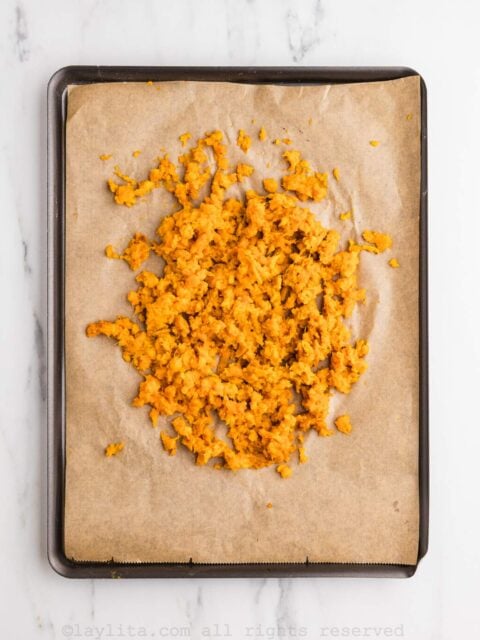
The process begins with the thermal reduction of the sweet potatoes. Whether baked at high heat in a conventional oven or rapidly cooked in an air fryer, the potatoes must be peeled and mashed while warm to facilitate moisture expulsion. Kitchen professionals note that while a traditional potato ricer is the gold standard for achieving a light, uniform texture without shearing starch molecules, a simple box grater or a fork can yield satisfactory results, provided the cook avoids whipping the sweet potato into a perfectly smooth, baby-food-like puree.
Once the sweet potato is gently broken down, it is combined with the dry ingredients, including the flour-cornstarch blend, a pinch of salt, and a binding egg yolk. The fundamental rule of this mixing phase is restraint: the dough should be brought together merely until it holds its shape, intentionally avoiding the rigorous, gluten-building knead associated with bread making.
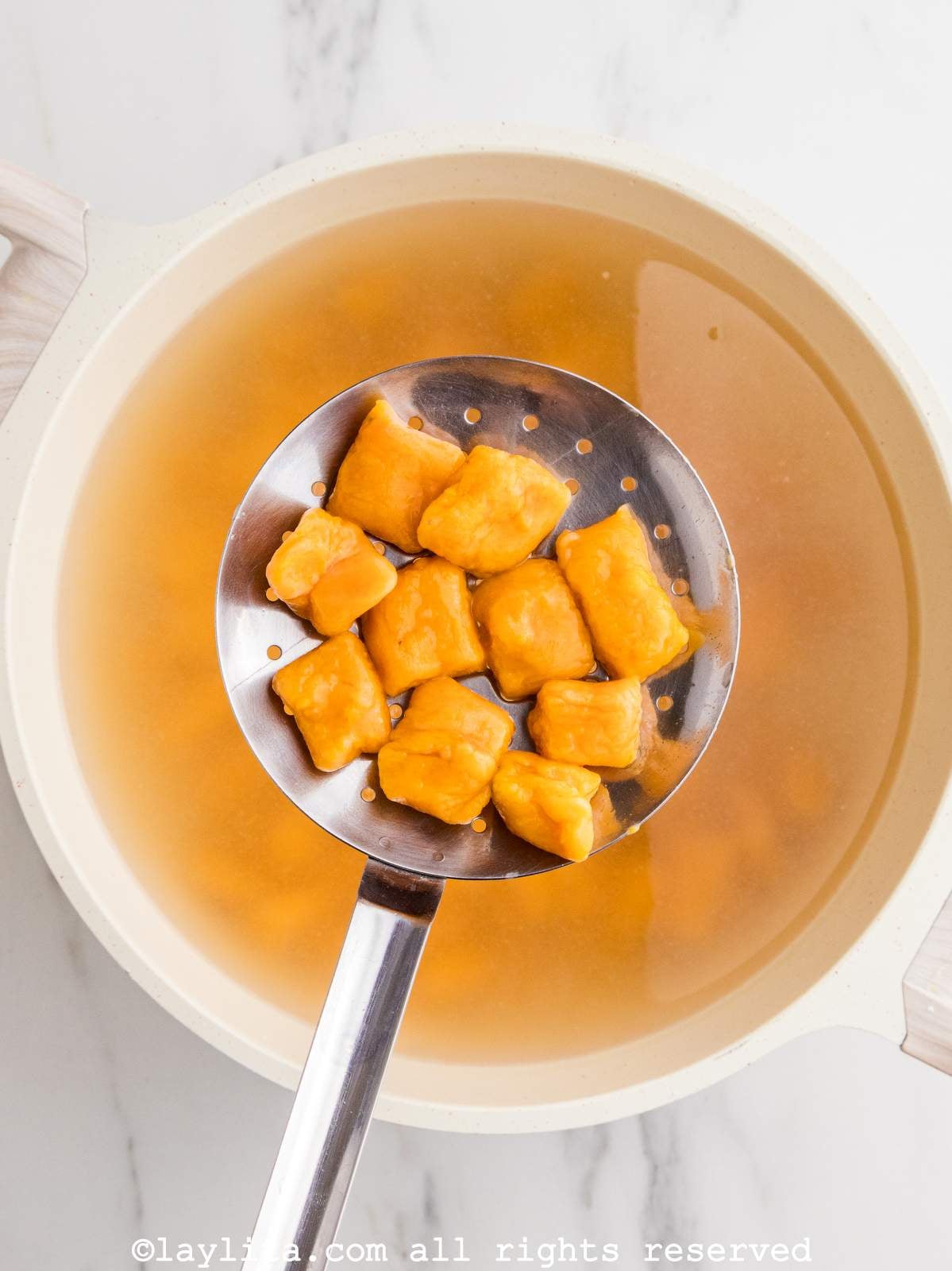
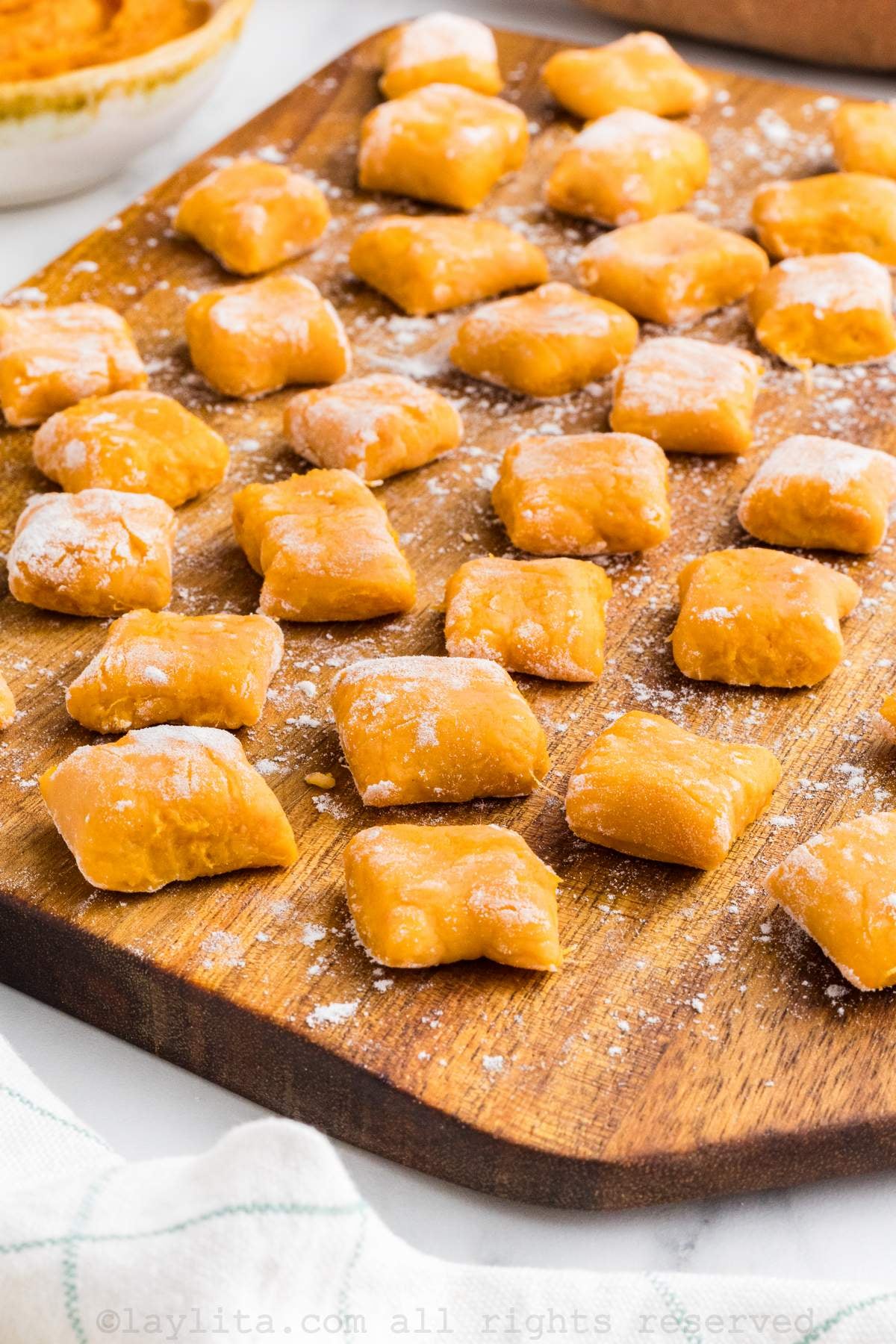
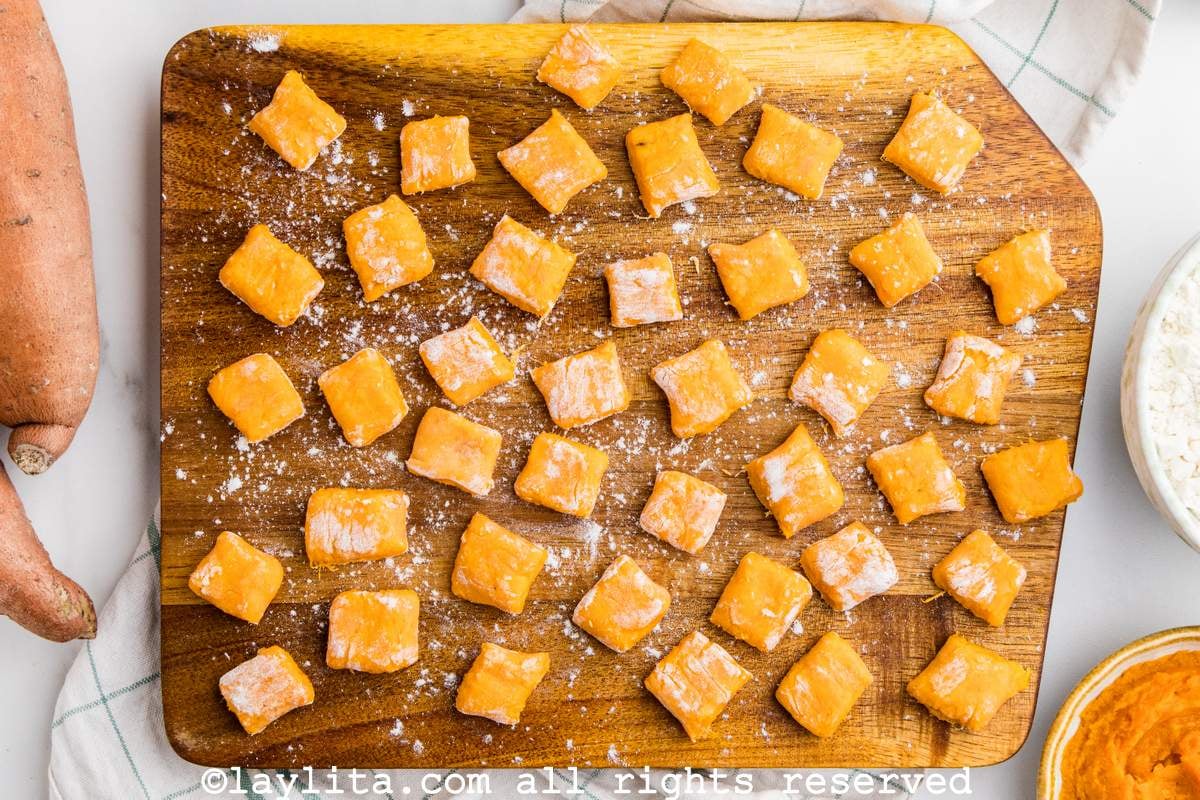
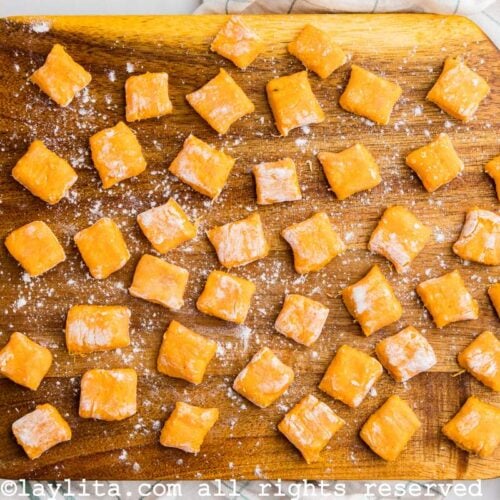
Following assembly, the dough is divided, rolled into ropes, and cut into individual pillows. Before committing an entire batch to the boiling water, chefs recommend conducting a "test drive"—dropping a single piece of gnocchi into the rolling boil. If the test piece holds its structural integrity, the cook may proceed; if it disintegrates, a minor incorporation of additional flour saves the batch before any loss occurs.
Culinary Pairings and Flavor Architecture
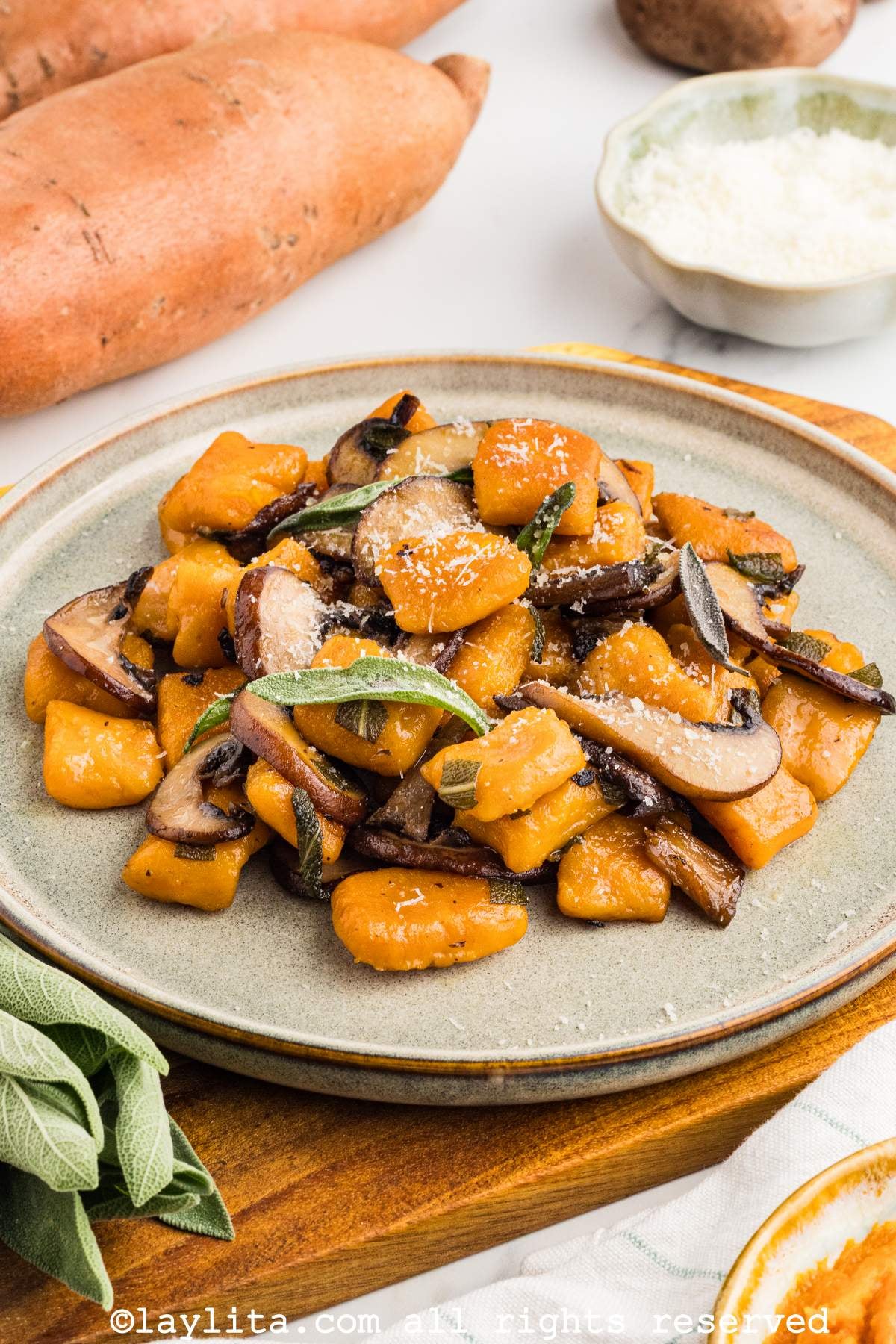
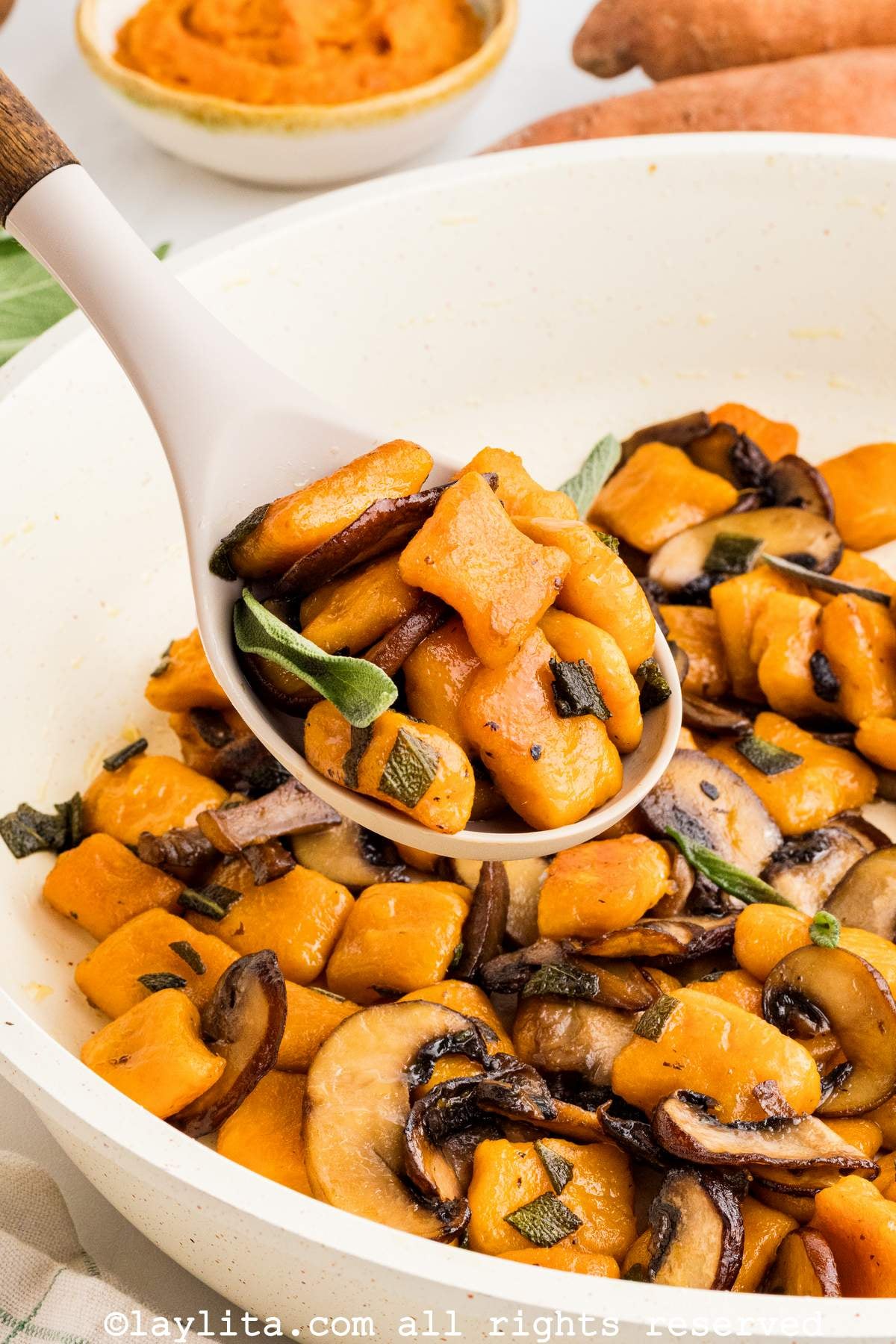
While gnocchi can be served with a myriad of accompaniments, the definitive pairing for sweet potato varieties remains a rich, aromatic sauce designed to counterbalance the natural sugars of the vegetable. The classic mushroom sage butter sauce functions as a masterclass in flavor balancing.
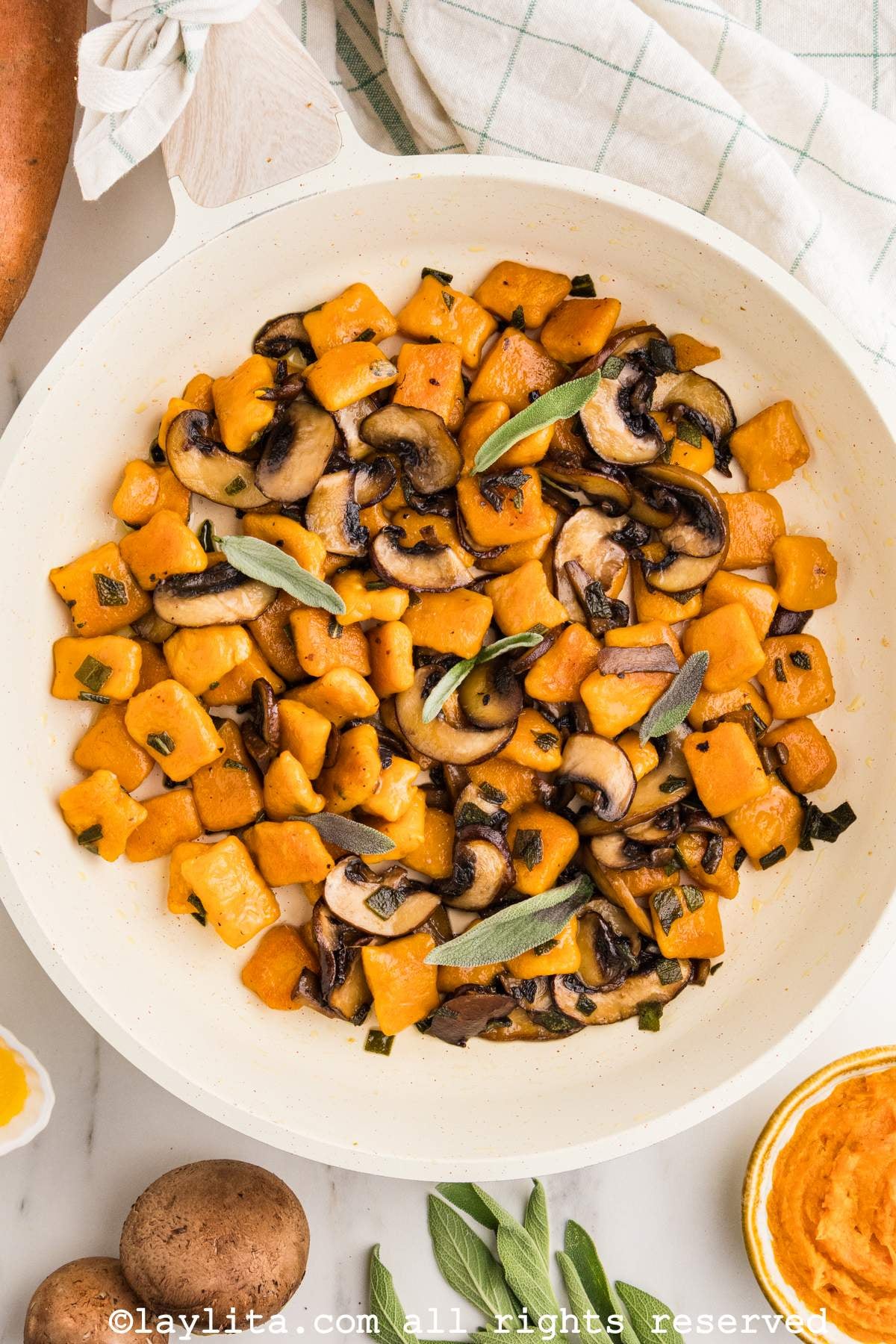
Sautéing earthy mushrooms in salted butter creates an instant foundation of umami, which is further elevated by the crisp infusion of fresh sage leaves. As the butter gently foams and browns, it develops nutty undertones that interact harmoniously with the subtle sweetness of the pasta. Finished with a generous grating of aged Parmesan cheese, the dish delivers a complex sensory experience that satisfies both the casual weeknight diner and guests at formal dinner parties.
Preservation, Storage, and Freezing Protocols
For modern households seeking meal-prep efficiency, the versatility of sweet potato gnocchi extends to its storage capabilities. Cooked leftovers maintain their quality when stored in an airtight container in the refrigerator for up to three days. Reheating is most successfully executed via a rapid sauté in a tablespoon of unsalted butter over medium heat, a technique that revives the exterior crispness and interior softness without requiring a secondary boiling process that would render the pasta mushy.
Uncooked gnocchi present viable options for both short-term refrigeration and long-term freezing. When stored raw in the refrigerator for up to two days, the dumplings must be generously dusted with cornstarch and arranged in single layers to prevent sticking, though cooks should anticipate a slightly gummier texture compared to freshly made batches.
For optimal preservation lasting up to three months, flash-freezing is the recommended protocol. Raw gnocchi are tossed in cornstarch or cornmeal, arranged in a single layer on a baking tray, and frozen for approximately ninety minutes before being transferred to freezer-safe containers. When ready to serve, these frozen dumplings can be transferred directly into boiling water, skipping the thawing process entirely and simplifying gourmet home cooking for busy schedules.