Bright Citrus Amid Late-Season Snow: The Culinary Chemistry and Comfort of Lemon White Chocolate Scones

The persistent chill of early spring in northern climates often prompts a distinct culinary response: a steadfast refusal to abandon bright, seasonal citrus in favor of heavier winter comfort foods. In regions such as Minnesota, where the transition from winter to spring is notoriously protracted—frequently characterized by lingering snow cover interspersed with deceptive periods of mild weather and subsequent cold rain—home bakers and culinary enthusiasts frequently turn to vibrant ingredients like lemons and blood oranges to combat seasonal fatigue. This psychological and sensory reliance on citrus during transitional months underpins the enduring popularity of recipes that marry tart fruit flavors with rich, comforting textures, most notably exemplified by the classic morning pastry: the scone.
The Evolution of Scone Craftsmanship and Flavor Pairings
Scones, a staple of British baking that has undergone significant evolution in North American home kitchens, have long been a subject of debate among culinary purists. Traditional formulations typically rely on a lean dough featuring flour, butter, milk or cream, and a modest amount of sweetener, often paired with dried fruits like currants or sultanas. However, contemporary baking has embraced more assertive flavor pairings, occasionally sparking controversy among traditionalists—particularly concerning the inclusion of chocolate.
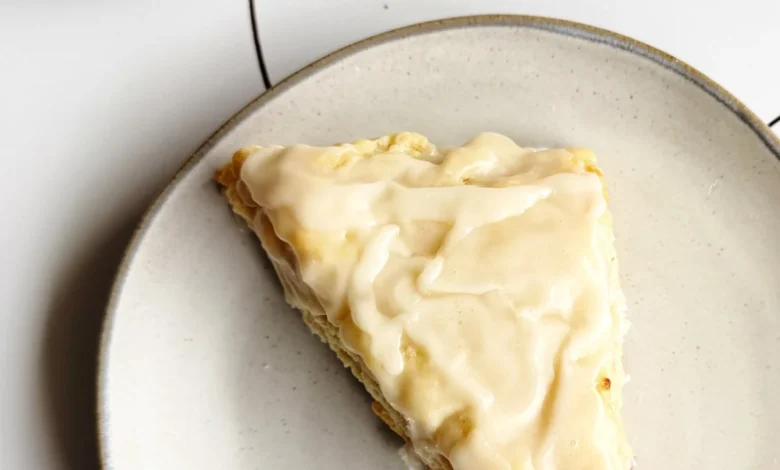
While purists frequently argue that chocolate has no place in a scone, culinary flexibility has allowed for innovative combinations that balance contrasting profiles. The pairing of white chocolate with fresh lemon represents a sophisticated interplay of flavors: the sharp, acidic bite of citrus cuts through the rich, buttery sweetness of cocoa butter and sugar found in white chocolate. Achieving culinary success with this specific combination, however, requires precise technique. Because white chocolate possesses a different chemical composition and melting point compared to dark or milk chocolate—largely due to its absence of cocoa solids and higher sugar-and-fat ratios—it resists melting under standard baking conditions. Consequently, culinary experts advise finely chopping white chocolate before incorporation to ensure even distribution and prevent dense pockets within the crumb.

The Science of Structure: Achieving the Ideal Scone Texture
The structural integrity of a superior scone relies heavily on fat distribution, hydration, and mechanical manipulation of the dough. Modern iterations of high-end bakery scones often move away from standard milk or heavy cream, utilizing acid-set dairy products such as crème fraîche alongside enriched egg components. The inclusion of crème fraîche introduces both high fat content and lactic acid, which tenderizes the gluten strands in the flour, yielding a more delicate interior crumb. Furthermore, incorporating an additional egg yolk elevates the richness of the dough while contributing necessary emulsifiers that promote moisture retention.
Technique plays an equally critical role in achieving the characteristic lofty height and flakiness associated with premium scones. Rather than simply mixing and shaping the dough, professional bakers frequently employ a lamination process—folding the dough over upon itself multiple times before cutting. This technique creates discrete layers of butter trapped within the flour matrix. When exposed to high oven heat, the water content in the butter evaporates, creating steam pockets that force the pastry layers upward, resulting in a tall, flaky rise rather than a dense, flat disk.
Ergonomic Adaptations and Kitchen Technology
In professional and domestic kitchens alike, the historical method for cutting butter into flour involves a manual pastry blender or two knives, a process designed to achieve pea-sized crumbs of fat without generating hand heat that could prematurely soften the butter. However, the physical repetition required for manual pastry cutting has long posed ergonomic challenges for bakers, particularly those suffering from repetitive strain injuries or arthritic conditions in the hands and wrists.
To mitigate physical discomfort without compromising product quality, many contemporary bakers utilize stand mixers equipped with paddle attachments. By exercising strict control over mixing duration, bakers can efficiently cut cold butter into flour until the desired texture is achieved. Wet ingredients and solid mix-ins, such as chopped white chocolate and lemon zest, are subsequently folded in gently by hand using a spatula to prevent over-development of gluten, which would otherwise toughen the final baked good.
Preservation and the Role of Glazes
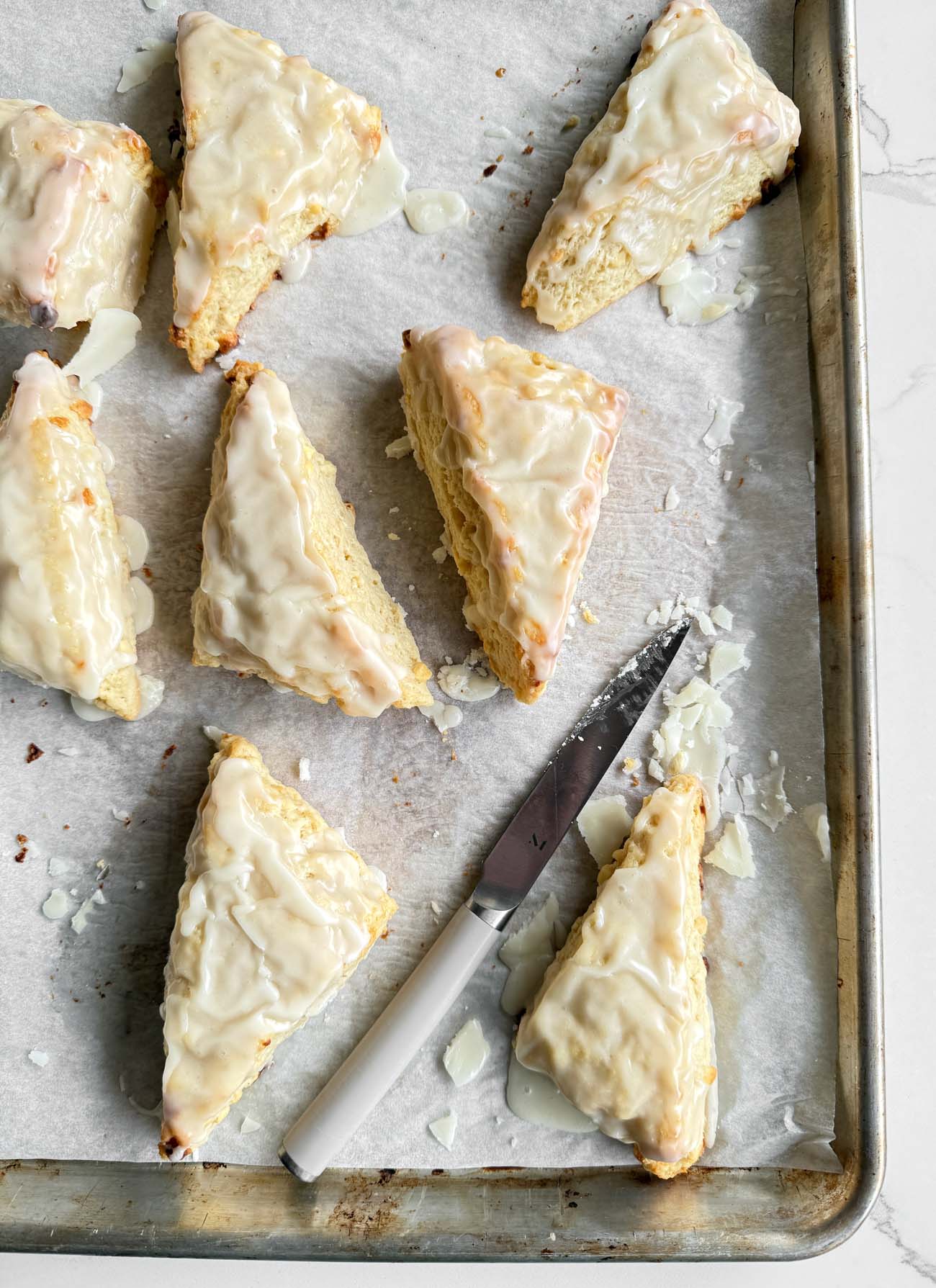
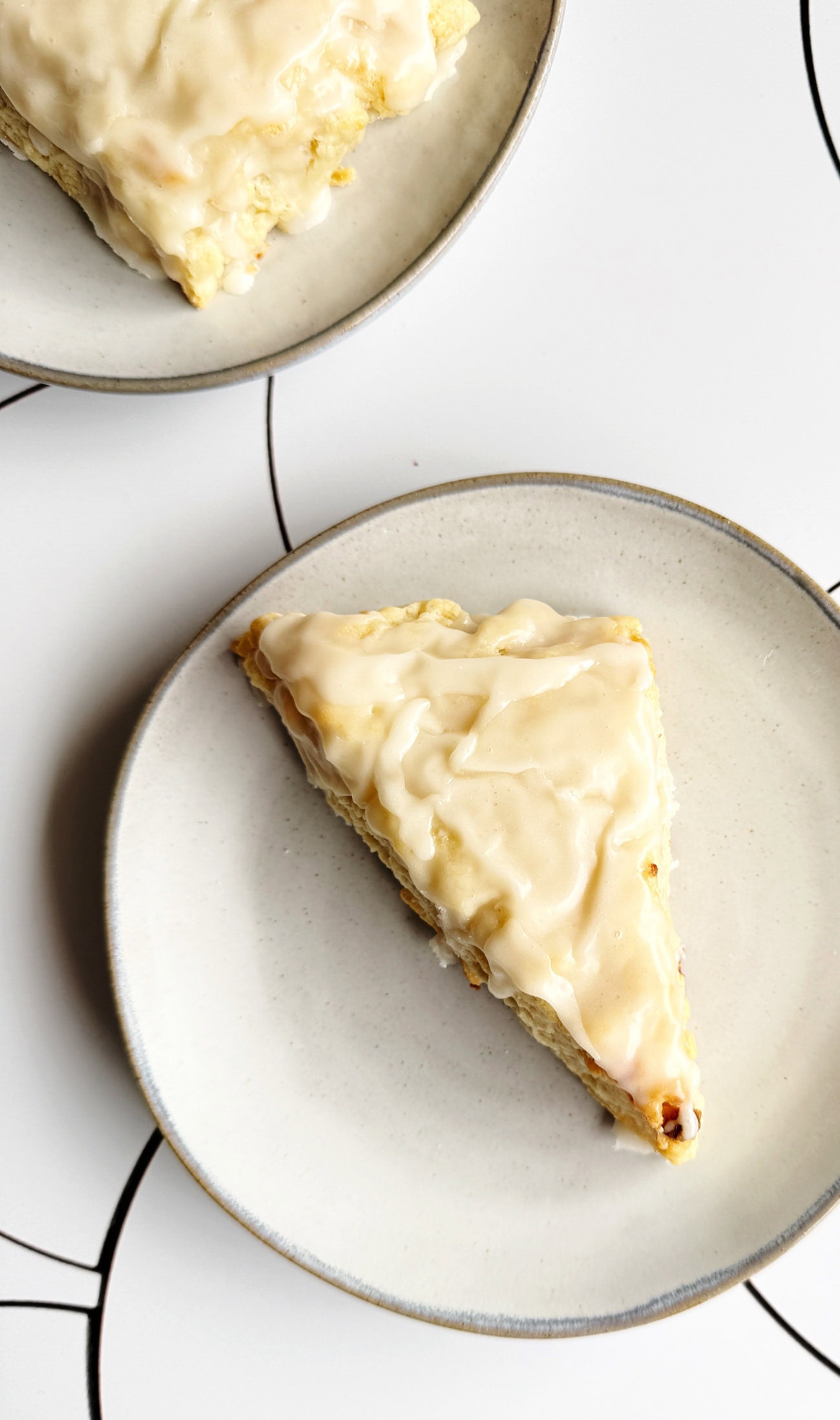
Maintaining moisture in baked goods containing low-moisture elements like flour and butter presents a persistent challenge in pastry arts. Scones are notoriously susceptible to staling rapidly if exposed to ambient air post-baking. To extend the shelf life and palatability of the finished product, culinary professionals frequently employ a finishing technique involving a citrus-based glaze applied while the pastry remains warm.
The application of a warm glaze serves a dual purpose: the residual heat of the scone slightly sets the sugar syrup, allowing it to penetrate the outer crust while forming a protective barrier that seals in internal moisture. This simple chemical interaction keeps the interior tender and crumbly for hours after removal from the oven, ensuring optimal texture and flavor delivery when paired with hot beverages such as coffee or tea.
Socio-Economic and Cultural Implications of Comfort Baking
The enduring appeal of labor-intensive home baking during periods of climatic transition points to broader socio-psychological trends associated with food preparation as a therapeutic outlet. Sociological and culinary studies consistently indicate that engaging in tactile, creative kitchen tasks correlates with reduced stress levels and enhanced psychological well-being, particularly during seasons marked by prolonged gloom or social isolation.
Furthermore, the economic implications of home baking reflect broader consumer shifts toward scratch cooking and the utilization of versatile, long-shelf-life staples. Citrus fruits, prized for their longevity in refrigerated environments, offer a cost-effective method for elevating simple pantry ingredients—such as flour, butter, and sugar—into gourmet-quality items without necessitating frequent trips to commercial bakeries. As home kitchens continue to adapt traditional recipes to accommodate modern dietary preferences, ergonomic needs, and flavor innovations, staples like the lemon white chocolate scone remain resilient symbols of culinary creativity and domestic comfort.