The Evolution of Bakery Classics: How a College Job Inspired the Ultimate Cherry Almond Muffin Recipe

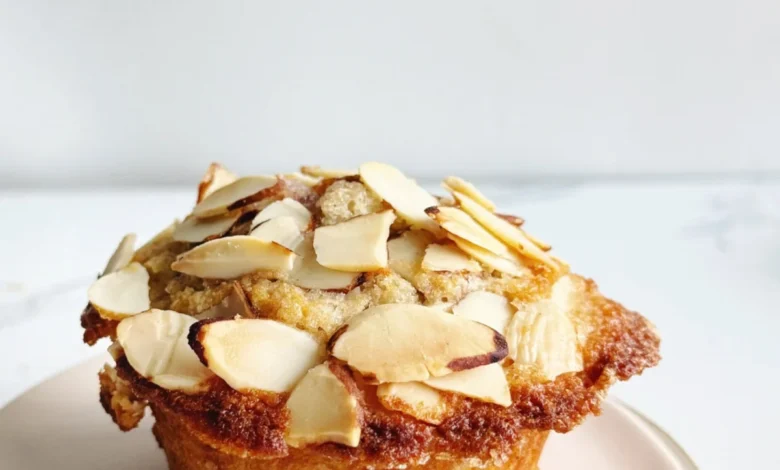
The nostalgia of neighborhood bakeries and collegiate workspaces often serves as an enduring muse for culinary professionals long after their early-career days have passed. Decades after bustling shifts at the Blue Heron Coffeehouse, where a signature cherry almond muffin regularly dominated the morning bake case, culinary developers have successfully translated those sensory memories into a meticulously engineered home-baking formula. By modifying established, reader-favorite blueberry muffin foundations that already incorporated almond flour, developers have introduced a refined pastry option characterized by a light, tender crumb and a robust, well-rounded flavor profile driven by natural nut flours and precise botanical extracts.
The culinary journey from a commercial coffeehouse pastry case to a standardized home kitchen recipe involves rigorous testing, precise ingredient ratios, and an understanding of the mechanical variables inherent in modern baking equipment. This comprehensive guide examines the technical nuances, equipment choices, and professional methodology required to consistently replicate a high-end bakery product in a domestic environment.
The Science of Ingredients: Why Almond Flour and Extract Matter
Achieving the delicate balance of moisture, structure, and flavor in a fruit-and-nut muffin requires moving beyond standard all-purpose wheat flour formulations. Incorporating almond flour into the base batter serves a dual purpose: it introduces essential fats that contribute to a tender, melt-in-your-mouth crumb while delivering a rich, nutty foundation that complements tart cherries.
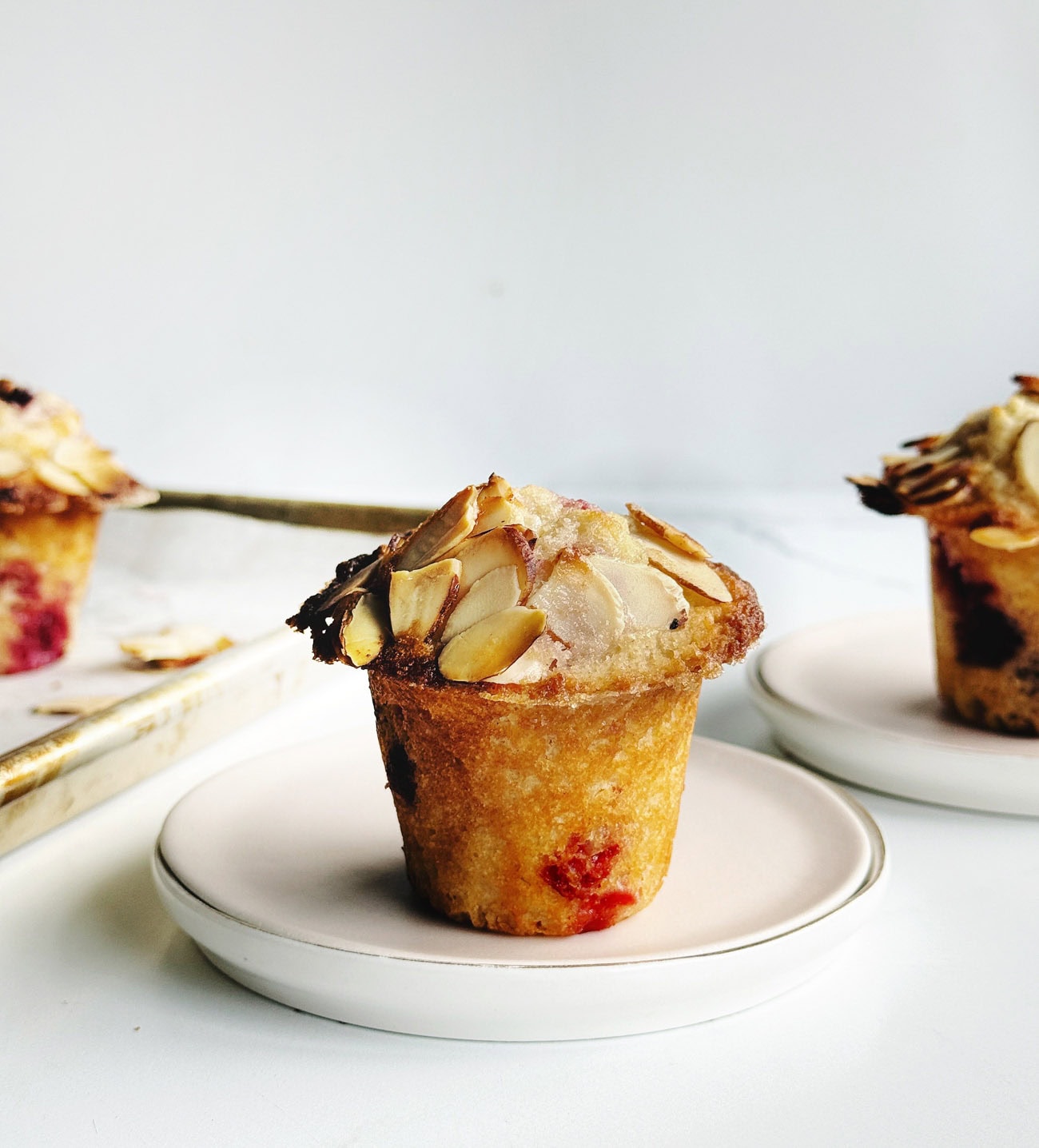
Culinary testing confirms that almond flour cannot be substituted one-to-one with all-purpose flour without fundamentally altering the moisture retention and structural integrity of the baked good. Furthermore, the integration of almond extract works synergistically with the natural oils in the nut flour, sharpening the aromatic profile and ensuring that the almond flavor penetrates every bite rather than relying solely on surface toppings.
Precision in measurement remains a critical factor in consistent baking outcomes. Discrepancies in how home bakers measure dry ingredients can lead to dense or dry muffins. Extensive kitchen testing establishes a baseline standard where one cup of all-purpose flour equals 142 grams—a figure derived from averaging extensive weight samples. While commercial and home recipes frequently estimate one cup of flour between 120 and 142 grams, utilizing a digital scale to weigh ingredients remains the single most reliable method to ensure recipe fidelity. Additionally, the protein content of the flour impacts the final structure; unbleached all-purpose flours with balanced protein levels consistently yield optimal results in non-yeast baked goods.
Equipment Variables and Pan Dynamics
One of the most significant challenges home bakers face is the variability of standard kitchen equipment. Muffin pans vary wildly across manufacturers in terms of cup depth, wall slope, gauge thickness, and thermal conductivity. Consequently, a recipe written for one specific pan may yield overflow or under-baked centers in another.
Prolonged testing across dozens of commercial and residential pans reveals that high-quality aluminum bakeware, such as Nordic Ware Naturals twelve-cup aluminum muffin pans, provides superior heat distribution. When paired with a matching round scoop that mirrors the precise dimensions of the muffin cavities, bakers can achieve uniform portion control.
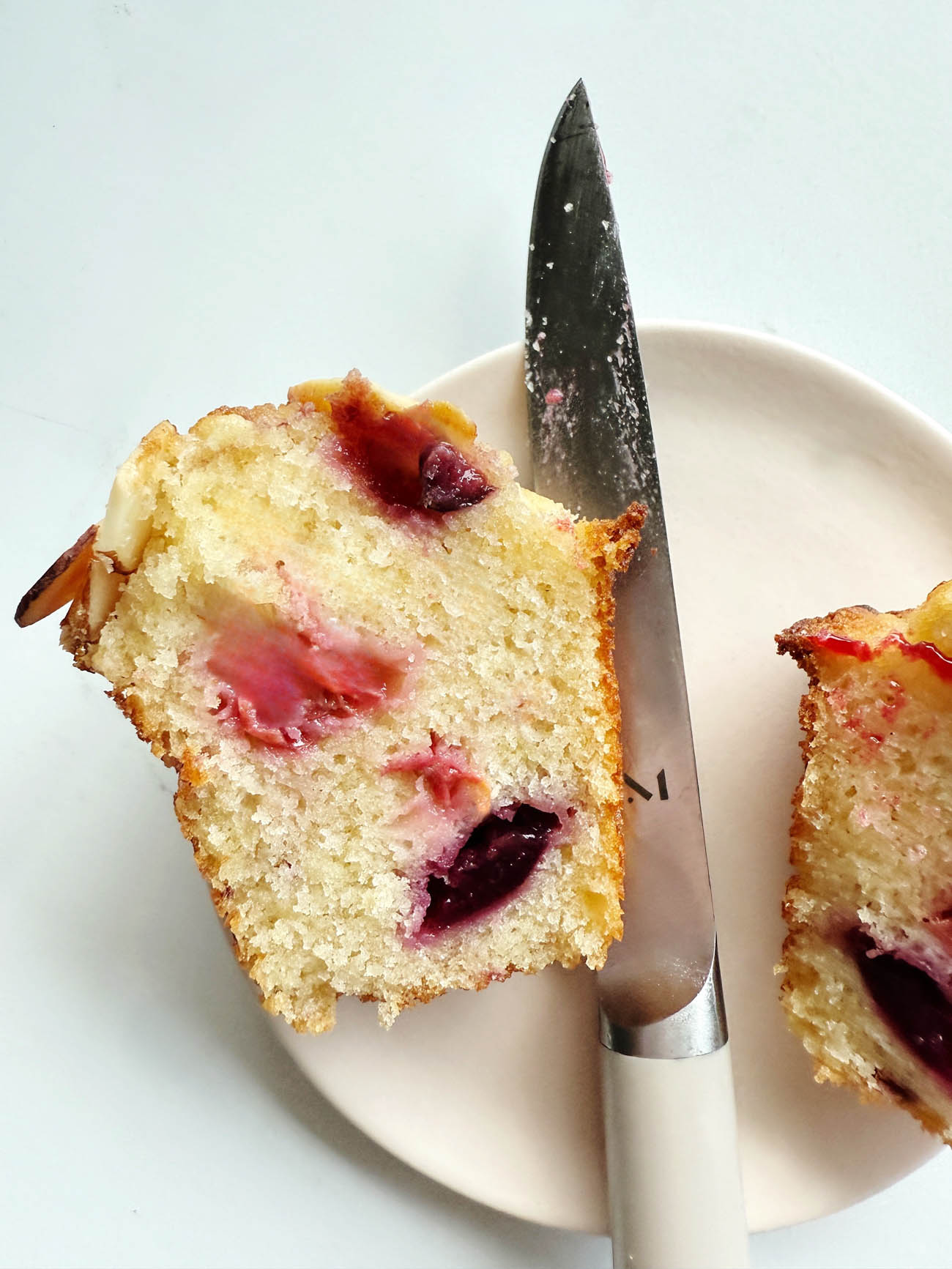
To mitigate the unpredictability of equipment differences, professional bakers recommend executing a single test muffin prior to committing an entire batch of batter. This preliminary bake allows the cook to observe how the batter reacts to the specific thermal dynamics of their oven and pan, providing an opportunity to adjust fill levels or baking times before potential overflows occur.
For those seeking an alternative presentation, utilizing a popover pan introduces an entirely different aesthetic. By channeling the same volume of batter into taller, narrower cavities, bakers can produce elongated, elegant muffins reminiscent of artisanal bakery displays. Because popovers and specialized pans alter the vertical rise of the batter, placing a half-sheet pan on a lower oven rack serves as an essential safety measure to catch potential spills during the rising phase.
Advanced Baking Techniques: Spacing and Pan Preparation
Beyond ingredient selection and pan choice, subtle adjustments in loading and greasing techniques can dramatically elevate the final product.
The Alternate-Cup Spacing Method
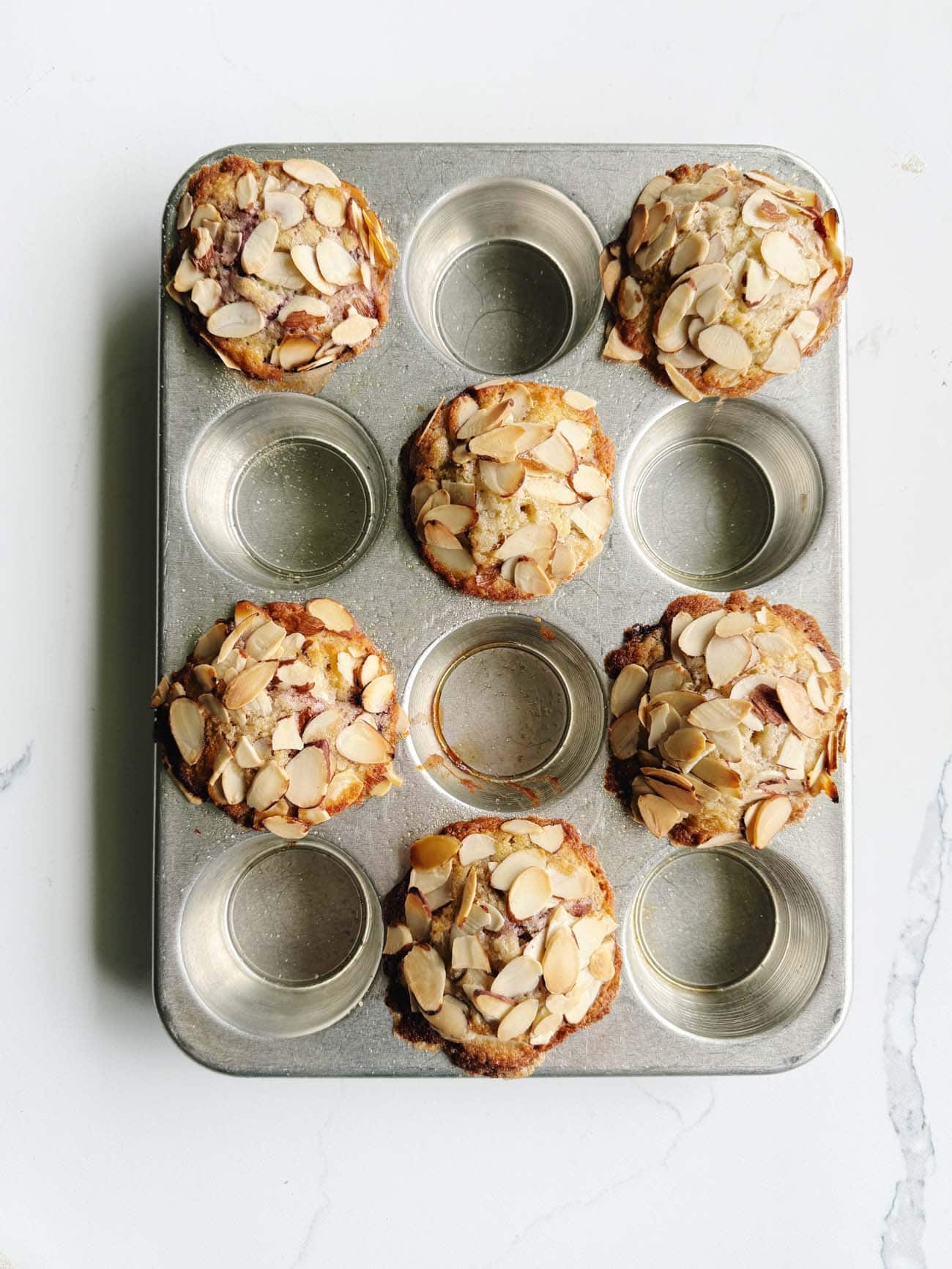
To maximize vertical rise and prevent the tops of adjacent muffins from fusing together during the expansion phase, professional test kitchens advocate for the alternate-cup spacing method. By filling every other cup in a twelve-cup pan—effectively utilizing two pans simultaneously—bakers grant each pastry unobstructed room to expand outward and upward. This technique ensures optimal crown development without requiring water in the empty cavities, a practice that introduces unnecessary humidity into the baking environment.
Mastering Pan Release
The debate over muffin liners versus direct pan greasing involves distinct functional choices. When utilizing paper liners, greasing the cups is unnecessary. However, baking directly in metal cavities requires meticulous preparation to prevent structural damage during removal.
Professional kitchen protocols recommend a two-tier greasing strategy:
- Cavities: Use a pastry brush to apply a thin, even layer of softened butter followed by a light dusting of flour, or utilize a floured pan spray. This ensures a clean release of the bottom and sides of the muffin.
- Top Surface: Apply a non-floured pan spray exclusively to the flat top surface of the pan. Because flour can burn under high heat when exposed directly to the oven environment, avoiding floured sprays on the outer rim prevents acrid odors and unsightly residue.
Aesthetic Choices and Flavor Customization
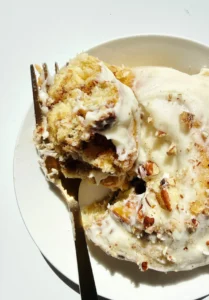
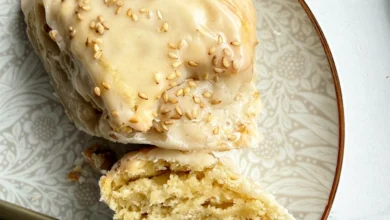
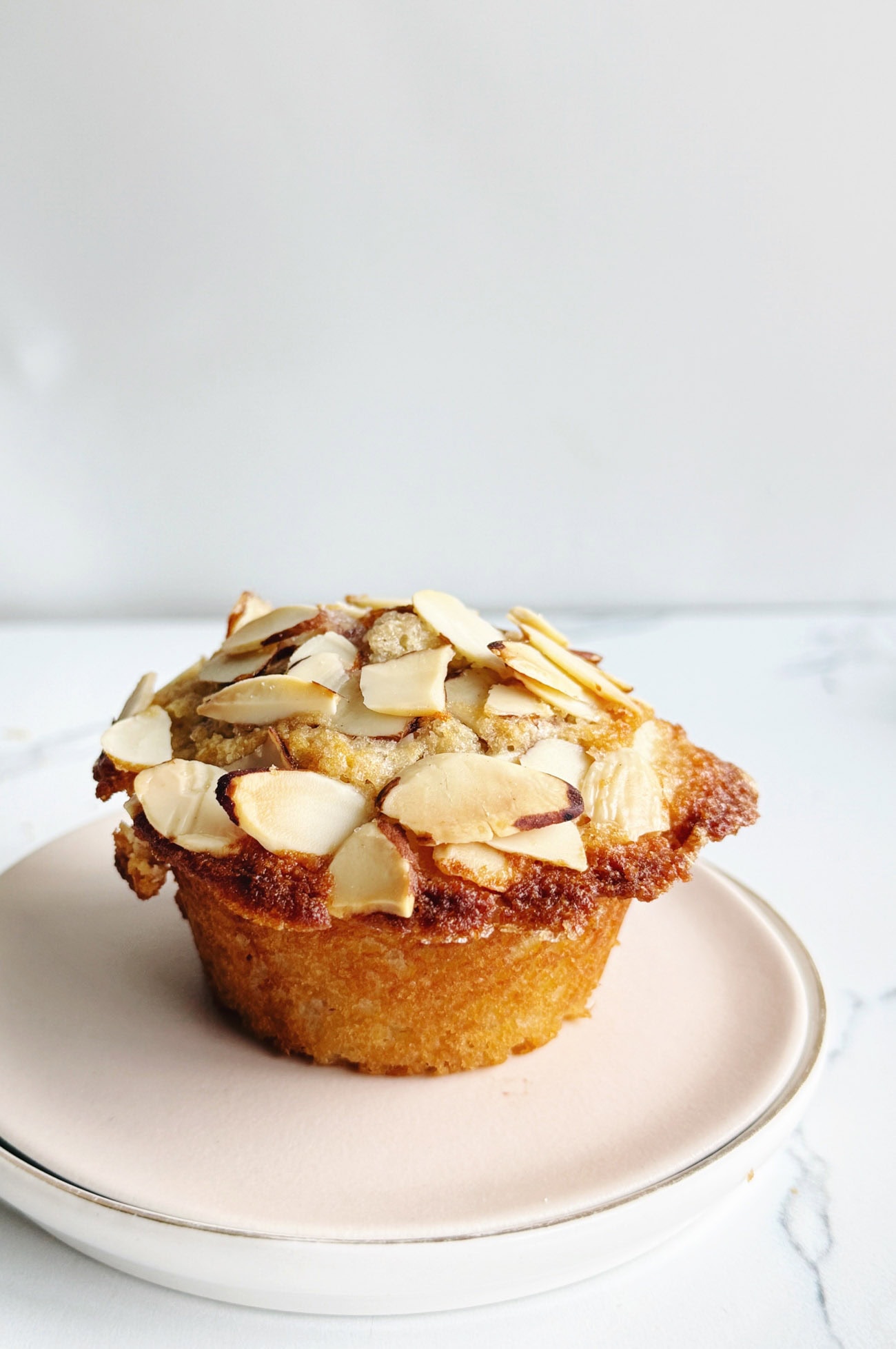
The final presentation of a cherry almond muffin often features a scattering of sliced almonds across the crown, providing both visual appeal and a contrasting texture. However, culinary ergonomics suggest a division in consumer preference. While toasted sliced almonds offer an elegant, sophisticated appearance on the pastry counter, some consumers prefer a traditional sugar-crusted top for a more tender bite-experience. Home bakers are encouraged to weigh these aesthetic and textural elements against personal preference, treating the topping as a customizable final step.
Similarly, bakers must account for ingredient stability during the baking process. Loose toppings such as sliced almonds can occasionally dislodge during rising or removal. Implementing preventative measures—such as lower-rack foil liners or sheet pans—protects the oven floor from burning nut oils and simplifies post-baking cleanup.
Broader Implications for Home Baking Culture
The transition of professional bakery recipes into accessible digital formats reflects a broader cultural shift in modern gastronomy. As home cooks increasingly demand café-quality results in domestic kitchens, food journalism and recipe development have evolved to prioritize transparency, scientific rigor, and troubleshooting methodologies.
By addressing variables such as flour density, pan metallurgy, and thermal physics, modern recipe curation empowers amateur bakers to overcome common culinary hurdles. The enduring appeal of nostalgic flavors like cherry almond demonstrates that while culinary trends continually evolve, the foundational desire for comforting, well-crafted baked goods remains a constant pillar of contemporary food culture.