The Rise of Corporate Dining Monocultures: How Chain Restaurants Are Reshaping the American Culinary Landscape

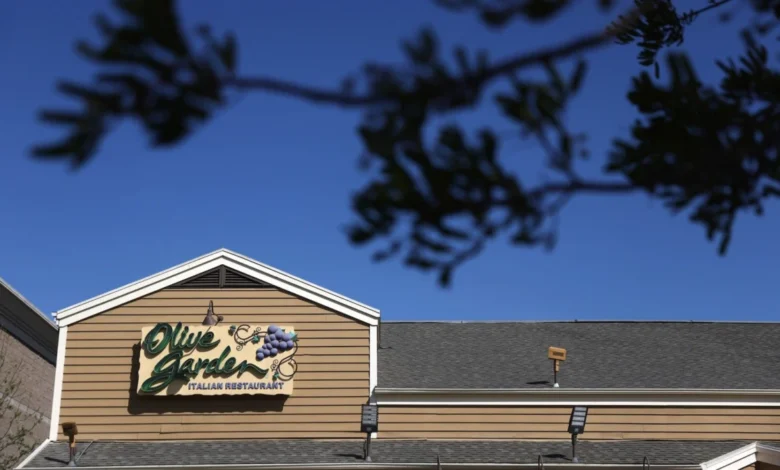
The American commercial landscape is undergoing a quiet, yet profound, transformation. While independent eateries continue to grapple with the long-term financial fallout of the COVID-19 pandemic and inflationary pressures, major sit-down restaurant chains are aggressively expanding their footprints. Brands such as Olive Garden, Texas Roadhouse, Applebee’s, and The Cheesecake Factory are capitalizing on a wave of available commercial real estate, systematically consolidating market share and altering the culinary identity of communities nationwide.
This expansion represents a continuation of a decades-long trend that favors corporate scale over local diversity. Financial analysts and industry experts note that the increasing dominance of corporate restaurant groups poses an existential threat to independent operators, accelerating a shift toward a homogenized dining culture.
The Pandemic Catalyst and Commercial Real Estate Opportunities
The structural shift toward corporate dining dominance was accelerated significantly by the events of 2020. According to data from Yelp, approximately 60 percent of the business closures recorded during the initial phases of the coronavirus pandemic proved to be permanent. This wave of closures left tens of thousands of storefronts vacant across urban centers and suburban commercial districts alike.
Corporate restaurant groups, possessing robust capital reserves and economies of scale, were uniquely positioned to absorb these market shocks. Unlike independent restaurateurs—who typically operate on razor-thin margins and face stringent lending requirements—large chains utilized their corporate backing to secure prime real estate leases.
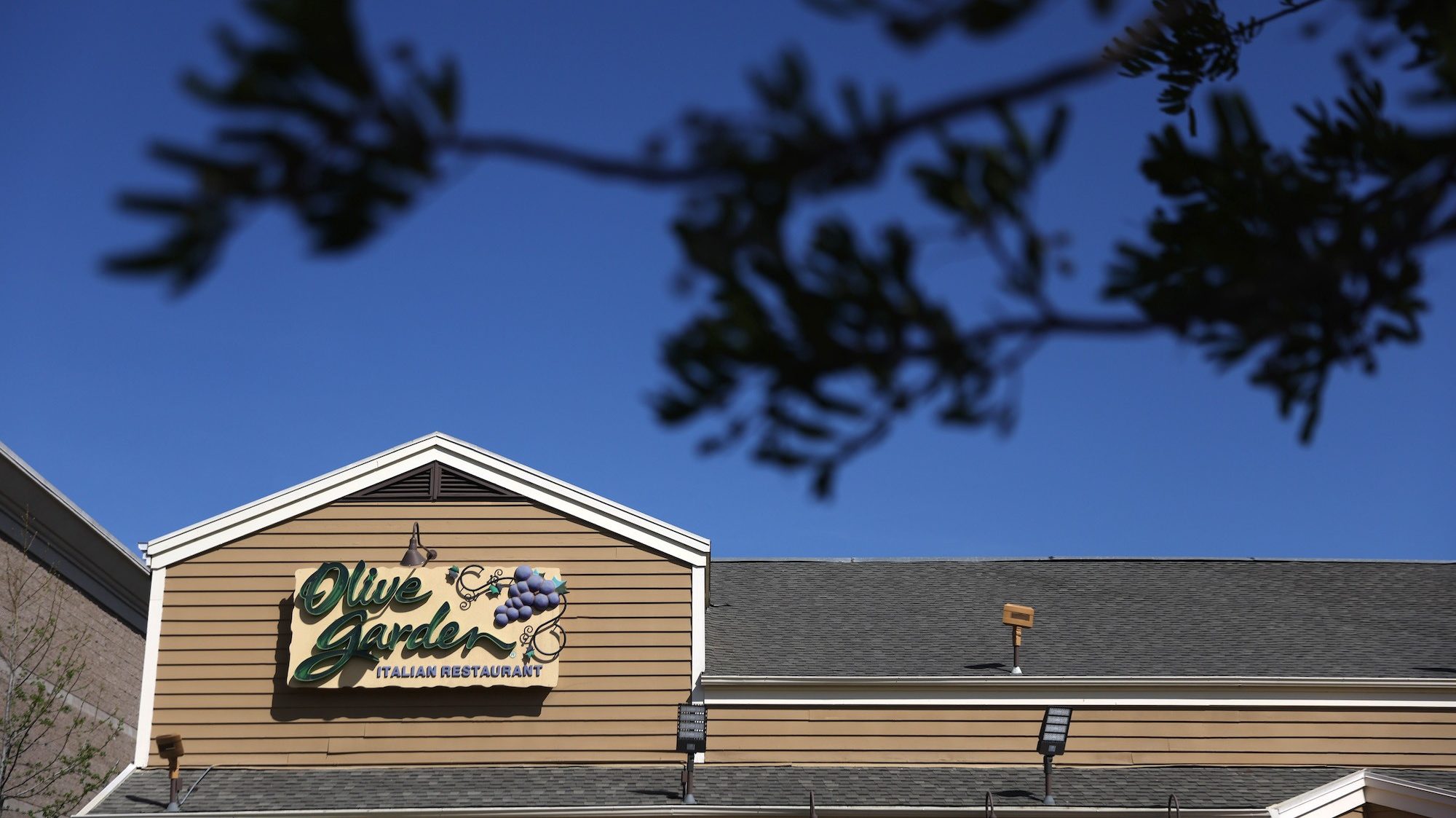
Industry executives have openly acknowledged the strategic advantage presented by the contraction of the independent sector. During corporate earnings calls, leadership teams from prominent restaurant holding companies highlighted the availability of commercial spaces as a primary vector for growth. For instance, executives from Darden Restaurants—the parent company of Olive Garden and LongHorn Steakhouse—noted that commercial landlords frequently favor the financial stability and reliable corporate guarantees offered by major restaurant conglomerates over unproven local operators.
Financial Resilience and Market Share Growth
The strategic expansion of chain restaurants has translated into significant financial gains. Despite a turbulent macroeconomic environment marked by supply chain disruptions and rising labor costs, full-service chain restaurants have outperformed broader retail and dining recovery metrics.
Data compiled by market research firm IBISWorld projected that the market size for full-service chain restaurants in the United States would increase by 8.7 percent, pushing total sales past the $162 billion threshold. Concurrently, annual industry reports, such as the Technomic Top 500, demonstrated that major full-service chains expanded their collective market share coming out of the pandemic years.
Brands like Texas Roadhouse reported revenues climbing significantly above pre-pandemic levels, prompting sustained expansion plans that include the opening of dozens of new corporate and franchised units annually. To maintain this growth trajectory, these corporations rely on aggressive unit expansion, as mature, established locations typically experience single-digit, year-over-year same-store sales growth.
The Power of Familiarity and Standardized Operations
The appeal of chain restaurants rests largely on predictability and standardization. For millions of consumers, the uniformity of menus, service styles, and interior environments provides a sense of comfort and reliability. Whether dining in the Midwest or on the East Coast, patrons can expect the exact same flavor profile, portion size, and presentation.
This consistency grants major chains significant pricing power. When corporate operators implement menu price increases to offset inflation, consumer traffic frequently remains stable. Diners accustomed to specific proprietary items—such as specialty biscuits, appetizers, or signature entrées—exhibit high brand loyalty, absorbing incremental cost increases without abandoning the establishment.
In contrast, independent restaurants rarely operate with the same degree of algorithmic precision. Lacking sophisticated supply chain networks and national marketing budgets, independent operators often struggle to absorb sudden cost fluctuations without alienating their customer base through noticeable price hikes.
Cultural Implications and the Erosion of Regional Cuisine
Critics and culinary historians argue that the proliferation of corporate dining chains carries cultural costs. As standardized franchises replace locally owned establishments, commercial districts risk losing their distinct regional identities.
Industry observers note that the pervasive marketing campaigns of national chains—featuring folksy advertising and messaging centered on community integration—often mask the reality of corporate wealth extraction. Profits generated by franchise locations are typically funneled back to corporate headquarters and shareholders rather than reinvested directly into the local economy.
Furthermore, the ubiquity of national chains can distort public perception of global cuisines. When mass-produced, heavily Americanized interpretations of international dishes become the baseline for millions of consumers, authentic culinary traditions risk being overshadowed or entirely redefined by corporate palates.
Potential Policy Responses and Community Interventions
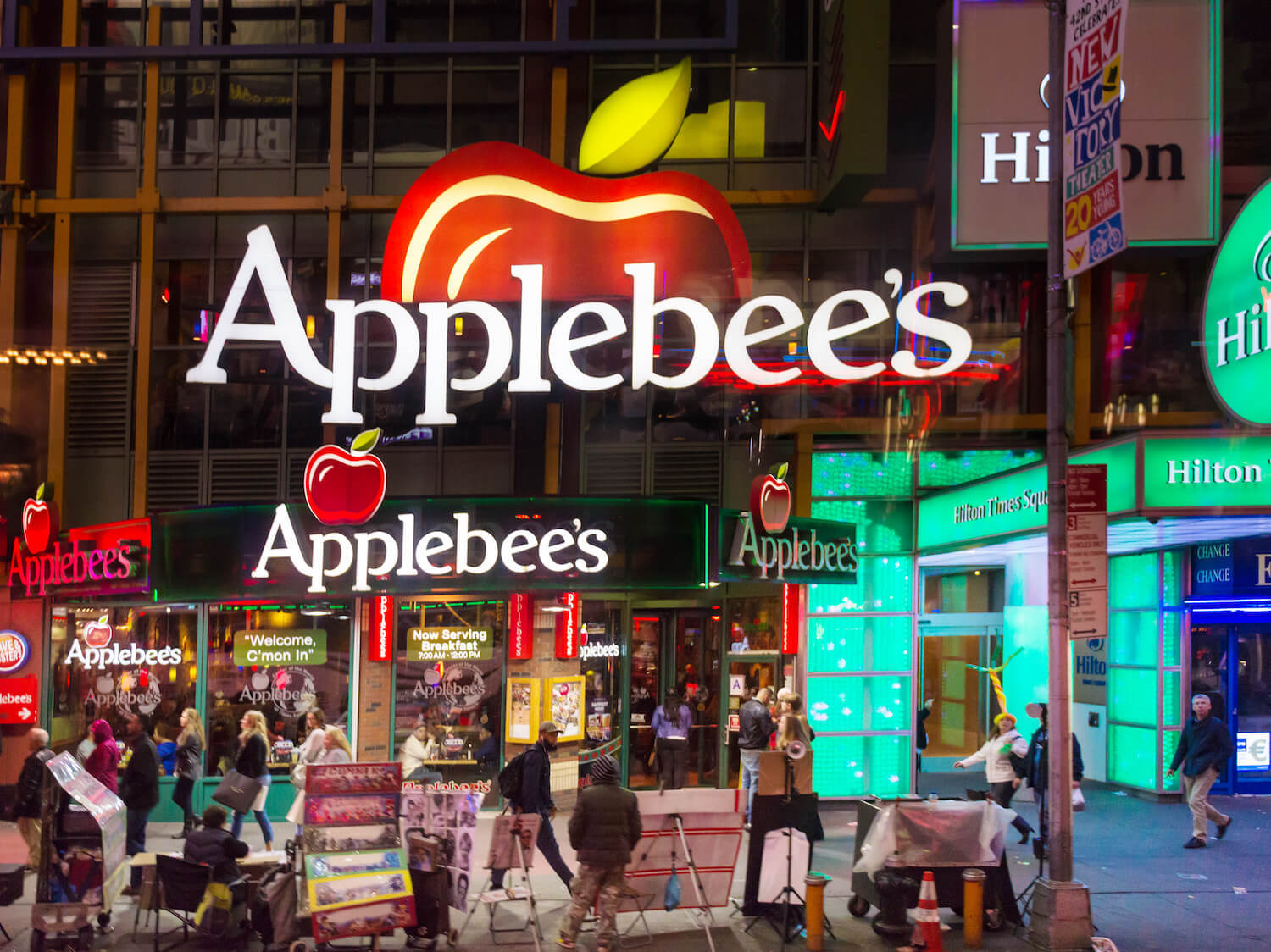
As the footprint of corporate restaurant groups continues to expand into urban centers—exemplified by national chains establishing flagship locations in historically diverse dining markets like New York City—policymakers and urban planners are increasingly examining the implications for local economies.
Parallels are frequently drawn between the restaurant sector and the retail industry, where e-commerce giants and big-box retailers previously displaced independent storefronts on traditional Main Streets. To counteract this trend, urban planning advocates suggest that municipalities implement targeted legislative measures. Potential interventions include zoning laws designed to limit the concentration of national franchises in specific commercial districts, as well as tax incentives and grant programs aimed at supporting independent culinary entrepreneurs.
Without coordinated community-level efforts to preserve local dining options, the American commercial landscape faces the prospect of further homogenization, trading regional culinary diversity for corporate predictability.