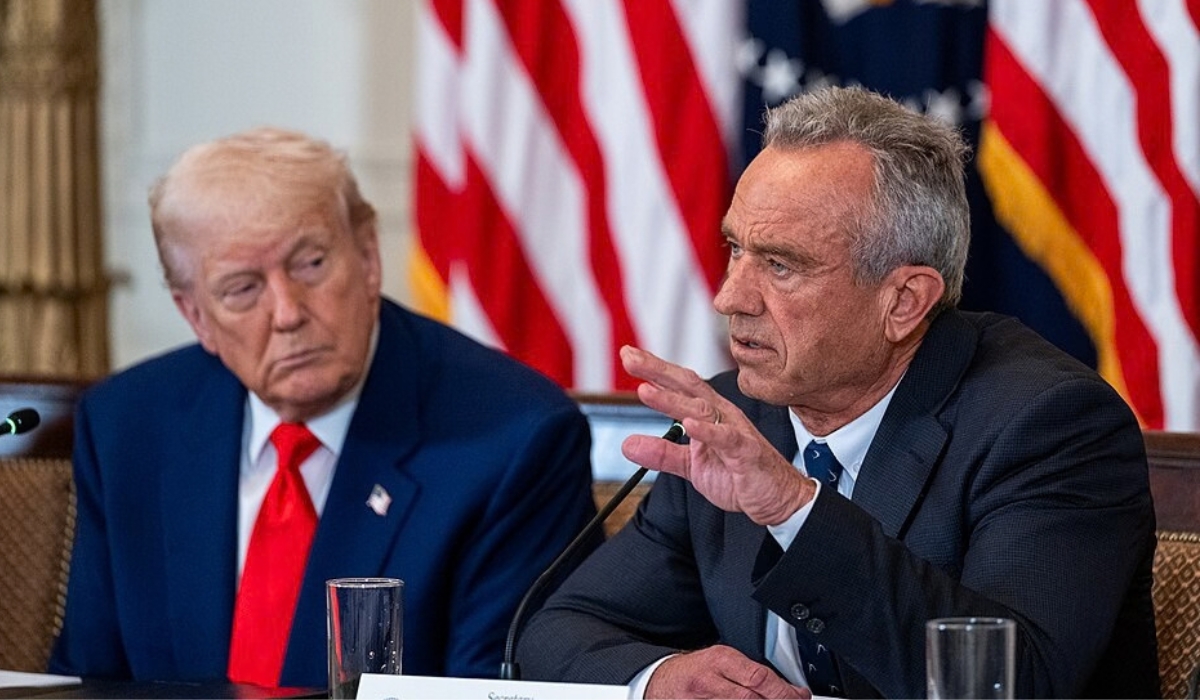
The American political landscape witnessed an unprecedented convergence of public health concerns and nationalist industrial policy during the 2024 presidential cycle. What began as a fringe movement centered on the elimination of environmental toxins and the restructuring of the national diet quickly morphed into a cornerstone of the Trump administration’s governing philosophy. Central to this evolution was Robert F. Kennedy Jr.’s "Make America Healthy Again" (MAHA) movement, which sought to address the nation’s cardiovascular crisis by targeting ultra-processed foods and chemical-heavy agricultural practices.
However, as the administration reached its midpoint, the intersection of MAHA’s health-centric goals and the broader "Make America Great Again" (MAGA) agenda—characterized by economic protectionism and national security—has produced a complex, often contradictory, regulatory environment. While MAHA advocates initially expected a wholesale reform of the food system, the reality has been defined by a prioritization of industrial output and domestic supply chain security over the ecological and health-based reforms promised during the campaign.
The Chronology of a Shift
The trajectory of this movement can be traced back to the early days of the 2024 campaign, when Kennedy’s critique of agricultural chemicals gained significant traction among voters concerned with chronic health conditions. Following Kennedy’s suspension of his independent bid and subsequent endorsement of Donald Trump in August 2024, the MAHA agenda became an integrated, albeit secondary, component of the executive branch’s priorities.
By early 2026, the shift in focus became apparent. In February 2026, the administration moved to solidify domestic industrial agriculture, invoking the Defense Production Act to categorize glyphosate production as a matter of national security. This maneuver effectively insulated the massive agrochemical sector from the regulatory pressure that many MAHA supporters had anticipated. Shortly thereafter, the Environmental Protection Agency (EPA) reversed a 2024 federal court ruling that had restricted the use of dicamba, a volatile herbicide known for damaging non-target vegetation. By mid-2026, the administration had clearly signaled that the preservation of existing industrial farming models was to be the defining policy stance, regardless of the earlier rhetoric surrounding toxic reduction.
The Dicamba Conflict: Regulatory Reversal
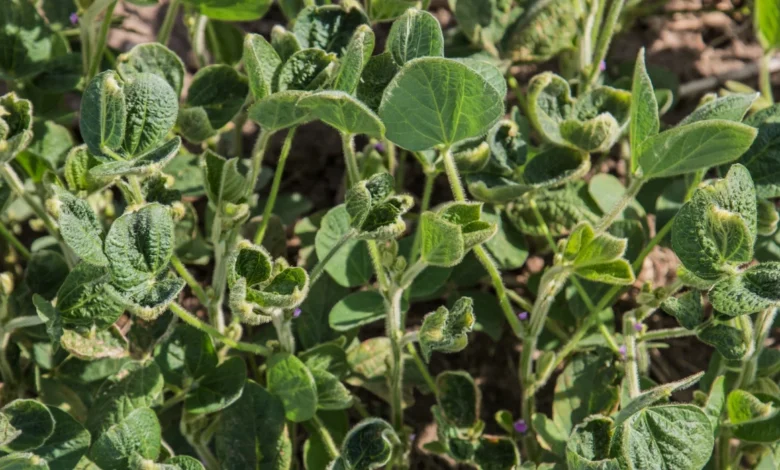
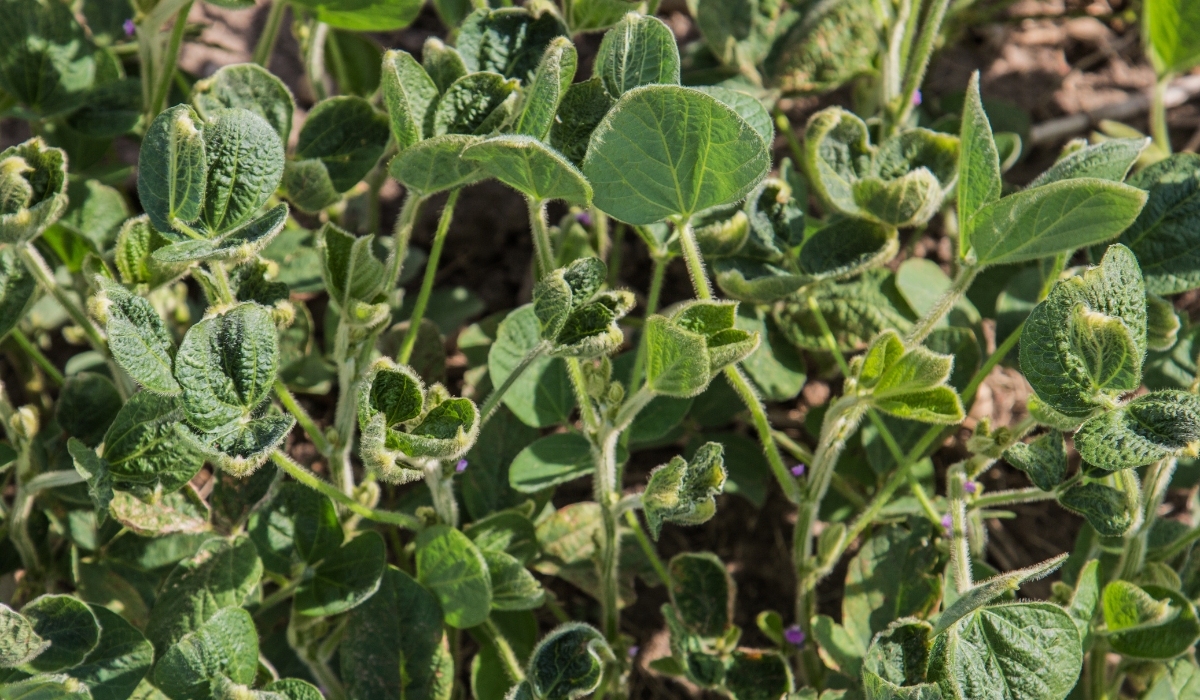
The saga of dicamba serves as a primary case study in the tension between environmental oversight and industrial efficiency. In 2024, a federal court halted the registration of the herbicide, citing the EPA’s failure to adequately account for the risks of "pesticide drift." Dicamba’s volatility allows it to travel far beyond the fields where it is applied, often decimating surrounding crops and sensitive ecosystems.
The legal victory for environmental groups, such as the Center for Food Safety, was short-lived. In 2026, the EPA issued new registrations for dicamba-tolerant cotton and soybean crops. The administration justified this reversal by implementing "tighter safeguards," including lower application rates and strict buffer zone requirements. However, industry critics and environmental advocates have condemned these measures as insufficient. The continued reliance on dicamba is viewed by experts as a symptom of a locked-in agricultural system that prioritizes chemical-resistant, genetically modified seeds over ecological diversity.
Glyphosate and the National Security Nexus
The decision to invoke the Defense Production Act regarding glyphosate represents a strategic shift in how the US government views agricultural inputs. Glyphosate, the foundational herbicide of modern industrial agriculture, has long been a subject of intense scientific and legal debate regarding its health implications.
Under the current administration, however, the discourse has pivoted away from health concerns toward supply chain vulnerability. Because the United States remains heavily dependent on imports for the chemical precursors necessary to manufacture glyphosate—specifically from Chinese suppliers—the administration identified the chemical as a strategic asset. By framing the herbicide as a necessity for maintaining stable food production, the White House successfully bypassed domestic opposition. This policy effectively weaponized the MAGA narrative of "national resilience" to protect an established chemical-intensive model of farming.
Supporting Data: The Fragility of Monoculture
The reliance on herbicides like glyphosate and dicamba is intrinsically linked to the prevalence of monoculture farming, where vast tracts of land are dedicated to a single crop. According to data from the US Geological Survey, the introduction of genetically modified, herbicide-resistant crops has led to a significant increase in the volume of pesticides applied to American fields.
This model, while highly productive in the short term, creates systemic fragility. Monocultures lack the biodiversity necessary to act as a natural buffer against pests and disease, creating a "pesticide treadmill" where each year requires higher inputs to maintain yields. Furthermore, in an era of climate volatility, this dependence becomes a liability. Increased frequency of extreme weather events, such as the predicted supercharged El Niño cycles, threatens to disrupt the delicate chemical balance upon which industrial agriculture relies. Relying on an external, finite, and environmentally harmful supply of chemicals to secure food production is, according to many agricultural economists, a strategy that lacks long-term viability.
Official Responses and Public Sentiment
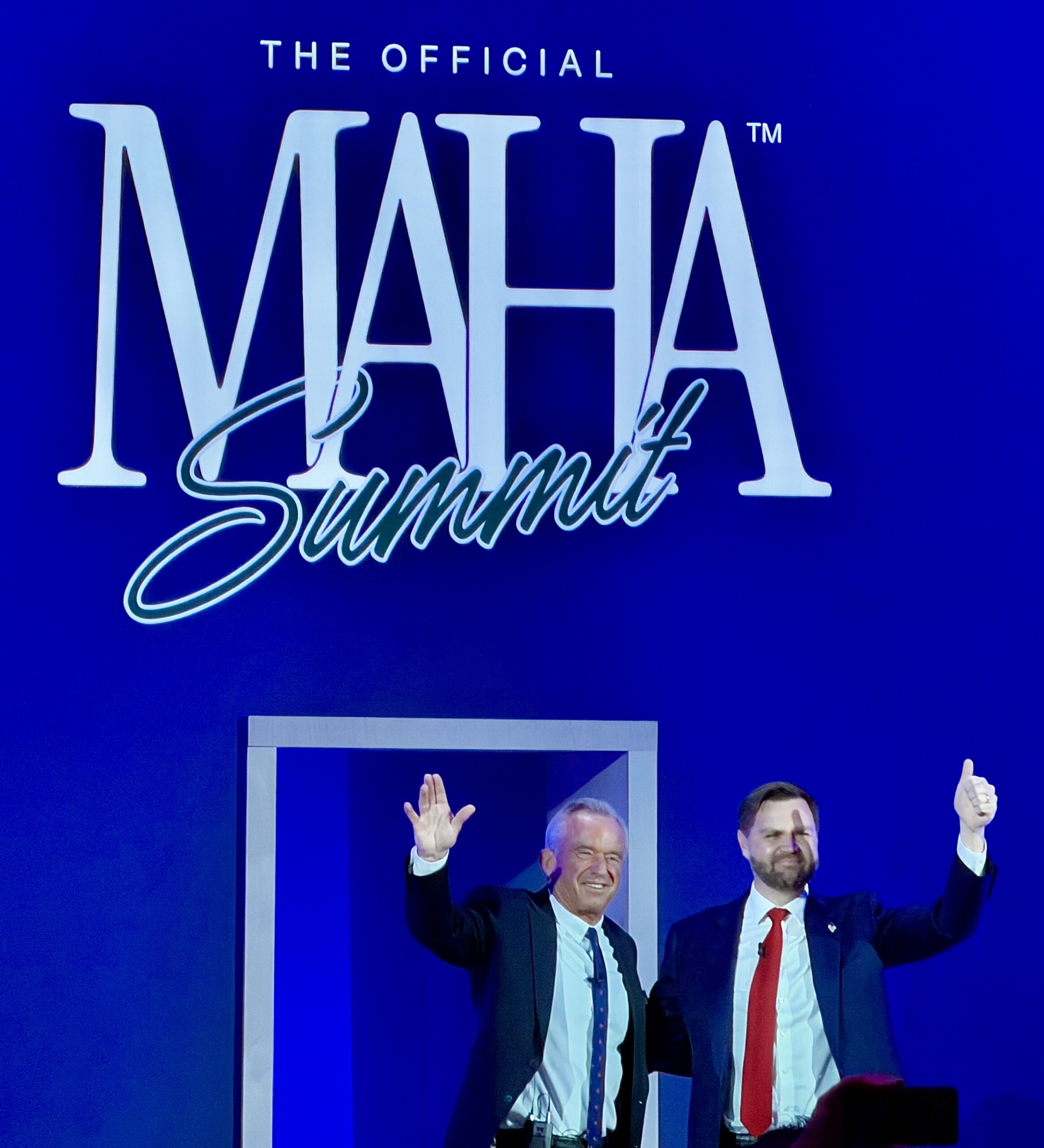
The reaction from the original MAHA constituency has been one of mounting disillusionment. Supporters who expected a fundamental "cleansing" of the American food supply chain have found that their influence is largely confined to rhetoric, while administrative action remains beholden to established agricultural interests.
The administration maintains that its policies represent a pragmatic approach to food security. By ensuring that domestic farmers have access to the inputs they believe are necessary for competition, the government argues it is protecting the American farmer from international price volatility and supply chain shocks. Yet, critics argue that this represents a betrayal of the movement’s foundational principles. The disconnect between the campaign promise of a "healthy America" and the reality of a "protected chemical industry" has created a widening rift within the administration’s own coalition.
Broader Implications: The Future of Food Policy
The shift in agricultural policy has implications that extend far beyond the United States. As the UK and other nations monitor the US experience, the framing of agricultural chemicals as "essential infrastructure" is gaining traction in international policy circles. This trend risks entrenching a system that favors short-term output at the expense of long-term soil health and public well-being.
True food security, according to experts in sustainable agriculture, cannot be achieved through the fortification of chemical supply chains. Instead, it requires a transition toward regenerative practices that build resilience from the ground up. This involves crop rotation, integrated pest management, and the preservation of soil microbial health—practices that reduce the need for external chemical inputs rather than increasing their production.
As the current administration looks toward the remainder of its term, the fundamental question remains: can the US reconcile the goals of national economic strength with the urgent need for a healthier food system? If the first half of the term is any indicator, the answer is that industrial inertia remains the most powerful force in Washington. The path to a healthier nation, it seems, remains obstructed by the very systems that the current political discourse claims to be reforming.
Conclusion: A Paradigm Shift Delayed
The promise of a new era for US health has, to date, been tempered by the realities of political administration and the dominance of the existing agricultural-industrial complex. The decision to prioritize domestic herbicide production as a matter of national security highlights a fundamental divergence between the goals of the MAHA movement and the practical mandates of the MAGA administration.
For future generations, the resilience of the American food system will depend not on the quantity of chemicals available to farmers, but on the restoration of the ecological foundations that support food production. Whether the administration will pivot toward these more sustainable solutions or continue to rely on the current, input-dependent model remains the defining challenge of this era of food policy. As climate and ecological pressures mount, the necessity for a shift in perspective—from a chemical-centric security model to a biology-centric resilience model—becomes increasingly critical for both the health of the citizenry and the stability of the planet.