The Ultimate Seasonal Comfort: Why This Classic Apple Crisp Recipe Has Endured as a Fall Staple for Years

As the autumn season transitions into cooler weather and agricultural harvests reach their peak, home cooks and culinary enthusiasts alike turn their attention toward traditional baked desserts that utilize seasonal produce. Among the vast array of autumn confections, the apple crisp has long maintained a prominent position due to its rustic preparation methods, accessible ingredients, and deep association with seasonal comfort. Culinary traditions surrounding baked apple dishes have deep historical roots in Anglo-American baking, evolving from early colonial puddings and pan-baked fruit compotes into the modern iterations defined by a tender fruit base and a structural, buttery oat-and-brown-sugar crumble.
Historical Evolution and Culinary Mechanics
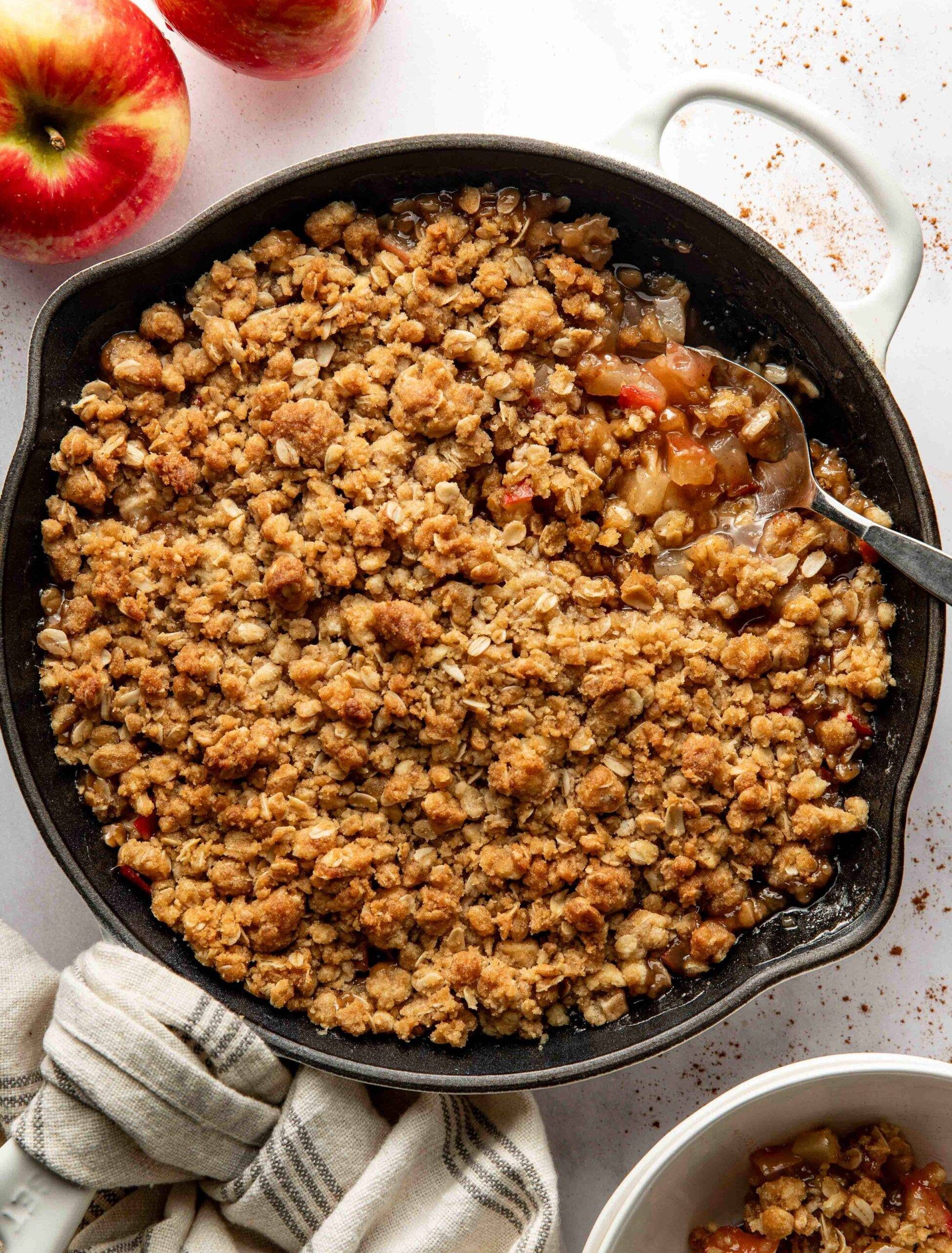
The fundamental appeal of an apple crisp lies in its textural dichotomy: a bubbling, jammy foundation of spiced fruit contrasted by a dry, crisp, and robust streusel topping. Food historians note that the crisp—alongside its close relative, the crumble—gained significant popularity during periods of wartime rationing, particularly in twentieth-century Britain, where traditional pastry fats and refined flours were scarce. The oat-based topping required far less butter and flour than a traditional pie crust, making it an efficient and economically viable alternative.
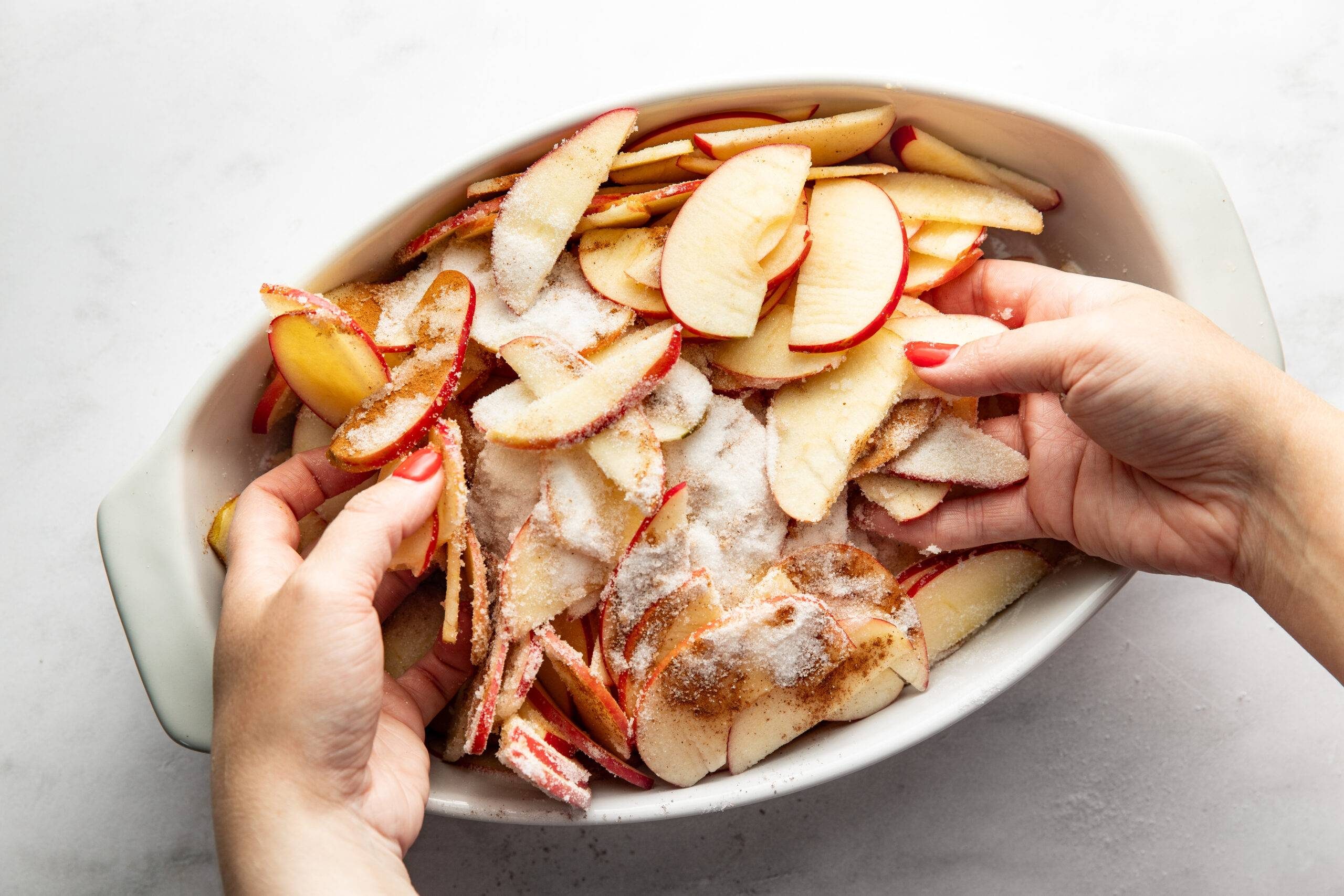
Over the decades, home bakers and professional pastry chefs have refined the formula, experimenting with various apple cultivars to achieve the ideal balance of tartness, structure, and moisture. Varieties such as Honeycrisp, Granny Smith, and Braeburn are frequently utilized for their ability to hold their shape under prolonged heat without dissolving completely into mush. When combined with granulated sugar, ground cinnamon, and a small amount of flour or cornstarch, the natural pectin and juices of the fruit release during the baking process, thickening into a glossy, caramelized syrup.
Anatomy of a Traditional Recipe

Achieving the optimal texture in a classic apple crisp requires careful attention to preparation and layering techniques. Culinary experts emphasize that the fruit layer must be uniformly sliced or diced to ensure even heat distribution. While peeling apples remains a standard practice in formal pastry arts, many modern home cooks bypass this step to preserve dietary fiber and streamline preparation, relying on the baking process to soften the fruit skins until they blend seamlessly into the jammy interior.
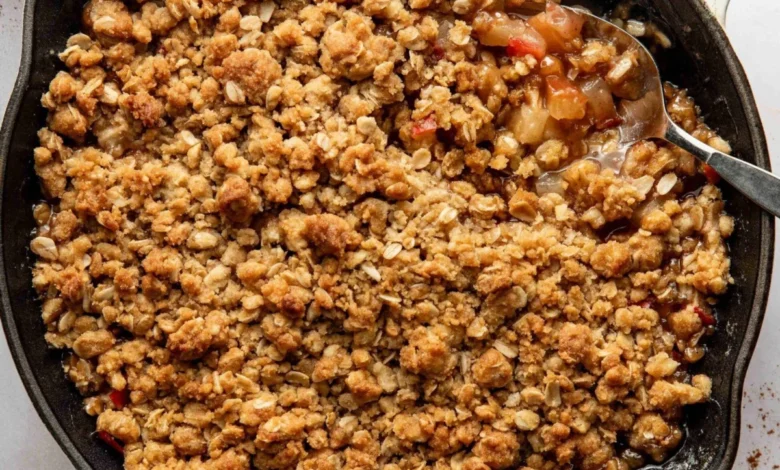
The topping—traditionally composed of rolled oats, all-purpose flour, brown sugar, cold butter, and a pinch of salt—relies on mechanical binding. By incorporating cold fat into the dry ingredients using a fork, pastry cutter, or manual pressure, the mixture forms cohesive clusters that bake into a golden-brown crust. Baking the dessert in heavy-bottomed cookware, such as a seasoned cast-iron skillet, further enhances the final product by conducting heat evenly and promoting a crispier edge along the perimeter of the pan.
Chronology of Autumn Baking Traditions
The resurgence of seasonal baking typically aligns with the meteorological transition from late September through November, coinciding with the peak harvest window for regional orchards.
- Late September: Orchards initiate the primary harvest of mid-season apple varieties, prompting a surge in consumer demand for fresh baking fruit and related seasonal recipes.
- October: Home baking reaches its annual peak, driven by cooler ambient temperatures, social gatherings, and holiday planning. Culinary platforms experience a measurable increase in web traffic directed toward traditional dessert categories, particularly apple crisps, pies, and crumbles.
- November: The focus shifts toward communal holiday dining, where baked fruit desserts frequently serve as a preferred, less labor-intensive alternative to traditional double-crust pies.
Nutritional Profile and Dietary Adaptations
From a nutritional perspective, fruit-based crisps offer a distinct profile compared to cream- or chocolate-based pastries. Apples provide significant quantities of dietary fiber, vitamin C, and various antioxidants, particularly within the skin. Oats contribute soluble fiber in the form of beta-glucan, which has been studied for its potential cardiovascular benefits.

In response to dietary shifts and modern nutritional requirements, contemporary adaptations of the classic apple crisp have emerged across the culinary landscape. Home cooks frequently substitute standard all-purpose flour with gluten-free alternatives, incorporate plant-based butter substitutes to accommodate dairy-free diets, or reduce refined sugars by utilizing natural sweeteners such as maple syrup or coconut sugar. Despite these modifications, the structural integrity of the dessert—the contrast between soft fruit and a crunchy topping—remains consistent.
Economic and Cultural Implications of Seasonal Comfort Foods
The enduring popularity of comfort foods during the autumn months extends beyond mere gastronomy; psychologists and sociologists often highlight the emotional and cultural resonance associated with traditional baking. The sensory experience of warm spices—specifically cinnamon, nutmeg, and cloves—combined with the aromatic profile of baking fruit, triggers nostalgia and a sense of psychological security during periods of seasonal transition and declining daylight hours.
Furthermore, the economic impact of the autumn apple harvest is substantial for agricultural economies in regions such as the Pacific Northwest, the Northeast, and the Midwest. Pick-your-own orchards, local farm stands, and regional cider mills rely heavily on consumer engagement during the fall months. Traditional recipes that utilize fresh, locally sourced apples act as a direct conduit between agricultural producers and domestic consumers, reinforcing local food economies and preserving culinary heritage across generations.
As modern culinary trends continue to evolve, the classic apple crisp remains a testament to simplicity in the kitchen. By relying on fundamental techniques, minimal equipment, and seasonal ingredients, this enduring dessert bridges the gap between historical resourcefulness and contemporary comfort.