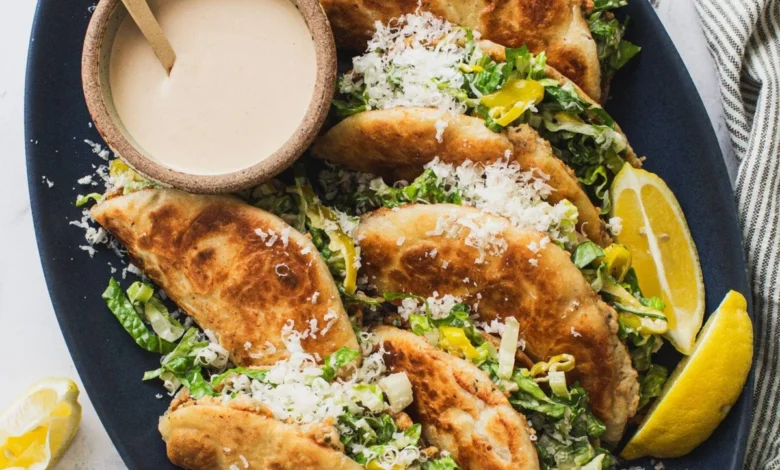
The culinary landscape of 2024 has been increasingly defined by the "smash" technique, a method of preparation that prioritizes surface area caramelization and structural integrity in handheld foods. Originally popularized by the "smash burger" movement, this technique has undergone a significant transformation, migrating from beef patties to tortillas, and most recently, into the realm of poultry-based fusion. The emergence of the Chicken Caesar Smash Taco represents a strategic intersection between the traditional Mexican taco format and the classic Italian-American Caesar salad, offering a logistical solution for consumers seeking high-texture, time-efficient meal options. This specific iteration, characterized by seasoned ground chicken pressed directly into a flour or corn tortilla and seared until crispy, serves as a primary example of how social media-driven culinary trends are reshaping home kitchen workflows and flavor profiles.
The Genesis and Evolution of the Smash Taco Phenomenon
To understand the rise of the Chicken Caesar Smash Taco, one must first examine the trajectory of the "viral" taco. In late 2022 and throughout 2023, the global food community witnessed the explosion of the "Big Mac Taco," a dish that utilized the smash burger technique to fuse fast-food flavors with a tortilla base. According to digital engagement metrics from major social media platforms, content featuring "smashed" handhelds saw a 45% increase in year-over-year viewership. This trend signaled a shift in consumer preference toward "shatter-crisp" textures and integrated flavor profiles where the protein and the vessel are cooked as a single unit.
The transition from beef to chicken in this format is largely attributed to the increasing cost of red meat and a growing consumer interest in leaner protein alternatives. Ground chicken, which traditionally lacks the fat content required for a standard burger to remain moist, finds a functional home in the smash taco format. Because the meat is pressed thin against a hot surface and protected by a tortilla on the opposite side, it achieves a Maillard reaction—a chemical reaction between amino acids and reducing sugars that gives browned food its distinctive flavor—without the risk of drying out.
Technical Execution and the Maillard Reaction
The preparation of the Chicken Caesar Smash Taco relies on a specific sequence of culinary physics. The process begins with a small portion of seasoned ground chicken being placed directly onto a cold or ambient-temperature tortilla. When this assembly is placed meat-side down onto a high-heat cast iron or stainless steel surface, the immediate application of pressure (the "smash") ensures maximum contact.
From a scientific perspective, this pressure facilitates the rapid evaporation of surface moisture, allowing the temperature to rise above 285°F (140°C), the threshold for the Maillard reaction. In traditional taco preparation, the meat is browned in a pan and then added to a shell; however, the smash method allows the rendered fats from the chicken to season the tortilla simultaneously, creating a unified, golden-brown exterior that "shatters" upon consumption. This structural rigidity is essential for supporting the heavy, moisture-laden toppings associated with a Caesar salad.
The Caesar Integration: A Study in Contrast
The inclusion of Caesar salad as a taco filling is a deliberate exercise in temperature and texture contrast. Culinary analysts note that the "hot-cold" dynamic—where a searingly hot, savory protein is topped with a chilled, acidic, and crunchy vegetable component—is a hallmark of successful fusion dishes.
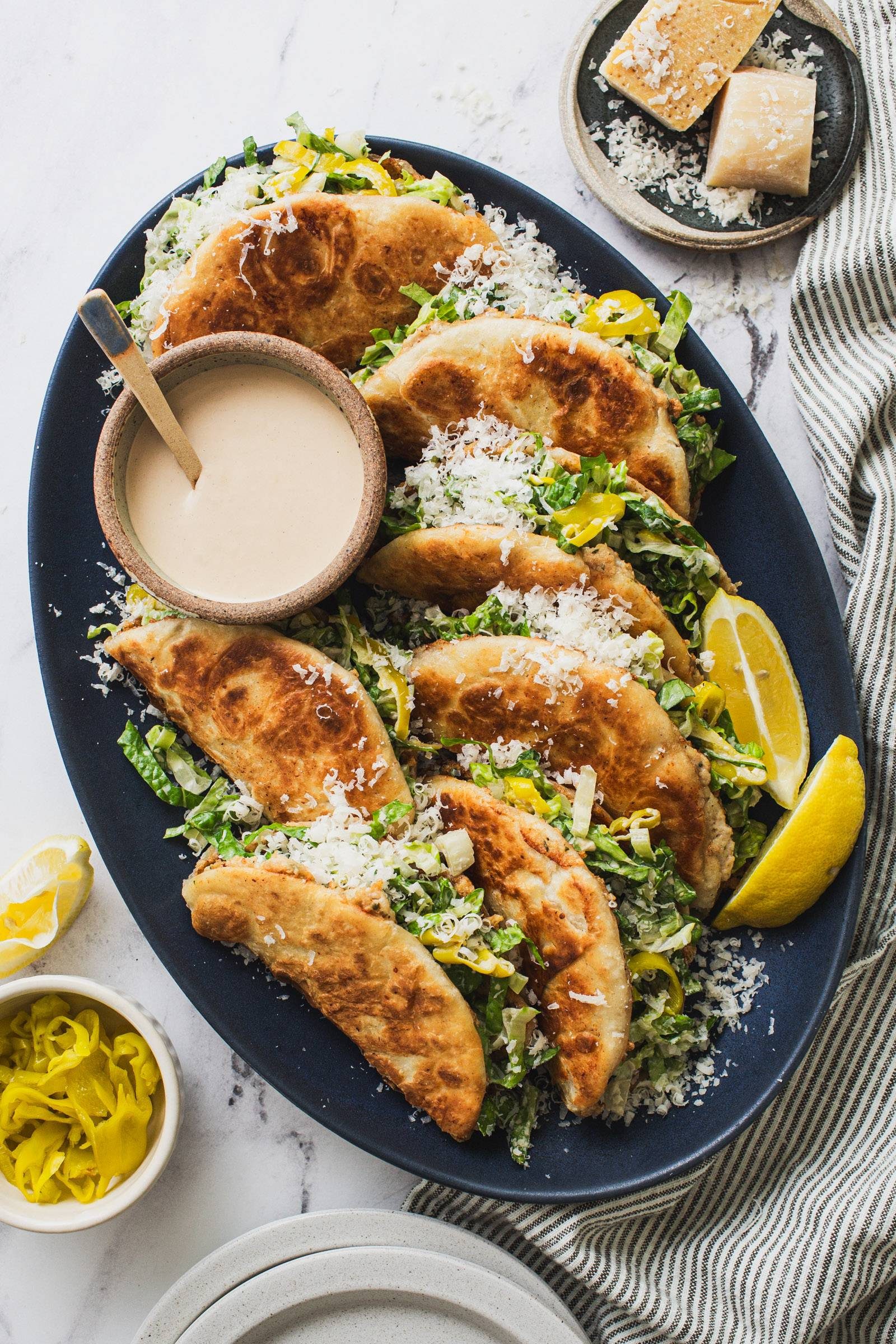
The standard components of this iteration include:
- The Protein Base: Ground chicken seasoned with garlic, onion powder, and black pepper to mimic the savory profile of grilled chicken typically found in salads.
- The Salad Component: Finely shredded Romaine lettuce, which provides the necessary structural "crunch."
- The Acidic Element: Sliced pepperoncini or pickled peppers, which cut through the richness of the Caesar dressing.
- The Emulsion: A classic Caesar sauce, often enriched with parmesan and anchovy paste, used both as a topping and a dipping medium.
By deconstructing the Caesar salad and reassembling it within a crispy taco shell, the dish addresses the primary criticism of traditional salad wraps: the tendency for the tortilla to become soggy. The "smash" technique creates a moisture barrier through the seared meat, preserving the integrity of the handheld throughout the meal.
Market Trends and Consumer Behavior
The popularity of recipes like the Chicken Caesar Smash Taco reflects broader shifts in the global food market. Data from the 2023 Home Cooking Report indicates that 62% of home cooks prioritize "efficiency" and "minimal cleanup" when selecting weekday recipes. The smash taco format requires only a single pan and minimal prep time, aligning with the "one-pan meal" movement that has dominated recipe search engines for the past three years.
Furthermore, the poultry industry has seen a 12% rise in ground chicken sales, as consumers look for versatile ways to utilize this protein. The Chicken Caesar Smash Taco provides a "restaurant-style" experience at home, a factor that has become increasingly important as the cost of dining out continues to rise due to inflation. Industry experts suggest that the "handheld" nature of the dish also appeals to the "snackification" of dinner, where traditional seated meals are replaced by more casual, easily portable options.
Historical and Cultural Context
While the smash taco is a modern invention, its roots are deeply embedded in the history of both the Caesar salad and the taco. The Caesar salad was famously created in 1924 by Caesar Cardini, an Italian immigrant who operated restaurants in Mexico and the United States. Its origin in Tijuana, Mexico, makes its reintegration into a taco format a poetic return to its geographical roots.

The taco itself has undergone centuries of evolution, from its origins as a staple for silver miners in Mexico to its global status as a customizable culinary canvas. The "fusion" taco—combining Mexican formats with non-traditional flavors—became a mainstay of the American culinary scene in the late 20th century. The Chicken Caesar Smash Taco is the latest iteration of this lineage, proving that the taco’s greatest strength is its adaptability to current technological and social trends.
Broader Implications for the Food Industry
The success of these "viral" hybrid recipes has significant implications for the fast-casual restaurant sector. Establishments like Chipotle and Taco Bell have frequently monitored social media trends to inform their limited-time offerings (LTOs). The "smash" technique, while difficult to execute at a massive industrial scale, is being explored by boutique chains looking to offer a more artisanal, "crispy" product.
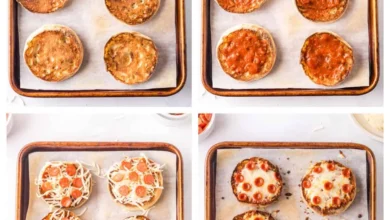
Additionally, the rise of the smash taco highlights the power of "formulaic cooking." Once a consumer learns the "smash" method, they can apply it to various flavor profiles—such as the "pizza burger" or "black bean crispy" mentioned in contemporary culinary blogs. This empowers the home cook to experiment with diverse cuisines using a single, reliable technique, effectively lowering the barrier to entry for complex flavor experimentation.
Conclusion and Future Outlook
The Chicken Caesar Smash Taco is more than a fleeting internet trend; it is a manifestation of the modern demand for sensory-rich, efficient, and cost-effective dining. By combining the high-heat chemistry of the smash technique with the universal appeal of the Caesar salad, the dish provides a blueprint for future culinary hybrids.
As we look toward the remainder of the decade, it is likely that the "smash" method will continue to expand into other protein categories, including plant-based meats and seafood. The integration of global salad profiles into these crispy handheld vessels suggests a future where "salad" is no longer confined to a bowl, but is instead a vital component of a multifaceted, tactile eating experience. For the home cook and the professional chef alike, the Chicken Caesar Smash Taco serves as a reminder that innovation often lies in the simple act of pressing two familiar favorites together to create something entirely new.