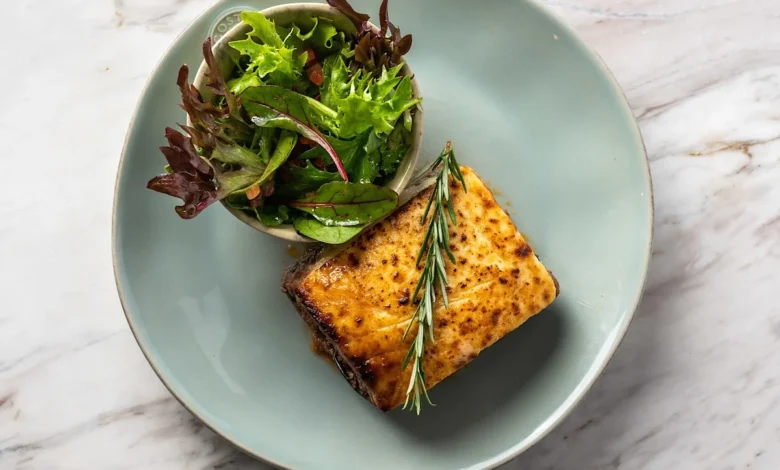
The culinary landscape of the Mediterranean has long captivated international food enthusiasts, with Greek cuisine holding a particularly esteemed place in global gastronomy. Among its most iconic dishes is moussaka, a layered casserole traditionally combining roasted or fried eggplant, minced meat, and a rich béchamel sauce. However, traditional preparation methods often present culinary challenges, notably the extensive use of oil through deep-frying vegetables and the structural collapse of the dish upon slicing. In response to these perennial kitchen hurdles, Executive Chef Djordjo Cetkovic has introduced a refined approach to this classic comfort food, substituting traditional deep-frying with oven-roasting to yield a lighter, structurally sounder iteration of the dish.
Culinary Background and the Evolution of Moussaka
Moussaka’s origins are deeply intertwined with the culinary histories of the Eastern Mediterranean and the Middle East, though the version recognized globally today was definitively shaped in Greece during the early 20th century. Greek culinary master Nikolaos Tselementes is widely credited with modernizing the dish in the 1920s by incorporating French-influenced béchamel sauce, a modification that permanently elevated moussaka from a humble regional stew into a formal component of Greek haute cuisine.
Despite its enduring popularity, home cooks and professional chefs alike have frequently wrestled with the execution of traditional moussaka. The classic method of submerging thick slices of eggplant and potatoes in boiling oil not only demands significant active monitoring and cleanup but also saturates the produce, leading to a heavy mouthfeel and a tendency for the layers to slide apart when portioned.
Chef Djordjo Cetkovic’s revised technique addresses these historical pain points directly. By transitioning from the stovetop fryer to dry-heat oven roasting, the moisture within the eggplant and potatoes is gently evaporated without the introduction of excess lipids. This method concentrates the natural flavors of the vegetables while establishing a firm architectural foundation for the casserole, ensuring that each portion retains its structural integrity upon serving.
Meet Chef Djordjo Cetkovic
The architect behind this refined recipe brings a wealth of international experience to the kitchen. Chef Djordjo Cetkovic, an accomplished culinary professional with more than twenty years of service in professional kitchens across Europe and Asia, currently leads the culinary operations as Executive Chef at Pano Kato Grill, Pizza & Deli in Singapore.
Specializing in Greek and broader Mediterranean gastronomy, Chef Cetkovic spent formative years cooking in Greece, immersing himself in regional techniques, flavor profiles, and ingredient pairings. Beyond his operational leadership in Southeast Asia, Cetkovic serves as an ambassador for the Culinary Federation of Serbia and has documented his expertise as the author of The Grand Heritage Cookbook. His professional philosophy centers on respecting traditional flavor combinations—such as the nuanced addition of warm cinnamon to a slow-simmered beef and tomato ragù—while applying contemporary kitchen efficiencies that appeal to modern dietary preferences and operational demands.
Culinary Methodology and Preparation Timeline
Crafting Chef Cetkovic’s roasted moussaka requires an intentional division of labor, balancing active preparation with passive cooking phases. The complete timeline spans approximately one hour and thirty minutes, divided evenly between preparation and thermal processing.
The preparatory phase, lasting roughly 45 minutes, begins with the slicing and seasoning of the eggplants and potatoes. Rather than soaking the vegetables in salt water to draw out bitterness—a step often debated among Mediterranean chefs—the modern technique emphasizes a light application of olive oil and seasoning before arranging the produce in a single layer on baking sheets. While the vegetables roast in the oven to achieve a tender yet firm texture, the kitchen shifts focus to the meat component.
The ragù is constructed using ground beef simmered slowly with crushed tomatoes, garlic, onions, and select aromatics, anchored by a traditional pinch of cinnamon that provides the dish’s characteristic warmth and aromatic complexity. Concurrently, a classic béchamel sauce is whipped on the stovetop, starting with a traditional roux of butter and flour, whisked continuously with milk, and finished off heat with seasonings.
The assembly process requires systematic layering in a deep baking dish: a foundational tier of roasted potatoes, followed by the roasted eggplant, the rich beef and tomato sauce, and finally, a generous crowning blanket of the creamy béchamel.
Baking and the Critical Resting Period
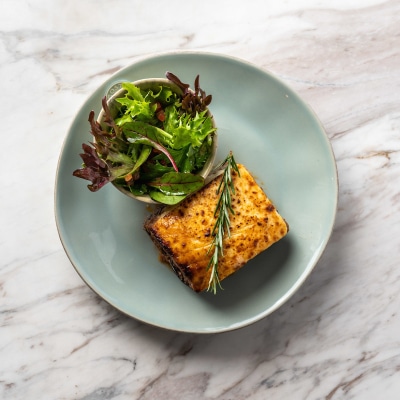
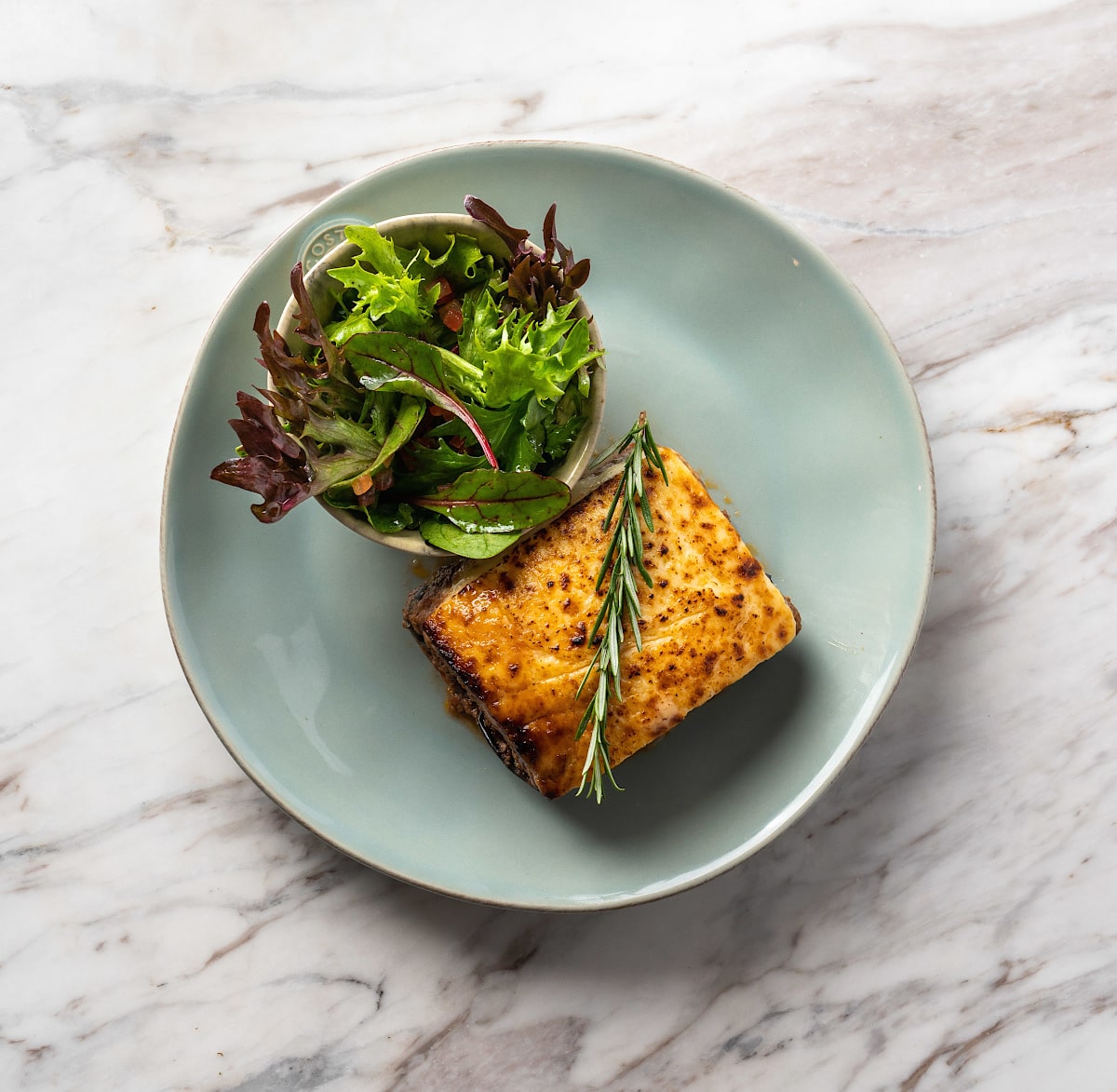
Once assembled, the casserole is placed into a preheated oven for approximately 45 minutes, or until the béchamel develops a deep, golden-brown crust punctuated by bubbling edges. However, culinary experts emphasize that the cooking process does not conclude when the dish is removed from the heat source.

A critical element of Chef Cetkovic’s protocol is the mandatory resting period of at least 25 minutes prior to slicing and serving. Freshly baked moussaka is naturally fluid due to the residual heat within the dairy-based topping and the moisture retained in the meat sauce. Allowing the casserole to rest at ambient temperature permits the internal starches and fats to cool and stabilize. This rest is essential for achieving the desired presentation standards of high-end dining: generating generous, clean-cut portions with distinct, visible layers of potato, eggplant, meat, and béchamel.
Nutritional and Dietary Implications
The shift from deep-frying to oven-roasting vegetables carries notable nutritional implications for consumers of Mediterranean cuisine. While Mediterranean diets are globally celebrated for their health benefits—primarily through the incorporation of fresh produce, lean proteins, and unsaturated fats—heavy traditional preparations can sometimes introduce counterproductive levels of saturated or trans fats via prolonged frying.
By eliminating the initial frying stage, this recipe significantly reduces the overall oil absorption capacity of both eggplant and potatoes. Eggplant, in particular, acts as a sponge when exposed to boiling oil; dry-heat roasting bypasses this excessive oil uptake while retaining the vegetable’s dietary fiber, potassium, and antioxidant properties. The resulting dish maintains the hearty, comforting profile expected of a winter casserole while aligning more closely with contemporary dietary guidelines focused on moderation and balanced caloric intake.
Broader Impact on Modern Mediterranean Cuisine
Chef Cetkovic’s recipe reflects a broader trend within contemporary international kitchens: the thoughtful reinterpretation of heritage recipes for modern audiences. As global diners increasingly seek authenticity paired with digestively lighter options, chefs situated at the intersection of different culinary traditions—such as Cetkovic’s synthesis of Balkan roots and Mediterranean professional training—are uniquely positioned to innovate.
By retaining fundamental flavor profiles, such as the aromatic spice blend of the meat sauce and the velvety texture of the béchamel, while optimizing structural and technical elements in the preparation phase, culinary professionals ensure that classic dishes remain relevant across generations and geographical borders. The acceptance and popularity of such refined preparations in diverse culinary hubs like Singapore demonstrate the universal appeal of Mediterranean comfort food when executed with technical precision and contemporary awareness.