Serbian Stuffed Peppers with Mushrooms and Rice Bring Monastic Tradition to the Global Table

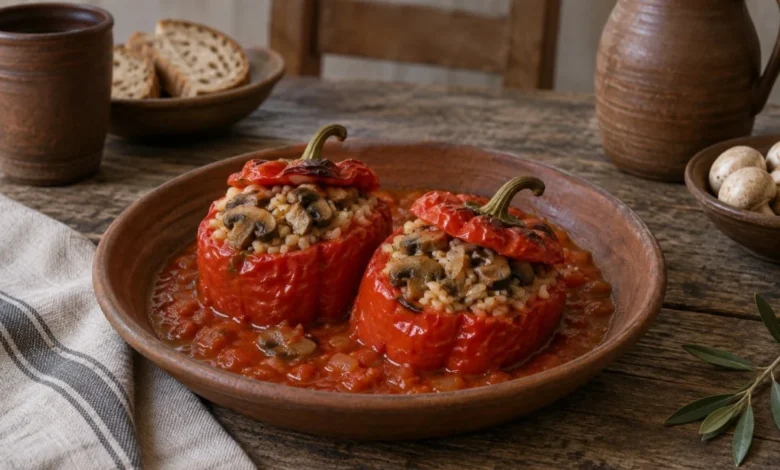
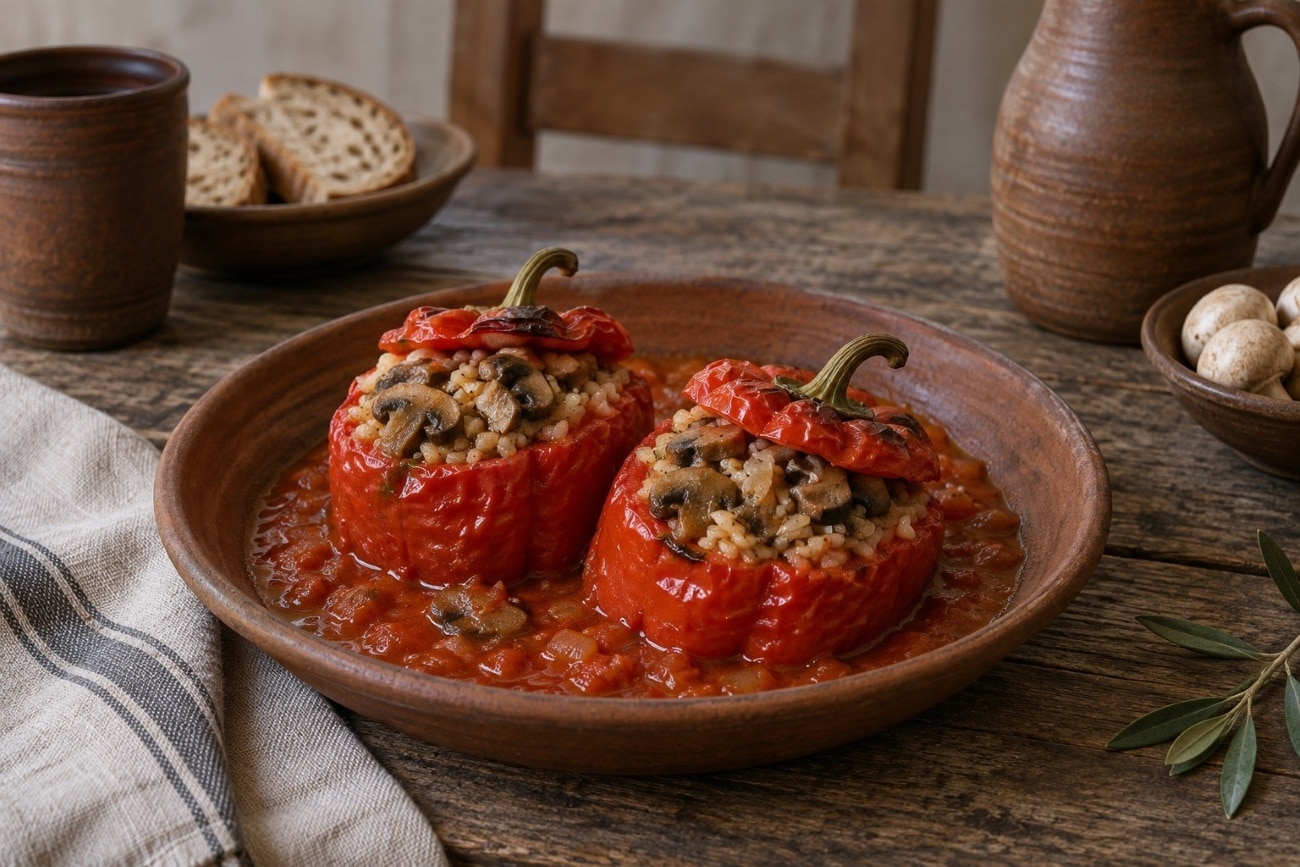
Culinary traditions across the Balkans and Central Europe have long celebrated stuffed vegetables as a cornerstone of comfort food, with meat-filled varieties typically dominating menus. However, a profound and flavorful shift toward plant-based heritage is gaining international prominence, spearheaded by renowned Serbian Chef Djordjo Cetkovic. Bringing centuries-old monastic dietary practices out of the Balkan hills and into modern international gastronomy, Chef Cetkovic has introduced a traditional Serbian recipe for sweet red bell peppers stuffed with rice, finely chopped mushrooms, and onions, gently simmered in a rich tomato sauce. This meatless masterpiece bridges ancient religious customs and contemporary global dining preferences, offering a satisfying, budget-friendly, and deeply aromatic dish that proves plant-based cooking can be both rich and complex.
The recipe draws profound inspiration from the culinary traditions of Hilandar, a revered Serbian Orthodox monastery situated on the monastic community of Mount Athos in Greece. For centuries, the kitchens of Mount Athos have cultivated a distinct style of cooking governed by the rhythms of the liturgical calendar and strict fasting rules. Explaining the philosophy behind the dish, Chef Cetkovic notes that his creation stems directly from his Hilandar-inspired Lenten table. Emphasizing the absence of meat, dairy, and eggs, the dish relies entirely on mushrooms, rice, and patience—a testament to the belief that the fasting table can be remarkably generous and fulfilling.
The Rise of Balkan Gastronomy on the International Stage
The journey of Serbian stuffed peppers—locally known as punjene paprike—from humble rural kitchens to high-end global dining reflects a broader culinary movement. Balkan cuisine, historically shaped by a confluence of Ottoman, Austro-Hungarian, and Mediterranean influences, has experienced a surge in international appreciation over the past decade. Chefs like Cetkovic, who currently serves as the Executive Chef at Pano Kato in Singapore, act as cultural ambassadors, bridging regional authenticity with cosmopolitan palates.
With over two decades of professional kitchen experience spanning Europe and Asia, Cetkovic has continually championed the preservation of Serbian gastronomic heritage. As an active representative of the Culinary Federation of Serbia in Asia and the author of The Grand Heritage Cookbook, his professional mission is deeply rooted in elevating traditional techniques. By adapting monastic recipes for contemporary global diners, he demonstrates that historical European comfort food holds immense relevance in modern culinary landscapes, which increasingly prioritize sustainability, plant-forward diets, and historical authenticity.
Understanding the Orthodox Fasting Tradition and Its Culinary Impact
To fully appreciate the significance of dishes like mushroom-stuffed peppers, one must examine the cultural and historical framework of Orthodox Christian fasting, known as post. Unlike modern trends of intermittent fasting or restrictive dieting driven by wellness culture, traditional Orthodox fasting is an ancient spiritual discipline practiced for approximately 180 to 200 days out of the year, including Wednesdays, Fridays, and four extended periods prior to major holy days, such as Great Lent and the Nativity Fast.
During these periods, adherents abstain from animal products, including meat, poultry, dairy, and eggs. On certain days, even fish, oil, and wine are restricted. Far from resulting in a monotonous or impoverished diet, these strict parameters historically forced monastic communities and lay populations to innovate, maximizing the flavor profiles of seasonal vegetables, wild mushrooms, grains, legumes, and aromatic herbs.
The resulting culinary corpus is exceptionally sophisticated. Without reliance on animal fats, butter, or heavy creams, cooks learned to build deep, savory foundations through the careful caramelization of onions, the slow reduction of garden-fresh tomatoes, and the utilization of umami-rich ingredients like wild forest mushrooms. In the case of stuffed peppers, the slow simmering process allows the sweet bell peppers to release their natural sugars, which meld with the savory rice and mushroom stuffing, creating a harmonious balance of flavors entirely native to the region’s agricultural landscape.
Culinary Anatomy: Ingredients, Technique, and Preparation Timeline
Preparing traditional Serbian mushroom-stuffed peppers is an exercise in patience and precision, requiring an estimated total time of nearly two hours from preparation to table. The breakdown of the cooking process highlights the deliberate steps required to achieve the ideal texture and flavor profile:
- Preparation Phase (30 Minutes): The process begins with the careful selection of firm, sweet red bell peppers. The tops are neatly removed, and the seeds and core are discarded to create a vessel for the filling. Meanwhile, onions are finely minced and sautéed until translucent and sweet, followed by the addition of finely chopped mushrooms—frequently button or wild forest varieties—which release their moisture and concentrate in flavor. Short-grain rice is incorporated into the vegetable mixture along with traditional seasonings, creating a dry-to-semi-cooked base that will expand harmoniously during the simmering phase.
- Assembly and Simmering Phase (1 Hour and 15 Minutes): The pepper shells are generously packed with the mushroom and rice mixture, then tightly arranged in a heavy-bottomed pot or baking dish. A simple yet vibrant sauce made from crushed or pureed tomatoes, water, and select seasonings is poured around and over the peppers. The dish is covered and allowed to simmer gently on the stovetop or bake in the oven. Over the course of more than an hour, the rice absorbs the savory tomato juices, the peppers soften to a velvety texture, and the overarching aromas permeate the kitchen.
- Resting Phase (10 Minutes): Allowing the dish to rest off the heat before serving is a crucial final step. This brief pause enables the internal starches to settle, ensuring the filling holds its shape when served while allowing the piping-hot temperatures to moderate for optimal tasting.
Nutritional Value and Broader Dietary Implications
From a nutritional standpoint, the mushroom and rice stuffed pepper represents a masterclass in balanced, wholesome eating. Bell peppers are exceptionally rich in Vitamin C, antioxidants, and dietary fiber, supporting immune function and cellular health. Mushrooms provide vital micronutrients, including B vitamins, selenium, and copper, alongside natural ergothioneine, an amino acid known for its antioxidant properties.
Furthermore, the combination of rice and mushrooms offers a nutrient-dense profile without the saturated fats and high cholesterol associated with traditional meat-heavy fillings. As global public health initiatives increasingly encourage plant-rich diets to mitigate chronic illness and reduce environmental footprints, traditional recipes rooted in Mediterranean and Balkan fasting practices offer a ready-made blueprint for sustainable eating. These dishes demonstrate that omitting meat does not require a sacrifice of flavor, texture, or cultural depth.
Cultural Preservation in a Globalized Culinary World
The export of traditional Serbian dishes to culinary hubs like Singapore underscores a broader trend in global food culture: the demand for authentic, localized narratives paired with exceptional execution. Diners across major metropolitan areas are moving away from homogenized international cuisine in search of dishes with a distinct sense of place and heritage.

Chefs operating on the international stage face the unique challenge of maintaining the integrity of traditional recipes while sourcing ingredients locally and adapting to diverse consumer expectations. Chef Cetkovic’s incorporation of Hilandar-inspired dishes into his repertoire serves as a case study in successful cultural translation. By contextualizing the food within its historical and spiritual origins, he educates international diners, transforming a simple meal into an immersive cultural experience.
Economic Accessibility and Everyday Sustainability
Beyond its religious and high-dining contexts, the mushroom-stuffed pepper holds a cherished place in Balkan households due to its economic accessibility. Utilizing inexpensive, pantry-staple ingredients such as rice, onions, and seasonal produce, the recipe was historically designed to sustain families through economic hardships and lean winter months without sacrificing nutritional adequacy or culinary pleasure.
In an era marked by fluctuating global food prices and economic uncertainty, the resurgence of such foundational, budget-friendly recipes offers practical utility for modern households. It highlights how resourcefulness, combined with basic culinary techniques, can produce gourmet results from everyday ingredients.
Conclusion and Global Reception
As culinary boundaries continue to blur and diners increasingly seek out meals that combine health, history, and profound flavor, the traditional Serbian stuffed pepper stands out as a timeless classic. Whether enjoyed during a solemn Lenten fast in a quiet European monastery or served with crusty bread in a bustling Singaporean dining room, the dish transcends its geographic and cultural origins. Through the dedicated advocacy of culinary professionals like Chef Djordjo Cetkovic, the rich tapestry of Balkan gastronomy is securing its well-deserved place on the global culinary map, proving that simplicity, patience, and heritage remain the most enduring ingredients in the world.