Culinary Heritage Meets Modern Economy: The Enduring Appeal and Simple Preparation of Traditional Indonesian Tempeh Penyet

The culinary landscape of Indonesia has long demonstrated that extraordinary flavors do not require extravagant budgets. Among the myriad traditional dishes that embody this philosophy, tempe penyet stands out as a quintessential comfort food deeply rooted in Javanese culinary tradition. Combining humble plant-based protein with the bold, fiery kick of freshly pounded chili paste, or sambal, this dish has traversed the social strata to become a beloved staple in both household kitchens and upscale dining establishments alike. As modern consumers increasingly seek economical yet nutritious meal alternatives amidst fluctuating food prices, traditional preparations like tempe penyet are experiencing a significant resurgence in popularity, proving that culinary heritage and practicality can seamlessly intersect.
Nutritional Profile and Economic Resilience of Tempeh
Tempeh, a fermented soybean product originating from the island of Java, is internationally recognized as a nutritional powerhouse. Unlike processed meat substitutes, traditional tempeh is produced by a natural culturing and controlled solid-state fermentation process that binds soybeans into a compact cake. According to nutritional data from the Indonesian Ministry of Health and various agricultural studies, tempeh is an exceptional source of complete plant-based protein, dietary fiber, vitamins—particularly vitamin B12 produced during fermentation—and essential minerals such as calcium, iron, and magnesium.
From an economic perspective, tempeh has historically served as a critical buffer against nutritional poverty. In a country where household expenditure on food constitutes a substantial portion of the average monthly budget, tempeh remains one of the most accessible sources of daily protein. Recent economic analyses of food consumption patterns in Indonesia indicate that the demand for plant-based proteins spikes during periods of inflation or rising livestock prices. Consequently, government bodies and culinary experts frequently promote local soybean-based products like tempeh as sustainable dietary staples that support local small-scale producers, including traditional tempeh artisans who rely on ancestral fermentation methods.
Chronology and Evolution of Penyet Culture
The technique of "penyet," which translates from Javanese as to press or flatten, represents a unique methodological approach within Indonesian gastronomy. Historically, the penyet technique evolved as a pragmatic method to infuse proteins—such as fried tofu, tempeh, boiled eggs, or chicken—with intense flavors by pressing them directly into freshly prepared chili sambal using a traditional stone mortar and pestle (cobek and ulekan).
Originating centuries ago in rural Javanese households, the method was born out of resourcefulness. Families would combine whatever protein was available with the ubiquitous harvest of local chili peppers, shallots, garlic, and indigenous aromatics. Over the decades, as urbanization accelerated migration from rural villages to major metropolitan areas like Jakarta, Surabaya, and Bandung, street food vendors—known locally as pedagang kaki lima—adopted these regional recipes. By the late 20th century, specialized eateries branded as Warung Penyet began proliferating across the archipelago, institutionalizing dishes like tempe penyet as urban comfort food favorites.
Culinary Methodology: Crafting the Ideal Tempeh Penyet
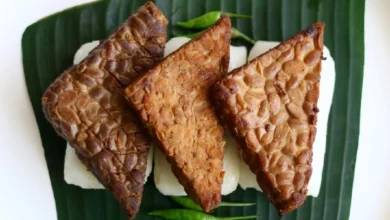
Achieving a harmonious balance of texture and flavor in a traditional plate of tempeh penyet requires attention to preparation techniques that have been refined over generations. Culinary experts emphasize that the foundation of an exceptional dish begins with the quality of the tempeh itself. Freshly made tempeh, characterized by a clean, earthy aroma and tightly bound white mycelium, yields superior results compared to mass-produced alternatives.
The preparation process is divided into two primary components: the marination and frying of the tempeh, and the creation of the accompanying sambal.
-
Protein Preparation: Standard culinary practices dictate slicing the tempeh into uniform pieces to ensure even cooking. The pieces are typically marinated in a simple yet effective paste composed of freshly crushed garlic, salt, and water, sometimes enhanced with a pinch of ground coriander. This brief marination allows the savory notes to penetrate the dense soybean matrix. Following marination, the tempeh is fried in medium-hot vegetable oil until the exterior develops a golden-brown, crispy crust while maintaining a soft, tender interior.
-
Sambal Formulation: The defining characteristic of the dish is its fiery accompaniment. A traditional sambal penyet relies on a meticulous balance of raw or lightly fried components, which are ground together in a stone mortar. The ingredient profile typically includes curly red chili peppers (cabe merah keriting) for vibrant color and mild heat, bird’s eye chilies (cabe rawit) for a sharp kick, shallots, garlic, aromatic lesser galangal (kencur), and fermented shrimp paste (terasi bakar) that has been lightly charred to release deep, umami-rich undertones. The ingredients are pounded until smooth or coarsely textured, depending on regional preference, and often finished with a splash of hot cooking oil from the frying pan to release the essential oils of the aromatics.
Standard Recipe Framework for Authentic Tempeh Penyet
For home cooks seeking to replicate this traditional dish, standard culinary guidelines offer a reliable framework designed for accessibility and optimal flavor development.
- Cooking Duration: Approximately 20 minutes from preparation to plating.
- Difficulty Level: Beginner-friendly.
- Yield: Serves 4 portions.
- Regional Origin: Java, Indonesia.
- Dish Category: Plant-based soybean preparation.
Ingredients List:
- Premium quality fresh tempeh: 400 grams, sliced into standard rectangular portions.
- Vegetable oil: Sufficient quantity for shallow frying.
- For the garlic marinade: 3 cloves of garlic (minced), 1 teaspoon of sea salt, and 50 milliliters of water.
- For the sambal penyet: 5 curly red chilies, 7 to 10 bird’s eye chilies (adjusted according to individual spice tolerance), 2 shallots, 1 clove of garlic, a 1-centimeter slice of fresh lesser galangal (kencur), half a teaspoon of roasted shrimp paste (terasi), salt to taste, and a tablespoon of hot cooking oil.
Step-by-Step Cooking Instructions:
- Prepare the Marinade: Combine the minced garlic, salt, and water in a shallow bowl. Submerge the sliced tempeh into the mixture, ensuring each piece absorbs the seasoning liquid evenly. Allow it to rest for approximately 5 to 10 minutes.
- Fry the Tempeh: Heat vegetable oil in a skillet over medium heat. Carefully place the marinated tempeh slices into the hot oil. Fry until the bottom side turns golden brown, then flip to ensure an even, crispy exterior on both sides. Once cooked to a crisp finish, remove the tempeh from the oil and drain excess grease on paper towels.
- Construct the Sambal: In a traditional stone mortar (cobek), combine the curly red chilies, bird’s eye chilies, shallots, garlic, lesser galangal, and roasted shrimp paste. Grind the ingredients together using the pestle (ulekan) until the desired consistency is achieved. Season with salt to taste.
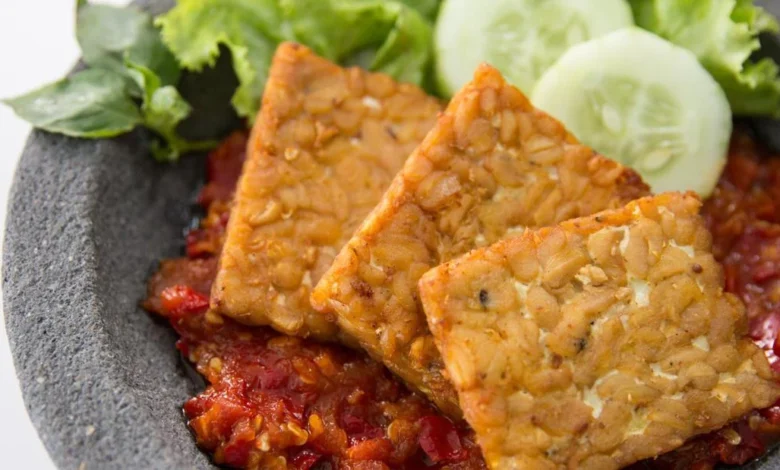
- Final Assembly (Penyetan): Place the freshly fried, hot tempeh pieces directly onto the sambal in the mortar. Using the pestle or a flat wooden tool, gently press (penyet) the tempeh so that it cracks slightly and absorbs the aromatic oils and heat of the chili paste.
- Plating and Service: Transfer the smashed tempeh and sambal combination to a serving plate. Accompany the dish with fresh cucumber slices, fresh basil leaves (kemangi), and warm steamed white rice for a complete, balanced meal.
Statements and Industry Perspectives
Food historians and gastronomic sociologists frequently point to dishes like tempeh penyet as vital manifestations of cultural resilience and sustainability. Dr. Ratna Sutedjo, a prominent food anthropologist specializing in Southeast Asian dietary traditions, notes that the genius of Indonesian cooking lies in transformation.
"Dishes such as tempeh penyet demonstrate how limited economic resources can be elevated through culinary ingenuity," Dr. Sutedjo explains. "The combination of fermentation, skillful frying, and the dynamic chemistry of fresh sambal turns a basic agricultural product into an extraordinary sensory experience. It reflects a deep understanding of flavor balancing—pairing the neutral, earthy protein of the soybean with the pungent, spicy, and umami-laden notes of traditional aromatics."
Furthermore, culinary business analysts observe that traditional menu items provide a crucial economic anchor for micro, small, and medium enterprises (MSMEs) across Indonesia. As inflation impacts the cost of imported commodities and premium animal proteins, food vendors who feature plant-based dishes like tempeh penyet are better positioned to maintain stable pricing while meeting consumer demand for affordable, high-quality local cuisine.
Broader Socio-Economic Implications and Future Outlook
The enduring popularity of tempeh penyet carries significant implications for public health, agricultural policy, and cultural preservation in contemporary Indonesia. From a nutritional standpoint, encouraging the consumption of traditional soybean derivatives aligns with broader public health initiatives aimed at combating micronutrient deficiencies while offering sustainable alternatives to diets heavily reliant on processed foods.
At the agricultural level, the sustained demand for tempeh reinforces the importance of domestic soybean cultivation and small-scale fermentation industries. While Indonesia continues to import a significant portion of its raw soybean supply, grassroots advocacy groups and agricultural economists increasingly advocate for enhanced support for local farmers to secure long-term food sovereignty and preserve the authentic sensory qualities of artisanal tempeh.
As global interest in plant-based diets continues to expand, traditional Indonesian dishes like tempeh penyet possess substantial potential for broader international recognition. By combining exceptional nutritional value, economic accessibility, and a rich tapestry of flavors, this humble Javanese preparation proves that traditional recipes hold timeless relevance in an ever-changing culinary world.