
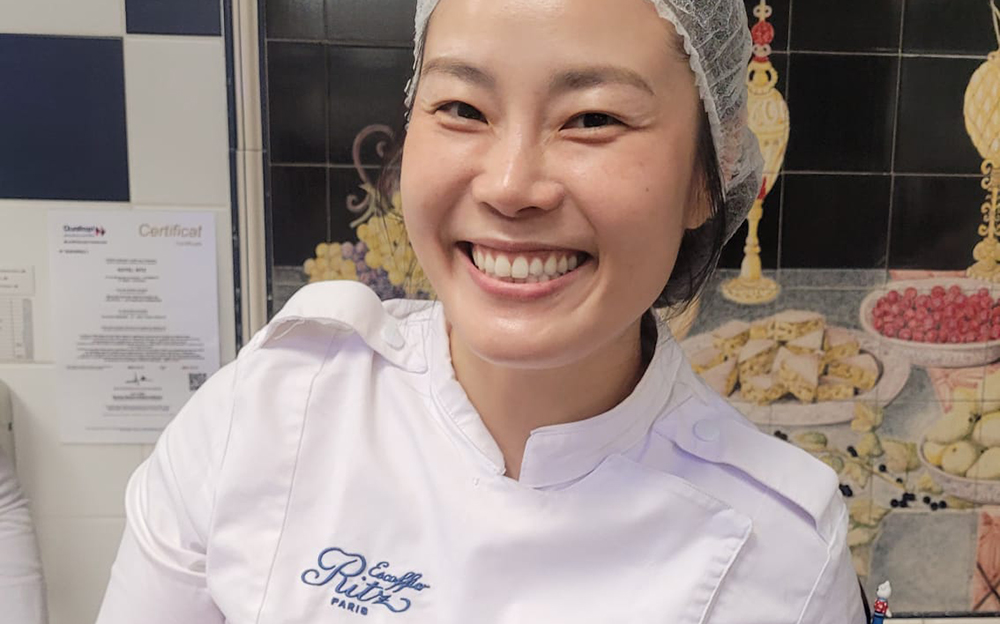
The Ritz Escoffier School, located within the legendary Ritz Paris hotel on the Place Vendôme, remains one of the world’s most prestigious culinary institutions. Established in 1988, the school pays homage to Auguste Escoffier, the father of modern French cuisine, who famously worked with César Ritz. For students like Seonkyoung Longest, the experience of training within these historic walls represents a rigorous professional immersion into the high-pressure world of French pastry arts. This report examines the daily regimen, the environmental challenges, and the broader implications of professional culinary education in the heart of the French capital.
The Disciplined Routine of Culinary Training
The daily life of a student at the Ritz Escoffier is defined by precision and physical endurance. For many, the day begins long before the first lecture, with a deliberate focus on preparation and mental readiness. As the culinary industry is notoriously demanding, maintaining a balanced nutritional intake—often centered on protein-rich breakfasts—is essential for sustaining the stamina required for hours of standing in professional kitchens.
The school’s curriculum is intensive, typically requiring students to be on their feet from 8:30 a.m. until the late afternoon. This curriculum covers everything from the delicate chemistry of patisserie to the structural integrity of complex desserts. The institution provides students with sanitized, pressed uniforms daily, a practice rooted in the French culinary tradition of maintaining professional decorum and hygiene within the workplace. This operational standard ensures that students can focus entirely on technical proficiency rather than the logistics of maintenance.

Environmental Factors and Urban Living in Paris
Living and working in Paris during the summer months presents unique logistical challenges. In recent years, European heatwaves, often referred to as "heat domes," have pushed temperatures into the 30°C (86°F+) range. These conditions significantly impact the daily life of international students who may be accustomed to climates with robust central air conditioning.
The housing market in districts such as Opéra—a central hub favored for its proximity to major culinary schools—often features historic architecture. While these buildings offer the aesthetic appeal of traditional Parisian life, they frequently lack modern climate control and possess structural limitations, such as small refrigeration units and restricted elevator capacities. These factors contribute to the "home-centered" lifestyle many students adopt, where the domestic kitchen serves as an extension of their training, allowing for controlled dietary management and a respite from the intensity of the city’s urban environment.

The Institutional Landscape of Ritz Escoffier
The Ritz Escoffier School functions not merely as a classroom but as a bridge between foundational techniques and the high standards of the global hospitality industry. The school offers a range of programs, from short-term leisure courses to professional diploma tracks. The professional track is designed to mimic the environment of a working pastry kitchen, where students are expected to learn, execute, and participate in the rigorous cleanup and sanitation protocols that conclude every session.
The inclusion of staff-style lunches—comprising balanced, multi-course meals—is a key component of the school’s pedagogical approach. By providing access to high-quality, professional-grade nutrition, the school acknowledges the physical toll of culinary work. This institutional support is crucial for students who must maintain peak performance levels over the duration of their multi-month courses.

Broader Implications for Culinary Professionals
The trend of established chefs and food industry professionals enrolling in elite Parisian schools highlights a broader shift toward continuous professional development. Even for those with significant experience, the opportunity to "reset" one’s skills in the birthplace of modern patisserie provides a competitive advantage in the global market.
Industry analysis suggests that the value of such training lies not only in the technical skills acquired—such as mastering the nuances of a rum baba or the construction of a raspberry pavlova—but also in the cultural integration and networking opportunities provided by the setting. For international students, the ability to navigate the French language, sourcing local ingredients, and adapting to a high-pressure, French-led kitchen environment is a transformative experience.

Economic and Cultural Impact
Paris remains the global epicenter for culinary tourism and education. The influx of international students to schools like Ritz Escoffier contributes significantly to the local economy, particularly in the Opéra and 1st arrondissement districts. These students, who often reside in the city for several months at a time, act as both learners and consumers, fostering a unique cultural exchange.
Furthermore, the presence of diverse culinary influences—such as the integration of Korean or Japanese culinary techniques with traditional French methods—is increasingly common. This fusion is not just a personal preference for students but reflects a broader evolution in modern gastronomy, where cross-cultural techniques are being utilized to create innovative flavor profiles.

Challenges of the Modern Culinary Student
Despite the romanticized perception of living in Paris, the reality is one of profound labor. The curriculum demands high cognitive and physical loads. Students frequently report that the intensity of the training leaves little energy for the leisure activities typically associated with Parisian life. The decision to prioritize rest over social exploration is a strategic choice, essential for surviving the rigorous demands of the program.
The psychological impact of such training is also noteworthy. Many students describe the experience as a period of personal and professional "healing" or "resetting." After months of working within the disciplined framework of the Ritz, students often report a renewed sense of confidence and a deeper understanding of the "why" behind traditional French techniques. This internal development is arguably as significant as the technical credentials gained.

Future Outlook and Closing Perspectives
As the Ritz Escoffier continues to maintain its status as a pinnacle of culinary education, the influx of students from diverse backgrounds ensures that the school remains at the forefront of global trends. The rigorous, yet transformative, nature of the program ensures that graduates leave not just with the ability to create world-class pastries, but with the discipline to navigate any professional kitchen in the world.
For the current cohort, the countdown to graduation marks a transition from a period of intense, focused learning to the application of these skills in the broader professional landscape. The experience of attending such an institution is a milestone that shapes the career trajectory of any culinary professional, grounding them in the history of the craft while providing the tools necessary for future innovation.

Ultimately, the commitment required to complete a term at the Ritz Escoffier reflects the enduring appeal of traditional culinary excellence. It serves as a reminder that in an increasingly automated and fast-paced world, the slow, deliberate, and precise nature of French pastry arts remains a vital and highly sought-after discipline. Through the combination of rigorous classroom instruction, exposure to the cultural realities of Paris, and a disciplined daily regimen, the Ritz Escoffier continues to foster the next generation of culinary leaders.