The Evolution of the Modern Bakery Scone and the Recipe That Redefined a Breakfast Classic

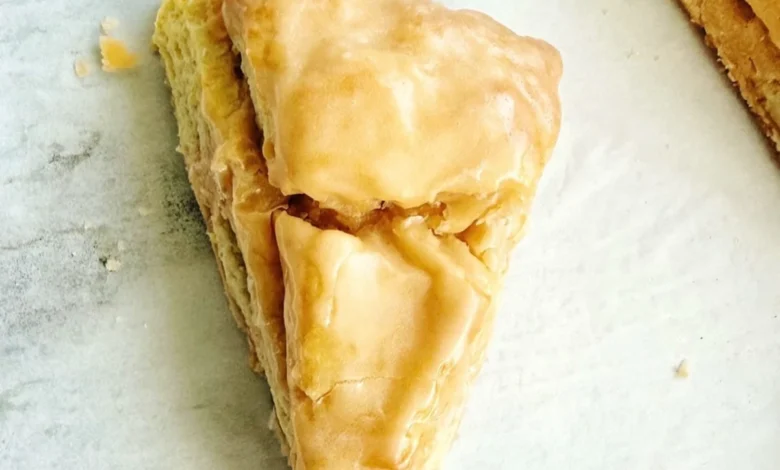
The culinary landscape of baked goods has long been divided by texture, regional heritage, and consumer expectation. For decades, North American coffeehouse culture popularized a version of the scone characterized primarily by its density, excessive sweetness, and tendency to crumble into dry fragments upon the first bite. However, a significant shift in artisanal baking—catalyzed by culinary milestones in the late 1990s and refined through modern pastry techniques—has successfully redefined the scone as a flaky, tender, and delicately flavored pastry. Central to this resurgence is the mastery of layered lamination in home and commercial kitchens, demonstrated vividly by foundational recipes such as the classic buttery orange scone.
Historical Context and the Evolution of the Scone
Originally rooted in Scottish and British baking traditions, the traditional scone was a simple, quick bread typically made from wheat or barley oatmeal, leavened with baking powder or baking soda, and cooked on a griddle or baked in an oven. Historically, these items were dense yet moist enough to be split, buttered, and consumed alongside tea.
When the scone crossed the Atlantic and integrated into the burgeoning commercial coffee shop boom of the late 20th century, its formulation changed dramatically. To extend shelf life and appeal to a public accustomed to heavily sweetened American pastries, commercial bakeries increased sugar content, eliminated butter in favor of shelf-stable shortenings or oils, and over-baked the dough. This resulted in the notoriously dry, crumbly iterations that alienated a generation of diners in the 1980s and 1990s.
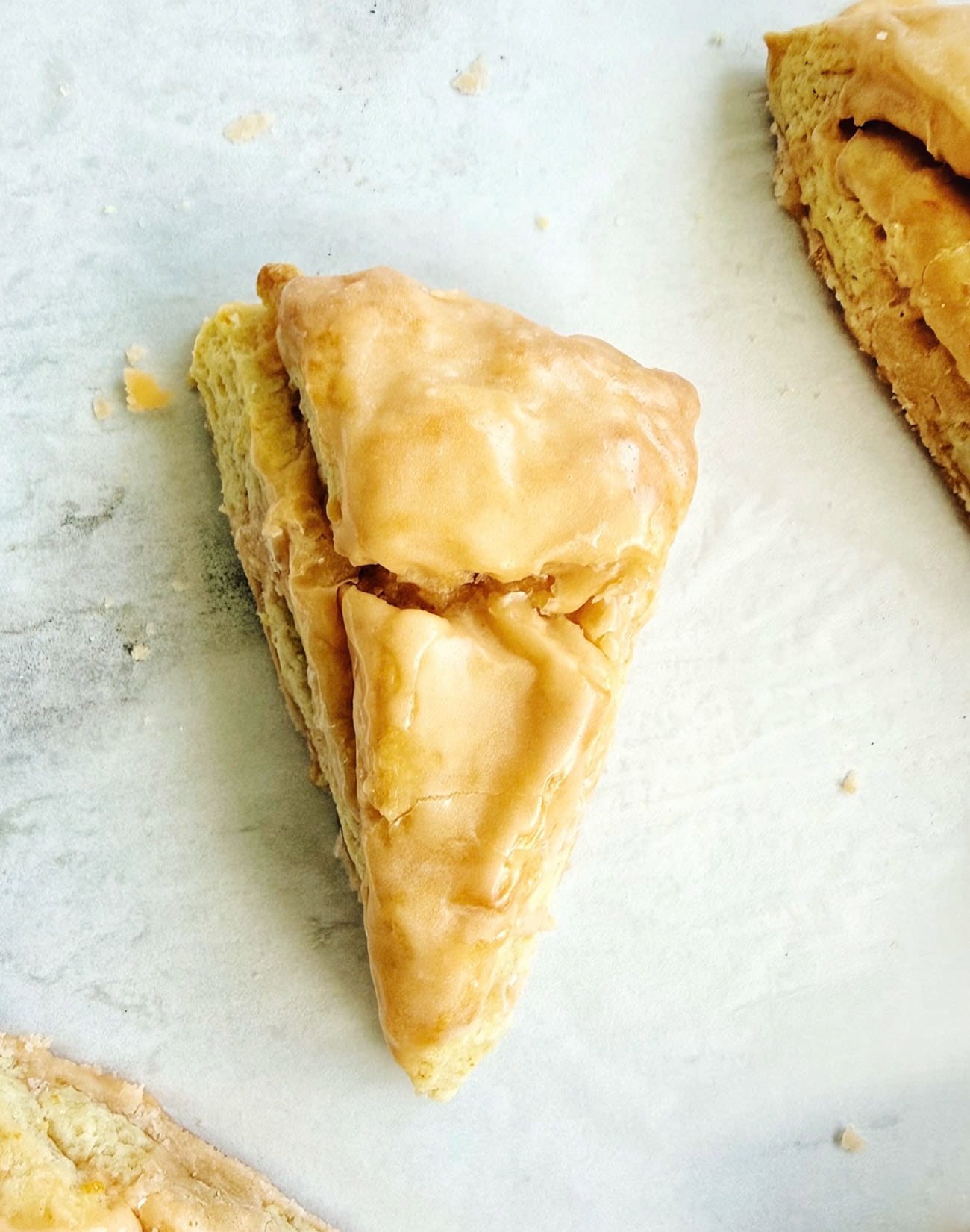
The turning point for many culinary professionals occurred within independent cafes that rejected industrial shortcuts. A notable example took place in the autumn of 1998 at the Blue Heron Coffeehouse, where traditional baking standards were upheld to rescue the pastry from its dry reputation. By prioritizing high-fat European-style butter, fresh citrus zest, and precise handling of the dough, bakers demonstrated that scones could achieve a texture closer to a fine puff pastry or a high-end biscuit while retaining the comforting familiarity of a morning quick bread.
Culinary Mechanics: Achieving the Ideal Scone Texture
The transformation of the scone from a dry brick to a flaky, tender pastry relies heavily on the scientific principles of baking chemistry. Culinary research into laminated quick breads highlights several critical factors:
- Temperature Control: Maintaining cold butter pieces within the dough is essential. As the scones bake, water within the butter evaporates, creating pockets of steam that generate distinct, flaky layers.
- The Folding Technique: Unlike standard drop biscuits, modern artisanal scone recipes incorporate a process of rolling and folding the dough multiple times. This mechanical action creates structural strata, ensuring that the finished baked good rises tall and lofty rather than spreading flat in the oven.
- Moisture Retention through Glazing: Applying a citrus-infused glaze while the scones are still warm allows the sugar and moisture to lightly penetrate the outer crust, locking in internal tenderness and preventing the pastry from drying out over hours of display or storage.
- Flavor Balancing: Incorporating natural aromatics, such as freshly grated orange zest, alongside optional flavor enhancers like triple sec or orange extract, provides a vibrant top note that cuts through the rich butterfat without relying solely on refined cane sugar.
Economic and Cultural Implications for the Baking Industry
The resurgence of scratch-made, technique-driven pastries has broader implications for the modern food service and hospitality industries. Market data indicates an increasing consumer preference for transparent ingredient lists, reduced processed sugar, and artisanal craftsmanship over mass-produced convenience foods. Independent bakeries and specialty coffeehouses that invest time in proper lamination and fresh flavor profiles report higher customer retention and stronger profit margins on baked goods.
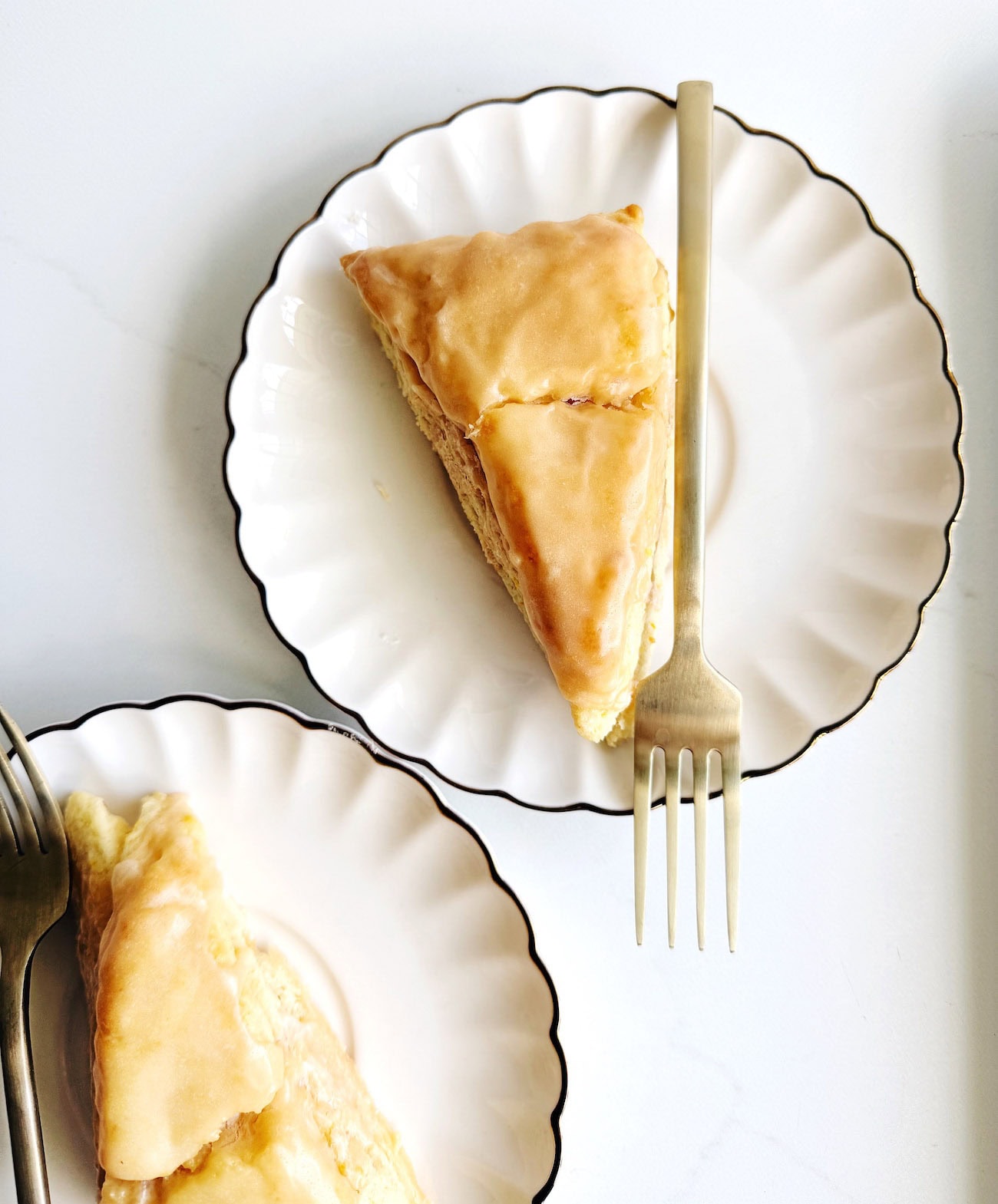
Furthermore, culinary education programs have increasingly emphasized foundational baking science over simple recipe execution. By understanding why historical iterations failed—such as the lack of adequate fat distribution and improper mixing techniques—contemporary pastry chefs continue to elevate classic items, ensuring their relevance in a competitive culinary market.
Looking Forward
As consumer palates continue to mature, the standard for morning baked goods will likely remain anchored in quality and texture. The evolution of the orange scone serves as a case study in culinary adaptation, proving that traditional recipes can successfully transcend unfavorable commercial reputations when paired with rigorous technique, high-grade ingredients, and a commitment to flavor balance.